
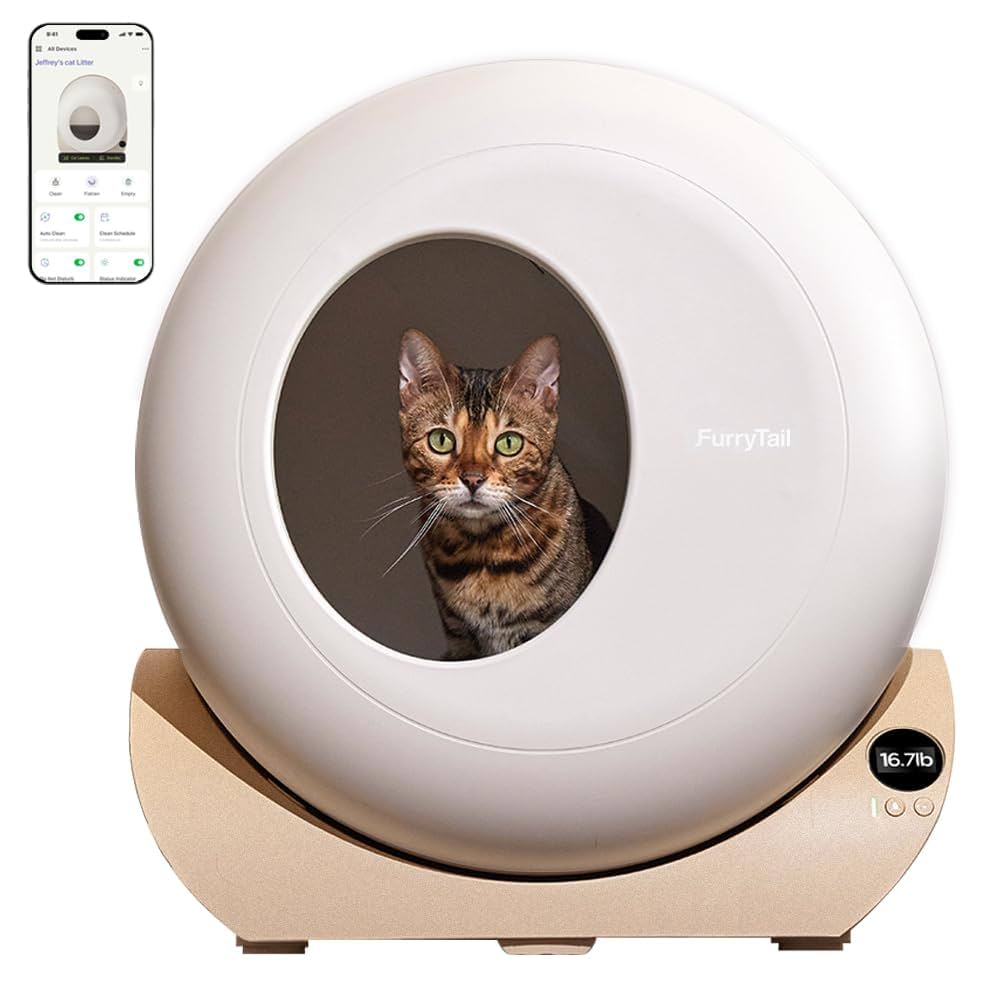
Scooping a litter box is nobody’s favorite chore. It’s messy, time-consuming, and the lingering odor can make even the most devoted cat owner cringe. A self-cleaning litter box flips that script entirely. These clever devices use sensors, automatic rakes, or rotating drums to whisk away waste seconds after your cat finishes, so you scoop less, smell less, and spend more time enjoying your feline friend. But not every model works the same way, and choosing the right one means understanding more than just a price tag. This guide walks you through exactly how they work, what to look for, how to set them up, and how to get the most out of your investment—no fluff, just practical, experience-backed advice.
How Self-Cleaning Litter Boxes Actually Work
Beneath the sleek exterior, most self-cleaning boxes share a few core mechanisms. Knowing what’s happening inside helps you troubleshoot, choose the right litter, and appreciate the engineering that saves you from daily scooping. You can also read our guide on automatic cat litter box amazon.
Sensor Technology
Nearly every automatic litter box relies on sensors to know when your cat has been inside. The two most common types are weight sensors and infrared motion detectors. Weight sensors measure the pressure on the litter bed, triggering a cleaning cycle only after the cat exits. Infrared sensors, often mounted at the entrance, detect movement and heat, so the box can wait until the area is clear. Higher-end models combine both, reducing the chance of a false start or an interrupted cycle.
In practice, a common mistake is placing the box on thick carpet, which can throw off weight sensors. Always put the unit on a hard, level surface to get reliable readings. Also, some cats are light enough (under 5 pounds) that a weight sensor may not register their presence. If you have a small or young cat, check the manufacturer’s minimum weight threshold before buying. You can also read our guide on automatic self cleaning cat litter box.
Automatic Waste Disposal
Once the sensors give the green light, the cleaning mechanism kicks in. The approach varies by model:
- Rake systems (common in mid-range boxes) use a fine-toothed comb that sweeps through the litter, collecting solid clumps and depositing them into a sealed waste compartment.
- Rotating drum systems (found in round, globe-shaped units) sift the litter as the entire drum rotates, allowing clean litter to fall through a screen while waste drops into a drawer.
- Washable granule systems wash and flush away waste using water, connecting to a cold water line and drain—more like a tiny toilet than a traditional litter box.
Each type has trade-offs. Rake systems are simpler but can get jammed if you use non-clumping or large-particle litter. Rotating drums require a specific type of clumping litter to sift properly. Washable systems need plumbing access and a larger upfront investment. The sealed waste compartment is what keeps odor in check—most models use carbon filters or tightly closing lids to trap smells until you empty the bin.
Power and Energy Usage
Self-cleaning litter boxes need a constant power source. Most plug into a standard outlet and consume very little electricity—typically between 5 and 15 watts, similar to an LED nightlight. The motor only runs for a minute or two per cycle, so the daily energy draw is minimal. Some units include a battery backup that maintains a few cycles during a power outage, which is a thoughtful feature if you’re away from home often.

A typical self-cleaning litter box with a covered entry to reduce odor and litter scatter.
Credit: www.ebay.com
Key Benefits Beyond the Hype
The obvious perks are less scooping and fewer odors, but the real advantages go deeper once you live with one.
Time-Saving Convenience
Busy mornings, late nights at work, weekends away—life doesn’t pause for litter box duty. A self-cleaning box automatically removes waste after each use, so you can go days without touching the litter. For a single-cat household, the waste drawer might need emptying once a week; for multiple cats, perhaps every 3–4 days. That’s still a fraction of the time you’d spend scooping multiple times a day.
Superior Odor Control
Because waste is sealed inside a carbon-filtered compartment almost immediately, the ammonia smell that plagues traditional boxes is drastically reduced. Many owners find they can keep the unit in a living area or bedroom without the usual embarrassment. If you’re still dealing with a lingering smell, pairing the box with a deodorizing litter additive can help, but in most cases, the sealed design does the heavy lifting.
Reduced Litter Waste and Maintenance
An automatic sifting cycle often separates waste more efficiently than hand-scooping, so you throw away less clean litter. In the long run, you may use less litter each month. The box itself stays cleaner, too, requiring a full litter change and deep clean every few weeks instead of weekly scrubbing. This is particularly helpful for owners with multiple cats, where boxes need constant attention.
Health and Hygiene Advantages
A consistently clean box encourages cats to use it, reducing the chance of inappropriate elimination—a behavior that often stems from a dirty litter environment. Veterinarians note that a clean litter box can lower the risk of urinary tract issues and bacterial buildup. When you maintain a self-cleaning unit properly, you’re also minimizing your own contact with waste, which is a smart hygiene practice. For more on feline behavior and litter box hygiene, veterinary guidance from Cornell University is a reliable resource.

The interior rake mechanism automatically sifts waste into a sealed compartment.
Credit: www.elspet.com
Choosing the Right Model for Your Home
Not every self-cleaning box fits every household. The right choice balances your cat’s size, your space, and how much effort you’re willing to put into maintenance.
Size, Shape, and Capacity
A larger interior gives cats room to turn around and dig, which many cats need to feel comfortable. If you have a big breed like a Maine Coon, look for models with an oversized entry and a spacious litter bed. The waste compartment capacity matters, too: a small drawer fills up fast in a multi-cat home, so you’ll want one that can hold several days’ worth of waste. Compact designs exist for apartments, but they often sacrifice capacity.
Litter Compatibility
This is the number one mistake new owners make. Most automatic boxes require clumping clay litter because the clumps hold together under the rake or sifting mechanism. Crystal and pellet litters are often too large or non-clumping, causing jams or inefficient cleaning. Some washable systems use proprietary granules that you never replace, only wash. Before you buy, check the manufacturer’s litter recommendations. Using the right type of clumping litter ensures smooth operation and prevents frustrating clogs.
Noise Levels
The motor and mechanical sounds can be unsettling for skittish cats. Many modern units have quiet motors, but some rake systems still produce a noticeable scraping sound. If your cat is easily startled, look for models with a “quiet” designation or a delay timer that starts the cycle long after your cat has left the room. Reading user reviews reveals how loud a model truly is in a real home setting.
Connectivity and Smart Features
High-end models now offer app connectivity, allowing you to monitor waste levels, track your cat’s usage frequency, and even start a manual cycle from your phone. While not essential, these features can be a game-changer for owners who want to keep tabs on their cat’s health while away. Some integrate with voice assistants, letting you trigger a cycle hands-free.
How to Introduce Your Cat to a Self-Cleaning Box
A noisy, moving box can be terrifying to a cat that has only known a stationary pan. Rushing the introduction is a recipe for litter box avoidance.
- Set up the new box next to the old one, but leave it unplugged. Fill it with the same litter your cat already uses.
- Let your cat explore it for a few days without any movement. Sprinkle a little used litter on top so it smells familiar.
- Once your cat uses it comfortably, plug it in and run a cycle while your cat is in another room. Let them hear the sound from a distance.
- Gradually move the old box away after a week or so, once your cat is consistently using the automatic one.
- If hesitation persists, consider using gradual acclimation techniques that build positive associations with treats and praise.
Installation and Setup Essentials
Setting up the unit correctly avoids half the problems people report.
- Placement: Choose a quiet, low-traffic spot with a hard floor. Avoid high humidity areas like bathrooms with poor ventilation, as moisture can clump litter prematurely.
- Power: Ensure the outlet is within reach of the cord; never use an extension cord that could be chewed.
- Assembly: Follow the order of steps explicitly. Most units snap together without tools, but missing a clip or filter can cause error codes. Test the cycle before adding litter to confirm everything moves freely.
- Litter level: Fill to the indicated line—overfilling can tilt the sifting mechanism or spill waste.
Routine Maintenance and Cleaning
Even “self-cleaning” doesn’t mean zero maintenance. A little regular care extends the life of the unit and keeps odors at bay.
| Task | Frequency | Notes |
|---|---|---|
| Empty waste drawer | Every 3–7 days | Replace liner or bag, wipe interior with mild cleaner. |
| Wipe sensors and interior | Weekly | Use a damp cloth; avoid harsh chemicals that leave residue. |
| Replace carbon filter | Every 4–8 weeks | Follow manufacturer’s timeline; some filters are washable. |
| Full litter change and deep clean | Every 3–4 weeks | Scrub all parts, dry thoroughly before refilling. |
| Check for jams and debris | Monthly | Remove any stuck clumps around the rake or sifting screen. |
If the unit stops mid-cycle, unplug it for 30 seconds to reset the control board. A common fix is simply clearing litter that has built up on the sensor lens. Many owners find that modern automatic litter boxes include self-diagnostic lights that make troubleshooting straightforward.
Environmental and Cost Considerations
A self-cleaning box is an investment, both upfront and over time. Here’s how to weigh the financial and ecological picture.
Initial investment: Entry-level rake models start around $100, while premium rotating drum or washable systems can exceed $500. Prices have stabilized in 2026, and you can often find mid-range options around $200–$300 that balance features and reliability.
Recurring expenses: Some models need proprietary waste drawer liners or carbon filters, adding $10–$20 per month. The litter you choose matters, too—clumping clay litter is inexpensive, but you might go through it faster if the rake discards a bit of clean litter each cycle. Biodegradable litters made from corn, pine, or recycled paper are a more eco-friendly choice, though they must be compatible with the mechanism.
Energy use: The minimal electrical draw won’t noticeably impact your utility bill, typically costing less than a dollar per month.
Sustainability: To reduce waste, opt for reusable liners or compostable bags. Some biodegradable litters break down naturally, lessening the landfill load. When you upgrade, recycling or donating the old unit (if still functional) is a responsible approach.
Common Myths and Misconceptions
“They’re dangerous for cats.” Modern units have multiple safety sensors that stop all movement the instant a cat re-enters the box. The rake or drum is designed to be gentle and never exert enough force to harm a pet. Incidents are extremely rare when the unit is used as directed.
“They don’t clean thoroughly.” A well-maintained automatic box leaves the litter bed as clean as a freshly scooped one. The sealed waste compartment keeps the remaining litter fresh. If you notice clumps left behind, it’s usually a sign of the wrong litter type or a dirty sensor.
“Only certain cats can use them.” With proper introduction, most cats adapt. Very large breeds need a spacious interior, and tiny kittens might not trigger the sensor, but otherwise, self-cleaning boxes are suitable for nearly any cat.
“They cost too much to run.” The ongoing cost of liners and filters is comparable to the extra litter and deodorizers many people use with traditional boxes. When you factor in time saved, many owners consider the trade-off well worth it.
What’s Next for Self-Cleaning Litter Boxes
The technology continues to evolve, and the 2026 market reflects a few clear trends.
- Smart home integration: Wi-Fi connectivity and app-based monitoring are now standard on many mid-range and high-end models. You can get real-time alerts when the waste drawer is full, and some units even track your cat’s weight and usage patterns to flag potential health issues.
- Quieter, more efficient motors: Brushless motors and improved gear designs have cut noise levels significantly, making the boxes less intrusive.
- Sleeker aesthetics: Manufacturers are prioritizing furniture-grade designs that blend into living spaces, with neutral colors and enclosed silhouettes.
- Advanced sensing: Laser and infrared sensors are becoming more precise, allowing the box to detect very small cats and avoid false triggers from playful paw swipes.
If you’re in the market for a high-tech option, robotic litter boxes represent the cutting edge of this evolution.

High-tech models offer app connectivity and real-time waste monitoring.
Credit: www.amazon.com
Frequently Asked Questions
Do self-cleaning cat litter boxes really work?
Yes, they effectively remove waste after each use, provided you use the correct litter and keep the sensors clean. A quality unit can reduce daily scooping to a quick weekly drawer change.
Are self-cleaning litter boxes safe for cats?
Absolutely. All reputable models include safety sensors that stop motion immediately if a cat re-enters. The mechanisms are designed to be gentle and pose no risk when used as intended.
What type of litter should I use in an automatic box?
Most models require a hard-clumping clay litter. Avoid lightweight, crystal, or pellet litters unless the manufacturer specifically approves them. Using the wrong litter can jam the mechanism and void the warranty.
How often do I need to empty the waste drawer?
For a single cat, about once a week. Multi-cat households may need to empty it every 3–4 days. The unit will often have an indicator light when the compartment is full.
Can large cats use a self-cleaning litter box?
Many models have an oversized entry and spacious interior. Before buying, check the internal dimensions and the minimum weight sensor threshold. Some brands offer models specifically designed for larger breeds.
Do vets recommend self-cleaning litter boxes?
Many veterinarians support them because a consistently clean box encourages regular use and reduces the risk of litter box aversion. However, they stress that the box must still be monitored for changes in your cat’s elimination habits.
Conclusion
A self-cleaning litter box transforms a daily chore into a background task. You gain back time, enjoy a home that smells fresher, and give your cat a reliably clean place to do its business. The key is matching the technology to your cat’s personality and your household’s needs—start with the right litter, introduce it patiently, and keep up with the simple maintenance routine. When shopping, consider the models that have earned top marks for reliability and ease of use. With the right choice, you’ll wonder why you didn’t make the switch sooner.