
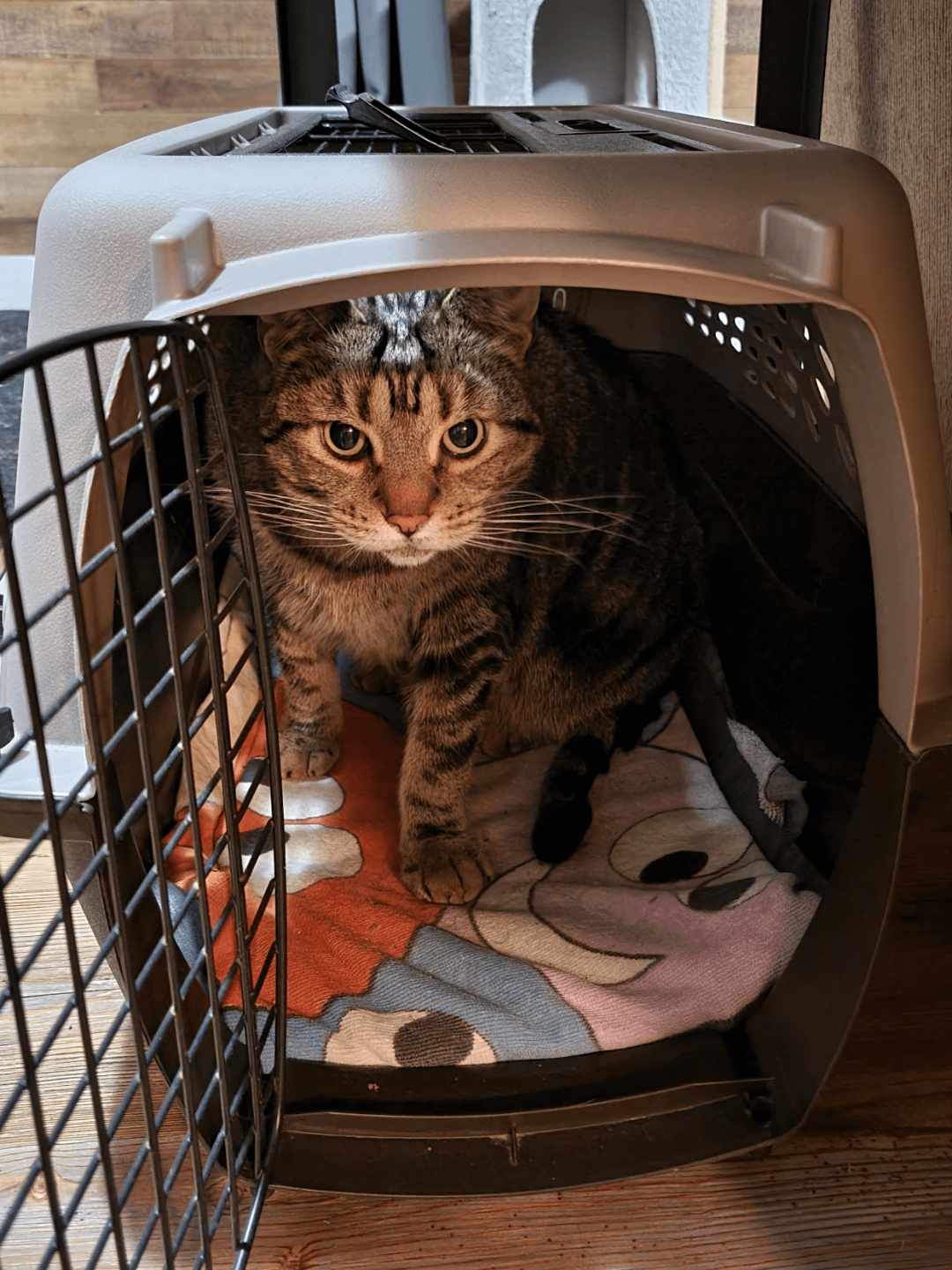
Imagine having a calm, happy cat that feels safe and secure in its own cozy space. Crate training can make this dream a reality.
You might think crates are just for dogs, but they can be a game-changer for cats too. If you're tired of dealing with a stressed-out feline during vet visits or car rides, crate training might be the solution you've been searching for.
In this guide, you'll discover simple steps to help your cat see their crate as a sanctuary rather than a prison. You'll learn how to create positive associations with the crate, turning it into a place your cat actually wants to be. Unlock the secret to less stressful travels and a more peaceful home. Dive into the step-by-step process of crate training and transform your cat’s experience today.
Credit: www.tiktok.com
Benefits Of Crate Training
Crate training a cat offers a safe space for relaxation and comfort. It aids in reducing anxiety during travel or vet visits. This method helps in managing the cat's behavior and ensuring safety at home.
Crate training a cat offers many advantages. It creates a safe space for your feline. Cats often feel stressed in new or busy environments. A crate provides a secure retreat. Crate training also simplifies travel. It ensures your cat remains calm and comfortable during trips. Additionally, it aids in managing emergencies. You can easily transport your cat in case of urgent situations. This training also supports litter box habits, reducing messes. Lastly, it helps with introducing new pets. The crate acts as a boundary, preventing unwanted conflicts. Explore the benefits in detail below.
Creates A Safe Space
A crate serves as a personal sanctuary for your cat. It offers a quiet and peaceful area for resting. Cats love having a dedicated spot to retreat to. This reduces anxiety and stress in their environment.
Simplifies Travel
Transporting your cat becomes hassle-free with a crate. It ensures your cat's safety and comfort during travel. Whether it's a vet visit or a longer journey, the crate is essential.
Facilitates Emergency Management
In emergencies, moving your cat quickly is crucial. A crate allows for easy and safe transportation. It provides a secure way to evacuate your cat if needed.
Supports Litter Box Habits
Crate training helps maintain litter box habits. Cats learn to keep their sleeping area clean. This minimizes accidents and promotes good hygiene.
Assists In Introducing New Pets
Introducing new pets can be challenging. A crate offers a controlled environment for first meetings. It ensures safety and comfort for all pets involved.

Credit: yourcatbackpack.com
Choosing The Right Crate
Choosing the right crate for your cat is a pivotal step in ensuring successful crate training. A well-selected crate can provide a safe and comfortable space for your feline friend, making the training process smoother. But how do you decide which crate is best suited for your cat's needs?
Size And Space
Consider the size and space of the crate carefully. Your cat should be able to stand, turn around, and lie down comfortably. A crate that's too cramped can make your cat anxious, while an overly large one might not give them the cozy feeling they need. Measure your cat and compare it to the crate dimensions. An ideal crate should feel like a snug hideaway, not a cavernous space.
Think about the space where the crate will be placed. Is there room in your living area or another quiet spot? A peaceful location can help your cat adjust more quickly. Remember, a crate is not just a temporary enclosure; it’s a potential sanctuary for your pet.
Material And Design
The material and design of the crate are equally important. A sturdy, well-ventilated crate made of plastic or metal can offer safety and durability. Soft-sided crates can be useful for travel, but might not be ideal for everyday use at home. Examine the locking mechanism for ease of use and security. Your cat's safety should be your top priority.
Design also plays a role in your cat's comfort. Some cats prefer crates with multiple openings, while others may find a single entrance more comforting. Features like removable trays can make cleaning easier. Think about your cat’s personality and habits when selecting a crate design. Would your cat appreciate a windowed view or prefer privacy?
Choosing the right crate is not just about functionality; it’s about creating a positive environment for your cat. With the right size, space, material, and design, you're setting the stage for a successful crate training experience. What features do you think your cat would appreciate the most?
Introducing The Crate
Introducing the crate to your cat can be a gentle process. Place the crate in a familiar area. Encourage exploration by leaving treats and toys inside.
Introducing the crate to your cat can be a game-changer in managing their behavior and ensuring their safety, especially during travel. While many people associate crate training with dogs, it can be equally beneficial for cats. The key is to make the crate seem less like a cage and more like a cozy nook that your feline friend will love.
Creating A Safe Space
Start by placing the crate in a quiet area of your home where your cat already feels comfortable. Make the inside inviting with soft bedding and perhaps a favorite toy. Cats are naturally curious, so they might start exploring the crate on their own. Avoid forcing your cat into the crate; instead, let them discover it at their own pace. If the crate becomes a part of their usual environment, they're more likely to view it as a safe haven rather than a trap.
Using Positive Reinforcement
Positive reinforcement is your best friend in crate training. Whenever your cat enters the crate voluntarily, reward them with treats or affection. This creates a positive association with the crate. Consider using a clicker or verbal praise when your cat investigates the crate. Over time, these cues will signal to your cat that they’re doing something right. Have you ever noticed how cats respond better to kindness than commands? Harness this insight. Patience and gentle encouragement will yield better results than force or frustration. As your cat becomes more comfortable, gradually close the door for short periods. Use treats and soothing words to reassure them. Before long, the crate will be less of a mystery and more of a comfort zone.
Encouraging Entering The Crate
Crate training a cat might sound unusual. But it can be very beneficial. Encouraging your cat to enter the crate is the first step. This process requires patience and understanding. Cats are naturally curious, yet cautious creatures. Creating a positive association with the crate is essential. This helps your cat feel safe and secure.
Using Treats And Toys
Treats are a powerful motivator for cats. Place a few treats inside the crate. This lures your cat in without force. Use toys too. Cats love to play. A favorite toy inside the crate can attract your cat. Waving a feather wand near the crate might entice them to enter. Make sure the crate is a fun place.
Gradual Familiarization
Allow your cat to explore the crate at their own pace. Leave the crate open in a familiar space. Let them sniff and inspect it freely. Place familiar items inside like a soft blanket. This makes the crate smell and feel like home. Gradually, the crate becomes less intimidating.
Consistency is key. Practice this routine regularly. Soon, the crate will be part of their comfort zone. With patience, your cat will voluntarily enter the crate.
Establishing A Routine
Creating a routine is key to crate training a cat. Start with short, daily sessions. Gradually increase the duration to help your cat feel comfortable and safe.
Establishing a routine is a crucial aspect of crate training your cat. Cats are creatures of habit, and a consistent schedule can make them feel secure and reduce any anxiety associated with crate training. By creating a predictable routine, you can help your cat adjust more quickly to the crate, making the experience more enjoyable for both of you.
Consistency In Timing
- Set a specific time each day for crate training sessions. This helps your cat anticipate when it's time to enter the crate.
- Begin with short intervals and gradually increase the duration. Start with five minutes and build up to longer periods.
- Connect crate time with a positive experience, like feeding or playtime, to create positive associations.
Comfortable Bedding And Environment
- Ensure the crate has soft bedding. A cozy blanket or pillow can make the crate inviting.
- Choose a quiet location for the crate to minimize distractions. This helps your cat relax during crate time.
- Add familiar toys or items with your scent to the crate. This can make your cat feel more at home.
Reflecting on your routine, think about what aspects could be improved. Is your cat truly comfortable in its crate? Observing your cat's behavior can offer valuable insights. Establishing a routine is not just about timing; it’s about creating a welcoming space that your cat looks forward to visiting.

Credit: theoreticallyteddy.com
Dealing With Resistance
Understanding a cat's behavior is key to successful crate training. Gradual introduction and positive reinforcement help ease resistance. Create a cozy space and encourage exploration with treats.
Dealing with resistance is a common hurdle in crate training a cat. Cats are creatures of habit and can resist change. Resistance can manifest in various ways. Some cats might refuse to enter the crate. Others might meow loudly or scratch at the door. Understanding and addressing this resistance is crucial.
Recognizing Signs Of Stress
Recognizing stress in your cat is essential. It helps you respond appropriately. Look for signs like excessive meowing or hiding. A cat might also show stress by avoiding food. Flattened ears or a flicking tail can indicate discomfort. Pay attention to these signals. They help you understand your cat’s feelings.
Strategies To Overcome Fear
Several strategies can help your cat overcome fear. Start by placing the crate in a familiar space. Let your cat explore it at their own pace. Use treats to encourage exploration. Place a soft blanket inside the crate. Familiar smells can provide comfort. Gradually close the door while your cat is inside. Keep it brief at first. Increase the time slowly. Use gentle words to reassure your cat. Speak softly to calm them. Patience is key in this process. Each step helps build trust.
Traveling With A Crate
Crate training a cat makes traveling easier. Introduce the crate as a cozy space with favorite toys and treats. Gradually extend crate time, ensuring a stress-free experience for your feline friend.
Traveling with a cat might seem daunting. Crate training makes it easier. A well-trained cat in a crate travels calmly. This ensures both safety and comfort. The crate becomes a familiar, cozy space for your cat. Let's explore how to prepare for trips and ensure your cat's comfort.
Preparation For Trips
Start early to get your cat used to the crate. Place the crate in your living space. Allow your cat to explore it freely. Put treats or toys inside. This creates positive associations. Before the trip, pack essentials like food and water. Have a small blanket or towel for comfort. Check that the crate is secure and clean. Practice short car rides first. Gradually increase the duration. This helps your cat get accustomed to the motion.
Ensuring Cat Comfort
Comfort is crucial during travel. Line the crate with soft bedding. Choose materials that are washable. This keeps the crate fresh. Consider placing a favorite toy inside. Familiar scents can reduce anxiety. Keep the crate in a well-ventilated area. Avoid direct sunlight and cold drafts. Play calming music or use a cat pheromone spray. This can soothe your cat during the journey. Regularly check on your cat. Make sure they are relaxed and content. Keep the travel smooth and stress-free.
Monitoring Progress
Monitoring a cat's progress in crate training involves observing comfort levels and adjusting techniques accordingly. Gradual exposure and positive reinforcement can help ease anxiety, making the crate a safe space. Regularly check for signs of stress or contentment to tailor the training approach effectively.
Monitoring the progress of your cat's crate training is essential. It helps ensure that your feline friend is adapting comfortably. Observing changes lets you know if your approach is effective. This guide will help you track and adjust your techniques for optimal results.
Tracking Behavioral Changes
Keep an eye on your cat's behavior during crate training. Notice any signs of stress or discomfort. A relaxed cat will enter the crate willingly. They may also explore and play inside. If your cat avoids the crate, take note. Listen for vocalizations like hissing or growling. These indicate discomfort or fear. Document these observations daily. It helps identify patterns over time.
Adjusting Techniques
Sometimes, you may need to tweak your training methods. If your cat seems anxious, try using calming scents. Pheromone sprays can create a soothing environment. Consider the crate's location too. Place it in a quiet, cozy spot. Increase the crate's appeal with soft bedding. Use treats to encourage crate entry. Reward any positive behavior promptly. This reinforces good habits. Regularly assess your approach and make necessary changes. Your cat's comfort and safety should always come first.
Common Mistakes To Avoid
Crate training a cat can be a beneficial practice, but it's easy to make mistakes along the way. Understanding these common pitfalls can save you time and frustration. Let's explore some mistakes cat owners often encounter when crate training, and how you can avoid them for a smoother experience.
Forcing The Cat
One of the biggest mistakes in crate training is forcing your cat into the crate. Cats are naturally curious but also very independent. If you push them into the crate, they might associate it with fear and anxiety. Instead, allow your cat to explore the crate at their own pace. Encourage them with treats and positive reinforcement. Have you ever felt coerced into doing something? Your cat feels the same when forced into a crate.
Consider leaving the crate open in a common area. Place their favorite blanket or toy inside. This way, they can slowly acclimate to the crate's presence and start associating it with comfort rather than stress.
Inconsistent Training
Another common mistake is inconsistent training. Cats thrive on routine and predictability. If you only use the crate sporadically, your cat won't understand its purpose. Make crate training a regular part of your cat's routine. Consistency builds trust and helps your cat feel secure.
Try setting aside time each day for crate practice. Even if it's just a few minutes, regular exposure will help your cat see the crate as a normal, non-threatening part of their environment. Are you following a routine that your cat can rely on?
Frequently Asked Questions
How Long Does It Take To Crate Train A Cat?
Crate training a cat typically takes a few weeks. Gradually introduce the crate, making it comfortable and inviting. Use treats and toys to encourage positive associations. Be patient and consistent throughout the process. Each cat varies, so adjust the pace based on individual comfort and progress.
How To Stop A Cat From Crying In A Crate?
Ensure the crate is comfortable with soft bedding. Provide toys to keep your cat entertained. Gradually acclimate your cat to the crate, starting with short sessions. Reward calm behavior with treats and praise. Consistency and patience help reduce anxiety and crying.
How Do You Crate An Unwilling Cat?
Gently coax your cat into the crate using treats and a calm voice. Ensure the crate is cozy and inviting. Minimize stress by covering the crate with a towel. Avoid forcing the cat, and be patient with the process. Always prioritize your cat's comfort and safety.
Is It Okay To Put Your Cat In A Crate?
Putting your cat in a crate is okay for short periods. Ensure it's comfortable and spacious. Use crates for travel, vet visits, or safety. Always monitor their stress levels. Crating shouldn't be a regular practice. Offer plenty of breaks and affection to keep your cat happy and healthy.
Conclusion
Crate training a cat takes patience but brings rewards. It helps your cat feel safe and secure. Start with short sessions and gradually increase time. Always make the crate a positive space. Use treats and toys as encouragement. Consistency is key to success.
Every cat is unique, so adapt the process to fit their needs. Watch for signs of stress and adjust as needed. Building trust is crucial. With time, your cat will view the crate as a cozy haven. Remember, patience and love make the journey worthwhile.
Enjoy the bond crate training creates with your feline friend.