
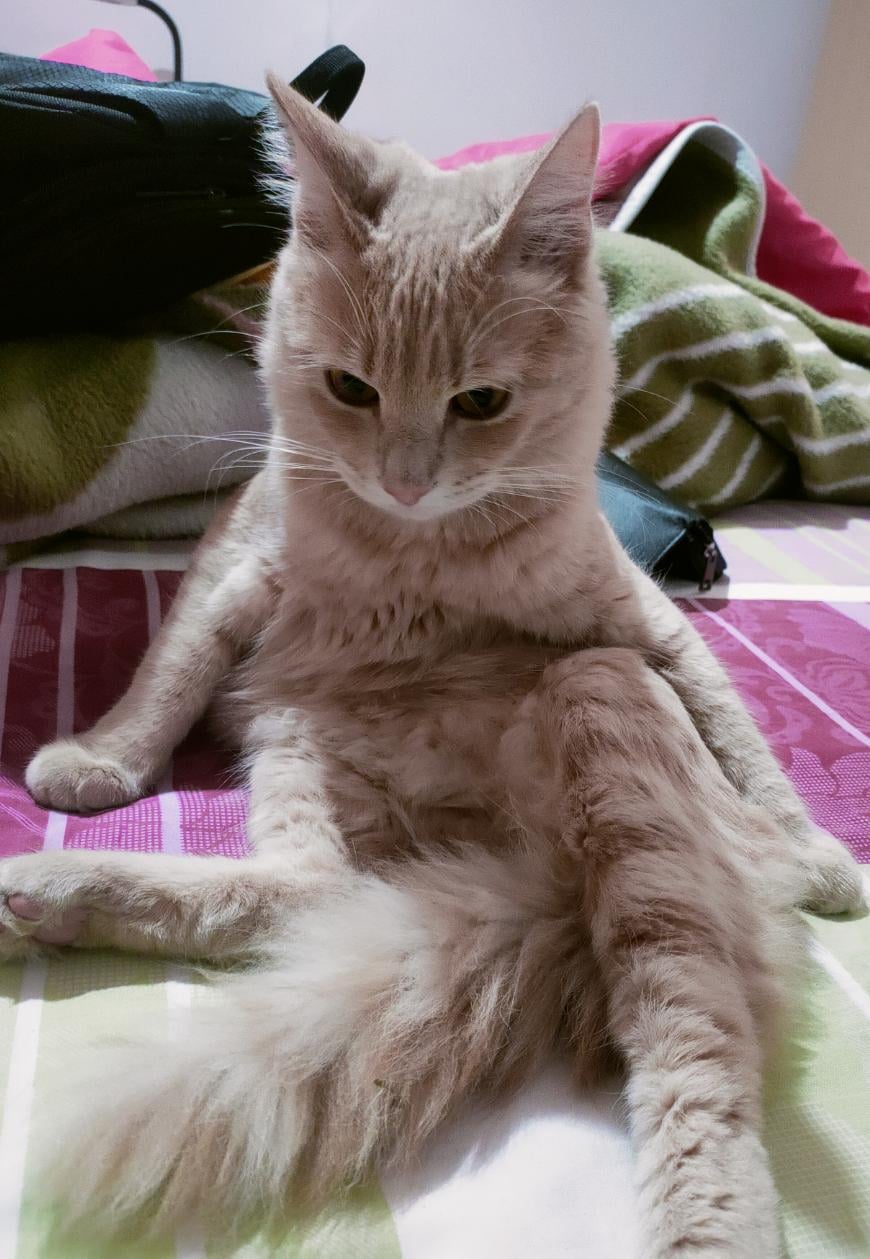
Spaying is one of the most routine veterinary procedures performed on female pet cats in the U.S., with most cats spayed before their first birthday. For many owners, the biggest question surrounding the surgery isn’t just the associated health benefits—it’s whether spaying will alter their cat’s beloved personality. The short answer is that most long-term behavior changes are positive, and your cat’s core temperament will remain almost entirely unchanged. Below, we break down what to expect in the immediate recovery window, which long-term behavioral shifts are common, what counts as normal, and when to check in with your veterinarian, based on current veterinary guidance.
What Spaying Actually Does (And Why It Impacts Behavior)
Spaying, or an ovariohysterectomy, involves the surgical removal of a female cat’s ovaries and uterus. These organs are the primary source of estrogen and progesterone, the reproductive hormones that drive heat cycles, mating behaviors, territorial marking, and hormone-driven irritability. Crucially, the surgery itself does not alter a cat’s brain chemistry or core personality—all long-term behavior changes stem from the permanent drop in these reproductive hormones after the ovaries are removed. This distinction is key for owners worried their cat will become a “different” pet after the procedure. Research from the Cornell University College of Veterinary Medicine confirms that the vast majority of behavioral shifts post-spay are tied directly to hormonal changes, not the surgical intervention itself. You can also read our guide on can you train cats like dogs.
Immediate Post-Surgery Effects (Temporary, Not Permanent)
The first 24 to 48 hours after spaying are dominated by the effects of general anesthesia, not hormonal changes, so any behavior shifts in this window are almost always temporary. Normal immediate effects include:
- Grogginess, disorientation, and mild lethargy as the anesthesia wears off
- Mild decreased appetite for the first 12 hours, as the digestive system recovers
- Occasional soft vocalization when moving around, due to mild incision discomfort
- Reluctance to jump or climb for the first 1-2 days
To support a smooth recovery, keep your cat in a quiet, warm, confined space away from other pets, offer small amounts of wet food or low-sodium broth to encourage eating, and administer any prescribed pain medication exactly as directed by your vet. These effects resolve completely within 2 days for most cats, and are not indicative of permanent behavior change.

Credit: www.reddit.com
A quiet, low-stress recovery space helps spayed cats heal faster and adjust to temporary post-surgery discomfort.

Credit: www.reddit.com
Protective cones prevent cats from licking or biting their incision site during the 10-14 day healing period.
Long-Term Hormonal Behavior Changes
Long-term shifts typically begin 2 to 4 weeks after surgery, once reproductive hormone levels drop to their permanent post-spay baseline. Most of these changes are positive, and align with the reasons spaying is recommended as a standard part of responsible pet care. Beyond behavior changes, spaying eliminates the risk of ovarian and uterine cancers and reduces mammary tumor risk, as outlined by the American Veterinary Medical Association. You can also read our guide on how to handle aggressive cat behavior.
Reduced Aggression and Improved Social Skills
Intact female cats often display hormone-driven aggression during heat cycles: they may swat, growl, or fight with other cats to compete for mates, and even direct irritability toward their owners when restless. Spaying eliminates these heat cycles entirely, so the vast majority of spayed cats show a noticeable drop in this type of aggression within 4 to 8 weeks of surgery. Many owners also report their cats become more affectionate and approachable, as they are no longer distracted by mating instincts. It is important to note that spaying will not eliminate aggression rooted in fear, past trauma, or resource guarding—these issues require separate behavior modification and positive reinforcement training. In multi-cat households, reduced hormone-driven territorial disputes also lower resource competition in multi-cat households, making shared spaces more peaceful.
Decreased Roaming and Escape Attempts
Intact female cats will go to extreme lengths to find mates during heat, including scratching at doors, squeezing through small gaps, and escaping outdoors for hours or days at a time. This puts them at high risk of car accidents, fights with stray cats, and getting lost. Spaying eliminates the drive to seek mates, so the vast majority of spayed cats stop attempting to escape within weeks of surgery. This makes them ideal candidates for indoor-only lifestyles, which the American Veterinary Medical Association recommends as the safest option for pet cats, as it eliminates risks from outdoor hazards, predators, and infectious diseases. Some cats may still enjoy supervised outdoor time in a catio or on a leash, but they will no longer feel the urgent need to run off to find a mate. You can also read our guide on top most popular cat breeds and their unique personalities.
Reduced Territorial Marking
Urine spraying is the most common territorial marking behavior in intact female cats, used to signal their availability to potential mates. Spaying eliminates this hormone-driven urge, so most cats stop spraying within 4 to 8 weeks of surgery. It is important to distinguish this from normal scent-rubbing behavior: cats rub their cheeks and bodies on furniture, people, and doorframes to mix their scent with their environment and feel safe, and this normal behavior does not change after spaying. If your cat continues to spray after the 8-week mark, it is almost always due to stress, resource guarding, or litter box dissatisfaction, not hormonal drive. For tips on managing persistent marking, a low-odor, easy-to-clean litter box can help reduce stress-driven accidents.
Activity Levels and Weight Management
Spayed cats have a slightly slower resting metabolism due to the drop in estrogen, a hormone that regulates fat storage. This means they burn 20-25% fewer calories at rest than intact cats, which can lead to weight gain if portion sizes are not adjusted accordingly. It is a common misconception that spaying makes cats lazy—most retain their original playful energy, but they require adjusted calorie intake and regular activity to stay at a healthy weight. Practical tips include measuring food portions according to your vet’s recommendation, offering 10-15 minute interactive play sessions twice daily, and using puzzle feeders to make eating mentally stimulating. Pair portion control with nutrient-dense, high-protein wet food to keep your spayed cat full and satisfied without excess empty calories. For consistent portion control when you’re away from home, a timed automatic wet food feeder can help regulate daily intake. You can also read our guide on how often do cats need wet food.
Core Personality Remains Unchanged
The most common concern among owners is that spaying will alter their cat’s core personality, but this is largely a myth. Your playful, energetic cat will still love to chase feather wands, your cuddly lap cat will still seek out evening cuddles, and your independent cat will still enjoy alone time. The only permanent changes are the removal of hormone-driven fluctuations: no more restlessness during heat cycles, no more irritability from unfulfilled mating instincts, and no more loud yowling or escape attempts. Many owners report their cats seem more affectionate after spaying, but this is because they are no longer distracted by reproductive drives, not because their core temperament has shifted.
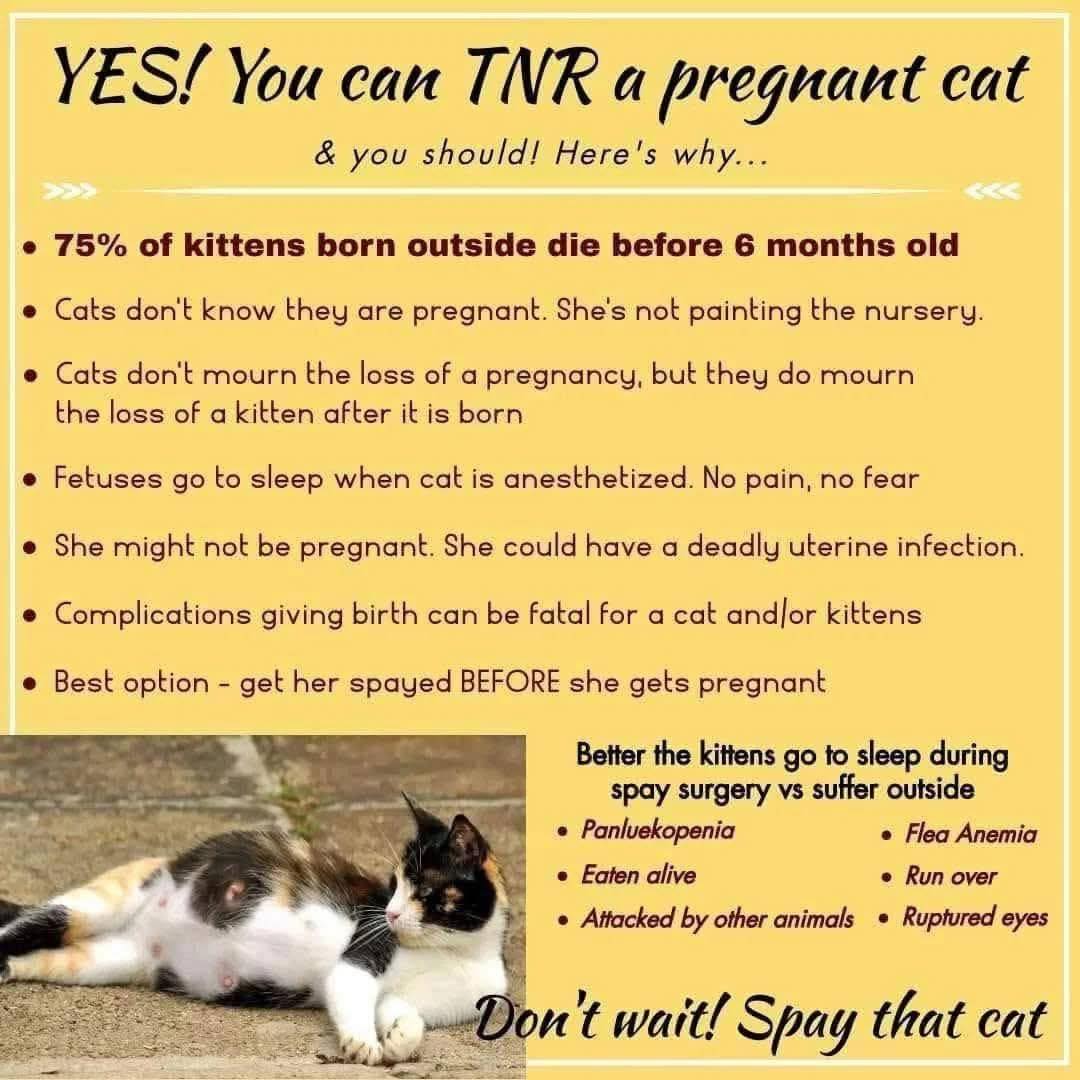
Credit: www.facebook.com
Most spayed cats retain their core playful, affectionate personality long-term, with only hormone-driven behaviors fading.
What’s Normal vs. When to Call Your Vet
Most post-spay recovery is uneventful, but it is important to know what symptoms are expected and what require immediate veterinary attention. You can also read our guide on when to feed kitten cat food.
Normal temporary effects in the first 2 weeks include:
- Grogginess and mild lethargy for the first 24-48 hours
- Mild decreased appetite for the first 12 hours
- Small amount of redness or mild swelling at the incision site for the first 3 days
- Occasional soft vocalization when moving around
Seek immediate veterinary care if you notice any of the following red flags:
- Vomiting or diarrhea lasting more than 24 hours
- Complete refusal to eat or drink after 24 hours
- Incision site that is actively bleeding, has thick yellow/green discharge, or has a foul odor
- Extreme lethargy (inability to stand or respond to stimuli)
- Difficulty breathing or pale gums
Most vets also recommend a follow-up appointment 10-14 days after surgery to check incision healing and remove non-dissolvable stitches. If your cat struggles with confinement during recovery, pre-schedule calm routines using positive reinforcement techniques from proven cat training guides to reduce stress. For gentle cleaning of the incision area during healing, soft, dander-reducing grooming wipes can help keep the site clean without causing irritation.
Frequently Asked Questions
Do female cats become calmer after being spayed?
Most female cats show a noticeable drop in restlessness, irritability, and hormone-driven aggression within 2 to 4 weeks of spaying, as estrogen and progesterone levels drop to baseline. Their core personality remains unchanged, but the extreme mood swings associated with heat cycles (which occur every 2 to 3 weeks during breeding season for intact females) disappear entirely. Cats that were previously anxious or aggressive only during heat cycles often become much more relaxed long-term.
Are cats happier after being spayed?
For most cats, yes. Spaying eliminates the chronic stress of repeated heat cycles, which can cause restlessness, yowling, and frustration for weeks at a time. Removing the drive to mate also reduces the risk of injury from fighting with stray cats or escaping outdoors, leading to a safer, less stressful life. Of course, long-term happiness also depends on consistent care, a stable environment, and regular veterinary checkups.
Do cats calm down immediately after spaying?
No. The mild calmness many cats show in the first 24 hours is due to the lingering effects of anesthesia, not permanent behavioral change. Hormonal shifts take 2 to 6 weeks to fully take effect, so permanent behavior changes will not be visible until after that window.
How long does it take for behavior changes to appear after spaying?
Most long-term behavior changes (reduced roaming, less urine spraying, calmer demeanor) appear between 2 and 6 weeks after surgery, once reproductive hormone levels drop to their permanent post-spay baseline. Some changes, like reduced aggression during what would have been heat cycles, may be noticeable as early as 1 week post-op, as residual hormones leave the body.
Final Takeaways
Spaying is a safe, routine procedure that delivers significant health and behavioral benefits for female cats. While the first few days of recovery involve temporary effects from anesthesia, long-term changes are almost exclusively positive: reduced hormone-driven aggression, less roaming and urine marking, elimination of the stress of repeated heat cycles, and zero risk of unwanted pregnancies or reproductive cancers. Your cat’s core personality will not change—she will still be the same beloved companion you know, just free from the distraction and discomfort of hormonal drives. Always follow your vet’s post-surgery care instructions, and reach out to them immediately if you notice any red flag symptoms during recovery. For guidance on post-spay nutrition and care to support your cat’s long-term health, explore our resource on nutritionally balanced feline diets.