
If you’ve ever held your breath mid-greeting to avoid the pungent ammonia whiff from your cat’s litter area, or scrubbed fine clay dust off your floors three times a week, you’re not alone. Traditional clumping clay litters may be the most common option on store shelves, but they come with hidden downsides: non-renewable strip mining, excessive landfill waste, and respiratory irritation for cats and humans alike. The wood pellet cat litter box setup, by contrast, delivers reliable eco-friendly odor control without these tradeoffs, making it a fast-growing choice for sustainability-minded cat owners in 2026.
This guide breaks down exactly how wood pellet litter works to neutralize odors, its environmental and health benefits, step-by-step setup and maintenance tips, and how it stacks up against traditional clay options to help you decide if it’s the right fit for your household. You can also read our guide on what sort of nutrition is needed for a sick cat.
Core Benefits of Wood Pellet Cat Litter Boxes
Wood pellet litter boxes offer a unique combination of performance, sustainability, and pet-friendly design that addresses the biggest pain points of traditional litter systems. For cat owners looking to reduce their environmental impact without sacrificing cleanliness, pellets are a proven, low-fuss alternative.
Renewable, Low-Impact Sourcing
Most wood pellet cat litter is made from compressed sawdust from softwood trees like Douglas fir, pine, and spruce — a waste byproduct of the lumber milling industry that would otherwise be discarded or burned for energy. No additional trees are harvested specifically for litter production, making it a far more sustainable alternative to clay litter, which relies on strip mining that disrupts local ecosystems and removes topsoil. Cats also tend to find the natural, earthy scent of softwood pellets appealing, as it mimics the outdoor substrate they would naturally use for elimination, making the transition to indoor litter boxes smoother for newly adopted cats. You can also read our guide on best cat litter box for odor control.

Softwood wood pellets are a waste byproduct of lumber milling, making them a sustainable litter choice
Credit: www.amazon.com
Reduced Dust and Household Mess
Traditional clay litters produce up to 10% respirable silica dust per cleaning, per U.S. Environmental Protection Agency indoor air quality data for pet households. This dust aggravates asthma and allergies in both humans and cats, especially for pets with pre-existing respiratory conditions like feline asthma. Wood pellets are compressed into dense, large format pieces that produce almost no fine dust during use or cleaning, and their size means they stick far less to cat paws, reducing litter tracking across floors by up to 70% compared to fine clay litter, per user testing from sustainable pet product groups. This directly ties to your cat’s long-term health and nutrition plan, as reduced dust exposure lowers respiratory irritation risk over time.
Long-Term Cost Efficiency
While wood pellet litter often has a slightly higher upfront cost per bag than basic clay litter, its superior absorbency means you use far less product over time. A single 40lb bag of pellets can last 4–6 weeks for a single cat, compared to 2–3 weeks for an equivalent weight of clay litter. When accounting for reduced replacement frequency and lower cleaning supply costs (no need for heavy-duty dust removers or air fresheners), most households save $2–$5 per month on litter-related costs after switching to pellets. You can also read our guide on enclosed litter box for cats.
How Wood Pellet Litter Delivers Reliable Eco-Friendly Odor Control
Odor control is the top reason most cat owners switch to wood pellet litter, and the material’s natural structure makes it far more effective at neutralizing smells at the source than traditional options that rely on masking scents.
Ammonia Trapping via Porous Wood Structure
The primary source of litter box odor is ammonia, a byproduct of cat urine that breaks down into volatile compounds that linger in the air. Unlike clay litter, which only absorbs liquid and leaves ammonia vapors to escape, compressed wood pellets are made of porous cellulose that binds to ammonia molecules as they absorb moisture. As pellets soak up urine, they expand and break down into soft sawdust, trapping odor compounds inside the wood fibers rather than releasing them into the air. This structure means odors are neutralized at the source, rather than masked with added fragrances that many cats find off-putting. You can also read our guide on litter box mats for cats.
Natural Odor Neutralization Without Harsh Chemicals
Wood pellets have natural antimicrobial and odor-neutralizing properties from the wood’s inherent terpenes, so they do not require added synthetic fragrances, deodorizers, or chemical treatments to control smells. This makes them a safer choice for cats with sensitive noses or skin, as well as for households with human allergy sufferers who are sensitive to synthetic litter scents. For extra odor control in high-use households, you can add a thin layer of natural litter deodorizer under the pellet layer, but avoid heavily scented products that may cause your cat to avoid the box.
Sifting Systems That Prevent Odor Buildup
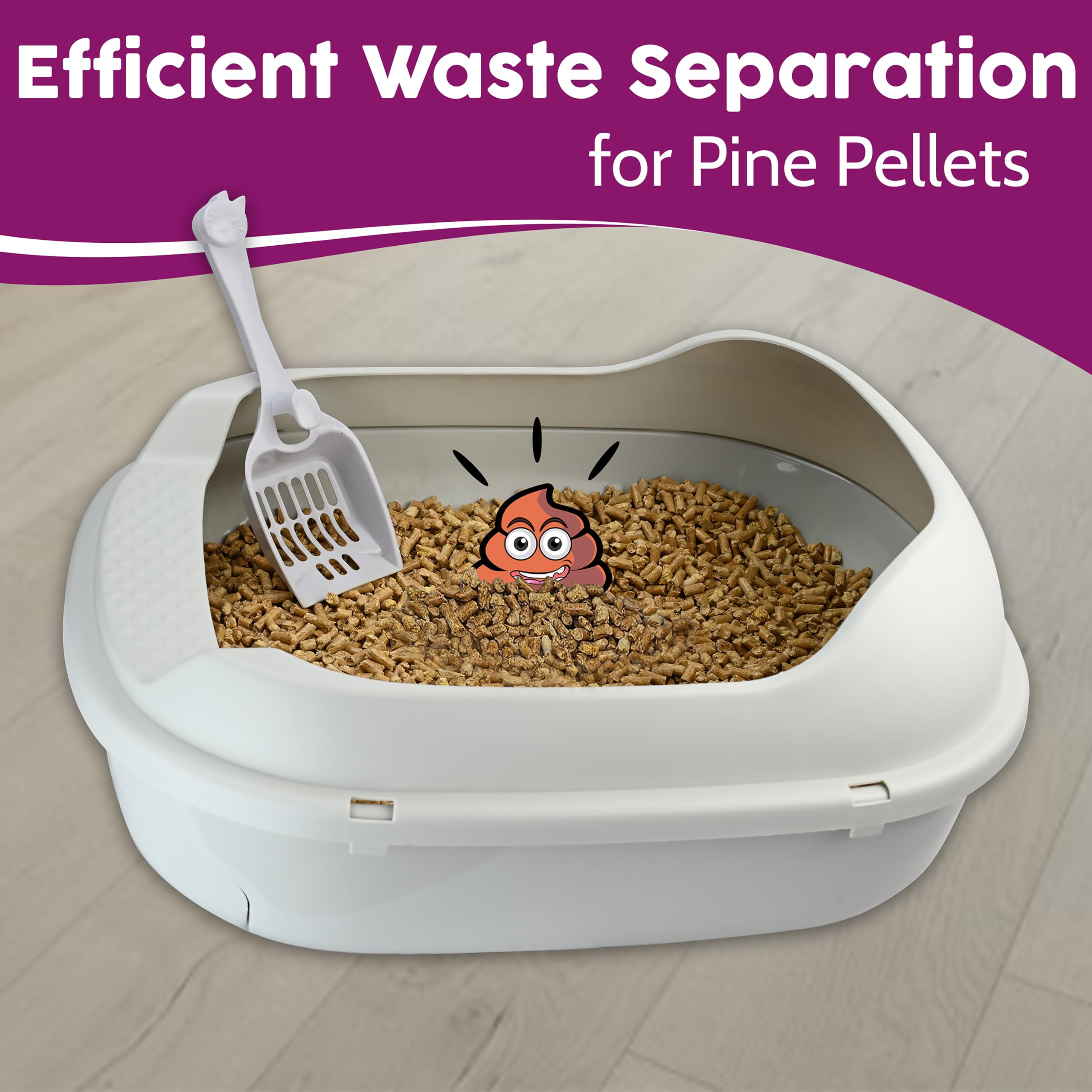
Many wood pellet litter boxes use a sifting design that separates intact, unused pellets from fine, soiled sawdust when you lift and shake the top tray. This lets you remove saturated, odor-carrying sawdust daily without replacing the entire bag of litter, preventing the buildup of ammonia and bacteria that causes lingering box smells. Unlike clay litter, where you only remove solid clumps and leave liquid-soaked clay in the box to release odor over time, sifting pellets removes all soiled material regularly for consistent freshness.

Large, compressed wood pellets stick less to cat paws than fine clay litter, reducing household tracking
Credit: www.amazon.com
Eco-Friendly Advantages Beyond Odor Control
For sustainability-focused pet owners, the environmental benefits of wood pellet litter go far beyond reduced odor and mess.
Compostable Waste That Reduces Landfill Burden
Traditional clay litter is non-biodegradable, meaning every bag that ends up in a landfill will remain there for over 100 years without breaking down. Used wood pellet litter that is free of feces can be composted in a backyard bin in 6–12 months, and the resulting sawdust can be used as mulch for non-edible garden plants. Even if you don’t have compost access, wood pellets break down far faster than clay in landfill conditions, reducing your household’s long-term waste impact. The U.S. Department of Agriculture recommends composting only pet waste that is free of feces to avoid spreading pathogens to garden soil, per USDA home composting best practices.
Lower Carbon Footprint From Sustainable Production
The production process for wood pellet litter has a far lower carbon footprint than clay litter, which requires energy-intensive mining, processing, and transport of heavy clay materials. Wood pellets are produced using low-energy compression of sawdust, a material that is already locally sourced near most lumber mills in the U.S., reducing transport emissions. A 2024 analysis from the Sustainable Pet Care Coalition found that switching from clay to wood pellet litter reduces a household’s annual litter-related carbon emissions by roughly 40% per cat.
Setting Up and Maintaining Your Wood Pellet Litter Box
Proper setup and consistent maintenance are key to getting the most odor control and longevity out of your wood pellet litter box. The process is far simpler than many new users expect, with just a few small adjustments to your existing litter routine.
Choosing the Right Litter Box for Pellets
Not all litter boxes work well with wood pellets. Automatic raking boxes are not recommended, as the fine sawdust from broken-down pellets can jam sensors and damage internal components. Instead, opt for durable sifting box options designed for pellet use: these models have a grate that separates intact pellets from fine sawdust when you lift and shake the tray, making daily maintenance fast and low-waste. Look for boxes with 12-inch or higher sides to reduce tracking, and a non-slip base to prevent spills if your cat kicks while digging.
Step-by-Step Setup for First-Time Users
Setting up a wood pellet litter box takes less than 10 minutes, and a smooth transition will ensure your cat uses the box consistently:
- Place the box in a low-traffic, well-ventilated area away from your cat’s food and water bowls — cats avoid eliminating near their eating space, per veterinary behavior guidelines.
- Add a 3–4 inch layer of untreated, fragrance-free wood pellets to the bottom of the box. Avoid pellets with added binders, cedar oil, or synthetic scents, which can irritate your cat’s paws and respiratory system.
- If using a sifting box, place the sifting tray on top of the base pull-out tray.
- Introduce your cat to the new box by placing a small amount of their old litter on top of the pellets to ease the transition. If your cat is hesitant to use the new box, follow proven cat training tips like offering treats nearby to create positive associations with the new substrate.
Routine Maintenance for Long-Lasting Freshness
Wood pellet litter requires slightly different maintenance than clay litter, but the routine is quick and easy with consistent practice:
- Daily: Scoop solid waste with a slotted scoop, then sift the pellets to separate intact pellets from fine sawdust. Dispose of the sawdust in a sealed bag (or compost if feces-free).
- Every 2–3 days: Top up the box with 1–2 inches of fresh pellets to replace any that have broken down into sawdust.
- Monthly: Empty the entire box, wash with mild, unscented soap and warm water, and dry thoroughly before refilling. Avoid harsh chemical cleaners, which can leave residues that irritate your cat’s paws and respiratory system.
If you notice lingering odor between cleanings, you can sprinkle a thin layer of natural litter deodorizer under the pellet layer, but avoid heavily scented products that may cause your cat to avoid the box.
Wood Pellet Litter vs. Traditional Clay Litter: 2026 Head-to-Head
To help you weigh the tradeoffs between the two most common litter options, the table below compares key features of wood pellet and traditional clumping clay litter based on 2026 product testing and environmental data:
| Feature | Wood Pellet Litter | Traditional Clumping Clay Litter |
|---|---|---|
| Sourcing | Byproduct of lumber milling, no extra tree harvest | Strip-mined clay, disrupts local ecosystems and topsoil |
| Dust Production | <1% respirable dust, low respiratory irritation risk | Up to 10% respirable silica dust, aggravates asthma and allergies per EPA |
| Odor Control Mechanism | Binds ammonia molecules in porous wood fibers, no added fragrances | Masks odor with synthetic scents, ammonia vapors remain unneutralized |
| Waste Breakdown Time | 6–12 months compostable (feces-free) | 100+ years in landfills, non-biodegradable |
| Average Monthly Cost (1 Cat) | $8–$12 | $10–$15 |
| Tracking Risk | Low, large pellets do not stick to paws | High, fine clay clumps stick to fur and paws |
For multi-cat households where odor control is a top priority, a high-capacity multi-cat box reduces the need for frequent top-ups and keeps odor contained to a single area.
Common Pellet Litter Mistakes to Avoid
Even with a simple setup, new pellet users often run into avoidable issues that reduce odor control and pet acceptance. A common mistake is skipping the daily sifting step, which leads to sawdust buildup at the bottom of the box that traps moisture and accelerates bacterial growth and odor. Another frequent error is choosing pellets with added fragrances or cedar oil, which are toxic to cats if ingested during grooming. Finally, placing the box in a confined, unventilated space like a closet or small bathroom will undermine even the best odor control, as stagnant air allows ammonia vapors to linger. Always place your pellet litter box in a well-ventilated, low-traffic area for best results.
Who Should Choose Wood Pellet Litter?
Wood pellet litter is an excellent fit for many households, but it is not a one-size-fits-all solution.
Ideal Use Cases for Pellet Litter
- Households with cats that have asthma, allergies, or other respiratory sensitivities, as the low-dust formula reduces flare-ups.
- Eco-conscious pet owners looking to reduce their household waste and carbon paw print.
- People who are sensitive to litter dust or synthetic fragrances themselves.
- Multi-cat households where consistent odor control is a top priority.
Situations Where Pellet Litter May Not Be the Best Fit
- Cats that prefer fine, soft litter texture: some cats reject the large, rough texture of wood pellets, especially if they were raised on clay or silica gel litter.
- Households with limited waste disposal options: if you don’t have access to curbside yard waste pickup or a backyard compost bin, disposing of used pellets can be more inconvenient than clay litter.
- Pet owners who want fully automated cleaning: if you prefer minimal daily maintenance, note that auto-cleaning compatible setups are not designed for wood pellets, as sawdust can jam raking mechanisms and require more frequent cleaning than manual sifting models.
Frequently Asked Questions
Is wood pellet cat litter safe for all cats?
Yes, 100% untreated softwood pellets are safe for most cats, but avoid pellets with added binders, synthetic fragrances, or cedar oil, which can be toxic if ingested during grooming. Kittens and cats with pica (a condition where they eat non-food items) should be monitored closely when first introduced to pellets to ensure they do not consume large quantities.
Do wood pellets control odor as well as clumping clay litter?
When maintained properly with daily sifting and regular top-ups, wood pellets control ammonia odor just as effectively as clay litter, and often outperform it in multi-cat households, as the porous wood structure traps odor compounds rather than just masking them. Heavily soiled boxes may need more frequent top-ups to maintain freshness in high-use households.
Can I flush wood pellet cat litter down the toilet?
No. Even though the pellets break down naturally, flushing them can cause plumbing clogs and introduce wood fibers into local water systems, which can harm aquatic life. Always dispose of used pellets in a sealed bag in the regular trash, or compost feces-free sawdust in a backyard compost bin following local guidelines.
How often do I need to completely replace wood pellet litter?
With proper daily sifting and weekly top-ups, a full box replacement is only needed every 4–6 weeks for single-cat households, and every 2–3 weeks for multi-cat households. This is less frequent than clay litter, which typically requires full replacement every 1–2 weeks to avoid odor buildup.
Final Verdict
Wood pellet cat litter boxes deliver a rare combination of reliable eco-friendly odor control, low household mess, and sustainable end-of-life disposal that traditional clay litters simply can’t match. For cats with respiratory sensitivities, eco-conscious households, and anyone tired of scrubbing clay dust off their floors, the switch to pellets is a low-effort, high-impact upgrade to your pet care routine.
While the texture of large pellets may take some cats time to adjust to, and the setup requires daily sifting rather than quick clump scooping, the long-term cost savings, reduced waste, and improved air quality make it a worthwhile choice for most households. If you’re ready to make the switch, start with a small bag of untreated softwood pellets and a basic sifting box to test compatibility with your cat’s preferences, and adjust your maintenance routine as needed to keep your home fresh and your pet comfortable.