

If you’ve ever walked into your home to be greeted by the sharp, lingering smell of cat litter, or spent 10 minutes sweeping stray granules off your hardwood floors before guests arrive, you’re not alone. Odor control and reduced mess are the top two reasons U.S. cat owners upgrade their litter box setup, and enclosed models have emerged as the most popular solution for both issues. Unlike open-top trays, enclosed litter boxes for cats are designed to contain smells, cut down on litter scatter, and give your feline friend the private, secure space they prefer for eliminating. In this guide, we’ll break down exactly how these boxes work, what features to look for, how to choose the right model for your cat, and how to keep it smelling fresh for the long term.
Benefits Of Enclosed Litter Boxes
Enclosed litter boxes deliver tangible improvements to both your home environment and your cat’s wellbeing, addressing the most common pain points of open-top tray setups. For multi-cat households, small apartments, or homes where the litter box is located near high-traffic areas like the kitchen or bedroom, these benefits can make a noticeable difference in daily comfort. You can also read our guide on open top cat litter box.
Improved Odor Control
Enclosed litter boxes trap odors at the source by limiting the exposed surface area of waste and filtering air before it escapes the box. Built-in carbon filters capture ammonia and other odor-causing particles, while sealed walls prevent smells from wafting into adjacent rooms. For reference, standard testing shows well-ventilated enclosed models reduce detectable litter odors by 60% or more compared to open trays, making them ideal for small spaces or homes with sensitive residents. A common mistake owners make is choosing an unventilated enclosed box, which traps ammonia fumes inside — these fumes irritate both cats and humans, and can cause respiratory issues over time. Always look for models with adjustable air vents and replaceable filters for consistent performance.
Privacy For Cats
Cats are prey animals by nature, and they prefer secluded, secure spots to eliminate to avoid feeling exposed to predators (or other household pets). An enclosed litter box provides that private space, reducing stress and anxiety during bathroom trips. This is especially important in multi-cat households, where dominant cats may guard open litter trays and prevent more submissive felines from using them, leading to accidents outside the box. If your cat already avoids open trays due to feeling exposed, pairing an enclosed box with positive reinforcement training can speed up the adjustment period. You can also read our guide on cat grooming how to keep your cat clean and comfortable.
Reduced Litter Scatter
One of the most frustrating parts of cat ownership is finding stray litter granules tracked across floors, rugs, and even furniture. Enclosed boxes cut down on this mess significantly: high walls prevent litter from being kicked out during use, and entry designs like top-access or grated entryways catch loose bits on your cat’s paws before they can be carried through the house. In practice, most owners report a 70-90% reduction in litter scatter after switching to an enclosed model, which adds up to $30–$40 in annual litter savings for the average multi-cat household.
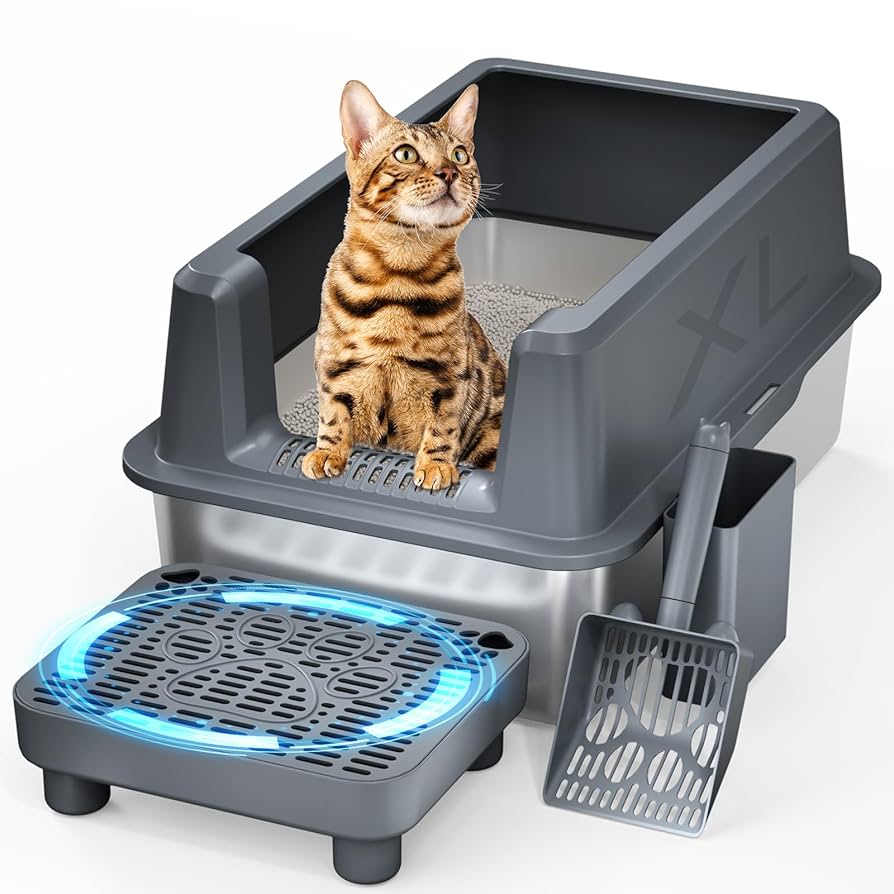
This model features a replaceable carbon filter to trap odor particles before they escape the box.
Credit: www.amazon.com
Features To Look For
Not all enclosed litter boxes are built equal, and prioritizing the right features for your cat’s needs will ensure you get a model that works for both your pet and your household. Focus on functionality, durability, and cat comfort first, rather than extra bells and whistles that may go unused. You can also read our guide on automatic self cleaning cat litter box.
Ventilation Systems
Proper ventilation is non-negotiable for odor control and your cat’s health. Look for models with adjustable air vents on the top or sides of the box, and replaceable activated carbon filters that capture ammonia and dander. Avoid fully sealed boxes with no airflow, as they will trap foul smells inside and create an unappealing space for your cat to use. Some premium models also include anti-odor gel liners that further neutralize smells between cleanings.
Easy Cleaning Mechanisms
Cleaning should be a quick, low-effort task, not a weekly chore. Prioritize models with removable bottom trays that you can lift out without disassembling the entire box, swing-open lids that let you scoop waste without removing the top, and non-stick coatings that prevent litter from clinging to plastic surfaces. For extra convenience, top-access designs let you scoop waste through a small opening on the top of the box, which reduces smell escape while you clean. You can also read our guide on can you train cats like dogs.
Size And Space Considerations
Your cat needs enough room to enter, turn around, and exit the box comfortably without feeling cramped. As a general rule, the interior of the box should be 1.5 times the length of your cat from nose to tail base — for an average 10-pound cat, that equals a minimum of 30 inches of interior length. For households with more than one feline, a multi-cat litter box with extra floor space prevents competition and reduces stress. Pay attention to entry height, too: kittens under 4 months old and senior cats with arthritis need a low entry (under 6 inches), while adult cats can handle 8–10 inch entries.
Entry Type Options
The entry design of an enclosed box has a big impact on both functionality and your cat’s willingness to use it. Front-entry models are the most common, and work for cats of all ages and mobility levels. Top-entry designs eliminate almost all litter scatter and maximize odor containment, but are not suitable for kittens, senior cats, or cats with joint pain who cannot climb into the box. Grated entryways are a middle ground, catching litter on your cat’s paws while remaining easy to access for most cats.
Comparing Different Models
With dozens of enclosed litter boxes on the market, narrowing down your options can feel overwhelming. The right model depends on your budget, household size, cat’s age and mobility, and how much maintenance you’re willing to do. Below is a comparison of the most common model types to help you choose:
| Model Type | Key Pros | Key Cons | Ideal User |
|---|---|---|---|
| Budget Hooded Pan | Low cost ($15–$40), easy to clean, no power needed | Manual scooping only, basic odor control | First-time enclosed box users, single cats on a budget |
| Self-Cleaning Enclosed | Automatic waste removal, minimal odor, low maintenance | Higher upfront cost ($200–$500), requires power outlet | Busy households, multiple cats, people sensitive to smells |
| Top-Entry Enclosed | Near-zero litter scatter, maximum odor containment | Hard for kittens/senior cats to access | Homes with hard flooring, single adult cats with no mobility issues |
| Furniture-Style Enclosed | Blends with home decor, extra storage for supplies | Large footprint, higher cost ($100–$300) | Cat owners who want to hide the box in living spaces |
Top Brands In The Market
A few brands consistently earn high marks from cat owners for durability and performance. Litter-Robot’s self-cleaning models feature a sealed waste drawer that traps odor and requires emptying only once a week for single cats. PetSafe’s ScoopFree line uses disposable litter trays that eliminate the need for scrubbing, making maintenance nearly effortless. For budget buyers, Nature’s Miracle’s hooded pan includes a built-in carbon filter and non-stick coating for under $30, making it a top pick for first-time enclosed box users.
Price Vs. Performance
A higher price does not always mean better performance for your household. For a single adult cat, a $30–$50 hooded pan with a carbon filter will work just as well as a $400 self-cleaning model for odor control and litter containment. Self-cleaning models are worth the investment only if you have 2+ cats, work long hours away from home, or have severe allergies that make litter dust and fumes a problem. When evaluating models, prioritize features that solve your specific pain points over extra features you will never use, like app connectivity or motion sensors.
Customer Reviews And Feedback
Customer reviews are one of the best resources for evaluating real-world performance, as they highlight flaws that product descriptions often omit. Look for consistent complaints about flimsy latches that cats can open, poorly sealed gaps that let smell escape, or entry holes that are too small for larger breeds like Maine Coons. Reviews from other multi-cat owners are especially valuable if you have more than one feline, as they will note how well the box holds up to heavy use. If a model has recurring complaints about poor ventilation or difficult cleaning, it is likely not worth the purchase, even if it has a lower price tag.
Diy Enclosed Litter Box Solutions
Building your own enclosed litter box is a simple, low-cost project that lets you customize the size and design to fit your cat’s specific needs and your home’s decor. A common mistake DIYers make is using unsealed wood or cardboard, which absorbs urine and harbors bacteria over time — stick to durable, non-porous plastic for a long-lasting, hygienic build.
Materials Needed
- 50-quart plastic storage bin (for average cats; larger for big breeds)
- Jigsaw or heavy-duty utility knife for clean cuts
- Sandpaper and pet-safe silicone sealant to smooth rough edges
- Activated carbon filter sheet (cut to size for ventilation)
- Non-toxic, pet-safe paint or vinyl decals for decoration (optional)
- Cat litter and litter mat
Step-by-Step Guide
- Test the entry hole size: cut a 10x12 inch opening for average adult cats; smaller for kittens, larger for big breeds like Maine Coons.
- Smooth all cut edges with sandpaper, then seal with silicone to prevent scratches on your cat’s paws.
- Cut 2–3 small ventilation holes on the top of the lid, cover with cut-to-size carbon filter, and secure with zip ties.
- Add a removable plastic tray inside the box for easy litter changes, and place a litter mat outside the entry to catch stray bits.
- Fill with litter and place the lid on top, leaving the entry open for access. For boxes with a door, start with the door removed for the first week to help your cat adjust.
Budget-Friendly Options
Repurposing old furniture is a great way to create a high-quality enclosed litter box for under $30. A used IKEA cabinet, nightstand, or small end table from a thrift store can be converted with a single entry hole cut into the side and a removable plastic litter tray inside. These furniture-style boxes blend seamlessly with home decor and provide extra space for storing litter and supplies. Cardboard DIY boxes are only suitable for temporary use, as they will absorb urine and need to be replaced every few weeks.
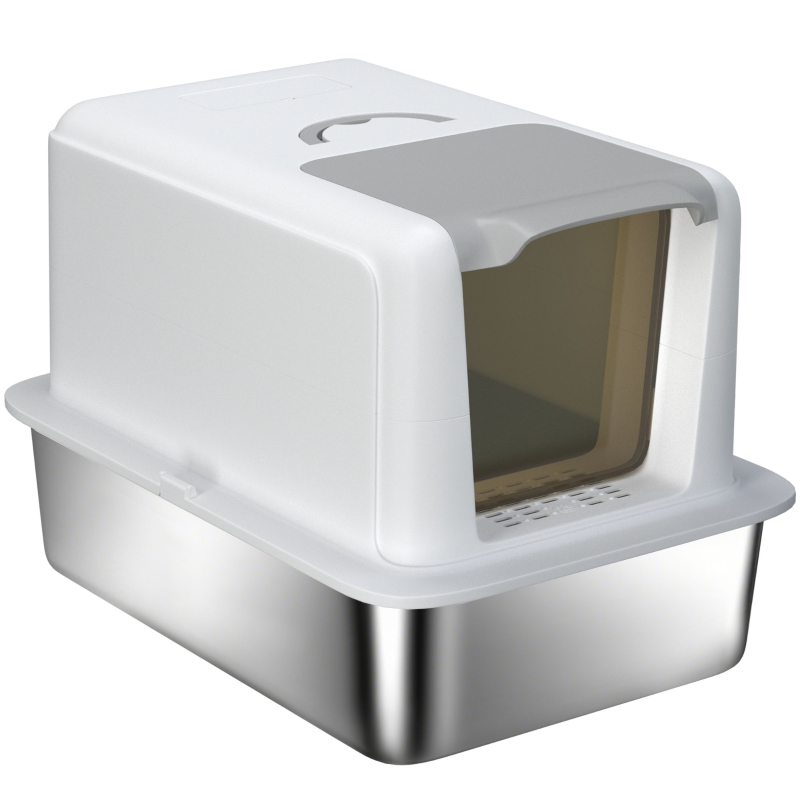
Furniture-style enclosed boxes blend seamlessly with home decor while providing ample space for larger cats.
Credit: www.aosom.com
Maintenance And Cleaning Tips
A well-maintained enclosed litter box will stay odor-free and welcoming for your cat for years, while a neglected box will develop foul smells and deter your cat from using it. Follow these simple guidelines to keep your box in top condition:
Regular Cleaning Schedule
Consistency is key to preventing odor buildup. Scoop solid waste and clumps 1–2 times daily to keep the box inviting for your cat. Replace all litter every 7–10 days (every 5 days for multi-cat households) to prevent bacteria and ammonia from building up. Deep clean the entire box once a month with a 1:1 mix of white vinegar and water, or a pet-safe enzymatic cleaner, to break down stuck-on residue and eliminate lingering smells. Regular cleaning keeps your cat happy and your home odor-free, and reduces the risk of urinary tract issues caused by a dirty bathroom space.
Best Cleaning Products
Avoid harsh chemical cleaners like bleach, ammonia, and essential oil-based products, as these are toxic to cats and can irritate their paws and respiratory system. The Humane Society of the United States recommends sticking to mild, pet-safe options: baking soda is a natural deodorizer that is safe for cats, and enzyme-based cleaners like Rocco & Roxie effectively break down urine odors without harmful chemicals. Never use scented cleaners or air fresheners near the litter box, as strong fragrances can deter your cat from using it entirely.
Preventing Odor Build-up
Beyond regular cleaning, a few small habits will keep odors at bay between deep cleans. Use a high-absorbency clumping litter designed for odor control, and add a layer of baking soda under the litter for extra deodorizing. Place the box in a well-ventilated area of your home, not a closed closet or pantry, to allow air to circulate. Replace the carbon filter in your box every 30 days for consistent performance. If odors persist even with regular cleaning, check for micro-leaks in the box walls or switch to a higher-quality litter that absorbs moisture more effectively.
Training Your Cat
Most cats adapt to an enclosed litter box within 3–7 days, but shy, older, or previously abused cats may take 2–3 weeks to feel comfortable. Patience and positive reinforcement are far more effective than punishment, which will only make your cat avoid the box entirely.
Introducing The Enclosed Box
Start by placing the new enclosed box next to your cat’s old open tray in the same spot. Add a scoop of your cat’s used litter to the new box to make it smell familiar, and leave the door open (or remove the lid entirely) for the first week to reduce intimidation. Let your cat explore the box on their own time, and reward them with treats or playtime when they sniff or enter the new box.
Encouraging Use
Observe your cat’s behavior around the new box, and gently place them inside if they seem hesitant to enter on their own. Praise them immediately after they use the box, and offer a high-value training treat to create a positive association. Keep the litter type the same as your old box for the first few weeks to avoid confusing your cat, and maintain a strict cleaning schedule to keep the box appealing.
Troubleshooting Common Issues
If your cat avoids the enclosed box entirely, check for common barriers first: is the entry too high for kittens or senior cats? Is the box placed in a high-traffic, noisy area? Is the door too narrow for larger breeds? If your cat scratches at the walls of the box, that is a sign of stress, so move the box to a quieter, more private spot. If accidents persist for more than a week, rule out underlying health issues like urinary tract infections with a vet visit, as pain while eliminating can make cats avoid the box entirely.
Environmental And Health Considerations
Beyond convenience, enclosed litter boxes offer benefits for both the planet and your cat’s long-term health, making them a more sustainable and responsible choice than many open-top alternatives.
Eco-Friendly Materials
Many modern enclosed litter boxes are made from recycled polypropylene, a BPA-free, recyclable plastic that reduces waste in landfills. Higher-end models use sustainable materials like bamboo fiber or rapidly renewable plant-based plastics for their frames, which break down faster than traditional petroleum-based plastics. Avoid boxes made with phthalates, which can leach into the environment over time and potentially harm pets.
Impact On Cat Health
Ammonia fumes from urine can cause respiratory irritation, asthma, and chronic coughing in cats, especially brachycephalic breeds like Persians and Himalayans. Enclosed boxes with proper ventilation reduce exposure to these fumes by up to 80%, per guidance from the ASPCA, lowering the risk of respiratory issues. The private, low-stress environment of an enclosed box also reduces anxiety-related urinary tract issues, which are common in multi-cat households where cats feel exposed while eliminating.
Reducing Allergens
Enclosed litter boxes trap up to 90% of litter dust, dander, and airborne odor particles, making them a game-changer for households with allergy sufferers. For people with cat allergies, pairing an enclosed box with a HEPA air purifier can reduce symptoms like sneezing, itchy eyes, and congestion by 40%, per allergist recommendations. The contained design also prevents litter dust from spreading to other areas of the home, reducing overall allergen load.
Frequently Asked Questions
Do Vets Recommend Enclosed Litter Boxes?
Most veterinarians recommend enclosed litter boxes for most cats, as they reduce stress, contain odors, and cut down on litter scatter. That said, cats with arthritis, severe anxiety, or mobility issues may prefer open boxes, so always observe your cat’s preferences and consult your vet if your cat has specific health needs.
Are Cats Ok With An Enclosed Litter Box?
The vast majority of cats adapt well to enclosed litter boxes, especially if introduced gradually. Kittens under 4 months old may need a low-entry model, and senior cats with joint pain may benefit from a ramp added to the entry. Avoid boxes with swinging doors for skittish cats, as the sudden movement can startle them.
How To Keep An Enclosed Litter Box From Smelling?
Beyond daily scooping, use a high-absorbency clumping litter designed for odor control, replace the carbon filter every 30 days, and place a small open box of baking soda near the box (out of reach of cats) to absorb ambient odors. If smells persist, check for micro-leaks in the box walls or switch to a litter with built-in odor-neutralizing additives.
How To Transition A Cat To An Enclosed Litter Box?
Keep your cat’s old open box in the same spot next to the new enclosed box for 1–2 weeks, add a scoop of used litter to the new box to make it smell familiar, and reward your cat with treats when they use the new box. Once they use it consistently, gradually move the new box to its permanent location, then remove the old box entirely. Never remove the old box abruptly, as this can cause accidents.
Conclusion
Enclosed litter boxes are a high-impact, low-cost upgrade that solves two of the most common cat owner pain points: persistent litter odors and messy litter scatter. When choosing a model, prioritize your cat’s specific needs: a low-entry hooded pan for kittens or senior cats, a top-entry design for maximum odor and scatter control, or a self-cleaning model if you have a busy household or multiple cats. If you’re ready to make the switch, browse our guide to the best litter boxes for cats to find a top-rated option that fits your budget and space. Your cat’s comfort — and your home’s freshness — will thank you.