
For most cat owners, litter box maintenance is the least favorite part of pet care. Between sifting through clumped waste, neutralizing stubborn ammonia odors, and scrubbing stuck-on debris from box corners, it’s a chore that can eat up 10 to 15 minutes of your day, multiple times a week—if you don’t have a streamlined, low-effort system in place.
An easy clean cat litter box eliminates most of that hassle, saving you time while keeping your cat happy and your home fresh. In this guide, we’ll walk through exactly how to pick the right box and litter, build a no-fuss daily and weekly maintenance routine, troubleshoot common messes, and even explore automated options if you want to eliminate scooping entirely. Whether you’re a first-time cat owner or tired of fighting with litter box messes, these actionable tips will transform your routine in no time. You can also read our guide on cat grooming how to keep your cat clean and comfortable.
Why an Easy Clean Cat Litter Box Is Worth the Investment
Before diving into product picks and routines, it’s helpful to understand why prioritizing a low-maintenance setup pays off for both you and your cat.
Cats are fastidious creatures, and a dirty litter box is one of the top causes of litter box avoidance, which can lead to accidents on carpets, furniture, and bedding. A box that’s easy to clean encourages you to stay on top of maintenance, reducing the risk of bacterial buildup, ammonia fumes that irritate your cat’s respiratory tract, and unpleasant odors throughout your home. In practice, a well-designed easy clean setup cuts down daily maintenance time by more than half for most households, while also supporting your cat’s natural instincts and overall well-being. You can also read our guide on pet friendly wipes for cats.
Choosing the Right Easy Clean Cat Litter Box
Selecting a litter box built for low maintenance is the first step to cutting down on chore time. A well-chosen box will fit your cat’s size and habits, resist odor absorption, and have design features that make scrubbing and scooping as fast as possible.
Size and Shape Considerations
A common mistake new cat owners make is picking a box that’s too small for their pet. The general rule of thumb is to choose a box that’s at least 1.5 times the length of your cat from nose to the base of their tail, so they have enough space to turn around, dig, and cover their waste comfortably. A cramped box can lead to litter being kicked out of the box as your cat struggles to move, and may even deter them from using it entirely. You can also read our guide on can you train cats like dogs.
When it comes to shape, open-top rectangular boxes are the easiest to clean and access, but some cats prefer the privacy of a covered box or the space-saving design of a corner box. If your cat is skittish or your home has limited space, test a covered or corner box first—just note that covered boxes can trap odors inside, which may deter some cats from using them.
Material and Build Quality
Plastic is the most common litter box material for good reason: it’s lightweight, affordable, and easy to find. But not all plastic is created equal—look for high-density polyethylene (HDPE) plastic, which is scratch-resistant and won’t develop grooves that hold onto waste and odors over time. Avoid thin, porous plastic boxes, as they absorb urine smells quickly and are harder to scrub clean. You can also read our guide on litter boxes for multiple cats.
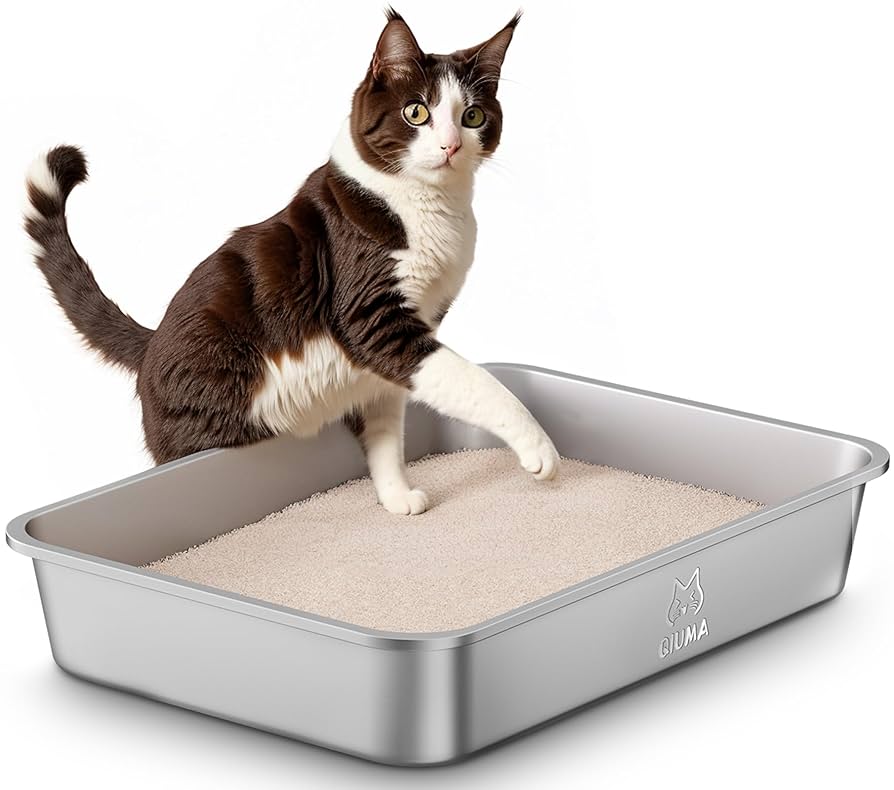
For cats with sensitive paws, allergies, or a tendency to chew on plastic, stainless steel litter boxes are a hypoallergenic, odor-resistant alternative that doesn’t hold onto bacteria the way plastic can. They’re heavier than plastic, so they’re less likely to be dragged across the floor by playful cats, and they can last for years with proper care.
Must-Have Easy-Clean Design Features
When shopping for an easy clean cat litter box, prioritize these design features to cut down on maintenance work:
- Removable liners that let you lift out full bags of waste without scooping individually
- Smooth, non-stick interior surfaces that prevent waste from sticking to corners and edges
- High sides (at least 6 inches tall) to contain litter scatter when your cat digs
- Detachable tops for covered boxes, so you can easily scrub the interior without lifting the entire heavy box
- Built-in waste drawers or compartments that let you scoop waste into a sealed tray without removing the entire litter box
Avoid boxes with tight corners, decorative ridges, or hard-to-reach crevices, as these trap waste and make scrubbing far more time-consuming. You can also read our guide on oral tick treatment for cats.

A scratch-resistant, non-porous litter box interior prevents waste from sticking, cutting down scrubbing time to under 5 minutes per deep clean.
Credit: www.amazon.com

High-sided designs prevent most litter from being kicked out of the box, reducing floor mess significantly for active diggers.
Credit: petcoveshop.com
Selecting the Best Litter for Low-Maintenance Cleaning
The right litter will work with your easy clean box to reduce mess, odor, and maintenance work, while keeping your cat comfortable. Not all litters are created equal, so it’s worth understanding the tradeoffs between different types to find the best fit for your household.
Clumping vs Non-Clumping Litter
Clumping and non-clumping litter each have tradeoffs depending on your cat’s needs and your maintenance preferences.
Clumping litter, most often made from sodium bentonite clay, forms solid, dense clumps when exposed to moisture, so you can scoop out only waste rather than replacing the entire box’s litter each time. This cuts down on litter waste and makes daily maintenance far faster. Opt for low-dust, unscented clumping options to reduce tracking and avoid irritating your cat’s sensitive respiratory tract.
Non-clumping litter, made from materials like silica gel, wood, or paper, absorbs moisture without forming clumps. It’s a safer option for kittens or cats who eat litter, as it won’t cause intestinal blockages if ingested, but it requires a full litter change every 1 to 2 weeks, which is more work long-term. For cats with asthma or allergies, avoid scented litters entirely, as added fragrances can trigger respiratory irritation.
Low-Track and Eco-Friendly Litter Options
If you’re concerned about environmental impact or litter tracking around your home, natural and low-track litter options are a great pick.
Eco-friendly litters made from corn, wheat, pine, or recycled paper are biodegradable, often low-dust, and many form clumps just as effectively as clay litter. The main tradeoff is that many natural litters are lighter and have larger pellets, which can stick to your cat’s paws and be tracked around your home. Pairing these litters with a textured litter mat directly outside the box entrance will catch most debris before it reaches your floors.
For cats with sensitive paws or allergies, avoid litters with added fragrances or harsh chemical deodorizers, as these can cause skin irritation or respiratory issues.
Simple Odor-Boosting Additives
Even with the right litter, a thin layer of odor-neutralizing additive can make a big difference in keeping your box fresh between deep cleans. Baking soda is the most affordable, cat-safe option: sprinkle a thin layer on the bottom of the box before adding litter to neutralize ammonia odors from urine without adding strong scents. For extra odor control, activated charcoal deodorizers target stubborn litter box smells without overwhelming your cat’s sensitive sense of smell, which is 14 times stronger than a human’s. Avoid aerosol sprays or heavily scented deodorizers placed inside the box, as these can turn cats off using the litter box entirely.
Daily Maintenance Routine to Keep Your Box Fresh
A consistent daily routine is the backbone of keeping your easy clean cat litter box low-effort and odor-free. Skipping daily maintenance leads to stubborn odors, waste buildup, and even litter box avoidance from your cat, so even a 2-minute daily routine will save you hours of deep cleaning work down the line.
Efficient Scooping Techniques
Scooping waste at least once every 24 hours is a non-negotiable step for both hygiene and cat comfort: accumulated ammonia from urine can irritate your cat’s sensitive nasal passages and even lead to litter box avoidance, per established small animal care guidelines.
For the fastest, most efficient scooping:
- Use a sturdy metal scoop instead of plastic, as it won’t crack or break over time, and its thin edges make it easier to scrape stuck clumps off the box bottom.
- Sift clean litter back into the box as you scoop to avoid wasting product.
- Dispose of waste in a sealed, lidded trash can placed as close to the box as possible to avoid tracking odors through your home.
A common mistake many owners make is only scooping large, visible clumps: smaller urine clumps can break apart and stick to the box bottom, so run the scoop along the entire surface of the litter to catch all waste.
Odor Control Between Deep Cleans
Beyond regular scooping, these small steps will keep odors from building up between deep cleans:
- Place the litter box in a well-ventilated area, away from closed-in closets or small bathrooms, to let air circulate and reduce lingering smells.
- Only use 2 to 3 inches of litter in the box: overfilling leads to excess litter being tracked around your home, and traps urine at the bottom of the box where it’s harder to scoop out.
- If you use a covered box, wipe the inside of the lid weekly with a pet-safe cleaner to remove stuck-on urine splashes that cause hidden, hard-to-treat odors.
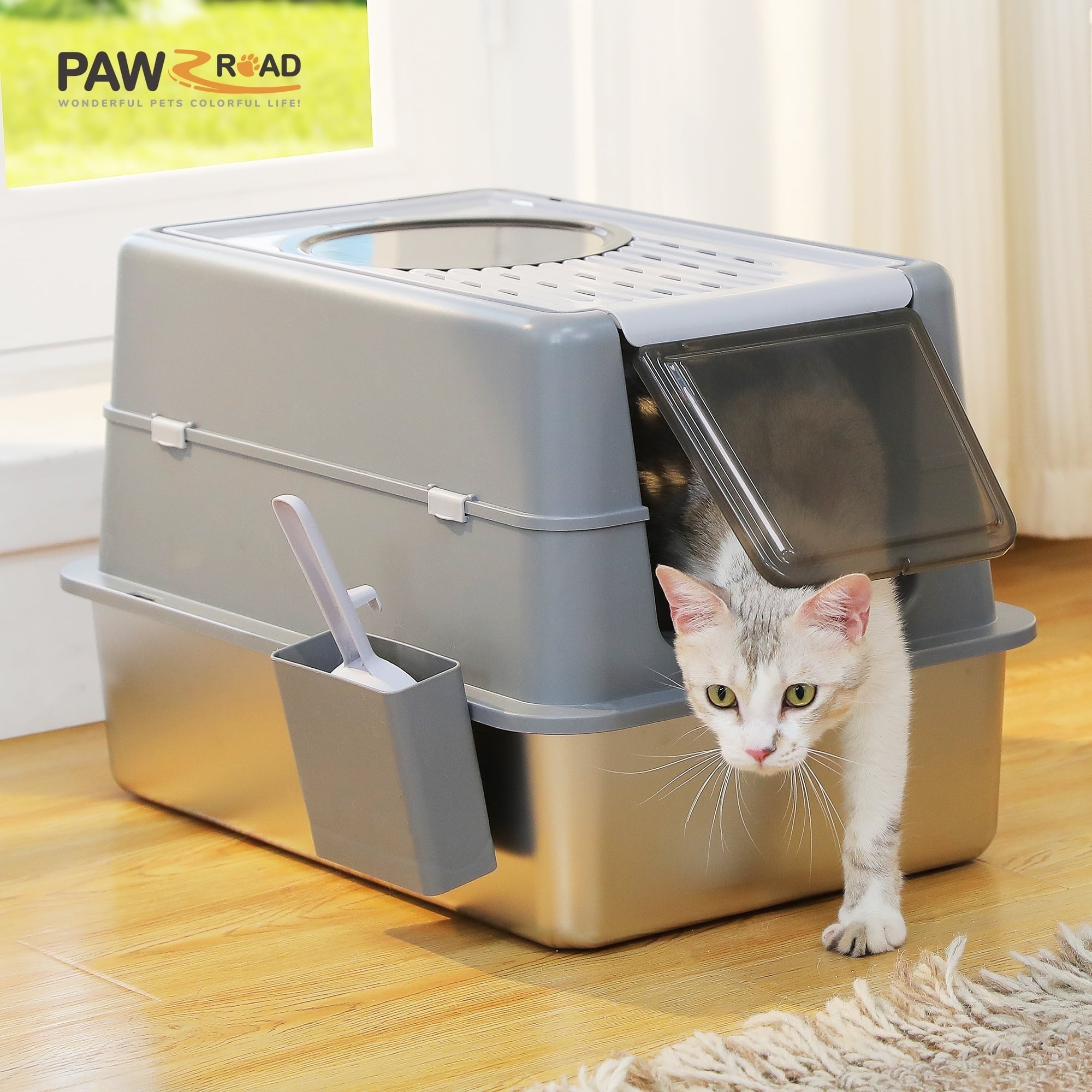
Stainless steel litter boxes resist odor absorption and are easy to scrub without scratching, making them ideal for low-maintenance, multi-cat setups.
Credit: www.walmart.com
Weekly Deep Cleaning for Long-Term Freshness
Even with daily scooping, a weekly deep clean is necessary to remove stuck-on waste, kill bacteria, and keep your box smelling fresh long-term. Deep cleaning only takes 10 to 15 minutes if you have the right tools and routine.
Safe, Cat-Friendly Cleaning Supplies
Never use harsh chemical cleaners like bleach, ammonia, or essential oil-based products on your cat’s litter box. Even small residues of these substances are toxic to cats if ingested or inhaled, and can cause gastrointestinal distress, respiratory irritation, or even organ damage.
Instead, stick to these safe, effective options:
- Unscented dish soap diluted in warm water for general cleaning
- White vinegar for cutting through tough urine stains and neutralizing odors
- Baking soda paste for scrubbing stuck-on debris without scratching the box surface
- A soft plastic putty knife for scraping off caked-on waste without damaging the box
Step-by-Step Deep Cleaning Process
Follow this simple process for a thorough, low-effort deep clean every week:
- Remove all litter from the box and dispose of it in a sealed trash bag. Never flush clumping litter down the toilet, as it expands when wet and can cause severe plumbing clogs and environmental harm, per EPA guidelines.
- Use a putty knife to scrape off any stuck-on waste from the box bottom and corners.
- Scrub the entire interior and exterior of the box with your chosen pet-safe cleaner, paying special attention to corners and the bottom where waste accumulates.
- Rinse the box thoroughly with warm water to remove all soap residue—cats have a strong sense of smell, and even trace amounts of soap can deter them from using the box.
- Dry the box completely with a clean towel before adding fresh litter or a new liner.
If you use litter liners, replace them at this step to ensure no small tears go unnoticed.
Full Litter Change Frequency
How often you need to fully replace all litter depends on the type you use:
- Non-clumping litter: Full change every 1 to 2 weeks, as it doesn’t break down waste, so odors build up quickly even with daily scooping.
- Clumping litter: Full change every 3 to 4 weeks if you scoop daily, as only waste is removed, so the remaining litter stays fresh longer.
If you notice persistent odors even after scooping, or if your cat starts avoiding the box, it’s time for a full change regardless of your regular schedule. For multi-cat households, you’ll need to deep clean each box weekly, and may want to explore multi-cat compatible designs that have larger waste compartments to reduce how often you need to fully empty the box.
Automated Easy Clean Cat Litter Box Options
If you want to eliminate daily scooping entirely, automated self-cleaning and robotic litter boxes are a popular option for busy cat owners. These devices automatically sift waste from clean litter and seal it in a separate compartment, requiring only occasional emptying of the waste drawer. That said, they’re not the right fit for every household, so it’s important to weigh the pros and cons before investing.
Pros and Cons of Self-Cleaning Models
Self-cleaning litter boxes offer major convenience benefits, but come with tradeoffs to consider:
Pros
- Eliminates daily scooping entirely, saving you 2 to 3 minutes a day, every day
- Seals waste in a separate, airtight compartment to reduce odors far more effectively than traditional boxes
- Many models include app alerts to let you know when the waste drawer is full, so you never have to guess when it needs emptying
- Some models have built-in carbon filters to neutralize odors without extra deodorizing products
Cons
- High upfront cost, with most models ranging from $100 to $600, and premium robotic models costing even more
- Most require specific clumping clay litter, so you can’t use natural or non-clumping options
- Mechanical parts can break over time, requiring costly repairs
- The noise of the cleaning cycle can scare skittish cats, and some pets never adjust to the automated motion, refusing to use the box entirely
A common mistake is assuming all cats will adapt to a self-cleaning box: if you have an anxious or skittish cat, test a low-cost model first before investing in a high-end option.
Key Features to Look For
If you decide an automated box is right for you, prioritize these features to get the most value for your money:
- Safety sensors that stop the cleaning cycle immediately if your cat is inside the box, to prevent injury
- Quiet operation (under 50 decibels) to avoid startling your cat
- Large waste drawers that only need emptying every 1 to 2 weeks for single cats, or every few days for multi-cat homes
- Easy-to-dispose waste cartridges that don’t require you to touch waste directly
- Wi-Fi connectivity and app alerts for low-waste notifications, so you never come home to a full drawer
- Compatibility with your preferred litter type, if you don’t want to switch to standard clay clumping litter
Are Self-Cleaning Boxes Worth the Investment?
For frequent travelers, pet owners with mobility limitations that make scooping difficult, or anyone who hates the mess and odor of traditional litter boxes, a self-cleaning model is almost always worth the upfront cost. The time saved over the life of the box adds up quickly, and the reduced odor is a major quality-of-life improvement for both you and your cat.
For casual owners who don’t mind 2 to 3 minutes of daily scooping, a high-quality traditional easy clean box is far more cost-effective. To compare options that fit different budgets and cat temperaments, check out our roundup of top-rated self-cleaning models and robotic litter boxes to find the right fit for your home.
Training Your Cat to Use a New Litter Box
Cats are creatures of habit, so any change to their litter box setup—whether it’s a new box, new litter, or a new location—can cause temporary resistance. With patience and positive reinforcement, you can help your cat adjust to their new easy clean box in just a few days.
Smooth Transition Tips
The easiest way to transition your cat to a new box is to make the change gradual:
- Place the new easy clean box next to the old one for 3 to 7 days, so your cat can get used to its look and smell.
- Keep the old box clean during this period, so your cat doesn’t reject it out of frustration.
- Once you see your cat using the new box consistently, remove the old box.
- If you’re switching litter types at the same time, mix a small amount of the new litter in with the old litter for the first week to help your cat adjust to the new texture and scent.
Encouraging Consistent Use
To build a positive association with the new box, reward your cat with small treats or praise immediately after they use it correctly. Never punish your cat for accidents outside the box—this will make them fearful of using any litter box, and make the problem worse.
If your cat has a preferred spot in your home where they like to eliminate, place the new box there first, then gradually move it a few inches each day toward your desired location to avoid upsetting their routine.
Addressing Common Behavioral Hiccups
If your cat resists using the new box, first rule out medical issues: pain from arthritis, urinary tract infections, constipation, or other health problems can make using the box uncomfortable, so consult your vet if avoidance is sudden or accompanied by other symptoms like vocalizing while using the box or blood in urine.
If medical issues are ruled out, adjust these factors to meet your cat’s preferences:
- Move the box to a quiet, low-traffic location away from loud appliances or busy hallways
- Try a different litter type or box style (some cats dislike covered boxes, others prefer the privacy)
- If your cat kicks litter aggressively, switch to a high-sided box or add a litter mat to contain mess
Using positive reinforcement training methods is far more effective than punishment for encouraging consistent litter box use, as cats respond best to reward-based learning.
Troubleshooting Common Litter Box Issues
Even with the best setup, occasional litter box issues are normal. Here’s how to fix the most common problems fast.
Reducing Litter Scatter
Litter scatter is one of the most common complaints from cat owners, but it’s easy to minimize with these tweaks:
- Place a textured, non-slip litter mat directly outside the box entrance to catch litter on your cat’s paws as they exit. Look for a mat with a raised lip to contain stray pieces that fall off.
- If your cat kicks litter out aggressively, switch to a high-sided box or a model with a grated top that catches litter on their paws as they exit.
- Choose a heavier, low-track clumping litter that’s less likely to stick to paws and be carried around your home.
- Avoid placing the box on carpet, as litter can get trapped in fibers and be much harder to clean up.
Fixing Persistent Odor Problems
If you scoop daily but still struggle with strong odors, the issue is likely with your box or routine, not the litter:
- Plastic litter boxes absorb urine smells over time, even with regular scrubbing. Replace plastic boxes every 1 to 2 years, or switch to stainless steel, which doesn’t hold onto odors at all.
- Check that you’re not overfilling the box: 2 to 3 inches of litter is ideal. Excess litter traps urine at the bottom of the box, making it impossible to scoop all clumps and leading to hidden odor buildup.
- If you use a covered box, wipe the inside of the lid weekly with a pet-safe cleaner: urine often splashes onto the top of the hood, where it breeds bacteria and causes strong, hidden odors.
If odors are a persistent issue even with regular cleaning, a box built for superior odor control can make a big difference, with features like carbon filters and sealed waste compartments that trap smells before they spread through your home.
Managing Litter Boxes for Multiple Cats
The golden rule for multi-cat homes is one litter box per cat, plus one extra box. This prevents overcrowding, reduces territorial disputes, and ensures no cat has to wait to use the box, which can lead to accidents.
Place boxes in separate, quiet locations around your home so each cat has privacy when using the bathroom. Avoid placing boxes near loud appliances, high-traffic hallways, or your cat’s food and water bowls, as cats don’t like to eliminate near where they eat.
For multi-cat households, self-cleaning boxes with large waste compartments can reduce how often you need to empty them, and you can explore options designed for multi-pet households that are built to handle higher waste volume without needing frequent deep cleans.
Frequently Asked Questions
What is the easiest cat litter to clean up?
Clumping clay litter is the easiest to clean, as it forms solid, dense clumps when exposed to moisture, so you can scoop out only waste rather than replacing the entire box’s litter each time. Look for low-dust, unscented clumping options to reduce tracking and avoid irritating your cat’s respiratory tract. Natural clumping litters made from corn or wheat are also low-mess and biodegradable, though they may be slightly less dense than clay clumps. For kittens or cats who eat litter, non-clumping paper litter is a safe, easy-to-scoop option that won’t cause intestinal blockages if ingested.
What is the least messy litter box setup?
The least messy setup combines three key elements: a high-sided easy clean litter box, a weighted non-slip litter mat placed directly outside the entrance to catch paw debris, and a low-track clumping litter. For zero daily scooping, a self-cleaning or robotic litter box is the least messy option, as it automatically removes waste and seals it in a separate compartment. You can compare leading robotic options to find one that fits your space and budget.
Is a self-cleaning cat litter box worth it?
For busy professionals, frequent travelers, or pet owners with mobility limitations that make scooping difficult, a self-cleaning box is almost always worth the upfront cost, as it eliminates daily scooping and reduces odor significantly. For casual owners who don’t mind 2 to 3 minutes of daily scooping, a traditional easy clean box is more cost-effective. Keep in mind that self-cleaning boxes require specific clumping litter, and some skittish cats may never adjust to the noise of the cleaning mechanism, so test a lower-cost model first if you’re unsure. You can review our picks for the best automatic models to see options that work for different cat temperaments and budgets.
How do I make my current litter box easier to clean?
Start by switching to a low-dust clumping litter, which forms solid clumps that are easy to scoop without sifting through excess clean litter. Add a removable liner to the box, so you can lift out the entire liner of waste instead of scooping individually. Keep a small trash can with a lid next to the box for quick disposal, and sprinkle a thin layer of baking soda on the bottom of the box before adding litter to neutralize odors. If your current box has scratches or porous areas that hold onto waste, replace it with a smooth, scratch-resistant model—you can find affordable options at major pet retailers.
Final Thoughts
Maintaining an easy clean cat litter box doesn’t have to be a dreaded chore. By picking a box with the right size, material, and easy-clean features, pairing it with low-mess clumping litter, and sticking to a simple daily and weekly maintenance routine, you can cut down maintenance time by more than half while keeping your cat happy and your home odor-free.
If you hate daily scooping, automated self-cleaning or robotic boxes are a worthwhile investment that eliminates the chore entirely. For cats who resist new boxes, gradual transitions and positive reinforcement will help them adjust in just a few days.
Ready to upgrade your litter box routine? Browse our curated picks for the top-rated easy clean litter boxes to find a model that fits your space, budget, and your cat’s needs, and say goodbye to litter box messes for good.