
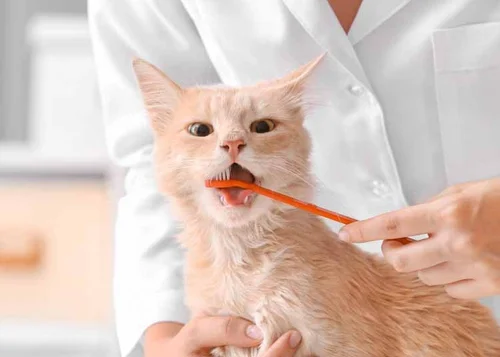
A bright, healthy smile isn’t just for humans — it’s a core part of your cat’s overall well-being, too. If you’ve ever wondered how often you should brush your cat’s teeth, you’re not alone: many cat owners assume feline dental care is unnecessary, or only needed for older pets. But clinical observations from veterinary dentists confirm that most cats develop preventable dental disease by their third year if they don’t receive regular at-home care.
Brushing is the single most effective way to prevent painful, costly oral health issues, but it can feel intimidating if your cat resists close contact. In this guide, we’ll break down the exact brushing frequency recommended by veterinary experts, share practical, low-stress tips to turn brushing into a positive routine for both you and your cat, and cover how to spot early warning signs of dental trouble. You can also read our guide on how often to brush cats teeth.
Why Cat Dental Care Is Non-Negotiable
Many cat owners underestimate how much oral health impacts their pet’s overall quality of life. Cats are masters at hiding pain, so by the time you notice signs of discomfort — like bad breath or dropping food — dental disease is often already moderate to severe.
Untreated dental issues don’t stay confined to the mouth. Bacteria from infected gums can enter the bloodstream, traveling to vital organs like the kidneys, heart, and liver, where they can cause chronic, life-threatening conditions. Regular brushing disrupts plaque buildup before it hardens into tartar (a process that can start in as little as 24 to 72 hours), reducing the risk of gingivitis, periodontal disease, tooth resorption, and even systemic infection. In practice, cats that receive consistent at-home dental care often require fewer expensive professional cleanings and experience a higher quality of life as they age.

Start with short, positive brushing sessions to build your cat’s tolerance over time.
Credit: www.purina.com
Official Recommended Brushing Frequency For Cats
The short answer, backed by the American Veterinary Medical Association’s pet dental care guidelines, is: brush your cat’s teeth daily for optimal oral health.
If daily brushing feels unmanageable due to your cat’s tolerance level or your schedule, aim for a minimum of three to four sessions per week. This frequency is enough to disrupt soft plaque before it hardens into tartar, which cannot be removed by brushing alone and requires a professional veterinary cleaning to eliminate.
It’s important to note that this is a general guideline: cats with existing dental disease, senior cats with sensitive gums, or cats with severe anxiety may need a modified frequency tailored by your veterinarian. Never force daily brushing if it’s causing your cat extreme stress, as this can create long-term negative associations with handling and do more harm than good.
What Happens If You Skip Regular Brushing?
Plaque buildup is the root of almost all feline dental disease. Within 24 to 72 hours of not brushing, soft plaque begins to mineralize into rough, porous tartar that sticks to teeth above and below the gum line. Tartar buildup irritates the gums, leading to gingivitis (inflammation, redness, and bleeding), which can progress to periodontal disease — a condition that destroys the bone and tissue supporting the teeth, eventually leading to tooth loss.
Beyond oral pain, chronic dental disease has been linked to chronic kidney disease and heart murmurs in cats, as oral bacteria spreads through the bloodstream to these organs. The cost of treating advanced dental disease (including extractions and long-term medication) can easily exceed $1,000, making regular brushing one of the most cost-effective things you can do for your cat’s long-term health.
Adjusting Frequency For Special Needs Cats
Not all cats fit the standard daily brushing recommendation, and that’s okay. Your veterinarian can help you adjust your routine to fit your cat’s unique needs:
- Kittens: Start with 1 to 2 short sessions per week to build positive associations early, rather than forcing daily brushing before they’re comfortable with handling.
- Cats with existing dental disease: Your vet may recommend gentler, shorter brushing sessions paired with plaque-control wipes to avoid irritating inflamed gums, plus more frequent professional cleanings.
- Cats with severe anxiety: If brushing causes extreme stress, work with your vet to prioritize low-stress desensitization first, and use other dental care products as a supplement rather than forcing daily sessions.
How To Build A Low-Stress Brushing Routine Your Cat Will Tolerate
Brushing doesn’t have to be a battle: with the right approach, most cats will learn to tolerate (or even enjoy) the routine over time. The key is to go at your cat’s pace, prioritize positive reinforcement, and avoid common mistakes that create negative associations.
Choose The Right Tools First
Using the correct tools makes brushing far easier and more comfortable for both you and your cat. Skip human toothbrushes and toothpaste entirely: human toothpaste contains toxic ingredients like fluoride, xylitol, and baking soda that can harm your cat if swallowed, and human toothbrushes are too large and abrasive for feline mouths.
Instead, opt for:
- A soft-bristled, cat-specific long-handled toothbrush: These have a small head and angled neck to reach your cat’s back molars without straining your wrist or startling them.
- A finger brush: Ideal for cats that tolerate close face contact, these slip over your finger for precise, gentle cleaning of front teeth and gum lines.
- Enzymatic cat toothpaste: Formulated to be safe if swallowed, these pastes come in cat-friendly flavors like poultry, fish, or catnip, and contain enzymes that break down plaque on contact. Always use a feline-safe dental paste — never substitute with human products.

Long-handled toothbrushes let you reach your cat’s back molars without straining your wrist or startling them.
Credit: www.thesprucepets.com
Step-By-Step Desensitization For Brushing Reluctant Cats
Most cats resist brushing not because they’re stubborn, but because they’re unfamiliar with the sensation of having their mouth handled. Rushing the process is the most common mistake owners make: it creates a negative association that makes future sessions far harder. Instead, use reward-based training methods to build tolerance over 2 to 4 weeks, with these steps:
- Week 1: Familiarization Let your cat sniff and play with the toothbrush, and dip the bristles in a small amount of tuna water or cat toothpaste to make it appealing. Do not touch their mouth yet; reward them with high-value training treats for interacting with the brush calmly.
- Week 2: Mouth Introduction Gently lift your cat’s lip for 1 to 2 seconds, then immediately reward them. Repeat 3 to 5 times per session, stopping if your cat shows signs of stress (flattened ears, tail flicking, trying to escape).
- Week 3: Brush Contact Touch the soft bristles to the front of your cat’s canine teeth (the "fangs") for 1 to 2 seconds, then reward. Gradually increase the time to 5 to 10 seconds as they get comfortable.
- Week 4: Full Brushing Once your cat tolerates the brush on their front teeth, work back to the molars, using small, gentle circular motions on the outer surfaces of the teeth only. The inner surfaces are mostly cleaned by your cat’s tongue, so you don’t need to scrub every tooth perfectly each time.
Consistency and positive reinforcement are far more important than perfection: even 10 seconds of brushing a few times a week is better than forcing a 2-minute session that leaves your cat terrified of handling.
Let your cat taste and sniff cat toothpaste before introducing the brush to build positive association.
Credit: www.instagram.com

Tips For A Positive Brushing Experience
- Time brushing for when your cat is calm, like after a play session or before a meal, when they’ll be motivated by a reward afterward.
- Never force the brush into your cat’s mouth, or punish them for resisting: this will make them associate brushing with fear and pain.
- Keep sessions short at first, and end on a positive note with pets, play, or a high-value treat.
- If your cat still refuses all at-home brushing, reach out to a low-stress grooming support or your vet’s tech team, who can perform gentle, professional brushing for a small fee.
Common Cat Dental Problems Preventable With Regular Brushing
Regular brushing drastically reduces your cat’s risk of developing painful, costly dental conditions. The most common preventable issues include:
| Condition | Signs To Watch For | Prevention With Brushing |
|---|---|---|
| Gingivitis | Red, bleeding gums, bad breath | Daily brushing removes plaque from the gum line before inflammation starts |
| Periodontal disease | Loose teeth, drooling, difficulty eating, jaw swelling | Brushing disrupts plaque buildup that erodes the bone supporting the teeth |
| Tooth resorption | Cats pawing at their mouth, dropping food, red gums at the base of a tooth | Regular cleaning reduces the chronic inflammation that triggers resorption |
| Stomatitis | Severe mouth pain, drooling, refusal to eat, bleeding gums | Consistent brushing reduces overall bacterial load that causes severe inflammation |
If you notice any of these signs, book a vet appointment immediately: early intervention can often reverse early-stage gingivitis, and reduce the need for extractions or long-term treatment.
Supplemental Dental Care Tips To Pair With Brushing
Brushing is the foundation of your cat’s dental health, but a few additional strategies can further reduce their risk of disease and make brushing easier over time.
Optimize Your Cat’s Diet For Dental Health
What your cat eats plays a big role in their oral health. Dry, chew-focused kibble helps scrape plaque off teeth as your cat chews, while wet food is soft and leaves more residue on the teeth. If you feed a primarily wet diet, opt for nutritionally complete wet options to ensure your cat gets balanced nutrition, and talk to your vet about adding chew-focused dry options a few times a week to promote chewing. You can also choose a dental-specific kibble formulated to reduce tartar buildup.
Avoid feeding table scraps, especially soft, sticky human foods, which cling to teeth and feed plaque-causing bacteria. Look for dental treats and chews with the Veterinary Oral Health Council (VOHC) seal of approval, which indicates they’ve been independently tested to reduce plaque and tartar VOHC’s approved product list.
Schedule Regular Professional Dental Cleanings
Even with perfect at-home brushing, most cats need an annual or semi-annual professional dental cleaning under anesthesia from their veterinarian. These cleanings remove tartar from below the gum line, where brushing can’t reach, and let your vet spot early signs of disease you might miss at home.
During routine check-ups, ask your vet to do a full oral exam: they can spot early-stage gingivitis or tooth resorption long before you notice symptoms at home, and adjust your brushing routine or treatment plan as needed.
Use Dental Care Products As Supplements, Not Replacements
Dental wipes, water additives, and dental chews can help reduce plaque buildup between brushing sessions, but they are not a replacement for brushing. Look for products with the VOHC seal to ensure they’re proven effective, and always introduce new products slowly to avoid stomach upset.
Frequently Asked Questions
Is it really necessary to brush my cat’s teeth?
Yes. Brushing is the only at-home method that removes plaque from the gum line, where most dental disease starts. While dental treats and wipes can supplement brushing, they can’t replace it entirely for optimal oral health.
How often should I brush my cat’s teeth if they hate it?
If your cat resists brushing, prioritize short, positive sessions 3 to 4 times a week rather than forcing daily brushing, which can create long-term fear. Pair brushing with high-value treats, and work on desensitization over several weeks rather than expecting immediate tolerance.
Is it ever too late to start brushing an older cat?
No. Even cats with existing dental disease can benefit from gentle, vet-approved brushing to slow further damage. Work with your veterinarian to adjust your technique for sensitive gums, and pair brushing with gentle oral care wipes as needed.
Does wet food cause more dental problems than dry food?
Wet food is soft and leaves more residue on teeth than dry kibble, but it’s still a healthy part of most cats’ diets. If you feed wet food, prioritize regular brushing and consider adding chew-focused dry food or VOHC-approved dental treats to reduce plaque buildup.
How often does my cat need a professional dental cleaning?
Most cats need an annual professional cleaning under anesthesia, but cats with a history of dental disease may need cleanings every 6 months. Your veterinarian can recommend a schedule based on your cat’s age, breed, and oral health status.
Conclusion
Brushing your cat’s teeth doesn’t have to be a stressful chore: with the right tools, a slow desensitization process, and consistent positive reinforcement, it can become a quick, low-fuss part of your cat care routine that adds years to their life.
The recommended daily brushing frequency is the gold standard for preventing painful, costly dental disease, but even 3 to 4 sessions per week will make a meaningful difference for most cats. Pair at-home brushing with regular veterinary check-ups and a diet that supports chewing, and you’ll set your cat up for a lifetime of better oral and overall health.
Ready to start your cat’s dental care routine? Book a dental check-up with your veterinarian this month to rule out existing oral issues, and pick up a cat-specific toothbrush and enzymatic toothpaste on your next pet supply run.