
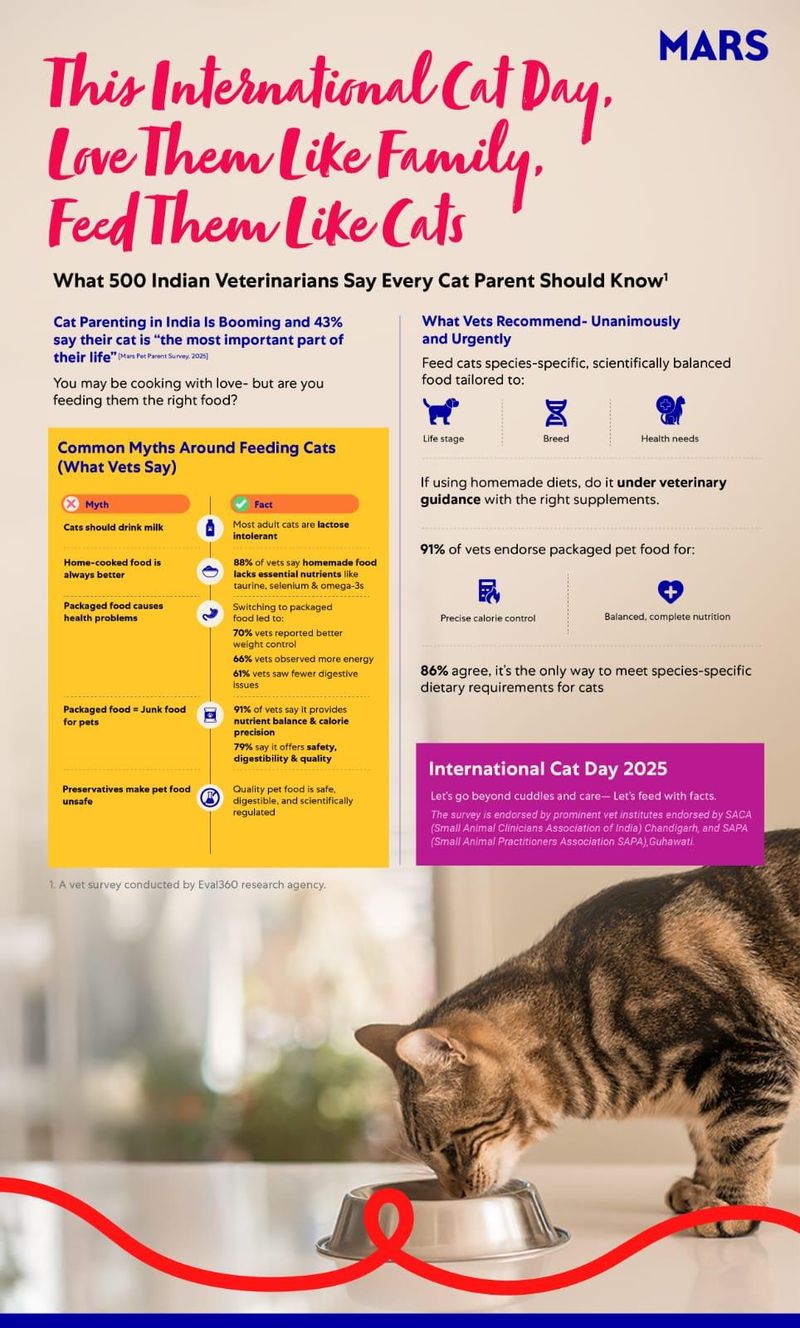
When it comes to your beloved feline friend, you want nothing but the best, especially when it comes to their nutrition. But have you ever wondered if vets agree on what's best for your cat’s diet?
Navigating the world of cat nutrition can be confusing, with countless opinions and products vying for your attention. The good news is that you’re not alone in wanting clarity and assurance. Imagine knowing exactly what vets recommend, giving you peace of mind and ensuring your cat leads a happy, healthy life.
Stick around as we dive into the world of feline nutrition and discover what veterinary experts have to say. You’ll find valuable insights that could transform your approach to your cat's well-being. Are you ready to unlock the secrets to optimal cat nutrition? Let's explore together!
Importance Of Cat Nutrition
Vets emphasize the importance of balanced cat nutrition for optimal health. Proper nutrients support growth, energy, and well-being. They agree that a diet rich in protein and essential vitamins is vital for cats.
Cat nutrition is a vital aspect of feline care. Proper nutrition affects a cat's overall well-being. Balanced diets support their health and activity levels. Vets emphasize the importance of a well-rounded diet.
Impact On Health And Longevity
A nutritious diet directly impacts a cat's health. It can boost their immune system. Cats with balanced diets live longer, healthier lives. Proper nutrition helps prevent diseases. It aids in maintaining a healthy weight. Obesity in cats can lead to serious health issues. A well-fed cat is often more energetic and playful.
Essential Nutrients For Cats
Cats need specific nutrients for optimal health. Proteins are crucial for their growth and repair. Amino acids like taurine are essential. Cats cannot produce taurine on their own. Deficiency can lead to heart problems. Fats provide them with energy. They also support a shiny, healthy coat. Vitamins and minerals are equally important. They contribute to strong bones and teeth. Always ensure your cat gets a balanced diet.
Common Nutritional Needs
Vets often agree on essential cat nutrition needs. Cats require protein for growth and maintenance. Taurine is crucial for heart and vision health.
Cats are unique creatures with specific nutritional needs. These requirements ensure they stay healthy and active. Understanding these common nutritional needs can help pet owners make informed choices. Consulting with vets can clarify these needs and provide guidance.
Protein Requirements
Cats need high protein levels in their diet. They are obligate carnivores, meaning they thrive on meat. Protein supports muscle growth and repair. It also helps in maintaining a healthy coat and skin. Vets recommend animal-based proteins for optimal health.
Vitamins And Minerals
Vitamins and minerals are essential for feline health. They support various bodily functions. Vitamin A is crucial for vision and immune health. Calcium and phosphorus strengthen bones and teeth. Taurine, a special amino acid, is vital for heart health. Vets emphasize balanced intake to prevent deficiencies.
Diverse Opinions Among Vets
Cat nutrition is a hot topic among veterinarians. Opinions vary widely. Some vets focus on raw diets, while others prefer cooked meals. There's also a debate between commercial and homemade diets. Let's explore these diverse opinions.
Raw Vs. Cooked Diet Debate
The choice between raw and cooked diets sparks much discussion. Raw diets can mimic a cat's natural eating habits. Advocates say raw food is more natural and less processed. They believe it retains essential nutrients. Yet, many vets worry about raw diets.
They highlight risks of bacteria and parasites. Cooking food can kill harmful pathogens. Cooked diets may offer a safer option. They can be easier to digest. This debate remains a point of contention among experts.
Commercial Vs. Homemade Diets
Commercial diets provide convenience and consistency. They're widely available and nutritionally balanced. Many vets recommend them for busy pet owners. But some vets question their ingredients. They express concerns about artificial additives and preservatives.
Homemade diets allow more control over ingredients. Owners can tailor meals to their cats' needs. Yet, ensuring a balanced diet can be challenging. It requires careful planning and knowledge of feline nutrition. This makes homemade diets a complex choice for some.

Credit: www.instagram.com
Feeding Practices
Feeding practices for cats can stir up quite the debate among veterinarians and pet owners alike. While most vets agree on the basics of cat nutrition, the specifics of feeding practices can vary significantly. Each cat is unique, and understanding the nuances of meal frequency, portion control, and food choices can make a difference in your pet's health and happiness.
Meal Frequency And Portion Control
How often should you feed your cat? This question can spark diverse opinions among vets. Some recommend multiple small meals throughout the day to mimic a cat's natural hunting instincts. Others suggest two main meals to help with portion control and prevent overeating.
Consider your cat's age, activity level, and health needs when deciding. Kittens, for instance, need more frequent meals compared to adult cats. Monitoring your cat's weight and adjusting portions can prevent obesity or underfeeding.
Wet Vs. Dry Food Choices
Choosing between wet and dry cat food is another topic with differing opinions. Wet food generally has higher moisture content, which can be beneficial for hydration, especially in cats prone to urinary issues. It also tends to have fewer carbohydrates.
Dry food, on the other hand, offers convenience and can be better for dental health. Some cats prefer the crunchiness and it can be left out longer without spoiling. Balancing both types can provide nutritional variety.
Have you ever noticed your cat's preference? Observing your cat's eating habits can offer clues about their ideal diet. Mixing wet and dry food might cater to both your cat's taste and their health needs.
Addressing Dietary Health Issues
Vets often debate the ideal cat nutrition. Balanced diets are crucial for feline health. Opinions vary, but protein remains essential.
Addressing dietary health issues in cats is a topic that often sees varied opinions among veterinarians. While many vets agree on the basics of cat nutrition, addressing specific health issues can be more complex. Different cats have different needs, and what works for one might not work for another. So, how do you ensure your cat's diet is meeting its health requirements? Let's explore some common dietary health concerns and how they can be managed.
Managing Obesity
Obesity in cats is more common than you might think. A chubby cat may look adorable, but extra weight can lead to serious health problems like diabetes or joint issues. To manage obesity, consider switching to a high-protein, low-carb diet. Cats are obligate carnivores, meaning they thrive on protein-rich foods. Regular exercise also plays a crucial role. Engage your cat with toys or interactive play to keep them active. Are you feeding your cat out of habit rather than hunger? Limiting treats and opting for scheduled feedings can help control calorie intake.
Handling Allergies And Sensitivities
Does your cat scratch incessantly or experience digestive troubles? It could be allergies or food sensitivities. Identifying the allergen is the first step. Common culprits include beef, chicken, or grains. A vet might recommend an elimination diet to pinpoint the problem. Once identified, switch to hypoallergenic or limited-ingredient foods. These are designed to minimize reactions and ease your cat's discomfort. Reading labels becomes critical—do you know what's in your cat's food? Ensuring quality ingredients can make a significant difference in their health. Balancing the right diet for your cat can be challenging but highly rewarding. By addressing these specific issues, you can enhance your cat's quality of life and longevity.
Trends In Cat Nutrition
Understanding cat nutrition trends helps in caring for your feline friend. Vets discuss various diets and supplements that may benefit cats. These trends aim to improve cat health and well-being. Learn about popular nutrition trends that vets often consider.
Grain-free Diets
Grain-free diets gain popularity among cat owners. Many believe grains can cause allergies in cats. These diets focus on high protein and low carbohydrates. Cats are natural carnivores, needing protein for their energy. Some vets support grain-free diets, while others advise caution. Not all cats need a grain-free diet. Consult your vet before switching your cat's food.
Inclusion Of Supplements
Supplements in cat diets are becoming a trend. They may include vitamins and minerals to boost health. Omega-3 fatty acids support coat and skin health. Taurine is essential for heart and eye health. Probiotics aid digestion and improve gut health. Vets recommend supplements based on individual cat needs. Always discuss supplement use with your vet to ensure safety.
Expert Recommendations
Experts in cat nutrition often provide varied opinions. Many vets agree on balanced diets tailored to individual feline needs. Essential nutrients like proteins, vitamins, and minerals are crucial for optimal health.
When it comes to cat nutrition, expert recommendations are crucial in ensuring your feline friend stays healthy and happy. Veterinarians and veterinary nutritionists offer insights that can guide you in making the best dietary choices for your cat. By understanding their advice, you can tailor a diet that meets your cat's unique needs.
Consulting With Veterinary Nutritionists
Speaking with a veterinary nutritionist can be eye-opening. These experts have specialized training in pet nutrition and can provide detailed guidance on what your cat needs. They can assess your cat's health, lifestyle, and any specific dietary requirements to recommend the most suitable food options. Imagine your cat thriving on a diet specifically crafted for its individual needs. Veterinary nutritionists can make that happen by analyzing everything from protein levels to fat content. This consultation can be particularly beneficial if your cat has health issues that require a specialized diet.
Tailoring Diet To Individual Needs
Every cat is unique, and so are their dietary needs. While generic cat food may work for some, others might require a more tailored approach. Factors such as age, activity level, and medical conditions play a significant role in determining the right diet. For instance, an older cat may benefit from a diet rich in joint-supporting nutrients, while a younger, more active cat might need higher protein intake. By understanding and addressing these individual needs, you can help your cat live a longer, healthier life. Have you ever noticed changes in your cat's behavior or health after switching their diet? Such observations can be key indicators that adjustments are needed. By staying attentive and consulting with professionals, you can ensure your cat's nutritional needs are consistently met.
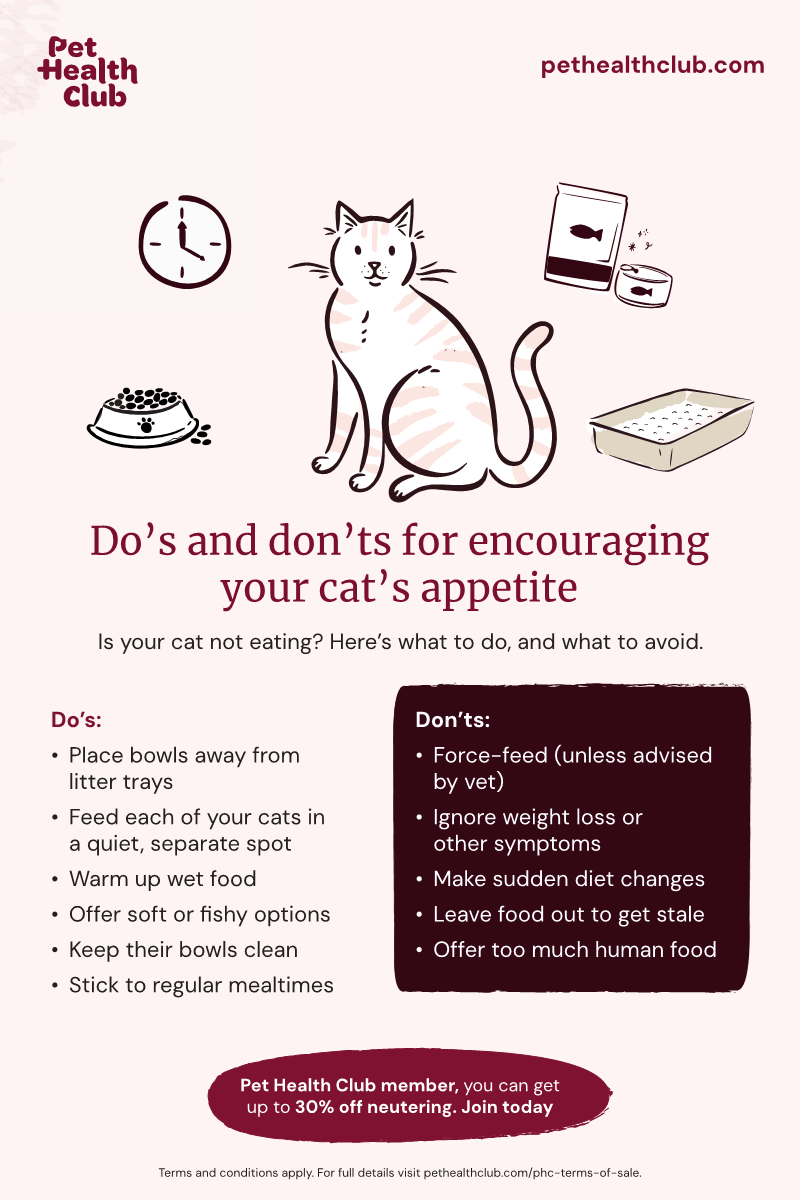
Credit: www.pethealthclub.com
.jpeg)
Credit: news.gainfocuspr.com
Frequently Asked Questions
What Do Vets Recommend You Feed Your Cat?
Vets recommend feeding your cat a balanced diet with high-quality protein, essential nutrients, and minimal fillers. Choose wet or dry food specifically formulated for cats. Ensure fresh water is always available. Consult your vet for specific dietary needs based on your cat's age, health, and lifestyle.
Are Vets Trained In Animal Nutrition?
Yes, vets receive training in animal nutrition. They learn basics during veterinary school. Some vets pursue specialized courses for deeper knowledge. Proper nutrition is crucial for animal health and wellbeing. Vets can offer dietary advice and create nutrition plans tailored to specific animal needs.
Why Are Vets Against Raw Diets For Cats?
Vets oppose raw diets for cats due to risks of bacterial infections and nutritional imbalances. Raw food may contain pathogens harmful to pets. Proper nutrient balance is challenging, leading to deficiencies. Cooked diets offer safer alternatives, ensuring cats receive essential nutrients without health risks associated with raw food consumption.
Is Cat Food Actually Healthy For Cats?
Cat food is generally healthy when it meets AAFCO standards. It provides essential nutrients for cats. Always choose high-quality brands with real meat and avoid fillers. Consult your vet for specific dietary needs to ensure your cat's health. Balanced nutrition supports your cat's overall well-being.
Conclusion
Vets have diverse opinions on cat nutrition. Some focus on protein needs. Others stress balanced diets with vitamins and minerals. Many agree fresh water is crucial. Owners should consult their vet for personalized advice. Every cat is unique. What works for one may not work for another.
Observing your cat's health can guide decisions. A healthy diet supports a happy life. Keep learning and adjusting as needed. Your cat deserves the best care.
