
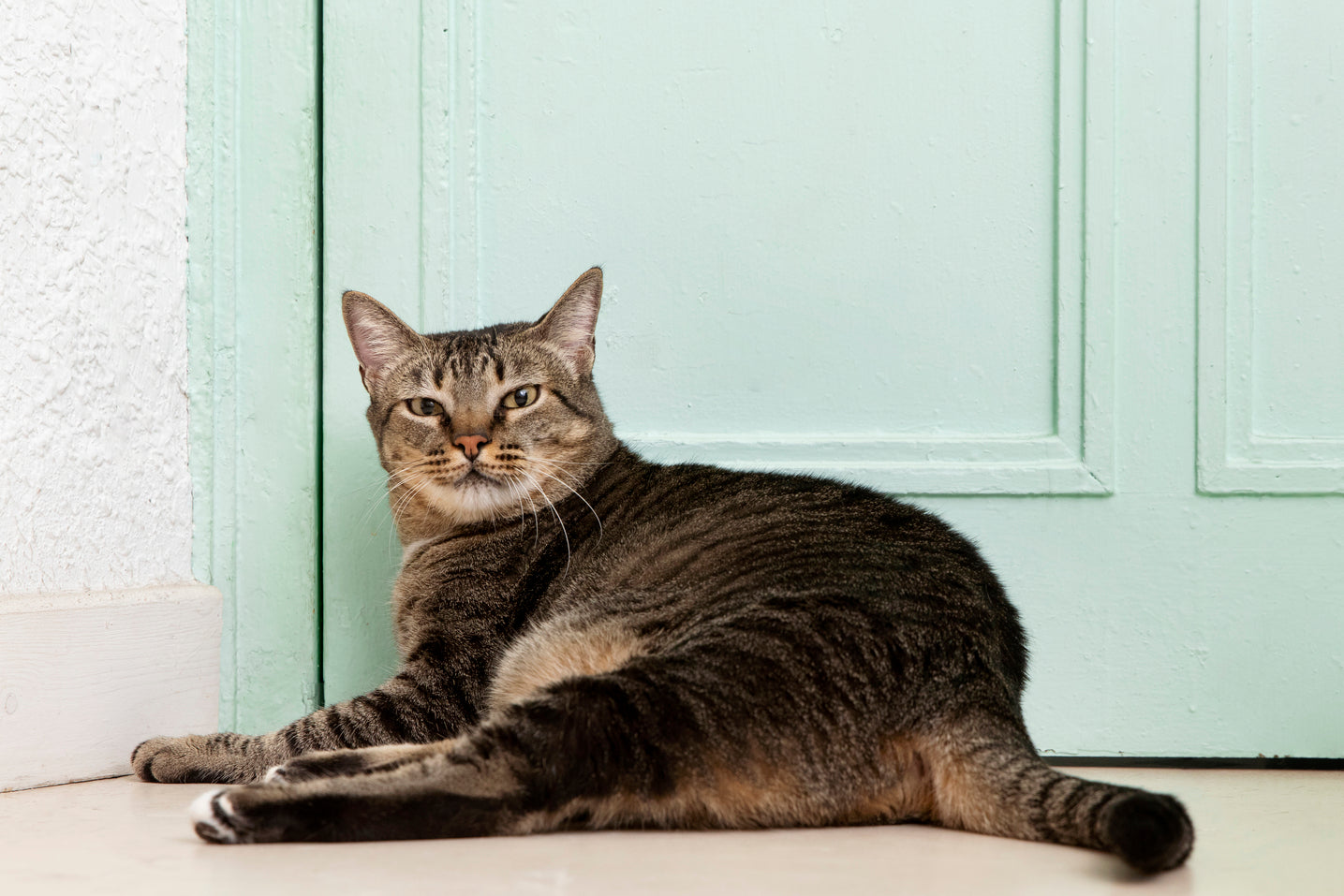
Is your beloved feline friend acting a bit off lately? Maybe you’ve noticed changes in their energy levels, coat condition, or even their mood.
As a responsible pet owner, it’s natural to worry when something seems amiss with your cat's health. Nutrition plays a pivotal role in your cat's overall well-being, and an imbalance can lead to a host of issues. But how can you tell if your furry companion is suffering from nutritional imbalances?
This article will guide you through the signs to watch for and provide tips on how to ensure your cat's diet supports their health and happiness. Stick around to uncover the secrets to keeping your cat in tip-top shape and learn how a balanced diet can make all the difference in your feline’s life.
Common Symptoms
Recognizing the signs of nutritional imbalance in your cat can be crucial for maintaining their health and happiness. Cats are notoriously independent and can sometimes mask symptoms, making it vital for you to know what to look for. Here, we’ll delve into some of the most common symptoms that could indicate your feline friend is not getting the balanced diet they need.
Weight Changes
One of the most noticeable signs of a nutritional imbalance is a change in your cat's weight. Sudden weight loss or gain can be alarming. If you notice your cat's collar feels tighter or looser than usual, it might be time to evaluate their diet.
Consider the quality and quantity of food you're providing. Is your cat overeating or perhaps not eating enough? Monitoring their weight regularly can help you spot trends before they become serious health issues.
Lethargy And Fatigue
If your once playful kitty is now spending more time sleeping or seems less interested in their usual activities, it could signal a lack of essential nutrients. Cats require specific vitamins and minerals to maintain energy levels.
Think about your cat’s energy throughout the day. Are they less responsive or slow to react? This lethargy might be a sign that their diet isn't meeting their energetic needs.
Digestive Issues
Digestive problems, such as diarrhea, constipation, or vomiting, can often point towards an imbalance in your cat's nutrition. These issues can be distressing for both you and your cat.
Monitor your cat's litter box habits and any changes in their stool consistency or frequency. Is there a sudden increase in hairballs? These could be signs that their digestive system is not functioning optimally due to dietary issues.
By paying attention to these symptoms, you can better understand your cat’s nutritional needs. Have you noticed any of these signs in your cat recently? It might be time for a diet reassessment or a vet visit to ensure your furry companion is thriving on a balanced diet.

Credit: www.facebook.com
Behavioral Changes
Understanding your cat's behavior can offer valuable insights into their overall health, especially when it comes to nutritional balance. Cats are creatures of habit, and any noticeable changes in their behavior might indicate underlying issues. Being aware of these shifts can help you identify and address potential nutritional imbalances that could be affecting your feline friend.
Increased Irritability
Has your once docile cat turned into a moody ball of fluff? Increased irritability can be a sign of nutritional imbalance. Cats may become more aggressive or anxious if they are lacking essential nutrients. You'll notice they may hiss or swat more often, even at familiar faces. This shift might be your cat's way of expressing discomfort or distress.
Changes In Appetite
A sudden change in your cat's eating habits is often a red flag. Whether they're eating less or seem ravenous, both can indicate nutritional issues. If your cat is ignoring their food bowl, it might be a sign they are not getting the nutrients they need. Conversely, an increase in appetite could mean their body is trying to compensate for missing elements.
Excessive Grooming
While grooming is a natural cat behavior, excessive grooming can point to problems. Nutritional imbalances might cause skin irritation, prompting your cat to groom more than usual. If you notice bald spots or inflamed skin, it might be time to evaluate their diet. Are they trying to soothe an itch that diet could fix?
Physical Signs
Understanding the physical signs of nutritional imbalance in your cat can be crucial for ensuring their well-being. As a cat owner, you often rely on visual cues to assess your pet’s health. But what do these signs look like, and how can you tell if your cat's nutrition is off balance? Let's dive into the specifics.
Dull Coat
Your cat's coat is one of the first indicators of their health. A shiny, smooth fur usually means your feline is getting the nutrients they need. However, if your cat's coat appears dull and lifeless, it might be a signal of poor nutrition. Consider your cat’s diet — are they getting enough Omega-3 fatty acids? These are essential for a glossy coat. Imagine the sleek fur of a pampered show cat; that’s the goal!
Skin Problems
Does your cat frequently scratch or have flaky skin? These could be signs of nutritional imbalance. Skin problems in cats, such as excessive dryness or redness, can be linked to a lack of essential vitamins like Vitamin E or zinc. Have you ever noticed your cat scratching more than usual? It might be time to assess their diet and consider supplements or diet changes. A healthy skin reflects a balanced diet.
Weakness In Muscles
Muscle weakness can be a more subtle sign of nutrient deficiency. A well-fed cat will display agility and strength, jumping and playing with ease. If your feline friend struggles with activities they once enjoyed, it could be due to insufficient protein or other vital nutrients. Think about how a lack of protein might affect a bodybuilder; similarly, your cat requires adequate protein to maintain muscle health. Don’t underestimate the power of a balanced diet in keeping your cat active and strong.
In observing these physical signs, it's essential to ask yourself: Is my cat's diet meeting their needs? Regular check-ups with a vet can provide insights and recommendations for dietary adjustments. Remember, a well-nourished cat is a happy cat!
Health Complications
Cats depend on balanced nutrition for their health. An imbalance in their diet can lead to various complications. These issues can affect their quality of life and overall well-being. Recognizing these signs early can help address nutritional deficiencies.
Poor Immune Response
A weakened immune system makes your cat vulnerable. They may catch infections more easily. Nutritional deficiencies can impact their body's ability to fight diseases. Vitamins and minerals play a crucial role in immune health. Ensure your cat's diet includes essential nutrients.
Dental Issues
Nutritional imbalance can lead to dental problems. Your cat may suffer from gum disease or tooth decay. Calcium and phosphorus are vital for strong teeth. Lack of these nutrients can cause oral health issues. Regular dental check-ups can help monitor their dental condition.
Joint Problems
Joint problems are common in cats with poor nutrition. Arthritis or stiffness can develop due to insufficient nutrients. Omega-3 fatty acids are important for joint health. Ensure your cat's diet supports their mobility. Watch for signs like limping or difficulty jumping.
Nutritional Needs Of Cats
Recognizing signs of nutritional imbalance in cats is crucial for their health. Look for symptoms like weight changes, dull coat, or lethargy. Regular vet check-ups and understanding their dietary needs can ensure your cat stays healthy and active.
Cats are more than just adorable companions; they are obligate carnivores with specific nutritional needs that are vital for their health and well-being. Understanding these needs can help you ensure your feline friend receives a balanced diet, preventing nutritional imbalances that could lead to health issues. Let's dive into the essential components of a cat's diet.
Essential Vitamins And Minerals
Cats require a variety of vitamins and minerals to maintain healthy bodily functions. Taurine is crucial, as it's essential for heart health and vision. A deficiency in taurine can lead to severe health issues, such as heart disease or blindness. Calcium and phosphorus are also important for strong bones and teeth. A deficiency could lead to weak bones or dental problems. Consider adding a mix of meats and specialized cat foods to ensure your cat receives these essential nutrients. Vitamin A is another key component, necessary for skin and coat health. Cats cannot convert beta-carotene into vitamin A, unlike humans, so it's crucial they receive it from animal sources.
Protein Requirements
Cats thrive on protein, which should be the main component of their diet. Unlike humans or dogs, cats derive energy primarily from proteins rather than carbohydrates. This is why meat is indispensable in their diet. A lack of protein can lead to muscle wasting, poor coat condition, and lethargy. Aim for high-quality animal proteins like chicken, beef, or fish to provide your cat with the energy they need. Be wary of plant-based proteins; they are not as beneficial for cats. Ensure the cat food label lists animal protein as the first ingredient.
Importance Of Hydration
Hydration is often overlooked in a cat's diet but is equally essential. Cats have a low thirst drive, which can lead to dehydration if they don't get enough moisture from their food. Wet cat food can be an excellent source of hydration, providing your cat with the necessary fluids. Alternatively, ensure clean, fresh water is always available. Encourage your cat to drink by using a pet water fountain, which many cats prefer over stagnant water bowls. Have you noticed your cat gravitating towards running water? This simple change can make a huge difference in their hydration levels. Ensuring your cat receives a balanced diet isn't just about feeding them—it’s about understanding their unique needs and preferences. So, what changes will you make today to ensure your cat's nutritional needs are met?

Credit: www.fullbuckethealth.com
Consulting A Veterinarian
Consulting a veterinarian is crucial when suspecting nutritional imbalances in cats. A professional can provide guidance tailored to your cat's needs. Understanding when to seek help ensures your cat remains healthy and happy.
When To Seek Professional Help
Watch for signs like weight loss, dull coat, or lethargy. Changes in appetite or digestion might also indicate an issue. If these symptoms persist, it's time to consult a veterinarian. Early intervention can prevent serious health problems.
Diagnostic Tests
Veterinarians use various tests to diagnose nutritional imbalances. Blood tests can reveal deficiencies or excesses in vitamins and minerals. Urine tests help identify issues with kidney function or dehydration. These tests provide a comprehensive view of your cat's health.
Developing A Nutritional Plan
A veterinarian will create a customized nutritional plan for your cat. This plan addresses specific deficiencies and ensures balanced nutrition. Regular check-ups monitor your cat's progress and adjust the plan as needed. A tailored approach keeps your cat healthy and thriving.
Preventive Measures
Ensuring your cat's nutrition is balanced can prevent health issues. Knowing the right steps to take can keep your feline friend healthy. Here are some preventive measures to consider for maintaining your cat's nutritional balance.
Balanced Diet Tips
Providing a balanced diet is crucial. Choose high-quality cat food that contains essential nutrients. Ensure the food has proteins, vitamins, and minerals. Avoid foods with too many fillers. Check the label for nutritional information. Incorporate wet and dry food in their diet. Wet food helps with hydration and offers variety. Monitor your cat’s weight and adjust portions accordingly.
Monitoring Cat’s Health
Keep an eye on your cat's behavior and appearance. Notice any changes in their coat or energy levels. Look for signs of lethargy or unusual weight gain. Regularly check their stool for consistency and color. Ensure they have clean water available at all times. Hydration is key to overall health. Maintain a feeding schedule to observe eating habits.
Regular Vet Check-ups
Schedule regular visits to the vet. Discuss your cat's diet and any concerns. Vets can provide insights into nutritional needs. They might suggest dietary supplements if necessary. Regular check-ups help catch imbalances early. Update your vet on any changes in behavior or appetite. Keep records of vet visits for reference.
Credit: wagwalking.com
Frequently Asked Questions
How Do I Know If My Cat Has A Nutritional Deficiency?
Look for signs like weight loss, dull coat, lethargy, or digestive issues. Consult a vet for blood tests.
What Is The Most Common Nutritional Disorder In Cats?
Obesity is the most common nutritional disorder in cats. It often results from overeating and lack of exercise. This condition can lead to serious health issues like diabetes and arthritis. Ensuring a balanced diet and regular physical activity can help maintain a healthy weight in cats.
How To Tell If Your Cat Is Malnutritioned?
Check for weight loss, dull coat, and lethargy in your cat. Monitor their appetite and energy levels. Consult a veterinarian for a professional assessment.
How To Know If Cat Food Is Complete And Balanced?
Check the label for an AAFCO statement indicating complete and balanced nutrition. Ensure it meets your cat's life stage requirements. Consult your veterinarian for specific dietary needs or concerns. Look for high-quality ingredients and essential nutrients like proteins, fats, vitamins, and minerals.
Conclusion
Recognizing your cat's nutritional needs is vital. A balanced diet keeps them healthy. Look for signs of imbalance like weight loss or dull fur. Regular vet check-ups help catch issues early. Provide quality food suited for their age and health.
Monitor their eating habits. Changes might signal a problem. Keep your cat hydrated. Water is essential. A happy cat reflects good nutrition. Their energy levels will improve. Playtime becomes more enjoyable. Your cat deserves the best care. A balanced diet ensures a long, happy life.
Trust your instincts. You know your cat best. Act promptly if you notice changes.
