
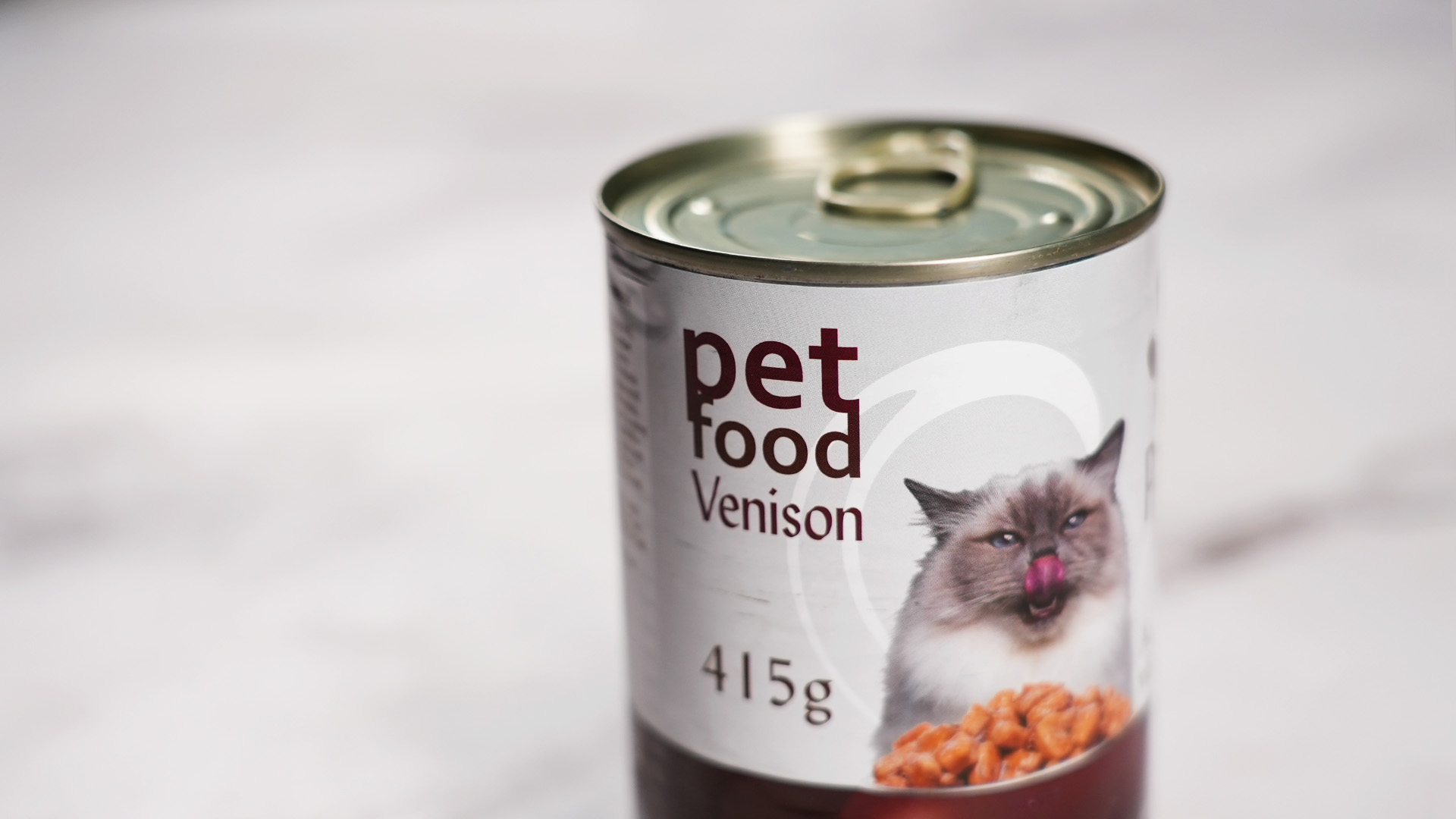
Do you find yourself wondering if wet cat food needs to be refrigerated? You're not alone!
As a cat owner, you want to ensure that your furry friend gets the best nutrition possible. But with so many options and opinions out there, it's easy to feel overwhelmed. Wet cat food is a popular choice for many pet parents, thanks to its appealing taste and texture.
However, storing it correctly is crucial to keeping it fresh and safe for your cat. You'll discover the simple answer to whether or not you need to refrigerate wet cat food, along with some expert tips to make feeding time hassle-free. Stick around, and you'll soon feel confident about the choices you make for your beloved pet.
Importance Of Refrigerating Wet Cat Food
Refrigerating wet cat food is crucial to maintain its freshness and prevent spoilage. Cold storage helps retain the nutrients and flavor, ensuring your cat's meal remains safe and appetizing.
Refrigerating wet cat food is essential for maintaining its freshness and safety. This practice helps prevent spoilage and ensures your feline friend enjoys their meals without any health risks. Wet cat food, once opened, is exposed to air and bacteria. Proper refrigeration slows down bacterial growth, keeping the food safe for consumption.
Why Refrigeration Is Essential
Wet cat food contains moisture, which is an ideal environment for bacteria. Refrigeration reduces bacterial growth, preserving the food's quality. Cold temperatures keep the nutrients intact, ensuring your cat receives the intended benefits of their meal.
Preventing Spoilage
Spoilage can occur quickly in wet cat food if left unrefrigerated. Refrigeration halts spoilage, extending the shelf life of the food. Proper storage keeps the food fresh, maintaining its taste and texture for your pet's enjoyment.
Maintaining Nutritional Value
Refrigeration safeguards the nutrients in wet cat food. It prevents the breakdown of essential vitamins and minerals. This ensures your cat gets the full nutritional value from their diet.
Reducing Odors
Unrefrigerated wet cat food can produce unpleasant odors. Refrigeration minimizes these odors, keeping your kitchen smelling fresh. This makes meal times more enjoyable for both you and your pet.
Safe Feeding Practices
Refrigeration is a key component of safe feeding practices. It protects your cat from potential foodborne illnesses. Ensuring the food is cold when served keeps your pet healthy and happy.

Credit: www.wikihow.com
Shelf Life Of Wet Cat Food
Wet cat food offers essential nutrients and hydration for your feline friend. Understanding its shelf life ensures your cat eats safe and fresh meals. Knowing how to store wet cat food is crucial to maintaining its quality. Proper storage prevents spoilage and keeps your pet healthy.
Unopened Can Storage
Unopened wet cat food cans last longer than opened ones. They can be stored in a cool, dry place. A pantry or cupboard is ideal. Ensure the area is away from direct sunlight or heat sources. Most cans have a printed expiration date. Check this date to ensure the food remains fresh. Proper storage helps maintain flavor and nutritional value.
Opened Can Storage
Once a can is opened, its shelf life decreases. Opened cans should be refrigerated. Cover the can with a lid or plastic wrap. This prevents air exposure and contamination. Refrigeration extends freshness for up to 5 days. After this period, discard any unused portions. Always serve the food at room temperature to enhance your cat's dining experience.
Factors Affecting Spoilage
Wet cat food can spoil quickly if not stored properly. Several factors contribute to its spoilage. Understanding these can help keep your cat's food fresh and safe.
Temperature Sensitivity
Temperature plays a critical role in food preservation. Wet cat food needs cooler temperatures to stay fresh. High temperatures accelerate spoilage, especially in warmer months. Refrigeration slows bacterial growth, preserving the food's quality. If left out, the food can spoil within hours. Always store wet cat food in a cool place.
Exposure To Air
Air exposure can lead to rapid spoilage. Once opened, wet food is vulnerable to bacteria and mold. Airtight containers help minimize air contact. Seal the food properly after each use. This keeps it fresh longer. Consider using resealable bags or containers. Proper storage can reduce spoilage risks significantly.
Signs Of Spoiled Wet Cat Food
Understanding the signs of spoiled wet cat food is crucial for your pet’s health. Cats can be sensitive to spoiled food, which may cause digestive issues. Knowing what to look for can save your furry friend from discomfort.
Odor Changes
Fresh wet cat food should have a mild, pleasant smell. Spoiled food often emits a strong, unpleasant odor. A sour or rancid smell indicates bacterial growth. Trust your nose; if it smells off, it likely is.
Texture Alterations
Wet cat food should have a consistent texture. Spoiled food might become slimy or excessively mushy. A change in texture can signal spoilage. Sticky or greasy surfaces are red flags.
Mold Presence
Visible mold is a definite sign of spoilage. Mold can appear as green, white, or black spots. It poses serious health risks to cats. Inspect food carefully before serving.
Proper Storage Techniques
Proper storage of wet cat food is essential for keeping it fresh and safe for your feline friend. Improper storage can lead to spoilage, which can upset your cat's stomach or even cause more serious health issues. Let’s dive into some effective storage techniques that ensure your cat's meals stay fresh and nutritious.
Using Airtight Containers
Once you open a can of wet cat food, transferring it to an airtight container can significantly extend its shelf life. Airtight containers help prevent exposure to air, which can cause the food to dry out and lose its flavor. They also protect the food from bacteria and contaminants.
- Choose a container that fits the amount of food you typically have left over.
- Ensure the lid seals tightly to maintain freshness.
- Label the container with the date you opened the can to keep track of how long it's been stored.
Refrigeration Tips
Refrigerating wet cat food is crucial once the can is opened. Cold temperatures slow down bacterial growth, helping the food stay safe for your cat to eat. However, food stored directly in the can can absorb metallic tastes, so it’s best to transfer it to a separate container.
Here are some tips:
- Store the food in the coldest part of your fridge, typically at the back.
- Use the food within 3 to 5 days for optimal freshness.
- If your cat prefers warm food, let it sit out for a few minutes before serving, or add a little warm water to take the chill off.
Have you ever noticed your cat turning its nose up at food that’s been left out too long? Keeping these storage tips in mind can help prevent waste and ensure your furry friend enjoys every meal. After all, proper storage is not just about preserving food, but about caring for your cat's health and happiness.

Credit: www.wikihow.com
Consequences Of Improper Storage
Improper storage of wet cat food can lead to spoilage and bacteria growth. Refrigeration keeps it fresh and safe for your pet.
Improper storage of wet cat food can lead to serious issues. Many cat owners overlook this critical aspect. It impacts both the health of their pets and the quality of the food. The consequences can range from mild health issues to severe illnesses. Understanding these risks is vital for every pet parent.
Health Risks To Cats
Storing wet cat food incorrectly invites harmful bacteria. These bacteria can make your cat sick. Symptoms might include vomiting or diarrhea. In severe cases, your cat could face a life-threatening situation. Mold can also develop in improperly stored food. This poses additional health risks. Always ensure your cat's food is fresh and safe.
Nutritional Loss
Improper storage affects the nutritional quality of the food. Essential nutrients degrade over time. Your cat might not get the necessary vitamins and minerals. This can lead to nutritional deficiencies. Freshness is key to maintaining the food's quality. Proper storage helps preserve vital nutrients. Ensure your cat receives balanced nutrition with every meal.
Alternatives To Refrigeration
Finding alternatives to refrigeration for your wet cat food can be a real game-changer, especially if you're on the go or simply lack fridge space. While refrigeration is a popular method to keep wet cat food fresh, there are other creative and practical ways to ensure your feline friend's meal stays safe and tasty. These alternatives can be particularly useful if you're traveling or need a short-term solution when the fridge is full.
Using Ice Packs
Ice packs can be a lifesaver when you need to keep wet cat food fresh. Simply place the food container in an insulated lunch bag or small cooler with a couple of ice packs. This method can keep the food cool for several hours, making it perfect for road trips or a day out.
Remember to check the temperature periodically. The goal is to maintain a cool environment, similar to that of a refrigerator. Have you ever tried using ice packs for your cat's food during a picnic? It’s surprisingly effective!
Short-term Room Temperature Storage
If you're planning to use the wet cat food within a few hours, storing it at room temperature might be a viable option. Ensure that the food is placed in a tightly sealed container to prevent spoilage and contamination. This method is handy for those days when your cat is being extra picky and takes longer to finish their meal.
However, be cautious about the duration. Wet cat food left out for more than two hours can start to lose its freshness and pose a risk to your pet's health. Are you keeping track of the time when your cat’s food is left out?

Credit: www.wikihow.com
Frequently Asked Questions
How Long Can Wet Cat Food Be Unrefrigerated?
Wet cat food can stay unrefrigerated for up to 2 hours. Bacteria grow rapidly at room temperature. Always refrigerate unused portions immediately to keep them fresh and safe for your cat.
Are You Supposed To Refrigerate Wet Cat Food After You Open It?
Yes, refrigerate wet cat food after opening to maintain freshness and prevent spoilage. Store it in an airtight container. Use within 3 days for best results. Refrigeration helps preserve nutrients and taste, ensuring your cat enjoys a healthy meal. Proper storage ensures safety and extends the food's shelf life.
Does Wet Cat Food Need To Be Cold?
Wet cat food doesn't need to be cold but should be stored in the refrigerator after opening. Serve at room temperature for better taste and digestion. Always ensure food is fresh and safe for your cat's consumption.
Can I Give My Cat Wet Food If I Left It Open Over Night?
No, it's unsafe to give your cat wet food left open overnight. Bacteria can grow, making it harmful. Always refrigerate unused portions to keep them fresh and safe for your pet. Regularly check the packaging for any storage guidelines to ensure the food's safety and quality.
Conclusion
Storing wet cat food correctly is crucial. Refrigerate it after opening. This keeps it fresh and safe for your cat. Always check the expiry date before using. Discard food that smells or looks bad. Remember, your cat's health depends on proper food storage.
Keeping their food fresh ensures they enjoy every meal. Plan portions to avoid waste. Seal opened cans tightly. This simple step can make a big difference. Happy, healthy cats start with proper care.
