
If you've ever found yourself standing in front of rows of cat food at the store, feeling unsure about what to choose, you're not alone. Picking the right diet for your feline friend can be a puzzling task.
After all, you want to ensure that your cat is healthy, happy, and full of energy. But with so many options, how do you decide what's best? This article is here to clear up the confusion and help you make informed choices for your cat's nutrition.
Whether your cat is a picky eater or seems to devour everything in sight, understanding their dietary needs is crucial. Stick around, because the right food can transform your cat's wellbeing, and we're about to reveal the secrets to a balanced, satisfying diet that your kitty will love.
Nutritional Needs Of Cats
Cats have unique nutritional needs. Understanding these needs ensures your cat stays healthy. Their diet should balance protein, fats, vitamins, and minerals. Let's explore these key components.
Understanding Protein Requirements
Cats are obligate carnivores. They need high protein to thrive. Animal-based proteins are best. Chicken, turkey, and fish are excellent sources. Protein supports muscle growth and repair. It also provides essential amino acids. Cats cannot produce these acids themselves. Ensure your cat's food is rich in quality protein.
Role Of Fats In Cat Diets
Fats are a vital energy source. They keep your cat active and playful. Fats also promote a healthy coat. Omega-3 and Omega-6 are essential fatty acids. They improve skin health and reduce inflammation. Include animal fats like chicken fat or fish oil. These are more beneficial than plant-based fats.
Essential Vitamins And Minerals
Vitamins and minerals keep cats healthy. Vitamin A supports vision and immune function. Vitamin D aids in calcium absorption. Cats need taurine for heart and vision health. Minerals like calcium and phosphorus strengthen bones. Zinc and selenium boost the immune system. Balanced cat food should contain these nutrients.
Choosing The Right Cat Food
Feeding your cat isn't just about filling their bowl. It's about ensuring they receive the right nutrients for a healthy life. Choosing the right cat food can be a daunting task with numerous options available. This section will guide you through some key considerations to help you make informed decisions for your feline friend.
Wet Vs. Dry Food Options
Both wet and dry cat food have their benefits. Wet food is great for hydration and often has fewer carbohydrates. It's particularly beneficial for cats with kidney issues or those needing more moisture in their diet.
Dry food, on the other hand, is convenient and often more affordable. It helps keep your cat’s teeth clean due to its crunchy texture. But, it’s essential to ensure your cat drinks plenty of water alongside dry food.
So, how do you decide? Consider your cat’s specific health needs and lifestyle. Are they drinking enough water? Do they have dental issues?
Reading Pet Food Labels
Understanding pet food labels can be tricky but is crucial. Look for the first ingredient listed; it should be a high-quality protein source, like chicken or fish. Avoid foods where the first ingredient is a filler like corn.
Check for essential nutrients like taurine, which is vital for your cat’s heart health. Keep an eye out for added preservatives or artificial flavors.
Would you eat food without knowing its ingredients? Why should your cat?
Considering Organic And Natural Options
Organic and natural cat foods are gaining popularity. They often contain fewer chemicals and additives, making them a healthier choice. These options tend to focus on whole ingredients and avoid artificial preservatives.
While they can be pricier, many cat owners find the benefits outweigh the costs. Plus, they often support more ethical farming practices.
Could choosing organic be a step towards a healthier lifestyle for your cat?
Homemade Cat Food
Choosing the right homemade cat food involves balancing proteins, fats, and carbohydrates. Fresh meats, cooked vegetables, and grains provide necessary nutrients. Avoid foods harmful to cats, like onions and chocolate.
Homemade cat food is becoming popular among pet owners. It allows you to control ingredients and ensure quality. Preparing meals for your cat at home can be rewarding. Yet, it requires knowledge and time commitment.
Benefits And Challenges
Homemade cat food offers many benefits. You can choose fresh, high-quality ingredients. This ensures your cat avoids harmful additives. Homemade meals can be tailored to your cat’s needs. Whether your cat is overweight or has allergies, you can adjust the recipe. There are challenges too. Preparing balanced meals is essential. Cats need specific nutrients that aren't in all ingredients. You must also dedicate time to meal preparation. Regular vet consultations are advisable. This ensures your cat's diet remains balanced and healthy.
Recipes For Balanced Meals
Creating balanced meals requires knowledge. Here are some simple recipe ideas:
- Chicken and Rice: Use cooked chicken breast and boiled rice.
- Salmon and Sweet Potato: Combine cooked salmon and mashed sweet potatoes.
- Turkey and Pumpkin: Mix ground turkey with pureed pumpkin.
Always ensure variety in your recipes. This helps prevent nutrient deficiencies. Consult your vet for tailored advice.
Important Ingredients To Include
Certain ingredients are vital in homemade cat food. Protein is essential for cats. Use chicken, turkey, or fish. Taurine is another crucial nutrient. It supports heart and eye health. Include it through meat or supplements. Cats also need fat for energy. Fish oil or chicken fat are good sources. Don’t forget calcium for strong bones. Use crushed eggshells or bone meal for calcium. Balance is key. A variety of ingredients ensures a complete diet. Always consult a vet before making dietary changes.
Feeding Schedule And Portions
Creating a balanced feeding schedule for your cat is crucial for maintaining their health and well-being. Cats thrive on routine, and understanding the right portions can prevent obesity or malnourishment. Let's explore how you can set up a proper feeding schedule that suits your feline friend.
Determining The Right Portion Size
Portion sizes can vary based on your cat's weight, age, and health needs. Many cat food packages provide a recommended serving size, but it’s important to tailor this to your individual cat. For example, a sedentary indoor cat may need less food than an active outdoor cat.
A good rule of thumb is to start with the recommended portion and observe your cat’s weight. If they gain or lose weight, you may need to adjust the portion accordingly. Consulting with your vet can also provide personalized guidance.
Frequency Of Feeding
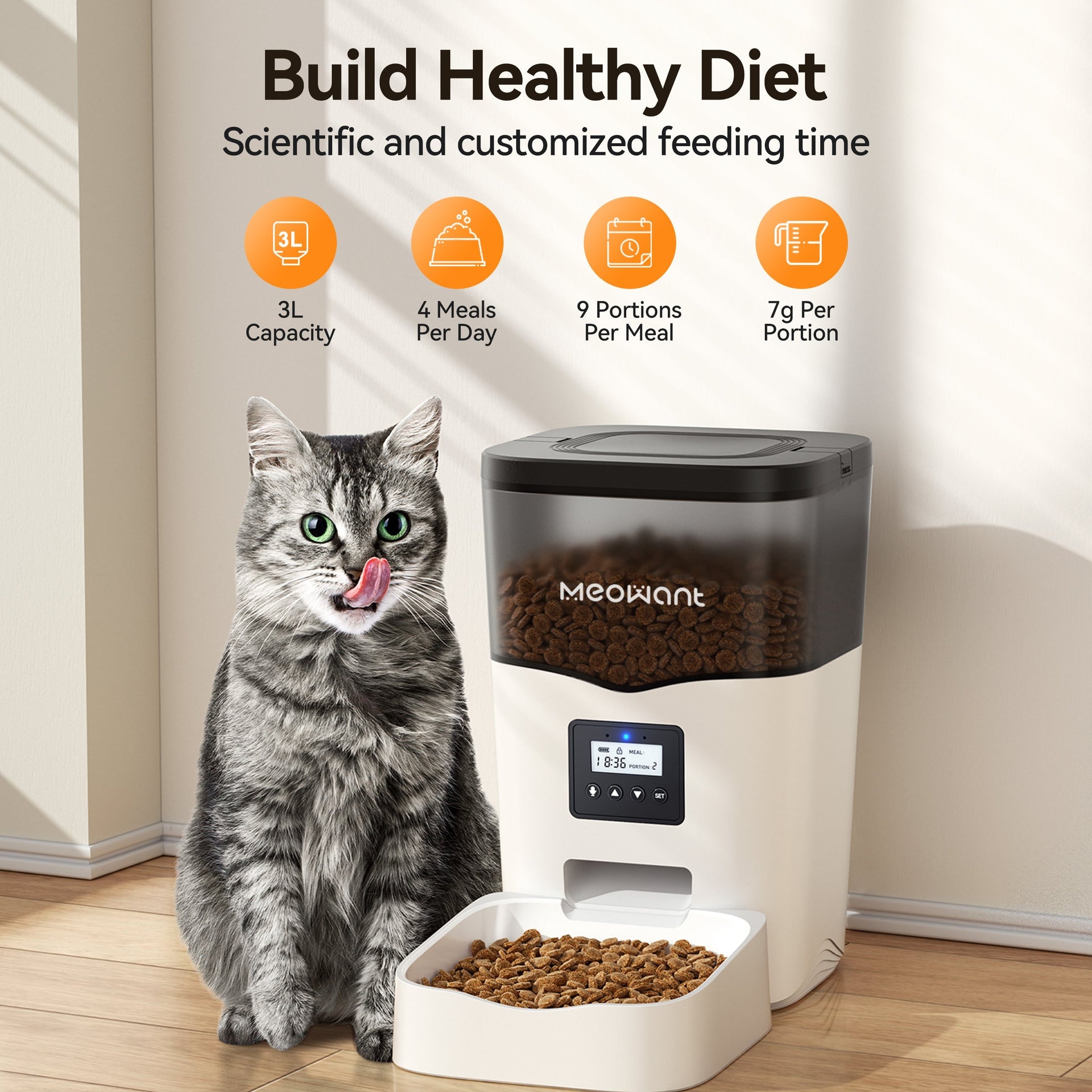
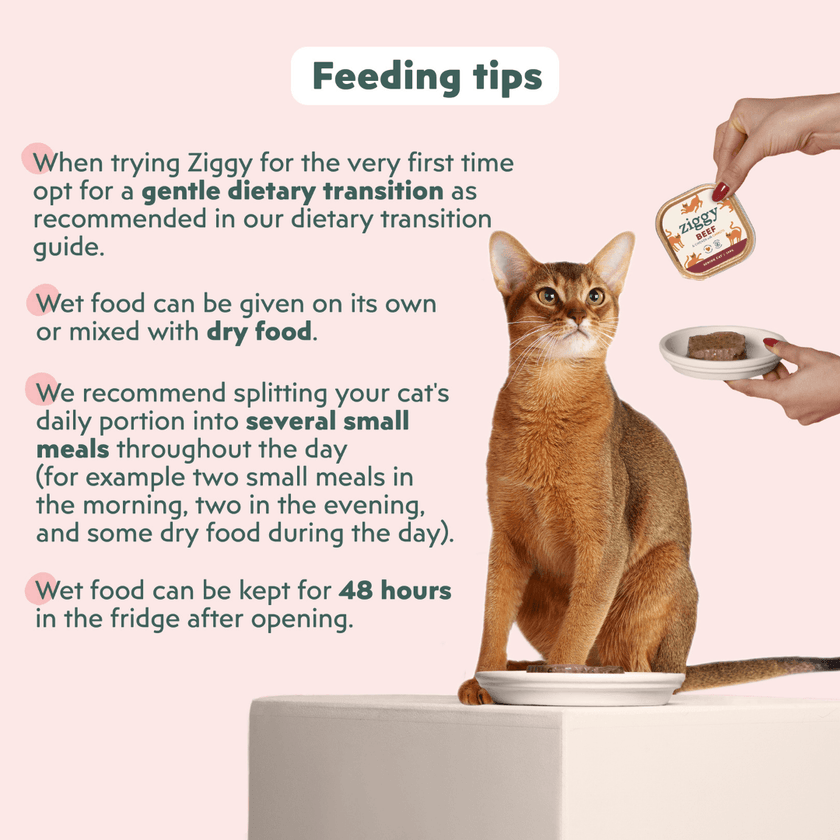
How often should you feed your cat? Generally, most cats do well with two meals per day, but kittens or cats with specific health needs might require more frequent feeding. Splitting meals can help prevent overeating and support digestive health.
Consider your cat’s natural behavior; in the wild, they hunt multiple times a day. Small, frequent meals can mimic this and keep your cat satisfied. Observe your cat’s habits and adjust the frequency to find what works best.
Adjusting Diet For Age And Activity Level
A cat's nutritional needs change as they age. Kittens need more calories and nutrients to support growth, while older cats might require fewer calories and more fiber. Adjusting the diet based on life stage is essential for long-term health.
Activity level also plays a significant role. A highly active cat will need more calories compared to a couch potato. Tailoring your cat's diet based on these factors ensures they get the right amount of nutrients without excess calories.
Have you noticed any changes in your cat's eating habits or activity levels? Monitoring these changes can help you make necessary adjustments to their diet and feeding schedule. After all, a happy cat is a well-fed cat!
Special Dietary Needs
Cats, just like humans, have special dietary needs. Meeting these needs ensures their health and happiness. Whether managing weight or addressing allergies, understanding what your cat requires is crucial. As they age, their nutritional needs also change. Let's explore some of these special dietary needs for cats.
Managing Obesity In Cats
Obesity in cats can lead to health issues. Choose food that's low in calories but high in nutrients. Look for foods with lean proteins. Fiber-rich diets help your cat feel full longer. Avoid free-feeding; instead, set meal times. Regular exercise is also important. Playtime aids in weight control. Monitor your cat's weight regularly. Adjust their diet as needed.
Addressing Food Allergies
Food allergies can cause discomfort. Symptoms include itching, vomiting, or diarrhea. Identify triggers with an elimination diet. Consult with a vet for guidance. Choose hypoallergenic food options. These often contain novel proteins. Limited ingredient diets reduce allergy risks. Avoid common allergens like chicken or beef. Keep track of food reactions. This helps in managing allergies effectively.
Diet For Senior Cats
Senior cats need special nutrition. Their metabolism slows with age. Opt for foods with high-quality proteins. Ensure their diet includes essential fatty acids. These support joint health. Antioxidants boost their immune system. Fiber aids digestion in older cats. Hydration is also key. Wet food can be beneficial. Regular vet check-ups help monitor their health. Adjust diet based on their needs.
Credit: ziggyfamily.com
Hydration And Water Intake
Cats need sufficient hydration, which includes wet food rich in water content. Fresh water should always be available. Proper hydration supports overall health and prevents urinary issues.
Cats need proper hydration for good health. Water helps their body function well. Many cats don't drink enough. This can cause health problems. Ensuring they drink water is crucial. Let's explore how to keep your cat hydrated.
Importance Of Fresh Water
Fresh water is vital for your cat. It helps their kidneys and digestion. Stale water may have bacteria. This can make your cat sick. Change their water daily. Clean their bowl often. Fresh water encourages them to drink more.
Encouraging Water Consumption
Some cats need motivation to drink. Offer water in different bowls. Place them in various spots around the house. Cats like having choices. Wet food also adds moisture. Mix it with their dry food. This increases their water intake.
Using Cat Fountains
Cat fountains attract curious cats. They mimic flowing streams. This intrigues your pet and encourages drinking. Fountains keep water clean and fresh. Many cats prefer moving water over still. It's a fun way to ensure they stay hydrated.
Common Feeding Mistakes
Cats are known for their discerning tastes, making feeding them a bit of an art. While you may be tempted to spoil your feline friend, certain pitfalls can lead to health issues. Understanding common feeding mistakes can help you maintain your cat’s well-being and happiness.
Overfeeding Concerns
It's easy to overfeed your cat, especially when they give you those irresistible eyes. However, excess weight can lead to health problems like diabetes and joint issues. Stick to recommended portion sizes and consider your cat's age, weight, and activity level.
Have you ever noticed your cat grazing throughout the day? Leaving food out all the time can promote overeating. Instead, try scheduled feeding times. This can help control their calorie intake and establish a routine.
Avoiding Harmful Foods
Your cat's curiosity might tempt you to share a bite of your meal. But many human foods can be dangerous. Foods like chocolate, onions, and garlic are toxic to cats and should be avoided. Always check before you offer something new.
Once, my cat accidentally nibbled on some grapes—thankfully, I caught it in time. This experience taught me to be extra cautious about keeping harmful foods out of reach. What precautions do you take to keep your cat safe?
Understanding Treats And Extras
Treats are a fun way to reward your cat, but moderation is key. Too many treats can lead to weight gain and nutritional imbalance. Consider using treats for training purposes or as occasional rewards.
You might find yourself wanting to spoil your cat with extras like milk or cheese. While they might enjoy these, dairy can upset some cats' stomachs. Opt for cat-specific treats instead, and watch how your cat reacts to new foods.

Credit: www.petsmart.com

Credit: www.facebook.com
Frequently Asked Questions
What Is The Healthiest Thing To Feed My Cat?
Feed your cat high-quality commercial cat food with meat as the primary ingredient. Ensure it meets AAFCO standards. Include wet and dry options for hydration and dental health. Avoid human food and consult your vet for specific dietary needs. Fresh water should always be available for your cat.
What Food Should I Feed My Cat Daily?
Feed your cat high-quality commercial cat food daily, containing balanced proteins, fats, and essential nutrients. Ensure variety with wet and dry options. Include occasional treats for dental health. Always provide fresh water alongside meals. Consult your vet for specific dietary needs based on age, weight, and health conditions.
What Should You Feed Your Indoor Cat?
Feed your indoor cat high-quality commercial cat food. Ensure it contains protein, vitamins, and minerals. Include wet and dry food for balanced nutrition. Avoid human foods and consult your vet for specific dietary needs. Provide fresh water daily and monitor your cat's weight to prevent obesity.
What Is The 25 Rule For Cat Food?
The 25 rule for cat food means the product must contain at least 25% of the named ingredient. This rule ensures the primary ingredient listed is a significant part of the food, promoting transparency in labeling for consumers.
Conclusion
Feeding your cat well ensures a happy and healthy life. Choose nutritious food. Balance between dry and wet options. Fresh water is vital. Avoid foods harmful to cats. Consult a vet for advice. Regular meals keep their energy steady. Treats should be occasional, not daily.
Monitor your cat's weight and health. Adjust diet as your cat ages. Each cat has unique needs. Stay informed about pet nutrition. Your care makes the difference. A healthy diet means fewer vet visits. Your cat deserves the best. Keep learning.
Keep caring. Your cat will thank you with purrs.
