
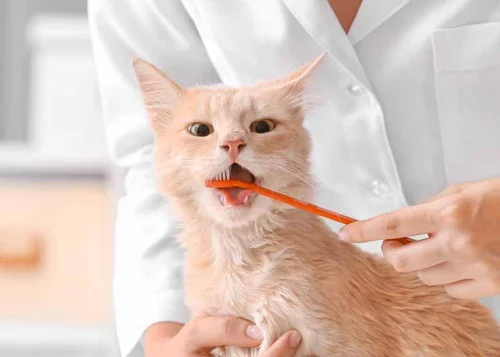
Imagine the purrs of contentment and the healthy smile of your beloved feline friend. Yes, you can have both!
You might be wondering how brushing your cat's teeth plays a crucial role in achieving this. As a loving pet owner, you want what's best for your furry companion, and dental care is a key part of their overall health.
Did you know that dental disease is one of the most common health issues in cats? By learning how to brush your cat’s teeth, you can prevent these issues and ensure a happier, healthier life for your pet. Keep reading to discover simple, stress-free techniques that will transform your cat's dental care routine and strengthen your bond with them. Your cat will thank you with more cuddles and less trips to the vet!

Credit: www.yahoo.com
Choosing The Right Tools
Selecting the right tools ensures a smooth tooth brushing experience for your cat. Opt for a cat-specific toothbrush and flavored toothpaste. These tools make the process easier and more enjoyable for both you and your furry friend.
Brushing your cat's teeth might seem like a daunting task, but with the right tools, it can become a manageable and even enjoyable routine for both you and your feline friend. The key is to choose the tools that are specifically designed for cats to ensure effectiveness and comfort. Let's explore the essentials to make this process as smooth as possible.
Cat-friendly Toothbrushes
Finding the right toothbrush for your cat is crucial. A cat-friendly toothbrush often has a smaller head and softer bristles than a human toothbrush, making it gentle on your cat's gums. You might opt for a finger brush, which allows you more control and can be less intimidating for your cat. Consider how your cat reacts to being touched around the mouth. If your cat is squirmy, a longer-handled brush might help you reach those tricky spots while keeping your fingers safe. Personal experience has shown that starting with a finger brush can help acclimate your cat to the sensation before transitioning to a more traditional toothbrush.
Selecting The Right Toothpaste
Did you know that human toothpaste is harmful to cats? It's essential to choose a toothpaste specifically made for feline use. These products are not only safe but often come in flavors that cats find appealing, like chicken or fish, making the brushing experience more enticing. When selecting a cat toothpaste, think about your cat's taste preferences. If they love chicken, opt for that flavor. You might be surprised by how much a flavor they like can reduce resistance and make brushing feel like a treat rather than a chore. Have you ever tried to brush your cat's teeth? How did it go, and what tools did you use? Sharing experiences can help us all find better ways to care for our furry companions.

Credit: www.purina.com
Preparing Your Cat
Brushing your cat's teeth ensures their dental health. Use a cat-specific toothbrush and toothpaste. Gently lift the cat's lip and brush in small circles. Regular cleaning helps prevent plaque and tartar buildup.
Preparing Your Cat Brushing your cat's teeth might seem challenging, but the key to success lies in preparation. With a bit of patience and the right approach, you can make it a stress-free experience for both you and your feline friend. Let's dive into how you can set the stage for a smooth tooth-brushing routine.
Creating A Calm Environment
Start by choosing a quiet, comfortable space where your cat feels safe. This could be a cozy corner in your living room or a sunny spot by the window. Ensure there are no loud noises or sudden movements that could startle your pet. A soothing environment helps reduce anxiety, making your cat more open to having its teeth brushed. Consider playing soft music or speaking gently to your cat. This reinforces the sense of tranquility and can make the whole process more enjoyable.
Getting Your Cat Comfortable
Begin by familiarizing your cat with the toothbrush and toothpaste. Let them sniff and inspect the items, so they become more accustomed to them. You might notice your cat's curiosity piqued, which is a positive sign. Reward this behavior with a small treat or gentle petting. Gradually introduce the sensation of brushing by gently touching their gums with your fingers. This helps your cat associate the brushing experience with comfort rather than fear. Remember, patience is crucial. If your cat resists, take a step back and try again later. Building trust takes time, but the payoff is a healthier, happier pet. How do you think your cat will respond to a calm environment?
Step-by-step Brushing Guide
Brushing your cat’s teeth might seem daunting, but with the right approach, it can become a routine both you and your feline friend look forward to. This step-by-step guide will walk you through the essential techniques to ensure your cat’s dental health is kept in tip-top shape. Remember, patience and consistency are key. Let's dive into the specifics of how to position your cat and the proper brushing technique.
Positioning Your Cat
First, find a quiet space where your cat feels comfortable. A cozy spot on the couch or their favorite perch can be ideal.
Gently place your cat on your lap or beside you. Ensure they are calm and at ease by speaking softly or giving gentle strokes.
Wrap your cat lightly in a towel if necessary to prevent sudden movements. This can help them feel secure and limit their ability to squirm away.
Proper Brushing Technique
Choose a toothbrush designed specifically for cats. These often have softer bristles and are smaller for easier maneuvering.
Use a cat-friendly toothpaste, as human toothpaste can be harmful to pets. Let your cat sniff and taste the toothpaste to get them accustomed to it.
Start brushing gently, focusing on the outer surfaces of the teeth. Short, circular motions are effective and less likely to cause discomfort.
Gradually work your way to the back teeth, where plaque is most likely to accumulate. Don’t worry if you can’t cover every tooth in one session; consistency is more important than thoroughness each time.
After brushing, reward your cat with a treat or affection. Positive reinforcement will make future brushing sessions easier and more enjoyable for both of you.
Handling Resistance
Cats might resist tooth brushing, but patience helps. Start slow and use treats for positive reinforcement. Gradually, your cat will become more comfortable with the routine.
Handling resistance when brushing your cat's teeth can be a challenging task. Cats are not naturally inclined to have their mouths handled, which can make this health routine a bit stressful for both you and your furry friend. However, with patience and the right approach, you can make the process smoother and even enjoyable over time.
Managing Stress
Start by creating a calm environment. Choose a quiet room where your cat feels safe and relaxed. You might want to schedule the brushing after a play session when your cat is more likely to be tired and less resistant. Use positive reinforcement to associate tooth brushing with good things. Reward your cat with a treat or some playtime immediately after brushing. This helps your cat form a positive connection with the activity. If your cat becomes stressed or aggressive, don't force it. Take a break and try again later. It’s important to maintain a calm demeanor and not to rush the process. Patience is key to overcoming resistance.
Alternatives To Brushing
If brushing proves too stressful, there are alternatives you can try. Dental treats and toys designed to clean your cat's teeth can be effective. These items can help reduce plaque and tartar build-up. Consider using dental wipes or gels. These products can be easier to apply than a toothbrush and can still help maintain your cat's oral health. Simply wrap a dental wipe around your finger and gently rub it on your cat's teeth. Regular vet check-ups are crucial. Your vet can offer professional cleanings and check for any dental issues. They can also provide advice on the best products and techniques for your cat's dental care. What other creative solutions have you found helpful in managing your cat’s oral hygiene? Share your experiences in the comments below!
Maintaining Oral Health
Brushing your cat's teeth helps prevent dental issues and bad breath. Use a cat-friendly toothbrush and toothpaste. Gently brush in small circles, focusing on the gum line. Regular brushing keeps your cat's teeth clean and healthy.
Maintaining your cat's oral health is essential for their overall well-being. Healthy teeth and gums prevent pain and potential infections. Brushing your cat’s teeth regularly is a vital part of their care routine. It helps remove plaque and keeps their mouth fresh. Understanding the importance of oral health can extend your cat’s life and improve their quality of life.
Routine Check-ups
Regular vet visits are crucial for your cat's dental health. Experts recommend a dental check-up at least once a year. Vets can spot hidden dental problems early. They also provide professional cleaning services. This prevents tartar build-up and reduces the risk of gum disease. Routine check-ups ensure your cat maintains strong teeth and healthy gums.
Signs Of Dental Issues
Recognizing signs of dental issues in cats is vital. Look for bad breath, which can signal oral problems. Notice if your cat has red or bleeding gums. Difficulty eating is another sign of dental distress. Drooling or pawing at the mouth may indicate pain. If you see these signs, consult your vet promptly. Early detection can prevent more serious health issues.
Expert Tips For Success
Brushing your cat's teeth requires patience and gentle handling. Use a cat-friendly toothbrush and toothpaste for best results. Gradually introduce the process by letting your cat sniff the brush and taste the toothpaste.
Brushing your cat's teeth might seem like a daunting task, but with expert tips, it can become a manageable part of your routine. Ensuring your feline friend's dental health is crucial, and adopting the right techniques can make the experience smoother for both of you. Dive into these expert tips to achieve success in maintaining your cat's oral hygiene.
Building A Routine
Creating a consistent routine is key to success. Start by introducing the toothbrush and toothpaste gradually. Let your cat sniff and explore them before attempting to brush. Schedule a regular time for brushing, ideally when your cat is calm and relaxed. This could be after a meal or during a quiet evening. Consistency helps your cat anticipate and accept this new activity. Consider using a calendar to track your progress. Mark off each successful brushing session to visualize your routine. This also helps identify patterns and adjust timings if needed.
Positive Reinforcement
Cats respond well to positive reinforcement. Use treats or a favorite toy to reward your cat after brushing. This builds positive associations with the activity. Speak in a soothing voice during the process. Your calm demeanor can reassure your cat and ease any anxiety they might feel. Do not rush; patience is crucial. If your cat resists, pause and try again later. Gradually increase the brushing duration as your cat becomes more comfortable.
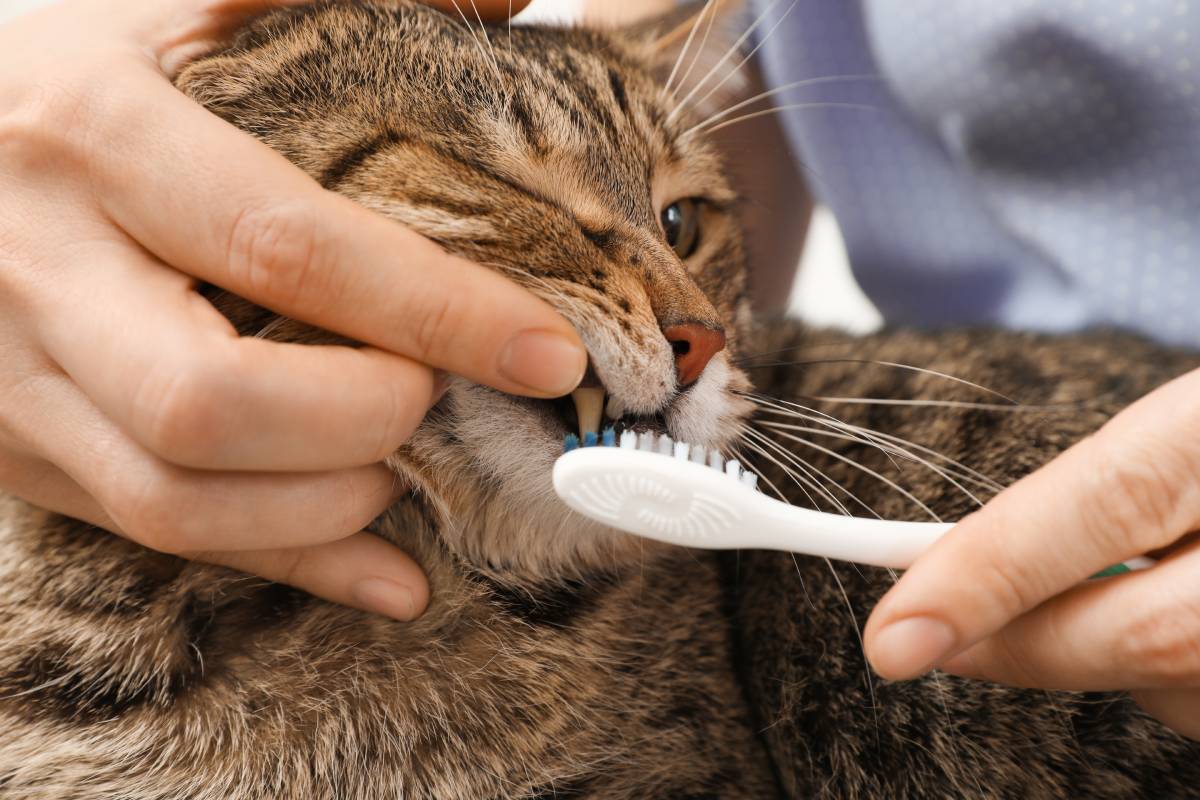
Credit: weareallaboutcats.com
Frequently Asked Questions
Are You Supposed To Brush Your Cat's Teeth?
Yes, you should brush your cat's teeth regularly. It helps prevent dental disease and promotes overall health. Use a cat-specific toothbrush and toothpaste for best results. Start slowly to get your cat accustomed to the process. Regular dental care can extend your cat's life and well-being.
What To Do If A Cat Won't Let You Brush Your Teeth?
Try using a dental treat or toy to clean your cat's teeth. Gradually introduce the toothbrush with positive reinforcement. Ensure a calm environment and handle your cat gently. Consult a vet for alternative dental care methods if needed. Prioritize your cat's comfort and well-being.
How Do I Brush My Cat's Teeth At Home?
Use a cat-specific toothbrush and toothpaste. Gently lift their lip, brush in small circles. Start slowly to get them comfortable. Reward with treats for good behavior. Regular brushing prevents dental issues.
Can I Use Toothpaste On My Cat?
No, do not use human toothpaste on your cat. It contains harmful ingredients like fluoride. Use cat-specific toothpaste for safe dental care.
Conclusion
Brushing your cat's teeth is essential for their health. Regular brushing prevents plaque and tartar. It keeps their breath fresh and gums healthy. Start with gentle brushing. Use a cat-friendly toothbrush and toothpaste. Gradually increase the brushing time. Make it a fun routine.
Praise your cat for good behavior. Patience is key. Consistency helps your cat adapt. Keep the process stress-free. Dental care boosts your cat's overall well-being. Enjoy bonding through this routine. A healthy smile means a happy cat.
