
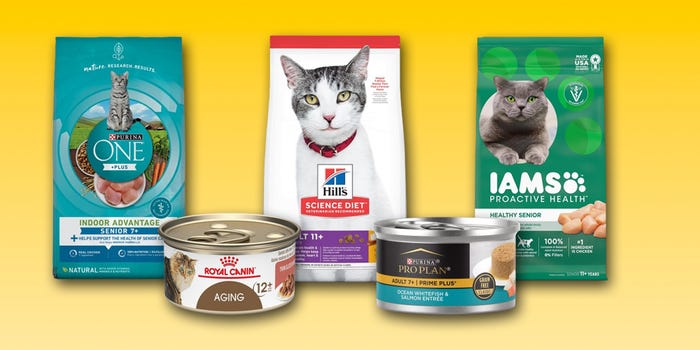
Are you worried about your aging cat's nutritional needs? As your beloved feline friend grows older, their dietary requirements change, and it becomes crucial to ensure they receive the right nutrients to stay healthy and active.
You might wonder what you can do to give your geriatric cat the extra nutrition they need. You're not alone in this concern. Many pet owners face the same challenge and want the best for their cats. This article will guide you through simple, effective ways to boost your cat's diet, helping them thrive in their golden years.
Discover the secrets to enhancing your cat's nutrition and ensure they enjoy a happy, healthy life with you. Ready to explore how you can make a difference for your aging cat? Let's dive in and uncover the best strategies for supporting your feline friend's health.
Nutritional Needs Of Older Cats
Understanding the nutritional needs of older cats is crucial for their health. As cats age, their metabolism and dietary requirements change. Older cats may struggle to digest certain foods. They often need a diet rich in specific nutrients.
Protein Requirements For Senior Cats
Older cats need high-quality protein for muscle maintenance. Choose protein sources that are easily digestible. Chicken and fish are excellent options. Monitor protein intake to avoid kidney strain.
Importance Of Hydration
Senior cats often drink less water. Ensure they stay hydrated for kidney health. Wet cat food can help increase water intake. Providing fresh water is also essential.
Essential Fatty Acids
Essential fatty acids support joint and skin health. Omega-3 and Omega-6 are vital for older cats. Fish oil supplements can be beneficial.
Vitamins And Minerals
Vitamins and minerals boost immune function. Older cats need antioxidants like Vitamin E. Calcium is important for bone health. Ensure a balanced intake through diet or supplements.
Fiber Intake For Digestive Health
Fiber aids in maintaining a healthy digestive system. It helps prevent constipation in older cats. Consider fiber-rich foods or supplements.
Monitoring And Adjusting Diet
Regular vet check-ups can guide dietary adjustments. Monitor weight and appetite changes. Adjust nutrition based on health needs.
Choosing The Right Cat Food
Choosing the right cat food is crucial for your geriatric cat's health. Older cats need extra nutrition to stay healthy and active. Their dietary needs change as they age. Selecting the right food can support their overall well-being.
Wet Vs. Dry Food
Wet food is often easier to chew for older cats. It provides moisture, which helps with hydration. Dry food can help with dental health, but may be harder for some cats to chew. Consider your cat's dental condition when selecting food.
Importance Of Protein
Protein is vital for maintaining muscle mass in aging cats. Look for foods with high-quality protein sources. Chicken, fish, and turkey are excellent choices. Ensure the food provides enough protein to meet your cat's needs.
Supplements For Senior Cats
Senior cats often require additional nutrition to maintain their health. Supplements like omega-3 fatty acids support joint health and boost immunity. Antioxidants can help protect against age-related diseases, ensuring your geriatric cat stays vibrant and healthy.
As our cats age, their nutritional needs change. Supplementing their diet can help maintain their health and vitality. Senior cats may not absorb nutrients as effectively as they once did, making supplements a valuable addition to their diet. But which supplements are truly beneficial for your furry friend? Here are some key supplements to consider:
Omega-3 Fatty Acids
Omega-3 fatty acids are known for their anti-inflammatory properties. They can help support your senior cat's joint health and improve coat condition. Adding fish oil to their diet is a simple way to provide these benefits. Some cat owners have reported seeing improvements in their pet's mobility after introducing Omega-3 supplements. Could this be the extra boost your cat needs?
Vitamins And Minerals
As cats age, their ability to absorb certain vitamins and minerals diminishes. Essential vitamins such as B12 and minerals like potassium can support overall health. Consider a multivitamin specifically designed for senior cats. These products often contain balanced levels of necessary nutrients. Have you checked if your cat's diet includes these vital components? Always consult your veterinarian before adding supplements to your cat's diet. They can provide personalized advice based on your cat's health and needs.

Credit: www.amazon.com
Homemade Food Options
Homemade food options can be a nourishing choice for your geriatric cat. Preparing meals at home gives control over ingredients and freshness. Cats require specific nutrients for health and energy. Homemade meals can provide these, making them a viable solution. Understanding balanced recipes and essential ingredients is key. Let's explore how to create nutritious meals for your aging feline friend.
Balanced Recipes
Creating balanced recipes is crucial for your cat's health. Ensure protein sources like chicken or fish are included. Balance them with carbohydrates such as rice or sweet potatoes. Include a small amount of healthy fats, like olive oil. Vitamins and minerals from vegetables like peas or carrots are important. Avoid ingredients harmful to cats, such as onions and garlic.
Ingredients To Include
Choosing the right ingredients is essential for a balanced diet. Protein should be the main component. Chicken, turkey, or fish can be great options. Carbohydrates like rice or oats add energy. Include vegetables for vitamins and minerals. Peas and carrots are safe choices. Add omega-rich oils for healthy fats. Ensure portion sizes fit your cat's needs.
Hydration Strategies
Providing extra nutrition to a geriatric cat can be challenging. Consider adding wet food or broth to increase hydration. Nutrient-rich treats can supplement their diet, ensuring they receive essential vitamins and minerals.
As cats age, their hydration needs often increase. Proper hydration is crucial for maintaining kidney health and overall well-being. Older cats can struggle to drink enough water, leading to dehydration. Implementing effective hydration strategies can significantly improve their quality of life.
Encouraging Water Intake
Ensure fresh water is always available for your cat. Change the water daily to keep it appealing. Cats prefer running water, so consider a pet water fountain. The sound and movement can entice them to drink more. Place multiple water bowls around your home. This makes it easier for your cat to access water anytime.
Hydration-boosting Foods
Wet cat food is an excellent way to increase hydration. It contains higher moisture content compared to dry food. Choose high-quality wet foods with natural ingredients. You can also add water or low-sodium chicken broth to their meals. This enhances flavor while providing extra fluids. Be cautious with broth additives and sodium levels. Always consult your vet before making dietary changes.
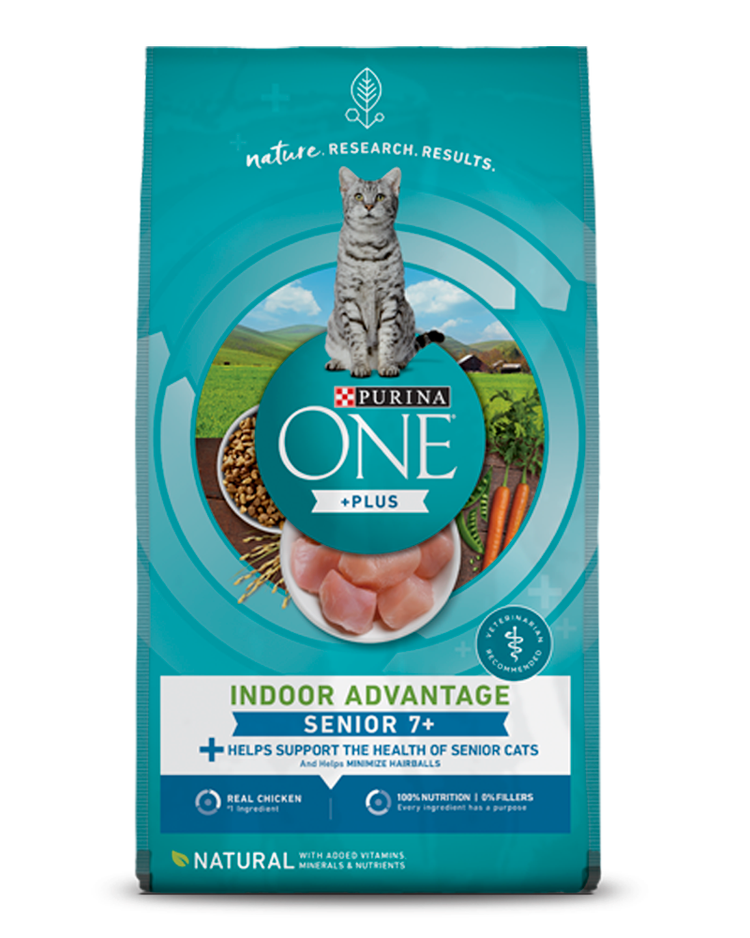
Credit: www.purina.com
Addressing Dental Health
Boosting dental health in geriatric cats includes providing essential nutrients. Soft, high-protein foods can improve both oral and overall health. Adding omega-3 fatty acids and taurine supports dental strength and vitality.
Addressing the dental health of your geriatric cat is essential. Poor dental health can affect overall wellness. Older cats often face dental challenges. These can lead to decreased appetite. Providing extra nutrition that supports dental health is crucial.
Dental-friendly Foods
Certain foods support dental health in older cats. These foods are softer and easy to chew. Look for wet cat food with high moisture content. This helps in cleaning teeth naturally. Choose foods enriched with essential nutrients. Omega fatty acids and vitamins are beneficial. Some cat foods are designed to reduce tartar buildup. Check labels for dental health claims.
Chews And Toys
Chews and toys play a significant role in dental care. Dental chews help remove plaque from your cat's teeth. They also provide entertainment and stimulate gums. Choose chews specifically made for older cats. These are softer and easy to handle. Toys that encourage chewing can also be beneficial. Rubber or nylon toys are durable and safe. Regular use of chews and toys helps maintain dental health.
Consulting With A Veterinarian
Consulting with a veterinarian helps identify the best nutritional supplements for your aging cat. Tailored advice ensures your cat receives essential nutrients for a healthy life. Regular check-ups can guide dietary adjustments to support your pet's well-being.
Consulting with a veterinarian is a vital step when considering extra nutrition for your geriatric cat. Veterinarians have the expertise to assess your cat's health and nutritional needs comprehensively. By discussing your concerns with them, you can ensure that your feline friend receives the best care tailored to their unique requirements.
Routine Health Checks
Regular health checks are crucial for aging cats. These appointments allow your vet to monitor your cat's overall health and catch any potential issues early. Think of routine checks as preventive care that can save your cat from unnecessary discomfort or health complications. During these visits, your vet might perform blood tests, check weight, and assess kidney and liver function. These tests give a clear picture of what your cat needs nutritionally. What specific changes has your vet recommended during these checks?
Personalized Diet Plans
A personalized diet plan can make a significant difference in your cat's well-being. Vets can recommend specific foods or supplements that cater to your cat's age, health status, and preferences. For example, if your cat has kidney issues, a diet low in phosphorus might be suggested. Have you ever noticed how some cats turn their noses up at certain foods? A vet can help navigate these picky eating habits with tailored suggestions. A customized diet plan can also help manage weight, ensuring your cat stays at a healthy size. What steps have you taken to adjust your cat's diet based on a vet's advice?

Credit: www.vetriscience.com
Recognizing Feeding Challenges
Recognizing feeding challenges in older cats is essential for their well-being. Offer high-quality proteins and omega-rich foods to boost nutrition. Wet food can be easier to digest and more appealing to aging cats.
Recognizing Feeding Challenges As our furry friends age, they may face several challenges that can affect their nutritional intake. Identifying these challenges early can help you make necessary adjustments to keep your geriatric cat healthy. Understanding these issues allows you to provide the best care possible.
Decreased Appetite
Cats, especially older ones, can become picky eaters. A decreased appetite might be a sign of health issues or simply a change in preferences. It's crucial to pay attention to their eating habits and consult your vet if you notice significant changes. Offering small, frequent meals can entice your cat to eat more. You might also want to try warming their food slightly to enhance its aroma, making it more appealing.
Feeding Tools And Aids
Innovative feeding tools can make a big difference for a geriatric cat. Elevated bowls, for instance, can make eating more comfortable, especially if your cat has arthritis or other joint issues. Puzzle feeders not only encourage them to eat but also provide mental stimulation. In my experience, a simple change like switching to a wider, shallower bowl helped my senior cat eat more comfortably. Consider using a feeding syringe or spoon-feeding if your cat is struggling significantly. Always ensure these methods are gentle and stress-free for your pet. Have you ever thought about how a small change in feeding tools could drastically improve your cat’s eating habits?
Frequently Asked Questions
What Can I Feed My Elderly Cat To Help Her Gain Weight?
Feed your elderly cat high-quality, protein-rich wet food. Choose foods with added nutrients and healthy fats. Consult your veterinarian for tailored dietary advice and supplements. Regularly monitor her weight and adjust portions as needed. Ensure fresh water is always available to support hydration and overall health.
How To Get An Elderly Cat To Eat More?
Entice your elderly cat to eat more by offering warmed, soft foods. Experiment with different flavors and textures. Provide smaller, frequent meals to encourage appetite. Ensure a comfortable and quiet eating environment. Consult a vet for appetite stimulants if necessary.
What Can I Add To My Senior Cat's Food?
Enhance senior cat food with wet canned options, bone broth, or fish oil for added moisture and nutrients. Add cooked chicken or turkey for protein. Incorporate pumpkin for digestion. Consult your vet to ensure appropriate supplements. Keep changes gradual and monitor your cat's response.
Why Is My Old Cat So Bony?
Old cats may become bony due to muscle loss, dental issues, or kidney disease. Ensure your cat eats well and consult a vet for advice. Regular check-ups help identify and manage underlying health problems. A balanced diet and proper care can improve your cat's overall health and body condition.
Conclusion
Giving your geriatric cat extra nutrition boosts their health. Focus on quality food. Include proteins, vitamins, and minerals. Hydration is key. Wet food helps. Consider supplements with vet advice. Monitor weight and energy levels. Changes can mean different needs. Keep regular vet check-ups.
They guide your cat's diet. Tailored nutrition supports longevity. Happy, healthy cats live longer. Make small, thoughtful adjustments. Your cat will thank you for it. Enjoy the moments with your furry friend. Their comfort matters most. Nurturing their diet nurtures their life.
