
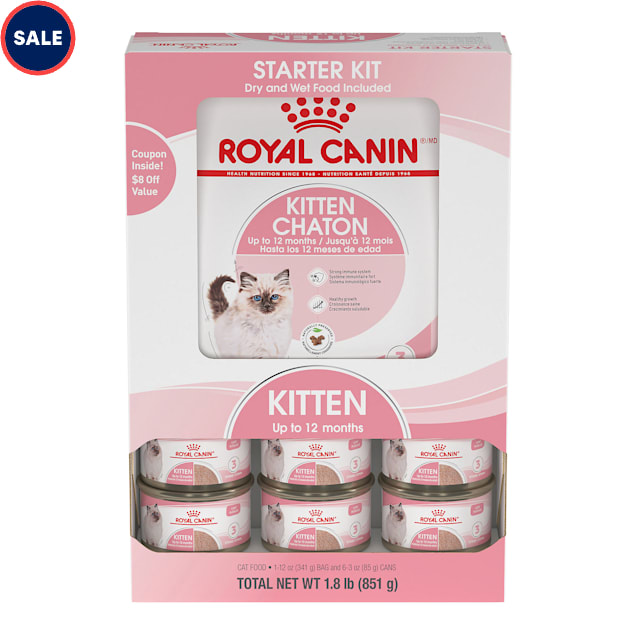
Are you a proud parent to a new litter of kittens? Watching a mother cat nurture her babies is truly heartwarming, but ensuring she gets the right nutrition is crucial for the health of her kittens.
You might wonder what extra nutrition a nursing mother cat needs to stay strong and provide the best care for her little ones. With the right guidance, you can make a huge difference in her well-being and her kittens' growth.
Keep reading to discover simple, effective ways to boost her nutrition and keep your furry family thriving.

Credit: petag.com
Essential Nutrients For Nursing Cats
Providing balanced nutrition helps nursing cats stay healthy. Offer high-quality kitten food rich in protein and fat. Ensure access to fresh water and consider supplements like omega-3 fatty acids for added benefits.
Nursing cats require a well-balanced diet packed with essential nutrients to support their increased energy needs and ensure the health of their kittens. Providing the right nutrition not only helps the mother cat produce enough milk but also enhances her overall well-being during this demanding period. Let's explore the key nutrients that should be included in her diet for optimal health and vitality.
Protein Sources
Protein is crucial for nursing cats as it supports milk production and helps maintain muscle mass. High-quality protein sources such as chicken, turkey, and fish can be excellent choices. Consider incorporating wet cat food specifically formulated for nursing cats, as it often contains higher protein levels. You can also try adding small amounts of cooked eggs or lean meats to her meals for an extra protein boost. Regularly monitor her intake to ensure she's getting enough protein without overfeeding.
Healthy Fats
Healthy fats are essential for energy and the development of the kittens' brains and eyes. Look for foods containing omega-3 and omega-6 fatty acids, commonly found in fish oil and flaxseed. Adding a small amount of these oils to her diet can make a significant difference in her energy levels and the quality of her milk. Be cautious not to overdo it, as too much fat can lead to weight gain.
Vitamins And Minerals
Vitamins and minerals play a vital role in supporting the immune system and overall health of a nursing cat. Foods rich in calcium, phosphorus, and vitamins A and D are particularly important. Consider adding a high-quality vitamin supplement specifically designed for lactating cats to her diet. Before making any changes, consult your veterinarian to ensure you're providing the right balance of nutrients.
Hydration Importance
Nursing mother cats need extra care. Hydration plays a key role in their health. Proper hydration ensures milk production and overall well-being. It supports digestion and nutrient absorption. Dehydration can lead to health issues. Keeping mother cats hydrated is essential.
Water Intake
Fresh water is vital for nursing cats. Ensure they have constant access to clean water. Change the water daily to keep it fresh. Some cats prefer running water. Consider a pet water fountain. It encourages more drinking. Hydration aids milk production and keeps them active.
Moisture-rich Foods
Wet food is an excellent option for nursing cats. It contains higher moisture than dry food. This helps in keeping them hydrated. Choose canned food with natural ingredients. Ensure the food is high in protein. Protein supports lactation and energy levels. Adding broth to their food can boost moisture content. Chicken or beef broth works well. Make sure it’s unsalted and free from additives. This provides extra hydration and nutrition.
Feeding Schedule Strategies
Enhancing a nursing mother cat’s diet involves offering protein-rich foods like chicken or fish. Incorporate calcium supplements for strong bones and overall health. Ensure access to fresh water, maintaining hydration and supporting milk production.
Feeding a mother cat during nursing requires special attention. Proper nutrition ensures her health and the kittens' development. A well-planned feeding schedule helps manage her nutritional needs effectively. Establishing a routine aids in monitoring her intake and adjusting as required.
Frequency Of Meals
Nursing cats benefit from frequent meals. Offer food multiple times daily. Three to four meals work well. This keeps her energy levels steady. Nursing depletes a cat's energy quickly. Regular feeding helps replenish it. Each meal should be nutrient-rich. Include proteins, fats, and vitamins. Consistent feeding prevents malnutrition.
Portion Control
Monitor the portion sizes carefully. Overfeeding can lead to obesity. Underfeeding risks malnutrition. Measure food portions accurately. Adjust based on her weight and activity. A balanced diet is crucial. Consider her size and breed too. Large breeds may need more food. Small breeds require less. Keep track of her body condition. Adjust portions as needed for optimal health.

Credit: www.instagram.com
Supplements For Lactating Cats
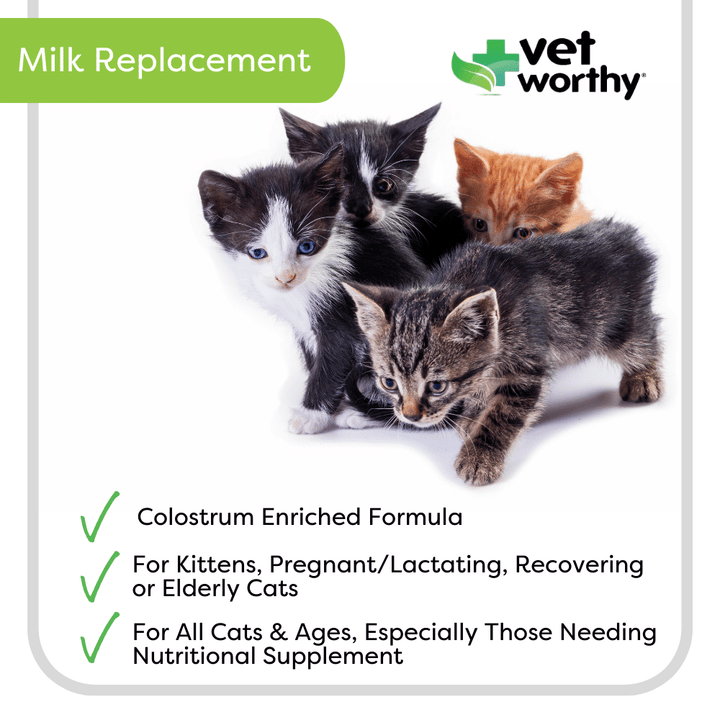
Supplements can greatly enhance the nutrition of lactating cats. They need more nutrients to support their kittens. Proper supplements ensure they get essential vitamins and minerals. This helps in maintaining their health and energy levels. Always consult a vet before adding any supplement.
Calcium Boosts
Calcium is vital for nursing cats. It supports bone health and muscle function. Low calcium may lead to muscle weakness. You can provide calcium-rich supplements. These help in replenishing the calcium used during milk production. Yogurt is another good source. Ensure it's plain and unsweetened.
Omega-3 Fatty Acids
Omega-3 fatty acids are important for a lactating cat. They promote brain health and improve vision for kittens. Fish oil is a great source of Omega-3. It helps in reducing inflammation. Adding Omega-3 supplements boosts the overall health of the mother cat. Check for high-quality fish oil capsules. Make sure they are safe for cats.
Choosing The Right Cat Food
Choosing the right cat food for a nursing mother cat is crucial. It ensures she receives the extra nutrition needed for her and her kittens. The diet should be rich in essential nutrients to support her energy and milk production.
Commercial Formulas
Commercial cat foods are convenient and balanced. They are formulated specifically for lactating cats. Look for those labeled for kittens or nursing cats. These products contain higher protein and fat levels. They provide essential vitamins and minerals. Ensure the brand is reputable and trusted. Read the labels carefully to understand the ingredients. Avoid foods with artificial additives or fillers.
Homemade Diets
Homemade diets offer control over ingredients. They allow you to provide fresh, whole foods. Include protein sources like chicken or fish. Add carbohydrates such as rice or oats. Vegetables can supply fiber and vitamins. Ensure you include taurine, an essential amino acid. Consult with a vet for a balanced recipe. Adjust portions to meet the nursing cat's energy needs. Homemade diets can be tailored, but require careful planning.
Credit: vetworthy.com
Monitoring Health And Weight
Monitoring a mother cat's health and weight during nursing is crucial. Proper nutrition supports her and her kittens' well-being. Observing changes in weight and health can help address nutritional needs promptly. Understanding key signs helps ensure both mother and kittens thrive.
Signs Of Nutritional Deficiency
Recognizing signs of deficiency is important for a nursing cat. Look for dull fur or hair loss. Watch for fatigue or a lack of energy. Unusual weight loss can also indicate a problem. Check for poor appetite or unusual eating habits. These signs may suggest dietary adjustments are needed.
Maintaining Optimal Weight
Maintaining a healthy weight is vital for a nursing cat. Regularly weigh her to monitor changes. A slight weight gain is normal during nursing. Ensure her diet is rich in proteins and fats. Provide fresh water to keep her hydrated. Consult a vet if weight loss is significant.
Consulting A Veterinarian
Consulting a veterinarian ensures mother cats receive the right nutrients while nursing. Vets recommend high-quality kitten food for extra protein and calories. Supplementing with omega-3 fatty acids and taurine can also support the cat's health and milk production.
Consulting a veterinarian is a crucial step in ensuring your nursing cat gets the extra nutrition she needs. A vet’s insights can provide tailored advice specific to your cat’s health, breed, and current condition. Their expertise can guide you in making informed choices, ensuring both the mother cat and her kittens thrive.
Regular Check-ups
Regular check-ups are vital for monitoring your nursing cat's health. These visits allow the vet to assess weight, hydration, and overall wellbeing. In one of my experiences, a simple check-up revealed a deficiency that was easily corrected with a supplement, leading to a visibly healthier cat and kittens.
Professional Advice
Professional advice can make a world of difference. A vet can suggest specific foods or supplements that support lactation and overall health. Have you ever wondered if your cat's diet is really meeting her nutritional needs? A vet can help you answer that question confidently. Engaging with a vet can also prevent potential health issues before they arise. Imagine the peace of mind knowing you’re providing the best care for your furry family. Taking the proactive step of consulting a veterinarian can ensure your cat receives the optimal nutrition she requires during this critical time.
Frequently Asked Questions
What Should Mom Cats Eat When They Are Lactating?
Lactating mom cats need high-quality kitten food rich in protein and fat. Ensure fresh water is always available. Offer small, frequent meals to support energy needs. Consult a vet for specific dietary recommendations.
How To Fatten Up A Cat After Having Kittens?
Offer high-quality kitten food to boost calories and nutrients. Feed small, frequent meals throughout the day. Ensure fresh water is always available. Consult a vet for dietary supplements if necessary. Provide a stress-free, comfortable environment to encourage eating. Regular vet check-ups ensure her health and nutritional needs are met.
Do Nursing Mom Cats Need More Food?
Yes, nursing mom cats need more food. Their energy requirements increase significantly to support milk production. Ensure they consume high-quality, nutrient-rich food for optimal health. Providing adequate nutrition helps kittens grow and develop properly. Monitor the mother cat's weight and adjust food portions accordingly.
How To Get A Nursing Cat To Eat More?
Offer high-quality, nutrient-rich food to increase your nursing cat's appetite. Provide frequent, small meals. Ensure fresh water is always available. Create a calm eating environment. Consult a vet for tailored advice if necessary.
Conclusion
Nourishing mother cats is crucial for their health and kittens' growth. Provide balanced meals rich in protein and vitamins. Fresh water is essential for hydration. Consider supplements like fish oil for extra nutrients. Keep portions appropriate to avoid overfeeding. Regular vet check-ups ensure dietary needs are met.
Understanding your cat's preferences helps maintain a healthy diet. A well-nourished cat means healthier kittens. Aim for variety to prevent boredom with meals. Ensuring proper nutrition supports overall wellbeing. Prioritize your cat's health for a happy feline family.
