
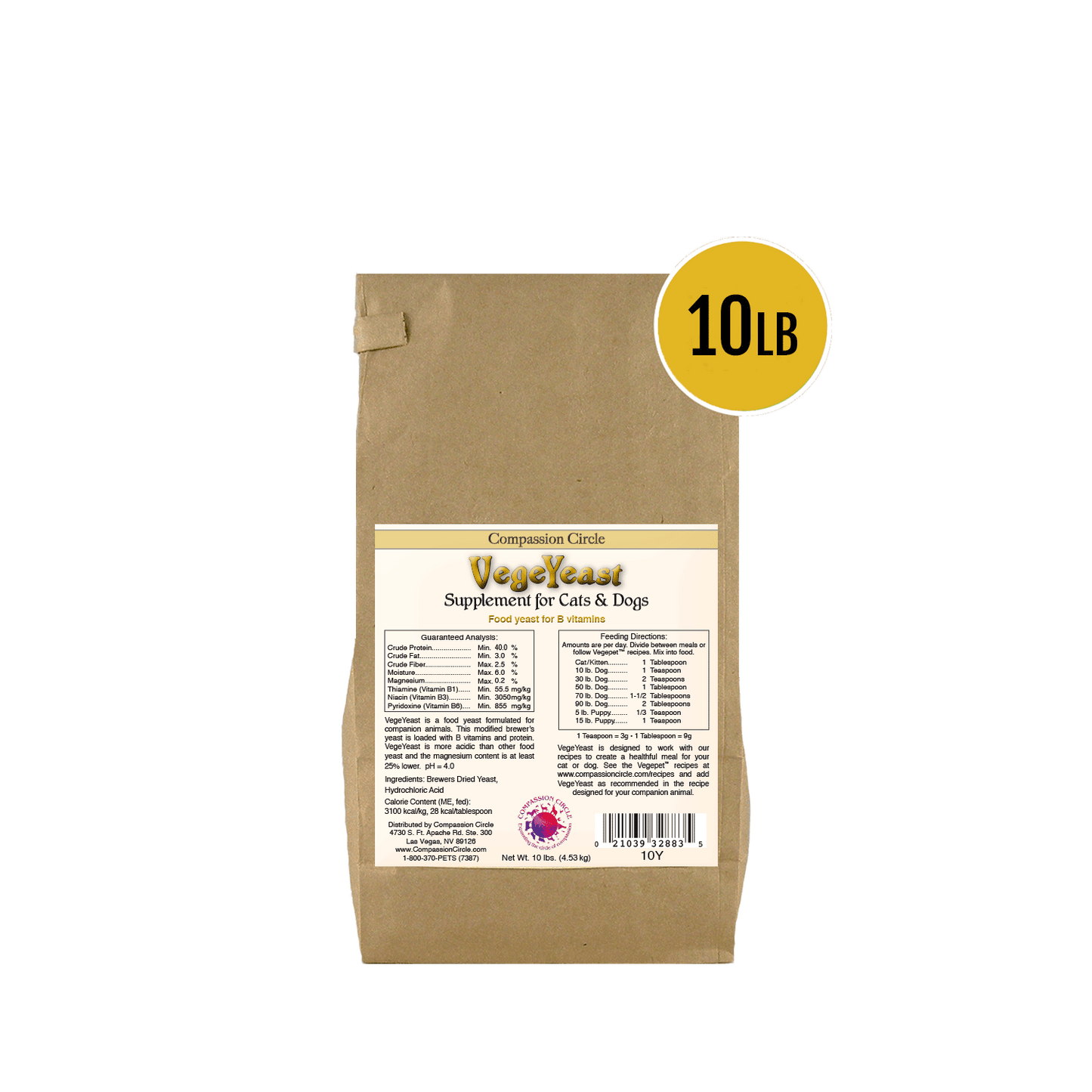
Have you ever wondered if nutritional yeast is safe for your cat? As a pet owner, you always want the best for your furry friend.
You might have heard about nutritional yeast and its health benefits for humans. But is it good for your cat too? Imagine giving your cat something that not only tastes good but also boosts their health. The idea is tempting, right?
Before you sprinkle this golden powder into your cat's bowl, you need to know the facts. You'll discover the truth about nutritional yeast and its effects on your cat's health. We'll uncover the benefits and potential risks, helping you make an informed decision. Let's dive in and find out how this popular supplement could impact your cat's well-being.
What Is Nutritional Yeast?
Nutritional yeast is a deactivated yeast rich in vitamins, especially B-complex vitamins. Many cat owners wonder if it's good for their pets. It can be a healthy supplement in small amounts, enhancing flavor and nutrition in their diet.
Is nutritional yeast something you've heard about but never quite understood? You're not alone. Many pet owners are curious about this unique ingredient and its benefits for both humans and animals. Understanding what nutritional yeast is can help you make informed decisions about your cat's diet. Nutritional yeast is a deactivated form of yeast, which means it’s not alive. It’s derived from a species of yeast known as Saccharomyces cerevisiae. Unlike the yeast used in baking, this type doesn’t cause dough to rise. It's often sold in the form of flakes or powder and is known for its cheesy, nutty flavor. This makes it a popular seasoning for those looking to add a savory boost to their meals. It’s also a favorite among vegans for its high vitamin B12 content, a nutrient often lacking in plant-based diets.
Rich In Nutrients
Nutritional yeast is packed with essential nutrients. It's a great source of protein, making it beneficial for your cat's muscle development and repair. It also contains a variety of B vitamins, which are crucial for energy production. Moreover, it includes trace minerals like zinc and selenium. These play important roles in maintaining a healthy immune system and metabolism.
Free From Unwanted Additives
Unlike some commercial cat foods, nutritional yeast doesn’t contain artificial flavors or preservatives. This makes it a natural choice for adding flavor and nutrients to your cat’s diet. However, it's important to ensure it’s free from any added salt or sugar, which could be harmful to your pet.
Potential Benefits For Cats
Could nutritional yeast help with your cat's picky eating habits? Its savory taste might just do the trick. Many cats find the flavor irresistible, which can be a helpful addition if you’re trying to encourage them to eat a new food. Additionally, the B vitamins in nutritional yeast may support a healthy coat and skin. This could be particularly beneficial if your cat suffers from dry skin or dull fur.
Considerations Before Adding To Your Cat’s Diet
Before you start sprinkling nutritional yeast over your cat's meals, it’s wise to consult your veterinarian. Your vet can offer advice tailored to your cat's specific health needs. Plus, they can help you determine the appropriate amount to add to avoid any potential digestive issues. Have you ever tried giving your cat nutritional yeast? Your experience could offer valuable insights for other pet owners.

Credit: primalpetfoods.com
Nutritional Composition
Nutritional yeast is a popular supplement for cats. It's praised for its rich nutrients. Let's explore its nutritional composition and how it benefits your furry friend.
Vitamins And Minerals
Nutritional yeast is packed with essential vitamins. B-complex vitamins are abundant in it. They support your cat's energy and metabolism. It also contains minerals like zinc and selenium. These minerals boost your cat's immune system.
Protein Content
Protein is crucial for a cat's health. Nutritional yeast offers a good protein source. It helps in muscle growth and repair. This can be beneficial for active cats. Protein also aids in a shiny coat and healthy skin.
Fiber And Other Nutrients
Fiber is important for digestion. Nutritional yeast has a decent fiber content. It can help in regulating bowel movements. Other nutrients like antioxidants are present too. They can protect cells from damage. This makes nutritional yeast a valuable addition to your cat's diet.
Potential Health Benefits For Cats
Nutritional yeast has become a trendy addition to cat diets, but why is it gaining popularity? This flavorful yeast might be more than just a tasty treat. It offers several potential health benefits that could improve your cat's well-being.
Improved Coat And Skin Health
Nutritional yeast is rich in B-vitamins, which are essential for maintaining healthy skin and fur. Have you noticed your cat's coat looking a bit dull? Adding nutritional yeast could help restore that glossy shine. The yeast also contains biotin, which supports skin health and may reduce itching and dryness.
Digestive Health Support
Is your cat experiencing digestive issues? Nutritional yeast contains probiotics that can promote a healthy gut. These friendly bacteria help balance the digestive system, potentially reducing the risk of diarrhea and constipation. Offering a small amount of nutritional yeast might just improve your feline friend's digestion.
Immune System Boost
Every cat owner wants their pet to be healthy and resilient. Nutritional yeast is packed with antioxidants, which play a crucial role in boosting the immune system. This added support can help your cat fend off common illnesses and maintain overall health. Could nutritional yeast be the immune boost your cat needs?
Safe Usage And Dosage
Choosing the right food supplements for your cat can be a challenge. Nutritional yeast is a popular option among pet owners. Understanding safe usage and dosage is key. It ensures your cat benefits without any harm.
Recommended Amounts
Start small with nutritional yeast. A pinch or teaspoon is usually enough. Adjust based on your cat's size and health needs. Consult a vet for exact recommendations.
Mixing With Cat Food
Mix nutritional yeast into regular cat food. Blend it well to avoid clumps. This helps your cat eat it without noticing. Ensure the yeast is evenly distributed.
Frequency Of Use
Use nutritional yeast sparingly. Offer it a few times a week. Too much can cause digestive issues. Monitor your cat's reaction closely. Adjust frequency as needed.
Possible Risks And Side Effects
Nutritional yeast is often praised for its health benefits. But it can pose risks to cats. Owners must be aware of potential side effects. Understanding these can help keep pets safe.
Allergic Reactions
Cats can have allergic reactions to new foods. Nutritional yeast is no exception. Symptoms may include itching or swelling. Your cat might also experience digestive upset. Always introduce new foods slowly. Watch for any signs of discomfort.
Excessive Intake Concerns
Feeding too much nutritional yeast can lead to issues. It contains high levels of certain nutrients. Excessive intake could cause imbalances. This can affect your cat's health negatively. Maintain a balanced diet to avoid problems.
Signs To Watch For
Observe your cat after introducing nutritional yeast. Look for changes in behavior or appetite. Vomiting or diarrhea are warning signs. Lethargy or unusual scratching should be noted. Always consult a vet if concerns arise.
Credit: cattime.com
Veterinarian Insights
Nutritional yeast has gained attention for its health benefits. But is it good for cats? Veterinarians provide insights into this topic. Their expertise helps pet owners make informed decisions.
Veterinarians suggest approaching new foods with caution. Cats have unique dietary needs. Understanding these helps ensure their well-being.
Professional Recommendations
Veterinarians often recommend consulting them before introducing new foods. Nutritional yeast contains B vitamins and proteins. These can be beneficial in small amounts.
Some vets suggest using it as a treat. It should not replace regular cat food. Moderation is key to avoid potential issues.
Individual Cat Considerations
Every cat has different nutritional needs. Some may have allergies or sensitivities. It's important to observe how your cat responds to nutritional yeast.
Watch for any signs of discomfort or allergic reactions. If in doubt, seek professional advice. Your cat's health should always come first.
Alternative Supplements For Cats
Exploring nutritional yeast as a supplement for cats can offer potential benefits. Rich in B-vitamins, it may support your cat's overall health. Always consult your vet before introducing new supplements to your pet's diet.
Cats need specific nutrients for a healthy life. While nutritional yeast is popular, there are other supplements to consider. Exploring alternatives can enhance your cat's diet and well-being. Each option offers unique benefits and can complement nutritional yeast.
Other Nutritional Options
Pet owners can choose from various supplements. Fish oil is rich in omega-3 fatty acids. It supports skin health and boosts immunity. Probiotics improve digestion and gut health. Taurine is crucial for heart and eye health. These supplements can be mixed with regular food.
Comparative Benefits
Each supplement offers distinct advantages. Fish oil promotes a shiny coat and healthy joints. Probiotics balance the digestive system and prevent upset stomachs. Taurine supports heart muscle and retinal health. Nutritional yeast provides vitamin B and protein. Combining these can create a balanced nutrition plan for your cat.

Credit: www.lundsandbyerlys.com
Frequently Asked Questions
Can I Give My Cat Nutritional Yeast Every Day?
Yes, you can give your cat nutritional yeast daily in moderation. It boosts their diet with vitamins. Ensure it doesn't replace their main food. Consult your vet for the correct amount suitable for your cat's needs. Avoid overfeeding to prevent potential digestive issues.
Why Do Cats Love Nutritional Yeast?
Cats love nutritional yeast for its cheesy flavor and aroma. It's rich in B-vitamins and protein, which are essential for cats. This tasty supplement enhances their diet and satisfies their taste preferences. Nutritional yeast can also be sprinkled on food to encourage picky eaters to consume their meals.
Is There A Downside To Nutritional Yeast?
Some people may experience allergies or digestive issues from nutritional yeast. High purine content can affect those with gout. Consuming large amounts might lead to headaches or migraines due to tyramine. Always consult a healthcare professional if you have concerns.
Is Nutritional Yeast Safe For Pets?
Nutritional yeast is generally safe for pets in moderate amounts. It provides B-vitamins and protein. Always consult your veterinarian before introducing it to your pet's diet. Overconsumption can lead to digestive issues. Ensure it's unflavored and free from added ingredients.
Conclusion
Exploring nutritional yeast for your cat can be rewarding. It's packed with vitamins, especially B-complex. Many cats enjoy its cheesy flavor. But moderation is key. Too much might upset their tummy. Always check with your vet before adding new foods.
Start with a small amount. Watch for any signs of allergies. Remember, each cat is unique. Their dietary needs can differ. A balanced diet supports their health. Nutritional yeast can be a tasty supplement. But it shouldn't replace their main food.
Keep your cat's well-being as the top priority. With care, nutritional yeast can be a safe treat.
