
Nutritional yeast has become a popular supplement for health-focused humans, and many cat owners wonder if this savory, nutrient-dense ingredient is safe and beneficial for their feline friends. As an obligate carnivore with very specific nutritional requirements, cats thrive on a balanced, species-appropriate diet, and any supplemental food should never replace their core meals. Plain, unsalted nutritional yeast is generally safe for most healthy adult cats in small, controlled portions, and can offer a handful of practical perks when used correctly. This guide breaks down the proven benefits, potential risks, safe serving guidelines, and key considerations to help you decide if nutritional yeast is right for your cat, per guidance from the Cornell Feline Health Center Cornell Feline Nutrition Guidelines.
What Is Nutritional Yeast, and How Does It Differ From Other Yeast Products?
Nutritional yeast is a deactivated strain of Saccharomyces cerevisiae yeast, grown specifically for its nutritional value rather than baking or brewing purposes. After cultivation, the yeast is heat-treated to halt all fermentation activity, so it will not cause dough to rise or ferment in your cat’s digestive tract. This distinguishes it from brewer’s yeast, a bitter-tasting byproduct of beer brewing that is sometimes added to commercial pet foods but has a different nutrient profile and may contain trace amounts of residual alcohol. You can also read our guide on purina pro plan urinary wet cat food.
The final product is sold as a flaky or powdery supplement with a distinct umami, cheesy flavor that many cats find highly palatable. It is packed with B-complex vitamins (including B1, B2, B3, B5, B6, B7/biotin, B12, and folate), 40–50% protein by weight, and trace minerals like zinc, selenium, and magnesium. While cats require animal-based protein to meet their essential amino acid needs, the amino acids in nutritional yeast can act as a supplemental source to support overall health.
Documented Benefits of Nutritional Yeast for Cats
When served in appropriate portions, plain nutritional yeast can offer several evidence-backed perks for felines:
B-Vitamin Support for Metabolic and Nerve Function
The B-vitamins in nutritional yeast support energy production, nerve function, and red blood cell health in cats. While healthy cats can synthesize some B-vitamins in their gut, dietary intake is especially beneficial for cats with inflammatory bowel disease (who often have impaired B-vitamin absorption) or cats on homemade diets that may be micronutrient-deficient. You can also read our guide on can you train cats like dogs.
Palatability Boost for Picky Eaters
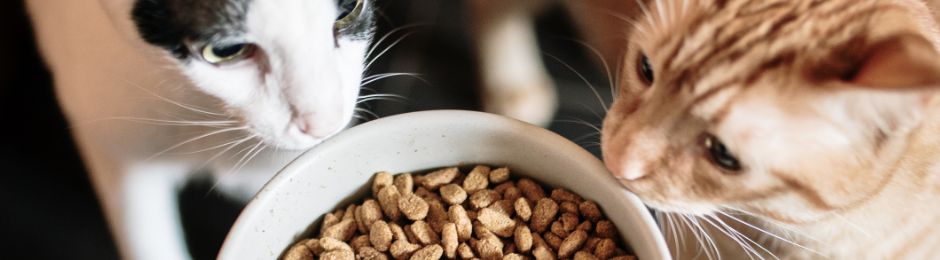
One of the most practical uses of nutritional yeast is encouraging picky cats to eat full meals. Cats can develop food aversions due to boredom, dental pain, or underlying illness, and skipping meals for 24–48 hours can trigger life-threatening hepatic lipidosis, especially in overweight cats. The savory, cheesy flavor of nutritional yeast can entice even the most finicky felines to finish their food, making it a useful tool for maintaining consistent caloric intake. It also works well as a high-value reward during positive reinforcement training sessions for cats who respond to food-based motivation.
Skin, Coat, and Hairball Support
Biotin (B7) and zinc, both abundant in nutritional yeast, support healthy skin and fur, reducing excessive shedding and minimizing hairball formation. Less loose fur means cats ingest less hair during grooming, which cuts down on messy hairballs and improves overall coat shine. This benefit is especially noticeable for long-haired breeds or cats with dry, flaky skin. You can also read our guide on do cats like nutritional yeast.
Immune and Antioxidant Support
Selenium and other trace minerals in nutritional yeast act as antioxidants, reducing oxidative stress and supporting immune function. This is particularly helpful for senior cats or cats with chronic health conditions, who may have higher antioxidant needs.

High-quality, species-appropriate wet food should make up the majority of your cat's diet, with supplements like nutritional yeast used only as occasional toppers.
Safety Considerations and Potential Risks
While nutritional yeast is low-risk for most cats, there are key safety guidelines to follow to avoid adverse effects:
Is Nutritional Yeast Toxic to Cats?
Plain, unsalted, unflavored nutritional yeast is non-toxic to cats, but many commercial products contain added ingredients that are harmful. Always check labels to avoid products with garlic, onion, chives, added salt, artificial flavors, or xylitol, all of which are toxic to cats per the ASPCA’s ASPCA Toxic Foods Guide. You can also read our guide on what sort of nutrition is needed for a sick cat.
Common Side Effects of Overfeeding
Nutritional yeast is high in fiber and B-vitamins, so overfeeding can cause gastrointestinal upset, including soft stool, gas, vomiting, or diarrhea. It is also high in purines, which break down into uric acid; cats with a history of urinary crystals, struvite or calcium oxalate stones, or kidney disease should avoid nutritional yeast entirely, as it can exacerbate these conditions. In practice, a common mistake owners make is introducing large portions too quickly, which almost always leads to digestive upset.
Allergic Reactions and Medication Interactions
Allergic reactions to nutritional yeast are rare, but can cause itching, facial swelling, vomiting, or diarrhea. If these symptoms occur, discontinue use immediately and contact your veterinarian. Additionally, if your cat is on medication for thyroid disorders, diabetes, or chronic urinary conditions, check with your vet before adding nutritional yeast, as its high B-vitamin or mineral content could interfere with medication efficacy. You can also read our guide on can cats have freeze dried strawberries.
When to Avoid Nutritional Yeast Entirely
Skip this supplement if your cat has been diagnosed with kidney disease, urinary tract issues, or gout, or if they are on a prescription therapeutic diet, unless your veterinarian explicitly approves it. Kittens under 6 months old also should not be given nutritional yeast, as their digestive systems are still developing and they require a strict kitten-specific diet.
Safe Serving Tips for Nutritional Yeast
If your veterinarian approves nutritional yeast for your cat, follow these guidelines to use it safely and effectively:
Recommended Serving Sizes
For average adult cats, a safe serving is 1/8 to 1/4 teaspoon of plain nutritional yeast per day, mixed into their regular food. This should make up no more than 5% of their total daily caloric intake, as it is a supplement, not a meal replacement. For senior cats, cats with health conditions, or cats new to the supplement, start with 1/8 teaspoon or less, and consult your veterinarian for personalized guidance.
How to Introduce It Gradually
Start with a pinch (less than 1/8 teaspoon) mixed into your cat's food for 3 to 5 days, monitoring for any signs of gastrointestinal upset or allergic reaction. If your cat tolerates it well, you can increase to the full recommended serving. Never introduce nutritional yeast to a cat that is already experiencing digestive upset or has a sensitive stomach.
Best Serving Practices
Sprinkle the yeast over wet food, or mix it into dry food with a small amount of water or low-sodium bone broth to help it adhere. Avoid cooking nutritional yeast with your cat's food at high temperatures, as heat can degrade B-vitamins and reduce its nutritional benefit.

Store nutritional yeast in an airtight container in a cool, dry place to prevent clumping and preserve its nutrient content.
Alternatives to Nutritional Yeast for Picky Eaters
If you’re hesitant to use nutritional yeast, or your cat doesn’t tolerate it, there are several safe, cat-friendly alternatives to entice picky eaters:
- Small amounts of plain, cooked boneless chicken, turkey, or fish (salmon, tuna) as a food topper, with no added seasoning, oil, or salt.
- A teaspoon of plain, unsweetened pumpkin puree (for added fiber, helpful for cats with mild constipation).
- Catnip or cat grass for a natural flavor and texture boost.
- For a long-term solution to picky eating, transition to a limited-ingredient wet food for sensitive stomachs to rule out food sensitivities or allergies.
- If your cat is consistently refusing food, rule out underlying health issues first: dental pain, gastrointestinal upset, or systemic illness are common causes of decreased appetite in cats, so a veterinary checkup is always the first step. If you’re also managing litter box messes while addressing your cat’s digestive health, a self-cleaning litter box can make monitoring their stool easier and reduce stress for both you and your cat.
Frequently Asked Questions
Is nutritional yeast safe for all cats?
Plain, unsalted nutritional yeast is safe for most healthy adult cats in small, recommended servings. However, cats with kidney disease, urinary tract issues, or a history of crystals should avoid it entirely, as its high purine content can worsen these conditions. Always consult your veterinarian before adding any new supplement to your cat's diet, especially if they have underlying health conditions.
How much nutritional yeast can I give my cat daily?
For average adult cats, 1/8 to 1/4 teaspoon per day mixed into their food is a safe serving size. Kittens, senior cats, and cats with chronic health conditions should only have 1/8 teaspoon or less, and only with veterinary approval. Never exceed this amount, as overfeeding can cause gastrointestinal upset.
Why do cats love the taste of nutritional yeast?
Nutritional yeast has a natural umami, cheesy, nutty flavor that is highly palatable to most cats, as cats are drawn to savory, protein-rich flavors. It also contains B-vitamins that may make their food more aromatic, further enticing picky eaters.
Are there any risks to feeding my cat nutritional yeast?
The main risks are gastrointestinal upset from overfeeding, worsening of urinary or kidney conditions due to its high purine content, and adverse reactions to toxic additives in flavored products. Always use plain, unflavored nutritional yeast with no added salt, garlic, or onion.
Can nutritional yeast help with my cat's hairball issues?
Yes, the biotin and zinc in nutritional yeast support healthy skin and fur, reducing excessive shedding. Less loose fur means less fur is ingested during grooming, which can reduce the frequency of hairballs. For cats with persistent hairball issues, regular dander-reducing grooming wipes can also help remove loose fur before it is ingested.
Is nutritional yeast safe for cats with kidney disease?
No, nutritional yeast is high in purines, which break down into uric acid. For cats with kidney disease, excess uric acid can increase kidney strain and worsen symptoms. Always follow your veterinarian's dietary recommendations for cats with chronic kidney disease, and avoid adding unapproved supplements.
Your veterinarian can provide personalized guidance on safe supplements for your cat’s specific health needs.
Final Takeaways
Plain nutritional yeast is a low-risk, potentially beneficial supplement for most healthy adult cats when served in small, controlled portions. Its primary benefits are palatability for picky eaters, B-vitamin support, and improved coat and hairball health. However, it is never a replacement for a balanced, species-appropriate diet, and should be avoided for cats with urinary, kidney, or chronic health conditions unless approved by a vet. Always choose plain, unflavored products with no toxic additives, introduce it gradually, and monitor your cat for any adverse reactions.
If you’re looking for other safe, vet-approved ways to support your cat’s nutrition and overall well-being, explore our comprehensive guide to nutritionally complete cat food options to ensure your feline friend is getting all the essential nutrients they need to thrive.