
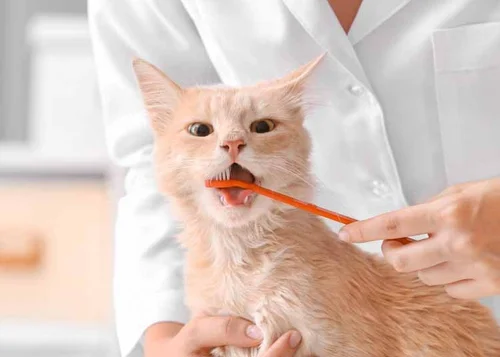
Imagine this: you're curled up on the couch with your furry feline friend, enjoying a peaceful moment. But have you ever thought about what's going on in your cat's mouth?
Just like humans, cats need dental care to stay healthy. While brushing your cat's teeth may seem daunting, it’s an essential task that can prevent a host of problems. You might wonder, "How often should I brush my cat's teeth?
" You're not alone. Many cat owners are uncertain about the frequency and importance of this simple yet impactful routine. It's crucial for your cat's overall health and can save you from costly vet visits down the road. You'll discover the ideal brushing frequency, tips to make the process easier, and why it's such a vital part of your cat's health regimen. Stick around to ensure your feline stays happy and healthy, with a smile as charming as ever!

Credit: www.purina.com
Importance Of Cat Dental Health
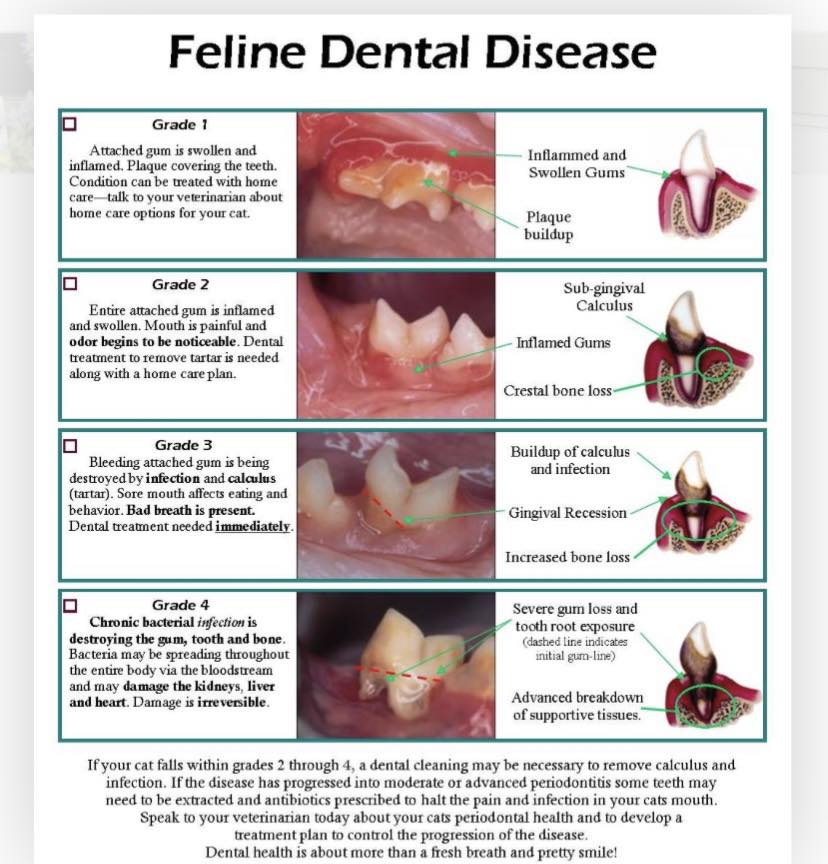
Caring for your cat's dental health is crucial to their overall well-being. Just like humans, cats can suffer from dental issues that affect their quality of life. Neglecting your cat's teeth can lead to painful conditions like gingivitis or periodontal disease. But how often should you brush your cat’s teeth to ensure they're in tip-top shape?
Importance Of Regular Dental Care
Regular dental care helps prevent plaque buildup and tartar formation. When these aren't addressed, they can lead to infections and tooth loss. Consider how uncomfortable it would be to eat with a sore tooth. Your cat can experience similar discomfort. By maintaining their dental health, you ensure they're pain-free and happy.
Signs Of Dental Problems In Cats
Watch for signs like bad breath, drooling, or difficulty eating. These can be early indicators of dental issues. If your cat shows any of these symptoms, it may be time for a dental check-up. You might notice your cat pawing at their mouth or face—this could be a sign of discomfort.
How Often To Brush
Ideally, you should brush your cat's teeth daily. However, even brushing a few times a week can make a significant difference. Start slowly to get your cat accustomed to the process. Use a toothbrush designed for cats and a pet-friendly toothpaste. Never use human toothpaste, as it can be harmful to your feline friend.
Making Dental Care Enjoyable
Transform the brushing routine into a bonding experience. Approach it with patience and positivity. Use treats and praise to reward your cat after each session. Cats are creatures of habit, and with time, they may even look forward to this routine.
Professional Dental Cleanings
Your vet might recommend professional cleanings, especially if tartar has already built up. These cleanings are usually done under anesthesia, ensuring thorough care. Discuss with your vet how often these cleanings should be scheduled based on your cat's specific needs.
Dental health is a vital aspect of your cat's care routine. Regular brushing and professional cleanings can prevent painful issues and promote longevity. So, how committed are you to your cat's dental health? A little daily effort can lead to a lifetime of purrs and smiles.
Ideal Frequency For Brushing
Brushing your cat's teeth is crucial for their dental health. Many pet owners wonder how often this should be done. Regular brushing prevents plaque buildup and keeps your cat's mouth healthy. It's not just about fresh breath; it can prevent serious health issues. Understanding the ideal frequency for brushing can make a big difference.
How Often To Brush
Experts recommend brushing your cat's teeth daily. This might seem frequent, but cats, like humans, are prone to plaque. Daily brushing helps control plaque and tartar. It maintains dental hygiene, reducing the risk of gum disease. If daily brushing is challenging, aim for at least three times a week. Consistency is key to keeping your cat's teeth healthy.
Signs Your Cat Needs More Frequent Brushing
Look for signs your cat might need more brushing. Bad breath is a common indicator. You might notice red, swollen gums. These signs suggest plaque buildup or gum issues. Frequent brushing can help resolve these problems. Regular check-ups with a vet can also guide you on brushing frequency.
Tips For Maintaining A Brushing Routine
Start slowly if your cat resists brushing. Use a cat-friendly toothpaste. Choose a soft-bristled toothbrush for comfort. Gradually increase the brushing time. Reward your cat with treats for cooperation. Make it a routine, part of their daily care. This helps keep their teeth in top condition.
Signs Of Dental Issues
Understanding the signs of dental issues in your cat can help you maintain their overall health and happiness. Dental problems not only cause discomfort but can also lead to more serious health concerns. By recognizing these signs early, you can take proactive steps to ensure your cat's teeth and gums remain healthy.
Unpleasant Breath
One of the most noticeable signs of dental issues in cats is bad breath. While your cat's breath may not smell minty fresh, a strong, foul odor can indicate plaque buildup or a more serious infection. If your cat's breath makes you recoil, it's time for a dental checkup.
Difficulty Eating
Is your cat suddenly avoiding their favorite food? Difficulty eating or a change in eating habits can signal dental pain. Watch for signs like chewing on one side of the mouth or dropping food while eating.
Swollen Or Bleeding Gums
Healthy cat gums are pink and firm. Swollen, red, or bleeding gums could indicate gingivitis or periodontal disease. Regularly checking your cat's gums during grooming can help you catch these signs early.
Excessive Drooling
While some cats drool when they're happy, excessive drooling can be a red flag for dental problems. If you notice your cat drooling more than usual, inspect their mouth for any abnormalities or injuries.
Pawing At The Mouth
Has your cat been pawing at their face more often? This behavior can suggest mouth pain or irritation. If your cat seems focused on their mouth, a dental issue might be the cause.
Loose Or Missing Teeth
Loose or missing teeth in adult cats are not normal and could indicate advanced dental disease. Regular dental checkups can help prevent tooth loss and maintain your cat's oral health.
How often do you check your cat's teeth for these signs? Keeping an eye on their dental health can make a huge difference in their quality of life. Remember, a healthy mouth means a happy cat!
Choosing The Right Tools
Brushing your cat's teeth is essential for their health. Choosing the right tools makes this task easier. Proper tools ensure your cat's comfort and effective cleaning. Let's explore the best options for toothbrushes and cat-safe toothpaste.
Toothbrush Selection
Choose a small, soft-bristled toothbrush for your cat. Finger brushes are popular. They fit over your finger, allowing easy access to your cat’s mouth. Some pet stores offer specially designed cat toothbrushes. These brushes have angled heads for hard-to-reach areas. Always select a brush that feels gentle on your cat's gums.
Cat-safe Toothpaste
Never use human toothpaste for cats. It can be harmful if swallowed. Select toothpaste made specifically for cats. These products are safe and often come in flavors cats enjoy. Common flavors include poultry and fish. This makes brushing a more pleasant experience for your pet. Check labels to ensure the toothpaste is vet-approved.
Step-by-step Brushing Guide
Brushing your cat's teeth might seem like a daunting task, but it's a crucial part of their overall health. Regular brushing can prevent dental disease and keep your feline friend happy and healthy. In this step-by-step guide, we'll explore how to effectively brush your cat's teeth with confidence and ease.
Preparing Your Cat
Preparation is key to a successful brushing session. Start by choosing a quiet, comfortable area where your cat feels relaxed. Gather all necessary supplies: a cat toothbrush, cat toothpaste, and a towel.
Introduce your cat to the toothbrush and toothpaste gradually. Let them sniff and taste the toothpaste to get accustomed to the new experience. Patience is essential, especially if your cat is new to dental care.
Consider brushing your cat's teeth during calm moments, perhaps after a meal or when they are feeling particularly affectionate. Does your cat respond positively to treats or toys? Use these to create a positive association with brushing.
Brushing Techniques
Begin by gently lifting your cat's lip to expose their teeth. Using a small amount of toothpaste, brush in small circular motions, focusing on the gum line. This is where plaque and tartar tend to accumulate.
Work on one section of your cat's mouth at a time, gradually covering all teeth. Aim for short, consistent brushing sessions, as this will help your cat acclimate to the process.
Reward your cat with praise and a small treat after each session. This reinforces positive behavior and helps them associate brushing with something pleasant.
Have you ever noticed how a calm demeanor affects your cat? Keeping a soothing tone and gentle touch can make all the difference in how they respond.
Regular brushing is a small commitment with big rewards. Are you ready to make it a part of your routine? Your cat’s health will thank you!
Credit: www.facebook.com
Alternative Dental Care Options
Brushing your cat's teeth regularly can be challenging. Some cats resist, making it stressful for both. Fortunately, there are alternative dental care options. These can help maintain your cat's oral health without daily brushing. Explore dental treats and professional cleanings as effective strategies.
Dental Treats
Dental treats can be a fun way to improve your cat's oral health. They are designed to reduce plaque and tartar. Many cats enjoy them, making it an easy option. Look for treats with natural ingredients. Ensure they are specifically made for dental care. Check with your vet to find the best ones for your cat.
Professional Cleanings
Professional cleanings by a vet can be a thorough solution. Vets can remove plaque and tartar with special tools. These cleanings are usually done under anesthesia. They offer deep cleaning that treats cannot achieve. Regular check-ups can help schedule these cleanings. Discuss the best frequency with your vet.
Tips For A Stress-free Experience
Regular brushing of your cat's teeth, ideally a few times a week, helps maintain oral health. This routine reduces plaque and prevents dental issues. Use cat-friendly toothpaste and a soft brush for a gentle experience.
Brushing your cat's teeth can feel like a daunting task, but with the right approach, it doesn't have to be. Creating a stress-free experience for both you and your feline friend is key to maintaining their oral health. Let's explore some practical tips that can make this process smoother and more enjoyable for everyone involved.
Start Early And Be Consistent
Introduce tooth brushing to your cat when they are young. This way, they get accustomed to the routine early on. If your cat is older, start gently and be consistent with the schedule. Regularity helps them know what to expect and reduces anxiety.
Choose The Right Tools
Select a cat-specific toothbrush and toothpaste. Human toothpaste can be harmful to cats. A finger brush can be less intimidating. Try different options to see what works best for your cat.
Create A Comfortable Environment
Choose a quiet and calm space for brushing. Reduce noise and distractions to keep your cat relaxed. Consider brushing when your cat is naturally calm, like after a meal or playtime.
Use Positive Reinforcement
Reward your cat with treats or affection after each session. Positive reinforcement encourages good behavior. Stay patient and praise your cat, even if the session was brief. Gradually, they will associate brushing with positive experiences.
Be Patient And Gentle
Take it slow and watch your cat's cues. If they show signs of stress, pause and try again later. Focus on being gentle, especially around the gums. A calm approach builds trust over time. By incorporating these tips, you can turn tooth brushing into a bonding moment with your cat. Remember, patience and consistency are your best friends on this journey. How do you keep your cat calm during grooming sessions?
:strip_icc()/brush-your-cats-teeth-4778262-hero-9b2c8ee454904454a195642ceaa5454e.jpg)
Credit: www.thesprucepets.com
Common Myths And Misconceptions
Brushing your cat's teeth might seem like a daunting task, and it's one that many cat owners overlook, often due to common myths and misconceptions. These misconceptions can lead to neglect in feline dental care, potentially causing more significant health issues in the long run. Let’s debunk some of these myths and set the record straight on how to maintain your cat's dental health effectively.
Myth: Cats Naturally Clean Their Teeth By Chewing
Many believe that cats naturally clean their teeth by chewing on food and toys. While chewing can help reduce plaque, it's not a substitute for regular brushing. Cats are not immune to dental disease, and relying solely on their chewing habits can leave them vulnerable to tartar buildup and gum issues.
Myth: Only Older Cats Need Dental Care
Another misconception is that only older cats require dental care. Dental issues can affect cats of all ages. Starting a dental routine when your cat is young can prevent problems and make them more comfortable with the process.
Misconception: Dry Food Eliminates The Need For Brushing
Some cat owners assume that feeding dry food is enough to keep a cat's teeth clean. While dry food can contribute to dental health, it doesn't replace the need for brushing. Plaque and tartar can still accumulate, requiring manual cleaning with a toothbrush.
Myth: Cats Hate Having Their Teeth Brushed
Many people avoid brushing their cat's teeth because they think their cat will hate it. While some cats might initially resist, many can become accustomed to it over time. Using a gentle approach and positive reinforcement can make it a manageable routine for both you and your cat.
Have you fallen for any of these myths? It's essential to challenge these misconceptions to ensure your cat's dental health is not compromised. Regular brushing, even a few times a week, can make a significant difference in preventing dental problems.
Frequently Asked Questions
Is It Okay To Not Brush Your Cat's Teeth?
Brushing your cat's teeth is important for their dental health. Skipping it can lead to plaque buildup and gum disease. It's best to incorporate regular brushing to ensure your cat maintains healthy teeth and gums. Consult your vet for alternatives if brushing isn't possible.
Is It Ever Too Late To Start Brushing Your Cat's Teeth?
It's never too late to start brushing your cat's teeth. Early care prevents dental issues and promotes oral health. Begin gently and gradually, using cat-specific toothpaste. Regular brushing helps avoid plaque buildup and periodontal disease, ensuring your cat's overall well-being.
Consistent dental care enhances your cat's quality of life.
How Often Should I Brush My Cat's Teeth?
Brushing your cat's teeth daily is ideal for maintaining oral health. If daily brushing isn't possible, aim for at least three times a week. Regular brushing helps prevent plaque buildup, bad breath, and dental disease. It also promotes overall health, as dental issues can lead to more severe health problems.
What Are The Benefits Of Brushing Cat's Teeth?
Brushing your cat's teeth reduces plaque and tartar buildup. It helps prevent gum disease and tooth decay. Regular brushing also prevents bad breath. Maintaining good oral hygiene can lead to a longer, healthier life for your cat. It also saves on veterinary dental costs.
Conclusion
Brushing your cat's teeth is vital for their health. Aim for once a week at least. Regular brushing helps prevent dental issues. Healthy teeth mean a happy cat. Start slowly, and be patient. Use a cat-friendly toothbrush and toothpaste. It might feel tricky at first.
Stay consistent; your cat will adjust. Remember, healthy gums and teeth are essential. Your vet can offer advice and support. Keep a routine, and your cat's smile will shine. Prioritize dental care for a happier pet. Your efforts will pay off in the long run.
