

When it comes to feeding your furry friend, the choice between dry food and wet food can feel overwhelming. You want what's best for your cat, but with so many options, how do you decide?
Your cat’s diet is crucial to their health, happiness, and longevity. The right food can keep them energetic and playful, while the wrong choice might lead to health problems. You might wonder if dry food is more convenient or if wet food offers better nutrition.
This is a decision that can impact your cat’s well-being, and you want to make the right choice. Dive into this article to discover the advantages and disadvantages of both options, helping you to make an informed decision that ensures your cat gets the nutrition they need. Are you ready to find out what's best for your feline friend? Let's explore together.

Credit: www.instagram.com
Nutritional Needs Of Cats
Choosing between dry and wet food for cats involves understanding their nutritional needs. Dry food offers convenience and dental benefits, while wet food provides hydration and protein-rich options. Consider your cat's health and lifestyle to make the best choice.
Cats have unique nutritional needs. Their diet directly affects their health and well-being. Cats are obligate carnivores. They need a diet high in animal protein and fat. Understanding their dietary requirements helps in choosing the right food.
Protein Requirements
Cats need a lot of protein. Protein supports their muscles and energy levels. Animal sources like chicken and fish are ideal. These provide essential amino acids. Taurine is crucial for heart and eye health.
Fat For Energy
Fat is a key energy source for cats. It helps absorb vitamins and keep their skin healthy. Omega-3 and Omega-6 fatty acids are beneficial. They support a shiny coat and reduce inflammation.
Carbohydrates And Fiber
Cats need fewer carbohydrates than other pets. They are not essential for their diet. Fiber, though, aids digestion. It helps prevent hairballs and maintains gut health.
Vitamins And Minerals
Vitamins like A, D, and E are vital for cats. Minerals support bone health and metabolism. Calcium and phosphorus are especially important. A balanced diet ensures they get all these nutrients.
Water Intake
Hydration is crucial for cats. Wet food provides additional moisture. It helps maintain kidney health. Proper water intake prevents urinary issues. Understanding these needs helps in making informed dietary choices. Choose food that meets these requirements for a healthy cat.
Benefits Of Dry Cat Food
Choosing the right food for your cat can be challenging. Dry cat food offers several benefits that make it a popular choice among pet owners. Understanding these advantages can help you make an informed decision for your feline friend.
Convenience And Storage
Dry cat food is easy to store and manage. It doesn't require refrigeration, making it ideal for busy households. The packaging is usually resealable, keeping the food fresh for longer periods. You can buy in bulk without worrying about spoilage. This saves time and reduces the hassle of frequent trips to the pet store.
Dental Health Advantages
Dry cat food can contribute to better dental health. The crunchy texture helps remove plaque and tartar buildup. Chewing kibble can strengthen your cat’s teeth and gums. Regular consumption may lead to fewer dental issues and visits to the vet.
Cost-effectiveness
Dry cat food is often more affordable than wet food. It can be economical for households with multiple cats. Bulk purchases offer further savings, allowing you to manage expenses effectively. You can provide quality nutrition without stretching your budget.
Benefits Of Wet Cat Food
Wet cat food offers hydration and easier digestion, benefiting cats with urinary or kidney issues. It typically contains fewer carbohydrates, promoting a healthier weight.
Feeding your cat the right type of food is crucial for their health and happiness. While both dry and wet cat food have their advantages, wet food offers some distinct benefits that might make it the preferred choice for your feline friend. Let's explore why wet cat food could be the ideal option for your pet.
Hydration And Moisture Content
Cats naturally get most of their water intake from their food. This is particularly important because many cats don't drink enough water on their own. Wet cat food has a high moisture content, which can help keep your cat hydrated, reducing the risk of urinary tract issues.
Palatability And Preference
Have you ever noticed your cat turning its nose up at dry kibble? Wet cat food is often more appealing to cats due to its texture and aroma. The rich flavors and enticing smells can make even the pickiest eaters excited about mealtime.
Nutrient Density
Wet cat food is packed with nutrients, often containing higher protein levels essential for your cat's health. The dense nutrition helps support their active lifestyle, muscle maintenance, and overall well-being. Opting for a quality wet food ensures your cat gets the necessary vitamins and minerals they need each day. When considering your cat's diet, think about their specific needs and preferences. Does your cat drink enough water? Are they a finicky eater? The answers to these questions can guide you in choosing the best food option, potentially leading you to the benefits that wet cat food provides.
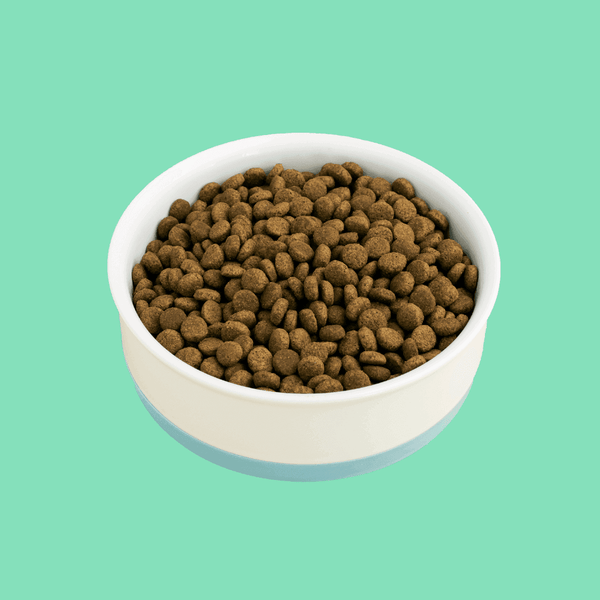
Credit: www.tippaws.com
Potential Drawbacks Of Dry Food
Choosing the right food for your feline friend can be a daunting task. While dry food is convenient and often more affordable, it comes with its own set of potential drawbacks. Understanding these can help you make a more informed decision about what to feed your cat.
Carbohydrate Content
Dry cat food typically contains a higher percentage of carbohydrates compared to wet food. Cats are obligate carnivores, which means their bodies are designed to get nutrients primarily from meat. Excess carbohydrates can lead to obesity and other health issues. If your cat is gaining weight despite a regulated diet, it might be worth checking the carbohydrate content of their dry food. Remember, not all carbs are bad, but moderation is key.
Dehydration Risks
Dry food lacks the moisture content that wet food provides. Cats naturally have a low thirst drive and may not drink enough water to compensate for this. Dehydration can lead to urinary tract issues, especially in older cats. If your cat seems lethargic or has trouble urinating, you might want to reconsider their diet. Offering wet food or ensuring they drink more water can help mitigate these risks.
Potential Drawbacks Of Wet Food
Deciding between wet and dry food for your cat involves many considerations. While wet food offers several benefits, it also has potential drawbacks. These drawbacks might affect your decision. Here, we explore some common concerns with wet food for cats.
Cost And Storage Challenges
Wet food can be more expensive than dry kibble. This cost adds up over time. Additionally, storing opened cans can be tricky. Wet food needs refrigeration after opening, taking up fridge space. It also has a shorter shelf life. This means frequent trips to the store, adding to the overall cost.
Dental Health Concerns
Wet food may not support your cat's dental health. Dry kibble can help clean teeth while chewing. Wet food lacks this abrasive action, potentially leading to plaque buildup. Cats eating only wet food might need more dental care. This could mean more vet visits or specialized dental products.
Expert Opinions And Recommendations
Choosing between dry and wet food for your cat can be challenging. Many pet owners seek expert advice for their furry friend's diet. Understanding the recommendations from veterinarians and nutritionists is crucial. Let's explore their insights.
Veterinary Insights
Veterinarians often focus on individual cat needs. They examine the cat's health, age, and lifestyle. Some cats need more moisture due to health issues. Wet food can help with hydration. Dry food might be suggested for dental health benefits. It's also convenient for feeding schedules. Vets recommend a balance based on the cat's specific needs.
Nutritionist Perspectives
Nutritionists consider the food's nutrient content. Wet food usually has higher protein levels. It might be closer to a cat's natural diet. Dry food often contains carbohydrates, which some cats need. Portion control is easier with dry food. Both types have merits. Nutritionists might suggest mixing them for a balanced diet. This ensures cats get all necessary nutrients.
Combining Dry And Wet Food
Deciding whether to feed your cat dry or wet food can be challenging. But have you considered combining both? Mixing dry and wet food offers the best of both worlds. It can provide your cat with a balanced diet, cater to their preferences, and make feeding time more enjoyable for both you and your furry friend.
Balanced Diet Strategies
Combining dry and wet food can enhance your cat's nutrition. Dry food is excellent for maintaining dental health and providing essential nutrients, while wet food offers hydration and a variety of textures. A balanced mix ensures your cat gets the benefits of both.
Consider the specific needs of your cat. For instance, if your cat is prone to urinary tract issues, wet food might be beneficial for extra hydration. On the other hand, if they need extra calories or dental health support, dry food can be crucial.
Consulting with your vet can provide clarity on the right balance. They can help tailor a diet plan that fits your cat's age, weight, and health requirements.
Feeding Schedule Tips
Creating a feeding schedule is key to maintaining your cat's health. With a mix of dry and wet food, timing and portion control become essential. You might choose to give wet food as a morning treat and leave dry food out for grazing throughout the day.
Consistency is crucial. Your cat will thrive on a routine, so try to feed them at the same times every day. This helps manage their hunger and prevents overeating.
Track your cat's response to the schedule. Are they more energetic? Do they seem satisfied? Adjust as needed to ensure they remain healthy and happy.
Have you tried combining dry and wet food for your cat? What strategies worked best for you? Share your experiences in the comments below!
Choosing The Right Food For Your Cat
Selecting the ideal cat food involves weighing the benefits of dry and wet options. Dry food is convenient and economical. Wet food offers higher moisture content, aiding hydration. Each type supports your cat’s unique needs.
Choosing the right food for your cat is a decision that impacts their health and happiness. Cats, like humans, have individual needs and preferences. What works for one cat might not suit another. While both dry and wet foods have their benefits, understanding your cat's unique requirements is key.
Considering Age And Health
Age is more than just a number when it comes to feeding your cat. Kittens, adults, and senior cats have different nutritional needs. Kittens require more protein and fat for growth, while seniors may benefit from food that supports joint health. Health conditions also play a significant role. If your cat has dental issues, dry food might help clean their teeth. Conversely, wet food might be ideal for cats with urinary tract problems due to its higher moisture content.
Monitoring Dietary Response
Observe how your cat reacts to their diet. Are they energetic, with a shiny coat and healthy weight? Or do they seem lethargic with digestive issues? Switching food types can sometimes reveal sensitivities or preferences. Try offering a mix of both dry and wet foods and watch for any changes in behavior or health. Keep a diary of their diet and health changes over a few weeks. This can help you determine which food type best suits your furry friend.

Credit: www.reddit.com
Frequently Asked Questions
Is It Healthier To Feed Cats Wet Or Dry Food?
Both wet and dry cat food have benefits. Wet food provides hydration and may support urinary health. Dry food is convenient and helps dental health. A balanced diet of both can be ideal. Always consult your veterinarian for personalized advice based on your cat's needs.
Do Vets Recommend Wet Food For Cats?
Yes, vets often recommend wet food for cats. It provides hydration and can be more palatable. Wet food can help with urinary health and weight management. Always consult your vet for specific dietary advice tailored to your cat's needs.
What Is The Healthiest Food To Feed A Cat?
The healthiest food for a cat is high-quality, grain-free, protein-rich cat food. Choose brands with real meat as the primary ingredient. Include essential vitamins and minerals for balanced nutrition. Consult your vet for specific dietary needs and recommendations based on your cat's age, weight, and health condition.
Should I Give My Cat Wet Food Every Day?
Yes, giving your cat wet food daily is beneficial. It provides hydration and essential nutrients. Wet food supports urinary health and is often more palatable. Ensure a balanced diet by combining with dry food. Consult your veterinarian for personalized feeding recommendations.
Conclusion
Choosing between dry and wet food depends on your cat's needs. Dry food is convenient and helps dental health. Wet food offers hydration and a variety of flavors. Consider your cat's age, health, and preferences. Some cats prefer a mix of both.
Monitor your cat's weight and adjust portions accordingly. Consult your vet for personalized advice. Remember, balanced nutrition keeps your cat healthy and happy. Regular feeding schedules are important. Always provide fresh water alongside meals. Your cat's well-being is the priority.
Make informed choices for their diet.