
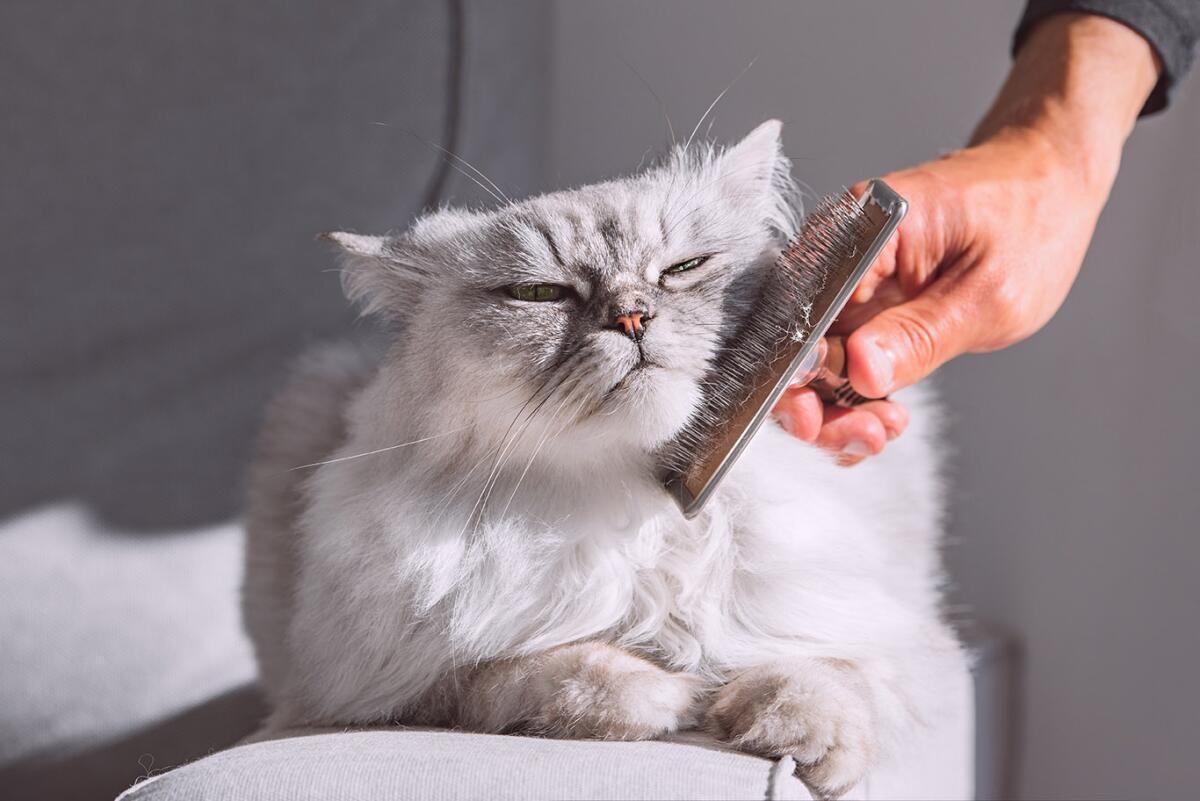
Have you ever watched your cat groom itself with such dedication and wondered how often you should lend a hand? Your feline friend might seem like a pro at keeping its coat clean, but there's more to cat grooming than meets the eye.
As a loving pet owner, you want to ensure that your cat's fur remains healthy and pristine. However, knowing the right grooming frequency can sometimes be puzzling. You'll discover how regular brushing can enhance your cat's well-being. Not only will you learn the ideal brushing schedule, but you'll also uncover tips that could transform grooming time into a delightful bonding experience.
Stay with us to unlock the secrets of optimal cat care and give your furry companion the attention it truly deserves.
Importance Of Regular Brushing
Brushing your cat regularly is more than just a grooming routine—it's a vital part of their health care. This simple act can prevent a range of issues, from hairballs to skin problems, and even helps you bond with your feline friend. But how often should you be brushing your cat to reap these benefits?
Regular brushing helps remove loose fur, reducing the amount your cat sheds. This can be a lifesaver if you're tired of vacuuming cat hair daily. It also minimizes hairballs, which can cause digestive issues if left unchecked.
Brushing isn't just about fur; it's an opportunity to check for fleas, ticks, and any unusual lumps or bumps. Catching these early can save your cat from discomfort and potential health problems. Have you ever noticed how content your cat looks after a good brushing session? It's because grooming is a natural behavior that cats enjoy.
Improving Skin Health
Brushing stimulates your cat's skin and increases blood circulation. This can lead to a healthier coat and skin, reducing dandruff and dry patches. A well-brushed cat is less likely to suffer from skin irritations or infections.
Have you tried different brushes to see which your cat prefers? Some cats respond better to certain types, so it's worth experimenting to find the right match. A happy cat makes for a smoother brushing routine.
Strengthening Your Bond
Brushing your cat regularly can strengthen your bond with them. It's a peaceful activity that many cats enjoy, and it provides you both with a chance to relax and connect. Have you noticed your cat purring during a brushing session? That's a sign they feel safe and loved.
Could regular brushing become a cherished ritual between you and your cat? Many owners find it rewarding, turning a simple grooming task into a special time together. It's a small effort that can have a big impact on your relationship.
Preventing Hairballs
Hairballs are more than just a nuisance; they can lead to serious health issues if not managed. Regular brushing reduces the amount of hair your cat ingests, which can prevent hairballs and related complications.
Have you noticed your cat coughing or gagging? It might be time to increase brushing frequency. This simple action can make a significant difference in your cat's digestive health.
Monitoring Health
While brushing, you have the chance to notice changes in your cat's body. Are there any new lumps or changes in their coat? Early detection can lead to prompt veterinary care, saving your cat from potential health issues.
Do you take note of your cat's condition during grooming? Being observant can be the difference between catching a problem early and facing a larger issue later on.
Regular brushing is a win-win for you and your cat. It's a simple practice that can enhance their health, your home environment, and the bond you share. How often will you brush your cat now that you know its importance?

Credit: www.reddit.com
Factors Influencing Brushing Frequency
Understanding how often you should brush your cat isn't as straightforward as it might seem. Several key factors can influence the brushing frequency. By considering elements like breed, coat length, age, and health, you can tailor a grooming routine that keeps your feline friend looking and feeling their best. Let's dive into these factors to help you make informed decisions.
Cat's Breed
Different cat breeds come with unique grooming needs. For example, Persian cats, with their lush fur, often need daily brushing to prevent matting and tangles. In contrast, breeds like the Siamese or Bengal, known for their shorter coats, might only require weekly grooming. Have you ever noticed how some cats seem to shed less? That might be a breed characteristic! Knowing your cat's breed can guide you in maintaining their coat with the right frequency.
Coat Length
Coat length plays a major role in determining how often you should brush your cat. Long-haired cats, like Maine Coons or Ragdolls, benefit from daily brushing to keep their coats free of knots and reduce shedding. Short-haired cats might need less frequent grooming, but regular brushing can still help minimize shedding and distribute oils across their coat for a healthy shine. Have you ever tried brushing a short-haired cat and noticed how it helps with their overall coat health?
Age And Health
Your cat's age and health can also impact brushing needs. Kittens, with their playful nature, might not require as much grooming as older cats. However, introducing them to brushing early helps develop a positive association. Senior cats or those with health issues may need extra care, as they might struggle with self-grooming. Have you ever had a cat that seemed to love grooming during certain life stages more than others? Adjusting brushing frequency based on age and health ensures your cat stays comfortable and well-groomed.
Recommended Brushing Frequency
Brushing your cat regularly is essential for their health and wellbeing. It helps reduce shedding, prevents matting, and keeps their coat shiny. The frequency of brushing depends on their hair length and age. Let's explore the recommended brushing frequency for different types of cats.
Short-haired Cats
Short-haired cats need less frequent brushing than long-haired ones. Brush them at least once a week. This helps remove loose fur and dirt. Use a soft-bristle brush for their gentle skin. Weekly brushing also helps monitor for any skin issues.
Long-haired Cats
Long-haired cats require more attention. Brush them every day to prevent tangles and mats. Daily brushing keeps their coat healthy and reduces shedding. A comb with wide teeth works best for these cats. Regular grooming sessions strengthen your bond with them.
Kittens And Senior Cats
Kittens have delicate skin and soft fur. Begin brushing them gently once they are a few weeks old. Brushing helps them get used to being handled. For senior cats, regular brushing is crucial. It helps manage shedding and stimulates blood circulation. Be gentle to accommodate their sensitive skin and joints.
Credit: www.tiktok.com
Tools For Effective Brushing
Brushing your cat regularly helps maintain its coat and reduce shedding. Aim for two to three times a week. Use the right tools like soft brushes or combs to make grooming comfortable and effective for your feline friend.
Brushing your cat isn't just about keeping their fur looking fabulous. It's a crucial part of their health and happiness. However, using the right tools can make all the difference in transforming a stressful chore into a bonding experience. Let's explore the types of brushes you can use and how to choose the right one for your furry friend.
Types Of Brushes
Not all brushes are created equal, and choosing the right one can depend on your cat's fur type and length. - Slicker Brushes: Perfect for detangling and removing loose fur, especially for cats with long hair. These have fine, short wires close together on a flat surface. - Pin Brushes: Ideal for cats with medium to long fur. They look like human hair brushes and can help with removing tangles and dirt. - Rubber Brushes: Great for short-haired cats. These work well in removing loose fur without pulling on the skin. - Comb: A metal comb can be excellent for tackling knots and mats. Make sure it's gentle enough not to irritate your cat’s skin.
Choosing The Right Brush
Picking the right brush involves knowing your cat's needs and preferences. Does your cat have long, flowing fur prone to tangles? A slicker brush might be your best bet. For cats with medium-length fur, a pin brush can be gentle yet effective. Short-haired cats may prefer the soothing effect of a rubber brush. Consider your cat's sensitivity. If they flinch at the sight of a comb, try a gentler option like a rubber brush. What works best for your cat may require some trial and error. Notice how your cat reacts to different brushes. Do they purr contentedly or squirm away? Your cat’s comfort is key, so pay attention to their signals. Finding the right tool may take time, but it's worth the effort to make brushing a peaceful routine.
Techniques For Brushing
Brushing your cat regularly keeps its coat healthy and shiny. Using the right techniques makes the process enjoyable for both you and your cat. Let's explore some effective methods to ensure a smooth brushing experience.
Gentle Brushing Methods
Start brushing with a soft, gentle approach. Use a brush that suits your cat's fur type. Begin from the head and move towards the tail. This follows the natural direction of the fur. Use slow, calming strokes to relax your cat. If your cat seems uneasy, pause and offer treats. This creates a positive association with brushing.
Dealing With Tangles And Mats
Tangles and mats can be tricky to handle. Use a detangling spray to ease the process. Work on small sections at a time to avoid pulling. Hold the fur close to the skin and gently work through the mat. A wide-toothed comb helps to separate the tangles. If mats are too tight, consult a professional groomer for help.

Credit: www.facebook.com
Benefits Of Regular Brushing
Regular brushing keeps your cat's coat healthy and reduces shedding. Aim for brushing two to three times a week. This practice prevents matting and promotes a shiny fur.
Regular brushing of your cat offers numerous benefits. It enhances their health and strengthens your bond. Cats are known for grooming, but they still need your help. Regular brushing plays a crucial role in their overall well-being.
Reducing Shedding
Brushing helps control shedding. It removes loose fur before it spreads. This keeps your home cleaner and reduces allergens. It also prevents mats and tangles in your cat's coat.
Preventing Hairballs
Cats groom themselves by licking their fur. This leads to hairballs. Regular brushing reduces the amount of hair they ingest. This minimizes the risk of hairballs forming in their stomach.
Bonding With Your Cat
Brushing is a great way to bond. It provides one-on-one time with your cat. Most cats enjoy the gentle strokes of a brush. This can make them feel loved and secure. It also helps you notice any changes in their skin or coat.
Signs Your Cat Needs More Brushing
Brushing your cat is more than just a grooming habit; it's a vital part of their health care routine. But how do you know if your feline friend needs more brushing sessions? Observing their fur and skin can give you the clues you need. Here are some signs that your cat might benefit from more frequent brushing.
Increased Shedding
Have you noticed more fur on your furniture or clothes lately? Increased shedding is often a sign that your cat needs more brushing. While shedding is natural, excessive fur loss can lead to more than just a messy home.
Regular brushing helps manage shedding by removing loose hair before it ends up all over your house. It also supports your cat's skin health and can even reduce hairball formation. Try brushing your cat more frequently to see if it helps control shedding.
Visible Mats
Visible mats in your cat's fur are not only unsightly but can also be uncomfortable for them. Mats occur when loose hair tangles and clumps together, often in areas your cat can't reach while grooming themselves.
If you spot these knots, it's a clear sign your cat needs more brushing. Mats can pull on the skin, causing irritation or even infections. Regular brushing helps prevent mats from forming and keeps your cat's fur smooth and healthy.
Skin Issues
Does your cat seem to be scratching more than usual? Skin issues like dandruff or irritation can be a sign they need more brushing. Brushing stimulates the skin, encouraging the production of natural oils that keep it healthy.
When brushing, look for any signs of redness or flakiness. Addressing these skin issues with more frequent brushing can improve your cat's comfort and overall skin condition. Could a simple change in your routine make a big difference in your cat's health?
Tips For Making Brushing Enjoyable
Brushing your cat should be a pleasant experience for both you and your feline friend. The goal is to make it a bonding activity rather than a chore. Here are some tips to ensure that brushing your cat is enjoyable for everyone involved.
Creating A Routine
Consistency is key when establishing a brushing routine. Choose a time when your cat is relaxed, such as after a meal or playtime. Gradually build this habit by starting with short sessions and increasing the duration as your cat becomes more comfortable.
Imagine brushing your cat while watching your favorite TV show or listening to music—integrating it into your daily life can make it feel less like a task. A predictable routine will help your cat know what to expect, reducing anxiety and resistance over time.
Positive Reinforcement
Reward your cat during and after brushing sessions to build a positive association. Use treats or verbal praise to make the experience rewarding. If your cat enjoys being pet, offer gentle strokes in between brushing to keep them calm.
- Use a soothing voice to reassure your cat.
- Offer a special treat that they don’t get at other times.
- End each session on a positive note, even if it’s short.
Remember, patience is crucial. Celebrate small victories and gradually your cat will look forward to brushing sessions.
Handling Reluctant Cats
Some cats may initially resist brushing. Start by introducing the brush as a non-threatening object. Let your cat sniff it and associate it with positive experiences.
Consider using a brush that mimics petting, such as a glove brush. This can be less intimidating and more enjoyable for skittish cats. If your cat continues to resist, consult your veterinarian for advice on alternative grooming methods.
Have you ever noticed how your cat reacts to different textures? Experiment with various brushes to find one your cat prefers. Tailoring the experience to your cat’s preferences can make a world of difference.
Frequently Asked Questions
Is It Okay To Brush My Cat Every Day?
Yes, brushing your cat daily is generally beneficial. It helps reduce shedding, prevents hairballs, and maintains coat health. Regular brushing strengthens your bond with your cat. Ensure you use the right brush type for your cat's fur to avoid discomfort.
Always be gentle and observe your cat's reaction.
Do Cats Feel Better After You Brush Them?
Yes, brushing helps cats feel better by reducing shedding and preventing matting. It also improves their coat's health. Cats enjoy the bonding time with their owners during brushing sessions. Regular grooming can reduce stress and enhance their overall well-being.
What Happens If I Don't Brush My Cat?
Neglecting to brush your cat leads to matted fur and skin irritation. It increases shedding and hairballs. Regular brushing prevents tangles and distributes natural oils, maintaining a healthy coat. Without it, your cat might develop discomfort and hygiene issues. Prioritize grooming for your cat's well-being.
How Many Minutes Should I Brush My Cat?
Brush your cat for 5 to 10 minutes daily. Regular grooming helps reduce shedding and prevents matting. Adjust brushing time based on your cat's coat type. Long-haired cats may need more frequent brushing. Make grooming a positive experience by using gentle strokes and rewarding your cat with treats.
Conclusion
Brushing your cat keeps its coat healthy and clean. Regular brushing reduces shedding and prevents mats. It also strengthens your bond with your cat. Aim to brush your cat at least once a week. Long-haired cats need more frequent brushing.
Take time to find the right brush for your cat. This makes the process comfortable for both of you. Start slowly, especially if your cat isn't used to grooming. Patience is key. Your cat's health and comfort should always come first.
Enjoy this simple way to care for your furry friend.
