
That little crunchy morsel or soft, savory bite you offer your cat can feel like a simple act of love. But have you ever paused to wonder whether those treats are doing more than just making your cat purr? Many cat owners find themselves asking the same question: are cat treats nutritionally empty, or can they actually contribute to a cat’s wellbeing? The answer is nuanced—some treats are little more than flavored calories, while others pack meaningful protein, vitamins, and even functional benefits.
In this article, we’ll look past the cute packaging and marketing claims to uncover what cat treats really offer, how to read a label like a pro, and where treats fit into a balanced feline diet. By the end, you’ll know exactly how to pick snacks that support your cat’s health rather than undermine it. You can also read our guide on how to treat nutritional cataracts in cats.
What Actually Goes into a Cat Treat?
A treat is not a meal, but that doesn’t mean it’s nutritionally insignificant. The ingredients list and the guaranteed analysis on the back of the bag tell a clear story—if you know what to look for.
Protein – The Star Player
Cats are obligate carnivores, meaning they require animal tissue to thrive. High-quality treats use named meat sources like chicken, salmon, or turkey as the first ingredient. These supply essential amino acids including taurine, which is critical for heart and eye health. A treat with 30% or more crude protein (on a dry matter basis) can contribute real muscle-maintenance value, not just empty calories. You can also read our guide on can cats have freeze dried strawberries.
In practice, a common mistake is assuming that “chicken flavor” means the treat is rich in meat. Often, that flavor comes from rendered meals or digest, while the bulk of the treat is carbohydrate. Look for whole meat or single-source animal protein near the top of the list.
Fats – Energy, Flavor, and a Glossy Coat
Animal fats and fish oils add palatability and deliver essential fatty acids. Omega-3 and omega-6 contribute to skin health, a shiny coat, and reduced inflammation. Some treats even include fish oil as a key ingredient. However, fat is also calorie-dense—one small treat can contain 5–10 calories, and a few extra treats daily can quickly add up. A treat’s fat content should be moderate, and the source should be clearly identified (e.g., “chicken fat” rather than “animal fat”). You can also read our guide on do humans and pet dogs cats have similar nutritional requirements.
Vitamins and Minerals – Fortified vs. Whole-Food
Many commercial treats are fortified with vitamins A, E, B-complex, and minerals like calcium and phosphorus. While these additions can provide a small nutritional boost, they don’t replace a complete and balanced diet. The real value comes from treats that use whole-food ingredients—such as freeze-dried liver—which naturally contain a broad spectrum of micronutrients.
Carbohydrates – The Filler Factor
Cats have a limited ability to digest starches, yet many crunchy treats are held together with grains, potatoes, or legumes. While a small amount of carbohydrate is harmless, treats that rely heavily on corn, wheat, or soy can contribute to unnecessary calorie intake and may trigger sensitivities in some cats. Grain-free isn’t automatically better, but reading the ingredient deck to see whether carbs are the main ingredient is essential. You can also read our guide on do cats need wet food and dry food.
How to Decode a Cat Treat Label
A label contains far more than a catchy name. Understanding the following elements will help you separate genuinely nutritious snacks from gimmicks.
Ingredients List Order
Ingredients are listed by weight before cooking. The first three items tell you the bulk of the treat. If meat or meat meal is at the top, the treat is protein-focused. If grains or starchy vegetables appear first, you’re buying mostly filler. You can also read our guide on why do cats need wet food.
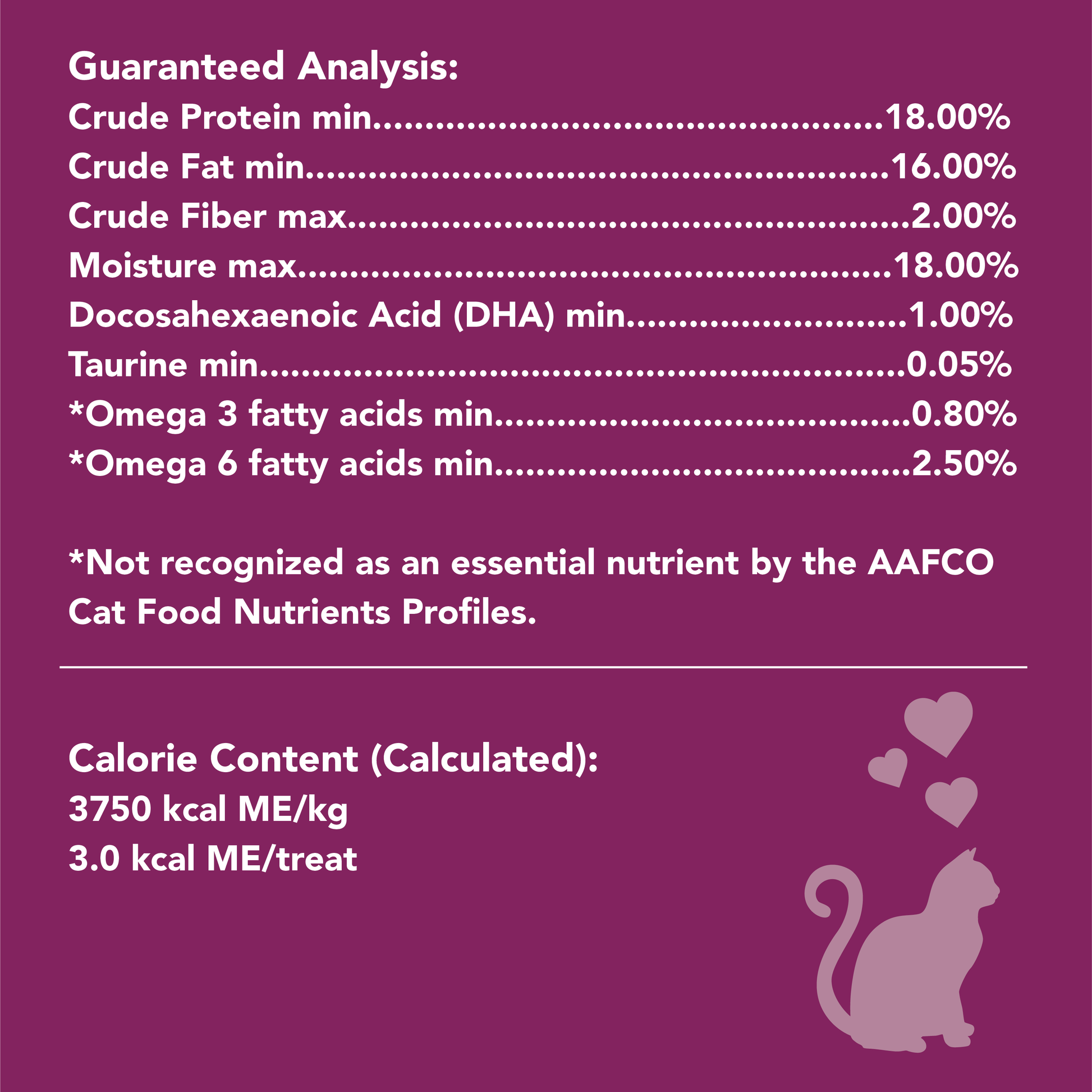
Guaranteed Analysis
This panel shows minimum crude protein and fat, and maximum moisture and fiber. To compare treats fairly, convert the values to a dry matter basis. For example, a semi-moist treat with 10% protein as fed and 25% moisture actually has around 13% protein on a dry basis—much lower than a freeze-dried treat with 45% protein and 5% moisture. Don’t be fooled by the numbers on the front of the bag.
AAFCO Statement
The Association of American Feed Control Officials (AAFCO) sets nutritional adequacy standards. You’ll usually see one of two statements on a treat label: “complete and balanced” or “for intermittent or supplemental feeding only.” Most treats carry the latter, meaning they are not designed to be a sole source of nutrition. That’s fine—treats are meant to supplement a high-quality wet food or dry diet. However, if a treat claims to be balanced, you can consider it a more substantial snack.

A digestive health treat with freeze-dried chicken as the primary ingredient.
Credit: npicpet.com
Types of Cat Treats and Their Nutritional Profiles
Not all treats are created equal. Here’s a breakdown of the most common categories, along with what they typically offer nutritionally.
| Treat Type | Typical Protein Source | Common Additives | Nutritional Pros | Potential Cons |
|---|---|---|---|---|
| Crunchy biscuits | Poultry meal, grains | Taurine, vitamins | Can help clean teeth; often fortified | High in carbohydrates; may contain artificial colors |
| Soft/chewy treats | Meat by-products, soy | Sugars, salts, humectants | Palatable; easy to hide medication | Often high in sodium and sugars; low protein density |
| Freeze-dried meats | Single ingredient (chicken, salmon, liver) | None | Pure protein; high nutrient density; minimal processing | More expensive; can be calorie-dense if overfed |
| Dental treats | Grain-based, with added enzymes | Sodium hexametaphosphate | Designed to reduce tartar | Mechanical action may not be enough without brushing |
| Hairball control treats | Fiber sources (psyllium, cellulose) | Petroleum jelly, mineral oil | Helps move hair through the digestive tract | Overuse can cause loose stools; not a substitute for grooming |
In practice, many cat owners use freeze-dried chicken or salmon as smart training treats because the strong aroma and pure protein content hold a cat’s attention without loading them up with fillers.
The Real Benefits of Cat Treats
Offering treats isn’t just about indulgence. When used thoughtfully, they can enhance your cat’s life in several ways.
Positive Reinforcement and Bonding
Treats are the quickest way to reinforce desired behaviors, from using a scratching post to coming when called. Pairing a treat with a clicker or verbal marker creates a powerful training tool. Using a reliable clicker can make sessions more precise and help your cat learn faster. Beyond training, the ritual of sharing a treat strengthens the human-animal bond.
Administering Medication
A soft, moldable treat can hide a pill or powder, turning a stressful experience into a pleasant one. For cats with chronic conditions, this can be a daily sanity-saver. Just check with your vet that the treat doesn’t interfere with the medication’s absorption.
Dental Health Support
While no treat can replace a toothbrush, certain crunchy treats have a mildly abrasive texture that helps scrape plaque. Some are approved by the Veterinary Oral Health Council (VOHC) for tartar control. Look for the VOHC seal if dental health is a priority.
Environmental Enrichment
Treats can be hidden in puzzle feeders or scattered around the house to encourage natural foraging behaviors. This mental stimulation helps prevent boredom and reduces stress, especially for indoor cats.

Crunchy treats marketed for digestive health, often containing added fiber and probiotics.
Credit: npicpet.com
The Hidden Risks of Overdoing Treats
Treats become problematic when they displace balanced meals or contribute to excessive calorie intake. Here are the most common pitfalls.
Obesity and Related Diseases
Even a few extra treats a day can add 20–30 calories, which for a 10-pound cat might represent over 10% of their daily energy needs. Over time, this leads to weight gain, increasing the risk of diabetes, joint stress, and lower urinary tract disease. Treats should make up no more than 10% of your cat’s daily calories—and many veterinarians recommend even less.
Nutritional Imbalance
If a cat fills up on treats, they may eat less of their premium wet formulas, missing out on essential vitamins, minerals, and amino acids that are precisely balanced in complete foods. This is especially risky for growing kittens, seniors, and cats with health conditions.
Allergic Reactions and Food Sensitivities
Some cats develop itching, vomiting, or diarrhea after eating treats containing novel proteins, artificial colors, or preservatives. If you notice symptoms, stop the treat and reintroduce ingredients one at a time to identify the trigger. Single-ingredient treats are safest for sensitive cats.
Artificial Additives and Preservatives
BHA, BHT, ethoxyquin, and artificial dyes still appear in some low-quality treats. While regulatory bodies consider them safe in small amounts, many cat owners prefer to avoid them. The long-term effects of feeding these regularly are not well studied. Opting for treats preserved with mixed tocopherols (vitamin E) or rosemary extract is a cleaner choice.
How to Choose a Healthy Cat Treat: A Practical Checklist
Next time you’re staring at a shelf of options, run through these steps. It only takes a few seconds to spot the better choices.
- Check the first ingredient. It should be a named animal protein (chicken, salmon, turkey, liver).
- Scan for artificial additives. Avoid artificial colors (Red 40, Blue 2), flavors, and chemical preservatives.
- Look at the calorie count. Know how many calories are in each treat, and limit the daily total to under 10% of your cat’s maintenance energy needs. For a typical indoor cat, that’s often 20–25 calories from treats.
- Consider the treat’s purpose. Training treats should be very small and low-calorie; dental treats should have a VOHC seal; soothe treats might contain calming ingredients like L-theanine or chamomile.
- Consult your veterinarian. If your cat has a medical condition like kidney disease, diabetes, or food allergies, your vet can recommend specific treats that won’t worsen the situation. For some cats, kidney-friendly wet food and appropriate treats are a cornerstone of management.
The Cornell Feline Health Center emphasizes that the foundation of any cat’s diet should be a complete and balanced commercial food, and that treats should be given sparingly. You can read more about feeding your cat from their veterinary nutrition experts.
Homemade Cat Treats: A Nutritious Alternative?
Making treats in your own kitchen gives you full control over ingredients. A simple blend of cooked chicken, a little egg, and a touch of oat flour can be baked into bite-sized training rewards that are free from preservatives and mystery meats. However, homemade treats require careful handling:
- Balance is not the goal. Homemade treats are intended as supplements, not balanced meals. They should never replace more than a small fraction of daily intake.
- Avoid toxic ingredients. Onions, garlic, chives, grapes, raisins, chocolate, and xylitol are dangerous for cats. Stick to simple, cat-safe whole foods.
- Store properly. Treats with high moisture must be refrigerated and used within a few days, or frozen for longer storage. Dry baked treats can be kept in an airtight container for a week.
A common error is assuming that “all-natural” means low-calorie. A one-inch cube of cooked chicken breast contains about 30 calories—more than the entire daily treat allowance for many cats. Use a kitchen scale and keep portions tiny.
Treats and Special Health Conditions
If your cat has a chronic illness, treats demand extra scrutiny. For example:
- Kidney disease: Low-phosphorus, low-protein treats can help reduce the renal workload. Freeze-dried green-lipped mussel or homemade treats using egg whites are sometimes used, but always check with your vet.
- Diabetes: High-carbohydrate treats can spike blood sugar. Look for essentially zero-carb options like freeze-dried meat.
- Urinary crystals: Treats high in magnesium or phosphorus may exacerbate struvite or calcium oxalate issues. Your vet may recommend specific therapeutic treats.
Never assume a treat marketed for “urinary health” is safe for your particular cat’s diagnosis. The prescription diet is the priority; treats are a negotiated extra.
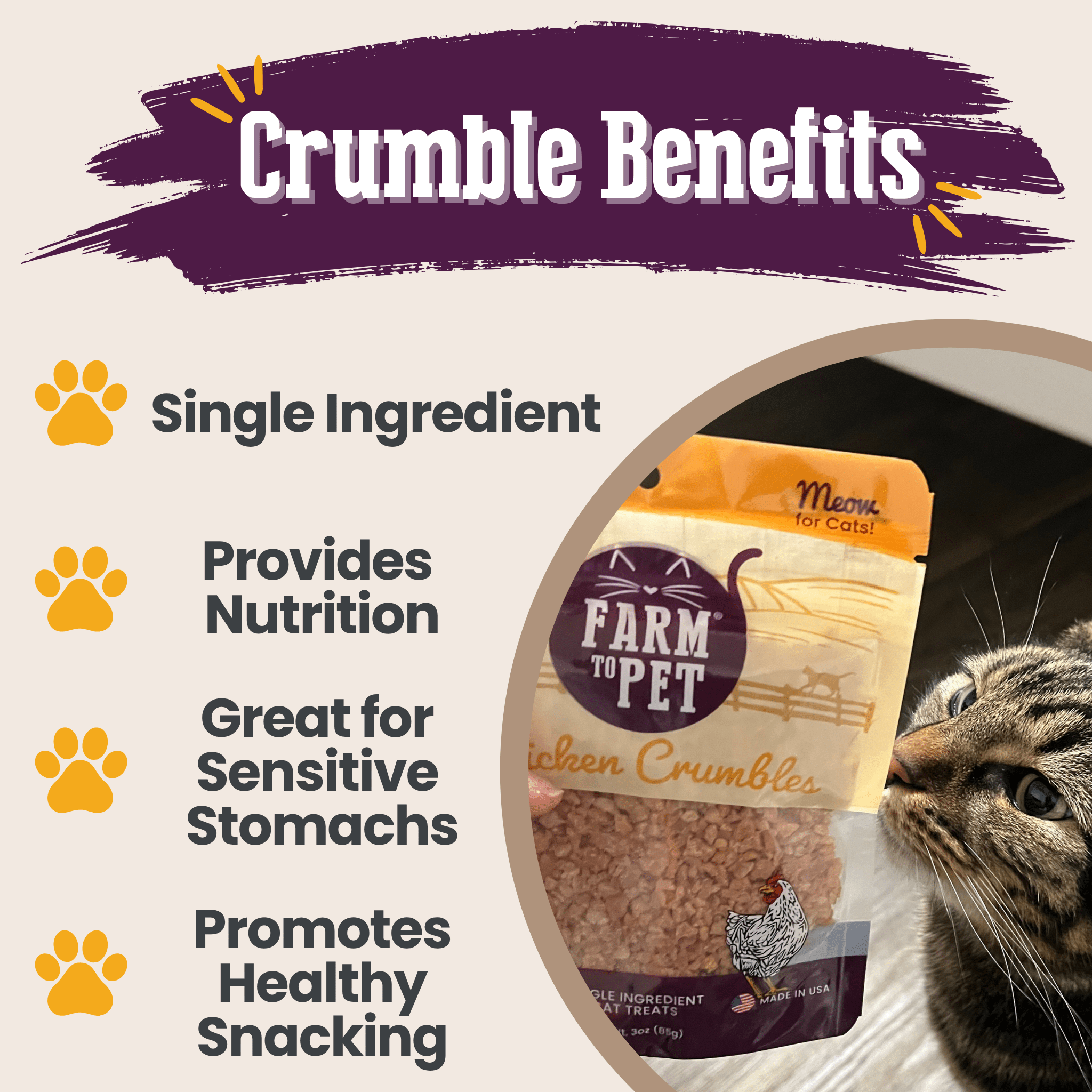
Chicken crumble treats that highlight natural ingredients and added nutritional benefits.
Credit: farmtopettreats.com
Future Trends in Cat Treats (2026 Outlook)
The cat treat market has shifted noticeably in the last few years. Some trends worth watching:
- Sustainability and eco-friendly packaging. More brands are moving to compostable bags and recyclable materials, reducing the environmental pawprint.
- Insect protein. Crickets and black soldier fly larvae are emerging as sustainable, hypoallergenic protein sources. These treats are high in protein and low in environmental impact.
- Personalized nutrition. Companies now offer treat subscriptions tailored to a cat’s age, weight, and health conditions, sometimes using a quick online quiz.
- Functional ingredients. Probiotics, joint-supporting glucosamine, and calming herbs are being added to treats, blurring the line between snack and supplement.
While these innovations are exciting, the same rules apply: read the label, check the calorie count, and keep treats in moderation.
Frequently Asked Questions
How nutritious are cat treats?
Most cat treats are not nutritionally complete. They can provide protein, fats, vitamins, and minerals, but they are designed for supplemental feeding. A few high-quality freeze-dried or air-dried treats can contribute meaningful animal protein, but they shouldn’t be relied upon as a primary nutrient source.
What are the most nutritious cat treats?
Single-ingredient freeze-dried meat treats (chicken, turkey, salmon, liver) are among the most nutritious because they are almost pure animal protein with minimal processing. Soft treats that list a whole meat first and avoid artificial additives are also good options.
Can cat treats replace a meal?
No. Treats lack the balanced vitamin and mineral profile that a complete cat food provides. A cat fed only treats would quickly develop nutritional deficiencies, even if they were eating enough calories.
Should I give treats to a cat with a sensitive stomach?
Choose limited-ingredient treats with a single protein source and no grains, artificial colors, or preservatives. Introduce them slowly and watch for any signs of digestive upset. If in doubt, consult your veterinarian before starting any new treat.
Conclusion
Cat treats are more than just a moment of joy—they can be a tool for bonding, training, and even delivering a modest nutritional boost. The key is to treat them as exactly what they are: a supplement to a complete and balanced diet, not a free pass to load up on empty calories.
By reading the first few ingredients, calculating the calorie impact, and steering clear of artificial additives, you can confidently choose treats that nourish your cat rather than just fill them up. Always remember that a healthy cat starts with a foundation of top-tier wet diets or dry food, and treats are the cherry on top—not the whole sundae. When you make informed choices, those purrs of appreciation are backed by genuinely good nutrition.