

Indoor cats live 2–3 times longer than their outdoor counterparts, but their sedentary lifestyle comes with unique health risks: obesity, diabetes, urinary tract disease, and hairballs are all far more common in cats that spend 100% of their time inside. Unlike outdoor cats that hunt prey to meet their nutritional needs, indoor cats rely entirely on the food you provide to get every essential nutrient, and paired with reducing common litter box odors through proper diet, you can keep your cat healthy and your home fresh. Finding the most nutritional cat food for indoor cats means prioritizing formulas that match their low-activity lifestyle while supporting their obligate carnivore biology. We’ve researched current 2026 market options, veterinary guidelines, and owner feedback to break down exactly what to look for, our top tested picks, and how to avoid common feeding mistakes that could harm your cat’s long-term health.
Why Indoor Cats Have Unique Nutritional Needs
Indoor cats’ limited activity and lack of access to natural prey mean their dietary requirements differ significantly from outdoor cats. A diet tailored to these unique needs prevents chronic disease and supports a longer, healthier life. You can also read our guide on how much nutritional yeast per day for cats.
Lower Calorie Density for Sedentary Lifestyles
Indoor cats burn 30–50% fewer calories than outdoor cats that roam, hunt, and patrol territory. A diet too high in calories will quickly lead to weight gain, which increases risk of diabetes, arthritis, and heart disease. The most nutritional cat food for indoor cats is formulated with 10–15% fewer calories per cup than standard outdoor cat formulas, without sacrificing essential nutrients.
Higher Protein to Preserve Muscle Mass
Cats are obligate carnivores, meaning they require animal-based protein to survive. Indoor cats that don’t hunt lose muscle mass faster as they age, so their food should have a minimum of 40% protein on a dry matter basis. Real named meat (chicken, turkey, salmon) as the first ingredient ensures your cat gets the amino acids they need for strong muscles, a healthy coat, and immune function. You can also read our guide on do cats prefer wet or dry food.
Added Fiber for Digestion and Hairball Control
Indoor cats spend up to 30% of their day grooming, leading to frequent hairballs. Moderate levels of soluble and insoluble fiber (3–5% for dry food) help move hair through the digestive tract, reduce hairball formation, and promote satiety to prevent overeating. Look for fiber sources like pumpkin, beet pulp, or cellulose, which are gentle on sensitive stomachs.
Extra Moisture for Urinary Tract Health
Outdoor cats get 60–70% of their daily water intake from the prey they eat. Indoor cats that eat only dry food are at much higher risk of urinary crystals, infections, and kidney disease. The most nutritional options for indoor cats include added moisture, or are wet food formulas with 78%+ water content, to support kidney and urinary tract function. You can also read our guide on how much feed cat wet food.
Core Nutrients Every Indoor Cat Food Must Contain
Beyond basic calorie and protein targets, high-quality indoor cat food includes specific nutrients that address the most common health risks for sedentary felines.
High-Quality Animal Protein
As obligate carnivores, cats require animal protein to get essential amino acids like taurine, which they cannot synthesize on their own. Taurine supports heart health, vision, and reproductive function; deficiencies can lead to blindness and heart failure. Look for foods that list a named animal protein (e.g., deboned chicken, wild-caught salmon) as the first ingredient, and avoid vague terms like "meat by-product" or "animal digest" unless the source is specified. You can also read our guide on can you train cats like dogs.
Essential Fatty Acids
Omega-3 and omega-6 fatty acids support skin health, reduce inflammation, and promote a glossy coat. Fish oil, chicken fat, and flaxseed are common high-quality sources. These fats also support cognitive function, especially important for senior indoor cats at risk of cognitive decline.
Moderate Fiber
As noted earlier, moderate fiber levels support digestive health, reduce hairballs, and help cats feel full longer to prevent overeating. Avoid foods with excessive fillers like corn or wheat, which offer no nutritional value and can trigger allergies in sensitive cats. You can also read our guide on what sort of nutrition is needed for a sick cat.
Vitamins and Minerals
Indoor cats that don’t get sunlight exposure are at risk of vitamin D deficiency, which weakens bones. Look for foods fortified with vitamin D, calcium, and phosphorus to support bone and dental health. Antioxidants like vitamin E and selenium support immune function, which is critical for cats that don’t encounter the same variety of germs as outdoor cats.
Key Buying Factors for Indoor Cat Food
With hundreds of options on the market, evaluating labels can feel overwhelming. Use these criteria to narrow down the most nutritional choices for your cat.
Life Stage Alignment
Kitten, adult, and senior cats have vastly different nutritional needs. Kittens need 30–40% protein on a dry matter basis to support growth, while senior cats benefit from added glucosamine for joint health and lower phosphorus levels to support kidney function. Always choose a formula labeled for your cat’s current life stage to ensure they get the right balance of nutrients.
Ingredient Quality and Fillers to Avoid
The World Small Animal Veterinary Association recommends prioritizing foods that list a named animal protein as the first ingredient, and avoiding artificial preservatives (BHA, BHT, ethoxyquin), fillers like corn, wheat, and soy, and added sugars or artificial flavors. These low-quality ingredients offer no nutritional benefit and can trigger allergies or digestive upset in sensitive cats. WSAVA Nutrition Guidelines
Calorie Density and Portion Guidance
Indoor cats need 20–30 calories per pound of body weight per day, depending on activity level. Look for indoor-specific formulas that have lower calorie density, or count calories manually to avoid overfeeding. A common mistake is following the generic feeding guide on the bag, which is often calibrated for active outdoor cats; adjust portions to keep your cat at a healthy weight (you should be able to feel their ribs with light pressure, but not see them).
Special Dietary Accommodations
If your cat has food allergies, sensitivities, or a diagnosed health condition, look for limited ingredient diets (single protein source, no common allergens) or hydrolyzed protein formulas, which break down proteins into tiny molecules that don’t trigger immune responses. For cats with chronic kidney disease, formulas tailored for kidney concerns can help slow disease progression and improve quality of life.
Top Dry Cat Food Picks for Indoor Cats (2026)
Dry food is a convenient, shelf-stable option that supports dental health by reducing plaque buildup. The best dry formulas for indoor cats balance high protein, moderate fiber, and controlled calories to support weight management and overall health.
| Rank | Brand & Formula | Key Benefits | Ideal For |
|---|---|---|---|
| 1 | Purina Pro Plan Indoor Adult Shredded Salmon & Rice | 42% protein, added beet pulp fiber for hairball control, probiotics for digestion, omega-3 for coat health | Cats with sensitive stomachs or frequent hairballs |
| 2 | Hill’s Science Diet Indoor Adult Chicken Recipe | 36% protein, controlled calorie density, added antioxidants for immune support, taurine for heart health | Cats needing weight management support |
| 3 | Orijen Indoor Fit & Trim Dry Cat Food | 50% protein, 90% animal ingredients, grain-free, low-carb, high fiber | Active indoor cats or those with grain sensitivities |
| 4 | Blue Buffalo Wilderness Indoor Chicken Recipe | 41% protein, grain-free, Life Protection Bits with vitamins and minerals, no artificial preservatives | Cats needing high-protein, immune-supportive nutrition |

Credit: www.amazon.com
Look for formulas labeled specifically for indoor cats to support weight management and digestive health
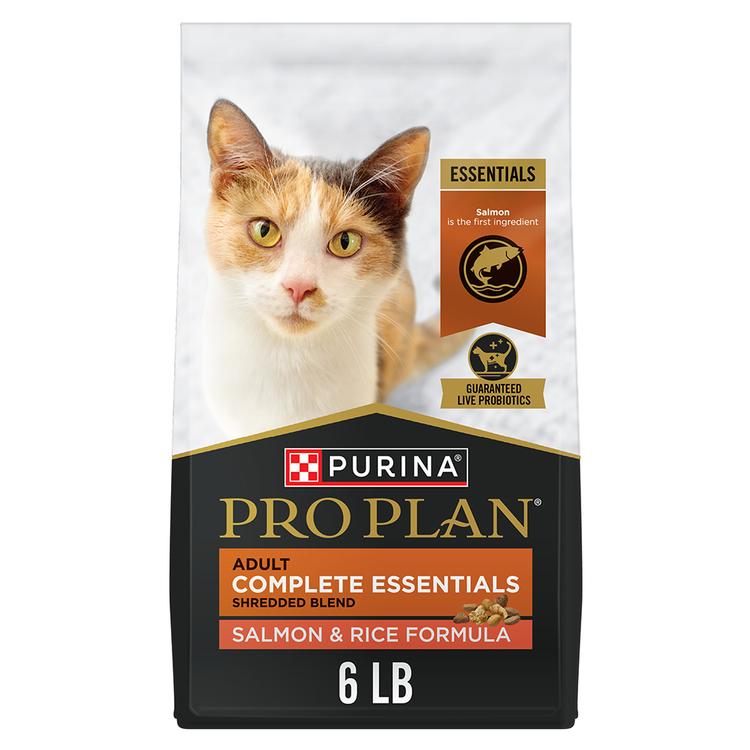
Credit: www.purina.com
A vet-recommended pick with balanced nutrition tailored for sedentary indoor lifestyles
Top Wet Cat Food Picks for Indoor Cats (2026)
Wet food is the best option for boosting your indoor cat’s moisture intake, which supports urinary tract and kidney health. The top wet formulas for indoor cats are high in animal protein, low in fillers, and formulated to reduce hairballs and support healthy weight.
| Rank | Brand & Formula | Key Benefits | Ideal For |
|---|---|---|---|
| 1 | Wellness CORE Grain-Free Indoor Chicken & Turkey Pate | 12% protein, 78% moisture, added cranberries for urinary tract health, grain-free | Cats prone to urinary tract infections or crystals |
| 2 | Tiki Cat After Dark Chicken & Egg Recipe | 15% protein, 90% moisture, no fillers or artificial additives, high animal protein | Picky eaters or cats needing extra hydration |
| 3 | Royal Canin Indoor Adult Wet Food | 11% protein, added fiber to reduce hairballs, controlled calories, formulated for indoor lifestyles | Cats with frequent hairball issues |
| 4 | Weruva Truluxe Cat Food (Chicken & Salmon Recipe) | 12% protein, 85% moisture, human-grade ingredients, no gluten or grain | Cats with severe food sensitivities |
For more top-rated wet food options and in-depth reviews, check out our curated list of top wet foods.

Credit: www.amazon.com
Wet food provides up to 90% moisture, critical for supporting urinary tract and kidney health in indoor cats
Specialty Formulas for Cats With Unique Health Needs
If your cat has a diagnosed health condition, food sensitivity, or weight management challenge, specialty formulas offer targeted nutrition to support their specific needs.
Prescription Therapeutic Diets
If your cat has a diagnosed condition like chronic kidney disease, diabetes, or hyperthyroidism, a prescription diet formulated by veterinary nutritionists is often the most nutritional option. These formulas are regulated to contain precise levels of nutrients to manage health conditions, and are only available with a veterinarian’s recommendation.
Limited Ingredient and Hypoallergenic Options
Food allergies affect up to 10% of cats, with common triggers including chicken, beef, fish, corn, and soy. Limited ingredient diets use a single protein source and no common fillers to reduce allergic reactions, while hydrolyzed protein formulas break down proteins into molecules too small for the immune system to recognize, making them suitable for cats with severe allergies.
Weight Management Formulas
With over 60% of indoor cats overweight or obese per the American Animal Hospital Association AAHA weight management guidelines, weight management formulas are a critical tool for cats that struggle with portion control. These foods have lower calorie density and higher fiber levels to keep cats feeling full without extra calories, helping them lose weight safely without feeling hungry. For cats that need to lose weight, combine a weight management formula with low-effort ways to boost your cat’s activity like daily laser pointer sessions or puzzle feeders to increase calorie burn without stressing your cat.
Homemade Cat Food for Indoor Cats: Risks and Best Practices
Homemade cat food can seem like a great way to control ingredients and avoid fillers, but it comes with significant risks if not formulated correctly. Commercial cat food is regulated to meet AAFCO nutritional standards, ensuring it contains all the essential nutrients your cat needs; homemade diets often lack critical nutrients like taurine, arachidonic acid, and preformed vitamin A, leading to serious health deficiencies over time.
Critical Nutritional Gaps to Avoid
Cats require specific nutrients that are not present in plain cooked meat or vegetables. Taurine is non-negotiable for heart and eye health, and must be added to every homemade diet. A small amount of cooked, plain pumpkin or sweet potato can provide fiber for digestion, but avoid onions, garlic, grapes, and chocolate, which are toxic to cats even in small amounts.
Safe Preparation Guidelines
If you choose to feed homemade food, cook all meat thoroughly to kill bacteria like Salmonella and E. coli, which can cause severe illness in cats. Portion meals into individual servings and store them in the refrigerator for up to 3 days, or freeze for up to 3 months. Transition to homemade food slowly over 2–3 weeks to avoid digestive upset.
When to Work With a Veterinary Nutritionist
Never formulate a homemade diet on your own without guidance from a board-certified veterinary nutritionist. They will create a balanced recipe tailored to your cat’s age, weight, and health status, and adjust it as your cat’s needs change. In practice, most cats thrive on high-quality commercial food, and homemade diets are only recommended for cats with severe food allergies or sensitivities that can’t be managed with commercial options.
How to Transition Your Cat to a New Food Safely
Switching your cat’s food too quickly can cause vomiting, diarrhea, and food aversion, so a slow transition is critical. Follow this schedule to minimize digestive upset:
- Days 1–2: Mix 25% new food with 75% of your cat’s current food
- Days 3–4: Mix 50% new food with 50% current food
- Days 5–6: Mix 75% new food with 25% current food
- Day 7: Feed 100% new food
If your cat has a sensitive stomach, extend each step to 3–4 days instead of 2.
Signs of Adverse Reactions
Watch for vomiting, diarrhea, decreased appetite, itchiness, or lethargy during the transition. If these symptoms persist for more than 24 hours, revert to the old food and consult your veterinarian to rule out allergies or sensitivities.
Tips for Picky Eaters
Indoor cats often get bored with the same food every day. To encourage eating, warm wet food slightly to release its aroma, or add a small splash of low-sodium chicken broth to dry food. For cats that love to work for their food, use a puzzle feeder or scheduled automatic feeder to make mealtime engaging and slow down eating.
Maintain Consistency
Stick to a consistent feeding schedule, feeding at the same times every day to provide routine and security for your cat. Avoid free-feeding dry food, which leads to overeating and weight gain in most indoor cats; instead, measure portions based on your cat’s weight and activity level.
Frequently Asked Questions
Can indoor cats eat the same food as outdoor cats?
No. Outdoor cats burn far more calories hunting and patrolling territory, so standard cat food is often too high in calories for indoor cats, leading to weight gain. Indoor-specific formulas have lower calorie density, added fiber for hairball control, and extra moisture to support urinary health, making them a better fit for sedentary lifestyles.
Is wet food better than dry food for indoor cats?
Wet food is higher in moisture (78–90% vs. 5–10% for dry food), which is critical for supporting urinary tract and kidney health in indoor cats that don’t get moisture from prey. That said, high-quality dry food formulated for indoor cats is also a nutritious option, especially if you supplement with extra water or wet food toppers. Many owners feed a mix of both to balance cost, convenience, and nutrition.
How much should I feed my indoor cat?
Most adult indoor cats need 20–30 calories per pound of body weight per day, depending on age and activity level. For example, a 10-pound sedentary indoor cat needs 200–250 calories daily. Always follow the feeding guide on your food bag as a starting point, and adjust portions to keep your cat at a healthy weight (you should be able to feel their ribs with light pressure, but not see them).
What ingredients should I avoid in indoor cat food?
Avoid artificial preservatives (BHA, BHT, ethoxyquin), fillers like corn, wheat, and soy, unnamed meat by-products, added sugars, and artificial flavors. These ingredients offer no nutritional benefit and can trigger allergies, digestive upset, or long-term health issues in cats.
Consult Your Veterinarian for Personalized Guidance
Every cat is unique, and what works for one indoor cat may not work for another. Your veterinarian knows your cat’s full health history, age, weight, and any underlying conditions, so they can provide tailored recommendations for the most nutritional food for your specific pet.
Understanding Your Cat’s Unique Needs
A vet can identify subtle health issues that impact nutritional needs, like early-stage kidney disease or food sensitivities, that you may not notice at home. They can also recommend appropriate calorie intake and portion sizes to keep your cat at a healthy weight, reducing risk of chronic disease.
Interpreting Pet Food Labels
Pet food labels are often designed to appeal to owners, not reflect nutritional quality. Your vet can help you cut through marketing jargon to identify foods that meet AAFCO nutritional standards and use high-quality, bioavailable ingredients.
Monitoring Long-Term Health
Regular veterinary check-ups allow your vet to track your cat’s weight, coat health, energy levels, and lab results to determine if their current diet is meeting their needs. If your cat develops a health condition, your vet can adjust their diet to manage symptoms and improve quality of life. Regular vet check-ups also help you stay on top of other cat care needs, like minimizing shed and dander around your home.
Conclusion
The most nutritional cat food for indoor cats is not a one-size-fits-all product, but a formula that matches your cat’s life stage, health status, and preferences while meeting their unique obligate carnivore needs. Prioritize foods with high-quality animal protein as the first ingredient, moderate fiber, added moisture, and no unnecessary fillers or artificial additives. While premium commercial formulas are formulated to meet AAFCO standards and are suitable for most cats, work with your veterinarian to tailor your cat’s diet if they have special health needs. A balanced, nutrient-dense diet is the foundation of a long, happy, healthy life for your indoor cat.
If you’re unsure where to start, schedule a check-up with your veterinarian to get personalized recommendations, or browse our guides to find the perfect litter box setup to support your cat’s overall health and comfort.