
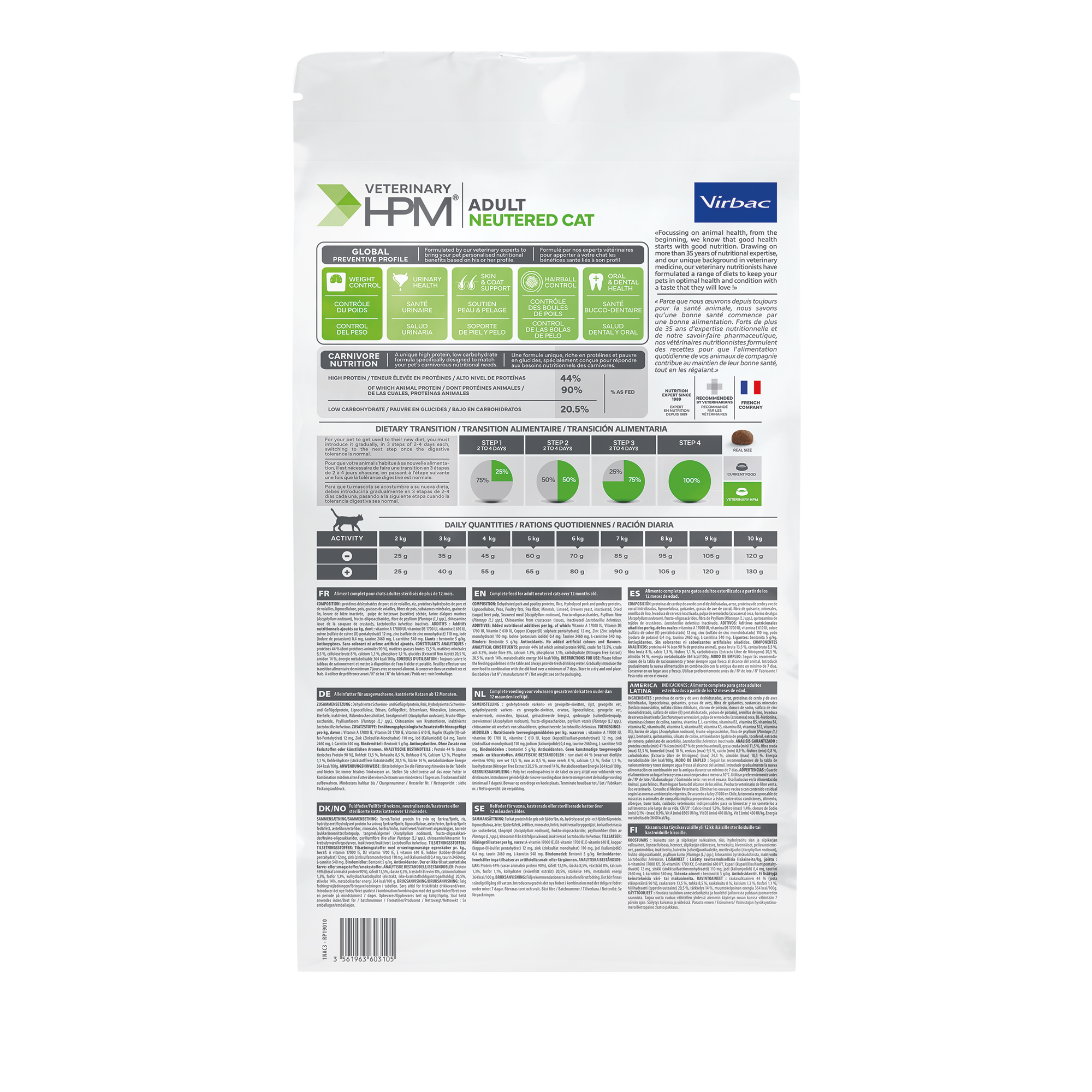
Do you ever wonder if your neutered cat is getting the right nutrition? As a caring cat owner, you want to ensure your furry friend stays happy and healthy.
But, after neutering, a cat's nutritional needs change. How do you adapt their diet to support their well-being? Understanding the specific dietary requirements for neutered cats is crucial. It can prevent weight gain, enhance their overall health, and even prolong their life.
Dive into this article to discover the essential nutrition your neutered cat needs. Unlock the secrets to keeping them fit and full of life, and ensure you're giving them the best care possible.

Credit: www.tractorsupply.com
Understanding Neutering And Its Impact
Neutered cats need fewer calories due to reduced energy levels. A balanced diet with high protein and low fat helps maintain their weight. Ensure they have essential nutrients like taurine for overall health.
Understanding Neutering and Its Impact Neutering is a common procedure that involves removing the reproductive organs of cats, significantly altering their physiology and behavior. Many cat owners might not realize that neutering changes more than just their pet's ability to reproduce. It can also affect their nutritional needs, activity levels, and overall well-being.
Hormonal Changes Post-neutering
After neutering, a cat experiences a drop in hormones like testosterone and estrogen, which can influence metabolism. This hormonal shift often results in a decrease in energy expenditure, making your cat more prone to weight gain. It's crucial to adjust your cat's diet to account for these changes, perhaps by reducing calorie intake or switching to a diet specifically formulated for neutered cats.
Behavioral Shifts In Cats
Neutering can also lead to noticeable behavioral changes in your feline friend. Many cats become less aggressive and more affectionate post-surgery, which can be a pleasant change for you. However, they may also become less active, which paired with a reduced metabolic rate, increases the risk of obesity. Have you noticed your neutered cat lounging more than usual? This change in behavior can necessitate a more structured feeding and exercise routine to keep your cat healthy and happy. Understanding these shifts is vital for ensuring your cat's long-term health. By paying attention to their behavior and adjusting their diet accordingly, you can help your neutered cat lead a vibrant and healthy life.
Credit: ziggyfamily.com
Nutritional Needs Of Neutered Cats
Neutering your cat is a responsible decision, but it comes with changes in your furry friend's dietary needs. Once neutered, cats tend to become less active, leading to a higher risk of obesity. Providing a balanced diet becomes essential to ensure their health and happiness. But what exactly should their nutrition intake look like?
Caloric Requirements
After neutering, your cat's energy needs decrease by up to 30%. This means you need to adjust their caloric intake to prevent weight gain. Consider feeding smaller portions or choosing food specifically designed for neutered cats. Look for formulas that offer fewer calories but still provide all the necessary nutrients.
Have you noticed your cat lounging more? This is common. Monitor their weight and adjust their food portions accordingly. Keeping a healthy weight is crucial to avoid future health issues.
Protein Needs
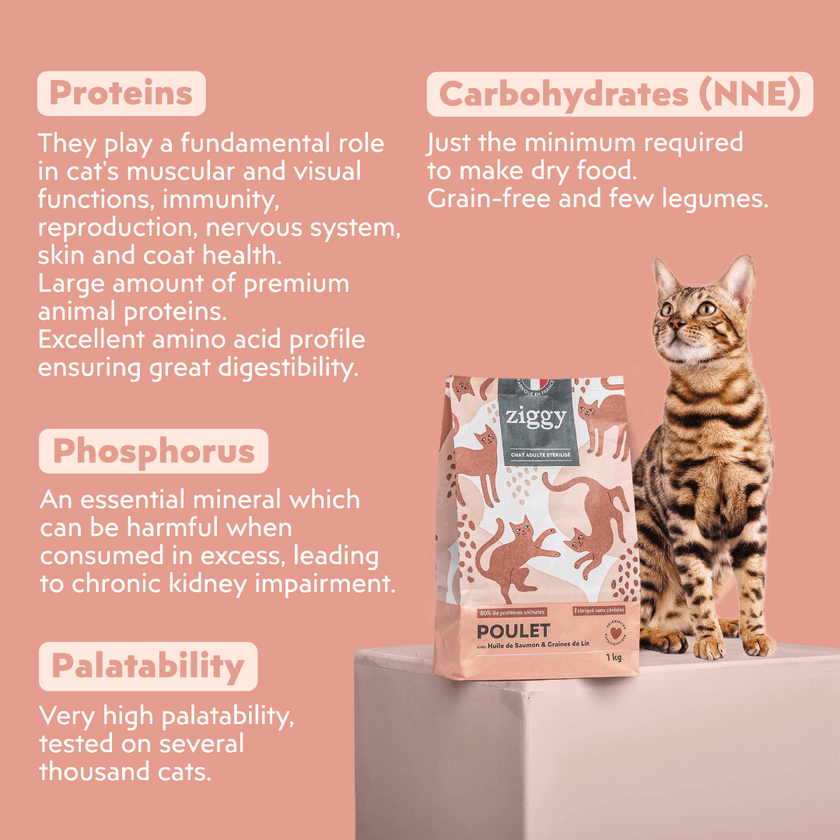
Protein remains a vital component of your neutered cat's diet. It helps maintain muscle mass and supports a strong immune system. Opt for high-quality protein sources like chicken, fish, or turkey. These not only satisfy your cat's taste buds but also fulfill their nutritional needs.
Balancing protein intake ensures your cat remains energetic and active despite their reduced calorie consumption. Are you observing a drop in your cat's playfulness? Increasing protein might help boost their energy levels.
Essential Vitamins And Minerals
Vitamins and minerals are key to keeping your cat healthy. Post-neutering, focus on nutrients that support metabolism and bone health. Calcium, phosphorus, and vitamin D are particularly important. These nutrients help in maintaining strong bones, which are crucial as your cat ages.
Consider incorporating a variety of sources, such as leafy greens or supplements, to ensure your cat receives all necessary vitamins and minerals. Do you think your cat's coat looks less shiny? A diet rich in omega-3 fatty acids can enhance their coat health.
Understanding the nutritional needs of neutered cats allows you to provide them with a balanced diet that supports their well-being. What changes have you noticed in your cat after neutering? Addressing their dietary needs can make a world of difference in their overall health.
Balancing Weight Management
Neutered cats require a balanced diet to maintain a healthy weight. Focus on providing high-quality protein and moderate fat. Include essential nutrients and fiber to keep them satisfied and prevent overeating.
Balancing weight management for your neutered cat is crucial. Neutering can lead to a slower metabolism, making weight gain more likely. With a few adjustments, you can help your feline maintain a healthy weight and stay active.
Preventing Obesity
Obesity in cats isn't just about appearance; it can lead to serious health issues like diabetes and joint problems. Adjusting portion sizes is key. Consider feeding your cat smaller, more frequent meals throughout the day. Choose high-quality cat food with balanced nutrients. Look for options with high protein and low carbohydrates. This supports muscle maintenance and helps prevent fat accumulation.
Encouraging Physical Activity
Keeping your cat active is just as important as diet when managing weight. Interactive toys can stimulate their natural hunting instincts. Try laser pointers or feather wands to get them moving. Create opportunities for climbing and exploring. Cat trees or shelves can encourage exercise and mental stimulation. Even simple cardboard boxes can spark curiosity and movement. Are you engaging with your cat enough? Your attention can make a big difference. Regular playtime sessions not only help with weight management but also strengthen your bond.
Choosing The Right Cat Food
Neutered cats require balanced nutrition to maintain healthy weight and vitality. Prioritize cat food rich in proteins, fibers, and essential vitamins. Reduced calories and fats can help prevent obesity, ensuring your pet stays active and happy.
Choosing the right cat food for your neutered cat is crucial in maintaining their health and preventing unnecessary weight gain. Neutered cats often experience a decrease in metabolism, making it vital to select a diet that supports their new lifestyle. But how do you navigate the numerous options available? Let’s dive into some key factors to consider.
Understanding Cat Food Labels
When picking cat food, it's essential to understand the labels. Look for foods that list a high-quality protein source as the first ingredient. This ensures your cat is getting the necessary nutrients for muscle maintenance. Avoid foods with excessive fillers like corn or wheat. These can contribute to weight gain and provide little nutritional value. Opt for options with natural preservatives instead of artificial ones, which can be harmful over time.
Recommended Brands And Products
Several brands cater specifically to the dietary needs of neutered cats. Royal Canin Neutered Satiety Balance is a popular choice, offering high fiber content to help control hunger. Hill's Science Diet Adult Perfect Weight provides a balanced formula to maintain a healthy weight. Purina Pro Plan Weight Management is another excellent option, offering a blend of protein and fiber. Always consult with your vet before making a switch to ensure it meets your cat's specific needs. Have you found a brand that works wonders for your cat? Or do you have questions about other products? Share your experiences or ask away in the comments!
Homemade Diet Considerations
Neutered cats need balanced nutrition to maintain a healthy weight. Focus on proteins, healthy fats, and fiber-rich foods. Avoid excessive carbohydrates to prevent weight gain and support their overall well-being.
Creating a homemade diet for your neutered cat can be a rewarding endeavor, allowing you to tailor their nutrition to fit specific needs. Neutered cats often require a balanced diet to maintain a healthy weight and support their less active lifestyle. But how do you ensure you're providing the right nutrients without compromising their health?
Safe Ingredients For Cats
Choosing safe ingredients is crucial when preparing homemade meals for your cat. Opt for lean proteins like chicken or turkey, which provide essential amino acids without excessive calories. Include a small amount of cooked vegetables such as peas or carrots, which offer vitamins and fiber. Avoid toxic foods like onions, garlic, and chocolate, as these can be harmful to cats. Consider adding fish oil for omega-3 fatty acids that promote a healthy coat and support joint health.
Sample Meal Plans
Creating a meal plan ensures your cat receives a balanced diet throughout the week. Here is a simple structure you might follow:
| Day | Meal Plan |
|---|---|
| Monday | Boiled chicken with peas |
| Tuesday | Turkey and carrots |
| Wednesday | Fish oil added to food |
| Thursday | Chicken with mixed vegetables |
| Friday | Turkey and pumpkin |
Vary the protein source to keep your cat interested and balance their nutrient intake. Mix proteins with small amounts of cooked veggies to ensure they get fiber and vitamins. Is your cat showing signs of boredom with their meals? Experiment with different textures and flavors to keep them engaged. Preparing homemade meals allows you to monitor and adjust portions based on your cat's weight and activity level. How can you make this process easier and more enjoyable? Share meal prep duties with family or friends who also have cats!
Monitoring Health And Adjusting Diet
Monitoring a neutered cat's health is vital. Their dietary needs change after surgery. This affects their overall well-being and weight. Adjusting their diet helps maintain a healthy lifestyle. Regular checks and adjustments ensure they receive optimal nutrition.
Recognizing Signs Of Nutritional Deficiency
Watch for signs of nutrient deficiency. These include dull fur, lethargy, and weight loss. Cats may show changes in appetite. Skin problems can also indicate poor nutrition. Early detection prevents serious health issues.
Consulting With A Veterinarian
A vet offers valuable guidance on diet adjustments. They assess the cat's health and recommend suitable food. Regular vet visits help monitor progress. They advise on portion sizes and nutritional supplements. Professional advice ensures a balanced diet.
Common Myths About Neutered Cats
When it comes to neutered cats, several myths often influence how pet owners approach their feline's nutrition. These misconceptions can lead to unnecessary worries or even incorrect feeding habits. Understanding these myths can help you provide the best care for your neutered cat without falling prey to common inaccuracies.
Myth Vs. Reality
Many believe neutered cats become lazy and overweight due to reduced activity levels. The truth is, while neutering can slightly decrease a cat’s metabolism, it's not a direct ticket to obesity. Your cat’s weight gain is more about calorie intake than its activity level. Adjusting your cat's diet to accommodate lower energy needs can easily manage this.
Another myth suggests neutered cats require less protein. In reality, a diet rich in high-quality protein is essential for maintaining muscle mass and overall health. Cutting back on protein can lead to deficiencies that affect your cat’s well-being. Choose cat food with balanced nutrition that prioritizes protein, not just for weight management but for optimal health.
Scientific Insights
Research shows neutered cats are more prone to weight gain if their diet isn't adjusted post-surgery. This doesn't mean they need drastic dietary restrictions, but rather slight modifications to prevent excessive calorie intake. Choosing a diet formulated for neutered cats is a practical way to address their unique needs.
Studies also highlight the importance of antioxidants and omega fatty acids in a neutered cat’s diet. These components support joint health and can mitigate risks associated with reduced activity levels. Including these nutrients helps ensure your cat stays agile and healthy despite any hormonal changes post-neutering.
Have you considered the impact of hydration on your neutered cat’s health? Proper hydration supports kidney function and helps manage weight. Wet food or water fountains can encourage your cat to drink more, contributing positively to their overall wellness.
By dissecting myths and understanding scientific insights, you can tailor your neutered cat’s diet effectively. Are you ready to make informed decisions that will enhance your cat’s health and happiness?

Credit: thelittlecarnivore.com
Frequently Asked Questions
How Much Food Should A Neutered Cat Eat?
A neutered cat typically needs 20% fewer calories. Consult your vet for exact amounts. Provide balanced, high-quality cat food. Adjust portions based on activity level and weight. Regularly monitor your cat's weight and condition to ensure they're healthy.
Do Neutered Cats Need A Different Diet?
Neutered cats often require a diet lower in calories and fat. This helps prevent weight gain and obesity. Choose high-quality cat food with balanced nutrients. Always consult your vet for personalized dietary advice, ensuring your neutered cat stays healthy and active.
What To Feed A Cat After Being Neutered?
Feed neutered cats high-protein, low-fat food. Ensure the diet includes essential nutrients and is portion-controlled. Consult your vet for specific dietary needs.
Should Neutered Cats Eat Less?
Neutered cats often need less food due to lower activity levels and metabolic changes. Adjust their diet to prevent obesity. Choose high-quality, portion-controlled meals to maintain a healthy weight. Regularly monitor their body condition and consult a vet for tailored feeding advice.
Conclusion
Caring for a neutered cat requires attention to its diet. Balanced nutrition helps maintain weight and health. Protein is crucial for muscle maintenance. Ensure they get enough. Fiber aids digestion and prevents obesity. Keep treats to a minimum. Fresh water should be accessible always.
A healthy diet prevents many common issues. Consult your vet for tailored advice. Neutered cats need extra care with food choices. Their needs differ from intact cats. Regular check-ups are beneficial. Keep your furry friend healthy with the right nutrition.
They deserve the best care possible.
