
If you’ve ever stood in the pet food aisle overwhelmed by conflicting labels, or worried your cat isn’t getting the nutrients they need to thrive, you’re not alone. As obligate carnivores with very specific biological requirements that differ sharply from dogs and humans, cats rely on their owners to provide a diet that matches their evolutionary needs. This 2026-updated essential guide breaks down exactly what nutrition cats need, common mistakes to avoid, and evidence-based steps to support your feline’s long-term health, no matter their age or lifestyle.
The Obligate Carnivore Baseline: Why Cat Nutrition Is Unique
Unlike dogs or humans, cats have no biological need for carbohydrates or significant fiber in their diets. Their digestive systems are optimized to break down and absorb nutrients from animal tissue, with short, acidic digestive tracts designed to process protein and fat efficiently while minimizing risk of bacterial contamination from raw prey. This biological reality means any cat diet that prioritizes plant-based ingredients over animal protein will fail to meet their core nutritional needs, even if it is marketed as "complete and balanced". You can also read our guide on can cats have freeze dried strawberries.
A common mistake new cat owners make is assuming cats will thrive on the same diet as dogs, or that they can be fed vegetarian or vegan diets without health consequences. In practice, cats lack the enzymes needed to convert plant-based beta-carotene into active vitamin A, and cannot synthesize taurine, arginine, or arachidonic acid from non-animal sources. Long-term feeding of inappropriate diets can lead to severe, life-threatening deficiencies.
Core Essential Nutrients Every Cat Requires
All commercial cat foods sold in the U.S. should meet the minimum nutritional standards set by the Association of American Feed Control Officials (AAFCO), which outlines required levels of protein, fat, vitamins, and minerals for different life stages. Beyond meeting these minimums, understanding the role of each core nutrient will help you make informed choices for your cat. You can also read our guide on purina pro plan urinary wet cat food.
High-Quality Animal Protein & Amino Acids
Adult cats require a minimum of 26% crude protein on a dry matter basis (per 2026 AAFCO guidelines), with kittens and pregnant/nursing cats needing at least 30% to support growth and reproduction. Protein provides the building blocks for muscle maintenance, organ function, and immune health, and is the primary energy source for cats (unlike dogs or humans, who prioritize fat or carbohydrates for energy).
Cats cannot synthesize 11 essential amino acids on their own, including taurine, arginine, and methionine. Taurine is particularly critical: even mild deficiencies can lead to irreversible retinal degeneration and dilated cardiomyopathy, a fatal heart condition. AAFCO requires a minimum of 0.1% taurine on a dry matter basis in all complete cat foods, but higher levels are often included in premium formulations for added support. You can also read our guide on how much nutritional yeast per day for cats.
Essential Fats for Skin, Coat & Organ Function
Fats provide 2-3 times more energy per gram than protein or carbohydrates, making them a critical energy source for active cats. They also support the absorption of fat-soluble vitamins (A, D, E, K), reduce inflammation, and maintain healthy skin and a shiny coat.
Cats require both omega-6 and omega-3 fatty acids from their diet, including arachidonic acid (an omega-6 fatty acid cats cannot synthesize on their own) and EPA/DHA (omega-3s that support brain, joint, and heart health). AAFCO requires a minimum of 5% crude fat for adult cats, with higher levels for kittens and highly active cats. You can also read our guide on what sort of nutrition is needed for a sick cat.
Vitamins, Minerals & Trace Elements
Cats require a full spectrum of vitamins and minerals to support immune function, bone health, and metabolic processes. Unlike dogs, cats cannot convert beta-carotene from plants into active vitamin A, so all preformed vitamin A must come from animal sources like liver or fish oils. Calcium and phosphorus must be provided in a strict ratio of 1:1 to 1.5:1 to support bone health without increasing kidney workload; excessive phosphorus intake is a leading contributor to chronic kidney disease in older cats.
The Non-Negotiable Role of Water
Water is the most overlooked essential nutrient for cats. In the wild, cats obtain 70-80% of their daily water intake from their prey (small mammals and birds are ~70% water); domestic cats often eat dry food, which contains only 5-10% moisture, leaving them chronically dehydrated if they don’t drink enough from a bowl. Cats have a naturally low thirst drive, an evolutionary adaptation that made them efficient at conserving water from prey. In practice, many cats will not drink enough to compensate for a dry-food-only diet, increasing their risk of urinary tract issues, kidney disease, and constipation. To boost hydration, prioritize moisture-dense wet food, place multiple fresh water bowls around your home (away from food and litter boxes to avoid contamination), or use a pet fountain to encourage drinking, as many cats prefer running water. You can also read our guide on can you train cats like dogs.
Wet food provides up to 80% moisture, meeting a large portion of a cat’s daily water needs

Life Stage Nutritional Requirements (2026 Updated Guidelines)
A cat’s nutritional needs shift dramatically as they age, and feeding a one-size-fits-all diet can lead to deficiencies or excess calorie intake. The table below outlines 2026 AAFCO-aligned minimum requirements for common life stages:
| Life Stage | Minimum Crude Protein (Dry Matter) | Key Additional Needs |
|---|---|---|
| Kitten (0-12 months) | 30% | Higher fat and calorie density, DHA for brain development |
| Adult (1-7 years) | 26% | Balanced calcium:phosphorus ratio, taurine, omega-3s |
| Senior (7+ years) | 26% (often higher for muscle maintenance) | Added glucosamine for joint health, lower phosphorus for kidney support |
| Pregnant/Nursing | 30%+ | Extra calories, higher fat, increased calcium and taurine |
For cats with chronic health conditions, the Cornell University College of Veterinary Medicine recommends working with a veterinary nutritionist to tailor a diet that avoids exacerbating underlying issues.
Portion Control & Weight Management
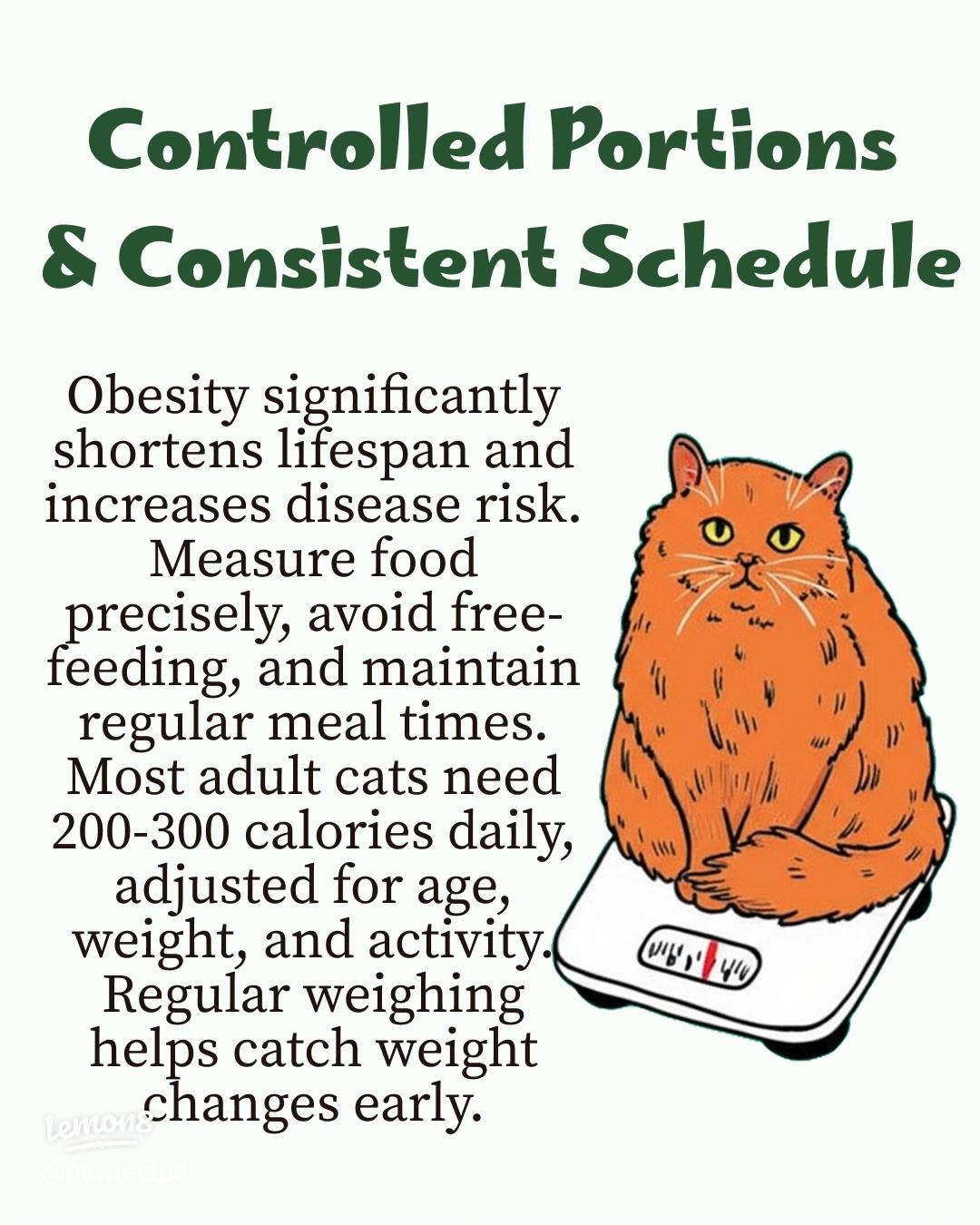
Obesity is a widespread issue among domestic cats in the U.S., and is a leading risk factor for diabetes, joint disease, and shortened lifespan. Proper portion control is one of the most effective ways to prevent weight gain.
First, calculate your cat’s daily calorie needs based on their weight, age, and activity level: most adult cats need 20-30 calories per pound of body weight per day. Avoid free-feeding, as many cats will eat out of boredom rather than hunger. Instead, serve measured meals 2-3 times per day. To avoid overfeeding, especially in multi-cat households, programmable timed feeders can dispense measured portions at set intervals, reducing food competition and ensuring each cat gets their recommended daily intake.
For cats that are already overweight, work with your veterinarian to create a gradual weight loss plan (no more than 1-2% of body weight per week, to avoid hepatic lipidosis, a life-threatening liver condition). Reward weight loss milestones with low-calorie training treats rather than extra food to avoid undoing progress.
Common Nutritional Deficiencies & Early Warning Signs
Even cats eating commercial "complete" diets can develop deficiencies if the food is low-quality, improperly stored, or not suited to their individual needs. The most common deficiencies include:
- Taurine deficiency: Caused by feeding homemade diets without supplementation, or low-quality commercial food with insufficient taurine. Symptoms include dilated cardiomyopathy, retinal degeneration, and reproductive failure.
- Vitamin A deficiency: Rare in commercial food, but common in homemade diets without animal liver or fish oil supplementation. Symptoms include poor coat quality, night blindness, and immune dysfunction.
- Calcium/phosphorus imbalance: Often caused by feeding excessive amounts of raw meat (which is high in phosphorus) or unbalanced homemade diets. Symptoms include weakened bones, dental issues, and kidney damage over time.
- Essential fatty acid deficiency: Caused by feeding low-fat diets or food stored for too long (fats go rancid over time). Symptoms include dry, flaky skin, dull coat, and increased inflammation.
Early warning signs of nutritional imbalance include persistent dandruff, unexplained weight loss or gain, lethargy, changes in litter box habits, and recurring infections. If you notice these symptoms, schedule a veterinary checkup to rule out underlying health issues and assess your cat’s diet.
How to Choose the Right Commercial Cat Food
With thousands of options on the market, selecting the right cat food can feel overwhelming. Follow these evidence-based guidelines to make an informed choice:
Decoding Pet Food Labels Like a Pro
First, look for an AAFCO nutritional adequacy statement on the label: this confirms the food meets minimum nutritional standards for your cat’s life stage (kitten, adult, senior, all life stages). Next, check the first 5 ingredients: real animal protein (e.g., chicken, salmon, turkey) should be the first ingredient, not fillers like corn, wheat, or soy. Avoid foods with vague ingredient listings like "meat by-products" or "animal digest" if possible, as these are lower-quality protein sources. For cats with low thirst drives, moisture-dense wet food is one of the most effective ways to boost daily water intake, and our top picks for moisture-dense wet food are formulated to meet both hydration and nutritional needs.
Wet vs. Dry Food: Honest Pros, Cons & Use Cases
Wet food typically contains 75-80% moisture, making it ideal for cats prone to urinary tract issues or kidney disease, and is often more palatable for picky eaters. The main downsides are higher cost and shorter shelf life after opening. Dry food is more convenient, less expensive, and can be left out for scheduled feedings, but its low moisture content can contribute to chronic dehydration in cats that don’t drink enough water. Many pet parents opt for a mixed diet of wet and dry food to balance cost, convenience, and hydration needs.
Grain-Free, Limited Ingredient & Special Formula Explained
Grain-free cat food replaces corn, wheat, and soy with alternative carbohydrate sources like peas, potatoes, or lentils. While grain-free diets are not inherently healthier for most cats, they can be beneficial for cats with diagnosed grain sensitivities or allergies. Limited ingredient diets (LIDs) use a single protein and carbohydrate source to reduce the risk of allergic reactions, making them a good option for cats with food sensitivities. Therapeutic formulas are designed for cats with specific health conditions, such as renal, urinary, or diabetic diets, and should only be fed under veterinary guidance.
Special Dietary Considerations for Health Conditions
Cats with chronic health conditions often require tailored diets to manage symptoms and slow disease progression. Common condition-specific dietary adjustments include:
- Chronic kidney disease: Cats with CKD require lower phosphorus, sodium, and protein levels to reduce kidney workload. Many pet parents find success with veterinary renal diets that are formulated to meet these requirements while maintaining adequate calorie intake.
- Diabetes: Diabetic cats benefit from high-protein, low-carbohydrate diets to stabilize blood sugar levels, paired with consistent scheduled meals to avoid glucose spikes.
- Food allergies: Cats with food allergies often present with itchy skin, recurring ear infections, or digestive upset. An elimination diet under veterinary guidance is the gold standard for identifying allergens, with hypoallergenic LIDs used for long-term management.
- Obesity: Overweight cats require calorie-restricted, high-protein diets to preserve muscle mass while promoting fat loss. For cats needing to lose weight, swap high-calorie treats for low-calorie training treats that you can use to reward positive behavior without adding excess calories.
Homemade & Raw Cat Diets: Benefits, Risks & Safety Rules
Many pet owners choose to make homemade or raw diets for their cats to control ingredient quality and avoid fillers and preservatives found in commercial food. While this can be a safe option, it requires careful planning to avoid nutritional deficiencies.
The primary benefit of homemade diets is full control over ingredient quality, which is ideal for cats with severe food allergies or sensitivities. The primary risk is nutritional imbalance: in practice, most homemade cat diets analyzed by veterinary nutritionists are deficient in at least one critical nutrient (most commonly taurine, calcium, or vitamin A) if not formulated by a professional. Raw diets carry an additional risk of bacterial contamination (Salmonella, E. coli) that can sicken both cats and their human household members.
If you choose to feed a homemade diet, always work with a board-certified veterinary nutritionist to formulate a balanced recipe, and follow strict food safety protocols for raw food handling (separate prep surfaces, thorough handwashing, immediate refrigeration of leftovers).
Do Cats Need Supplements? Evidence-Based Guidance
For cats eating a complete, AAFCO-compliant commercial diet, supplements are almost never necessary. However, there are evidence-based scenarios where supplements can provide benefit:
- Joint support: Senior cats or cats with arthritis may benefit from glucosamine and chondroitin supplements to reduce joint pain and improve mobility.
- Digestive health: Probiotics can help cats with chronic digestive issues, or those recovering from antibiotic treatment, support a healthy gut microbiome.
- Skin and coat health: Omega-3 supplements (EPA/DHA) can reduce inflammation and improve coat quality for cats with allergies or dry skin.
- Taurine: Only necessary for cats eating unbalanced homemade diets, or those with taurine deficiency diagnosed by a vet.
Avoid unproven supplements marketed for "overall health" or "detoxification", as these are not regulated and may contain harmful ingredients. Always consult your veterinarian before starting any new supplement, as over-supplementation can cause toxicity (e.g., excessive vitamin D can lead to kidney failure).
Debunking Common Feline Nutrition Myths (2026)
Misinformation about cat nutrition is rampant online, leading many owners to make avoidable mistakes. Here are the most common myths debunked:
- Myth: Cats love milk and it’s good for them. Most adult cats are lactose intolerant, and cow’s milk can cause severe digestive upset, including vomiting and diarrhea. If you want to give your cat a treat, opt for lactose-free cat milk or a small amount of plain, unseasoned cooked meat.
- Myth: Dry food cleans cats’ teeth. In reality, most cats chew dry food minimally, so it does little to reduce plaque buildup. Dental health requires regular toothbrushing, dental-specific treats, or veterinary dental cleanings.
- Myth: Cats can eat dog food occasionally. Dog food is formulated for canine nutritional needs, not feline ones, and lacks sufficient taurine and protein for cats. Long-term consumption of dog food can lead to life-threatening taurine deficiency.
- Myth: Table scraps are fine in small amounts. Many common human foods (onion, garlic, chocolate, grapes, xylitol) are toxic to cats, even in small doses. High-fat scraps can also cause pancreatitis, a painful and potentially fatal condition.
- Myth: Cats need carbohydrates for energy. Cats have no biological requirement for carbohydrates, and can meet all their energy needs from protein and fat alone. High-carb diets are a leading contributor to feline obesity.
How to Transition Your Cat to a New Diet Safely
Abrupt diet changes are one of the most common causes of digestive upset in cats, including vomiting, diarrhea, and refusal to eat. To avoid this, follow a slow 7-10 day transition:
- Days 1-2: Mix 75% of your cat’s current food with 25% of the new food
- Days 3-4: Mix 50% current food with 50% new food
- Days 5-6: Mix 25% current food with 75% new food
- Days 7+: Feed 100% of the new food
For cats with sensitive stomachs, extend each step to 2-3 days. Monitor your cat for signs of digestive upset during the transition, and consult your veterinarian if symptoms persist for more than 24 hours.
Monitoring Your Cat’s Nutritional Health Long-Term
Even with the best diet, your cat’s nutritional needs can change over time due to age, activity level, or underlying health conditions. Regular monitoring will help you catch issues early:
- Body condition scoring: Weigh your cat monthly and use a 9-point body condition scale (available from the World Small Animal Veterinary Association) to assess if they are underweight, overweight, or at a healthy weight.
- Litter box monitoring: Changes in urine output, stool consistency, or frequency are often early signs of dehydration, urinary tract issues, or digestive upset. In multi-cat households, a dual-compartment litter box makes it easier to track individual cats’ output.
- Coat and skin checks: A dull, flaky coat or persistent dandruff are common signs of essential fatty acid deficiency or poor overall nutrition.
- Regular veterinary checkups: Schedule bi-annual vet visits to run bloodwork that checks for nutrient levels, kidney function, and thyroid health, which can all be impacted by diet.
Frequently Asked Questions
What are the daily essential nutrients cats need?
Cats require daily intake of high-quality animal protein, essential amino acids (especially taurine), essential fats (including arachidonic acid and omega-3s), preformed vitamin A, a balanced ratio of calcium and phosphorus, and fresh water. A complete, AAFCO-compliant commercial diet will provide all of these nutrients in the correct ratios for your cat’s life stage.
What is the healthiest thing to feed a cat?
For most cats, a diet of high-quality, AAFCO-compliant wet food (or a mix of wet and dry food) is the healthiest option, as it provides both complete nutrition and the high moisture content cats need to support urinary and kidney health. Avoid foods with excessive fillers, artificial additives, or vague protein sources. For cats with specific health conditions, a veterinary therapeutic diet may be a better fit.
What is the 25% rule for cat food labeling?
Per AAFCO guidelines, if a cat food is labeled with a specific ingredient name (e.g., "Chicken Dinner for Cats"), that ingredient must make up at least 25% of the product (excluding added water). If the label says "with chicken", the chicken content only needs to be 3%. This rule helps you avoid products that use minimal amounts of premium ingredients for marketing purposes.
Do cats need supplements if they eat commercial food?
No, cats eating a complete, AAFCO-compliant commercial diet formulated for their life stage do not need supplements. Supplements are only recommended for cats with diagnosed deficiencies, chronic health conditions, or those eating unbalanced homemade diets, and should only be given under veterinary guidance.
Can cats eat homemade diets safely?
Yes, but only if the diet is formulated by a board-certified veterinary nutritionist to meet all of your cat’s nutritional requirements. Homemade diets created from online recipes or generic guidelines are almost always deficient in critical nutrients like taurine, calcium, and vitamin A, and can lead to serious health issues over time.
Final Recommendations for Optimal Feline Nutrition
Providing the right nutrition for your cat doesn’t have to be complicated – start by prioritizing high-quality animal protein, adequate moisture, and AAFCO-compliant food tailored to your cat’s life stage, and work with your veterinarian to adjust for any unique health needs. For more tailored guidance on selecting the best food for your cat’s specific needs, check out our guide to nutritionally complete cat food options.
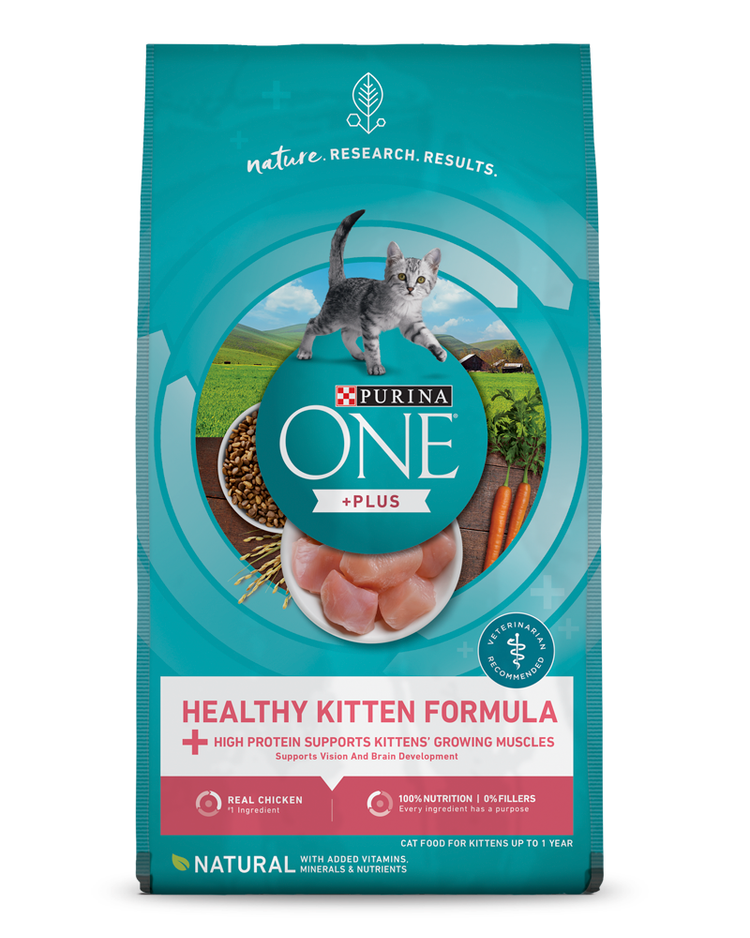
Kitten food is formulated with higher protein and calorie density to support rapid growth
Veterinary guidance is critical for cats with chronic conditions like renal disease

Frequently Asked Questions
What are the non-negotiable daily nutrients cats require?
Cats require a daily intake of high-quality animal-based protein (minimum 26% crude protein on a dry matter basis for adult cats, 30% for kittens per 2026 AAFCO standards), essential amino acids (most notably taurine, which cats cannot synthesize endogenously), essential fatty acids (including arachidonic acid, EPA, and DHA), preformed vitamin A (derived from animal sources, as cats lack the enzyme to convert plant-based beta-carotene into active vitamin A), a balanced 1:1 to 1.5:1 ratio of calcium to phosphorus, and consistent access to fresh, clean water. Any complete, AAFCO-statemented commercial diet formulated for your cat’s specific life stage will provide all these nutrients in evidence-based ratios.
Is wet food healthier for cats than dry food?
Wet food is not universally “healthier” for all cats, but it is the superior choice for cats with low thirst drives, a history of urinary tract crystals or infections, or diagnosed chronic kidney disease, as its 75-80% moisture content directly supports hydration and urinary tract health. Dry food is more cost-effective, shelf-stable, and convenient for cats that graze throughout the day, but its 5-10% moisture content often leads to chronic dehydration in cats that do not drink sufficient water from bowls. Most veterinary nutritionists recommend a mixed diet of wet and dry food to balance convenience, cost, and hydration needs for the average healthy cat.
Can cats eat dog food in an emergency?
A single small bite of dog food will not cause harm to an otherwise healthy cat, but dog food is not formulated to meet feline nutritional requirements and lacks sufficient taurine, protein, and preformed vitamin A to support long-term cat health. Consistent consumption of dog food will lead to life-threatening taurine deficiency, dilated cardiomyopathy, and irreversible retinal degeneration within months. If you run out of cat food unexpectedly, plain unseasoned cooked chicken, turkey, or lean beef can serve as a temporary 24-hour substitute, but you should switch back to nutritionally complete cat food as soon as possible.
Do indoor cats need different nutrition than outdoor cats?
Indoor cats are typically far less active than free-roaming outdoor cats, so they require 15-20% fewer daily calories to avoid weight gain and associated conditions like diabetes and joint disease. Many indoor cat formulas are lower in calorie density and include added fiber to support digestive health and reduce hairball formation from frequent self-grooming. Outdoor cats that hunt, roam, and patrol large territories require higher calorie and protein intake to fuel their increased activity, and may benefit from a higher-fat, higher-protein diet matched to their energy output.
Is a grain-free diet better for cats?
Grain-free diets are not inherently healthier for most cats, as felines have no biological requirement for grains or carbohydrates in general, and can meet all their energy needs from protein and fat alone. However, grain-free diets can be beneficial for cats with diagnosed grain sensitivities or allergies, which typically present as persistent itchy skin, recurring ear infections, or chronic soft stool. If you suspect your cat has a grain sensitivity, consult your veterinarian to rule out other underlying causes (such as flea allergies or food protein sensitivities) before switching to a grain-free formula.
What is the 25% rule for cat food labeling?
Per AAFCO labeling guidelines, if a cat food product uses a specific ingredient name in its title (e.g., “Chicken Dinner for Cats”), that ingredient must make up at least 25% of the product’s total weight (excluding added water for processing). If the label only says “with chicken”, the chicken content only needs to meet a 3% minimum. This rule helps pet owners avoid marketing gimmicks that use tiny amounts of premium ingredients to make a product appear higher-quality than it is.
Final Recommendations for Optimal Feline Nutrition
Providing the right nutrition for your cat does not require a degree in veterinary science — start with three core, evidence-based steps: prioritize high-quality animal protein as the first listed ingredient in all foods, ensure consistent access to fresh water and moisture-dense food to support hydration, and select AAFCO-compliant food tailored to your cat’s life stage and any existing health conditions. Avoid unsubstantiated fad diets marketed as “grain-free” or “ancestral” unless recommended by your veterinarian for a specific health need, and always introduce new foods gradually over 7-10 days to avoid digestive upset.
For more tailored guidance on selecting products that fit your cat’s unique needs, explore our guides to nutritionally complete wet food options, low-odor litter box solutions to keep their feeding and elimination areas clean and stress-free, and gentle grooming tools to support overall skin and coat health. If you are working to train your cat to accept new foods or reduce mealtime anxiety, our guide to positive reinforcement training methods can help make dietary transitions smooth and low-stress for both you and your feline companion.