
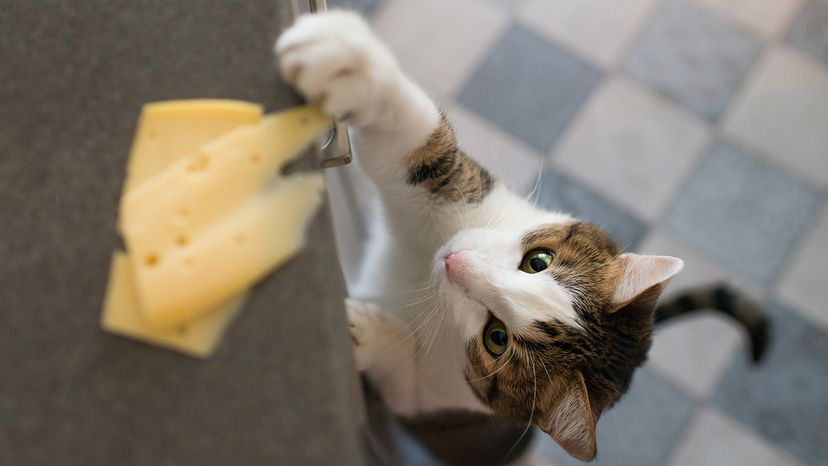
Imagine the curious gaze of your cat as you snack on a slice of cheese. You might wonder if you can share this treat with your furry friend.
Cheese is undeniably delicious, but can it be nutritious for cats? This question might have crossed your mind more than once, especially when your cat looks at you with those adorable eyes. Understanding what foods are safe and healthy for your pet is crucial.
You want the best for your cat, ensuring they are not just satisfied but also thriving. We're going to uncover the truth about cheese and its nutritional value for cats. Get ready to discover whether this popular human snack can be a beneficial addition to your cat's diet. Keep reading to find out what you should know about feeding cheese to your feline friend.
Cat Dietary Needs
Cats are obligate carnivores. This means they need meat to thrive. Their bodies are designed to process proteins and fats. These nutrients are essential for their health and energy.
A balanced diet keeps cats healthy and happy. It supports their immune system, fur, and overall wellness. While cats can enjoy treats, their main diet should be meat-based.
Understanding Cat Nutritional Needs
Cats need high levels of protein in their diet. Proteins provide the amino acids cats cannot produce themselves. Taurine is one vital amino acid they must get from food.
Fats are another crucial component. They provide energy and help absorb vitamins. Omega-3 and Omega-6 fatty acids are important for skin and coat health.
The Role Of Vitamins And Minerals
Vitamins and minerals are vital for cats. They support various bodily functions. Calcium and phosphorus are crucial for bone health.
Vitamins like A, D, E, and B-complex support vision, skin, and metabolism. A balanced diet includes all these essential nutrients.
Can Cheese Fulfill These Needs?
Cheese contains proteins and fats. But it lacks many essential nutrients for cats. Cheese should not replace their main diet.
It can be an occasional treat. But it should not be a regular food source. Feeding cheese in moderation is key.
Potential Risks Of Cheese In Cat Diet
Many cats are lactose intolerant. Cheese can cause stomach upset or diarrhea. High fat content in cheese can lead to obesity.
Salt in cheese is also a concern. Excess salt can harm a cat's health. Always monitor your cat's reaction to cheese.
Finding Safe Treat Alternatives
Many cat-friendly treats are available. They are designed to meet feline nutritional needs. Look for treats high in protein and low in carbs.
Some safe options include cooked chicken or fish. These are healthy and enjoyable for cats. Always ensure treats are safe and suitable.
Credit: www.petbook-magazine.com
Cheese Composition
Cats can gain some nutrition from cheese, but it's not ideal for them. Cheese contains protein and calcium, beneficial for cats in moderation. Cats may struggle with digesting lactose, so excessive cheese can lead to digestive issues.
Cheese Composition Cheese is a popular treat that many pet owners might be tempted to share with their feline friends. But what exactly is cheese made of, and is it suitable for cats? Understanding the composition of cheese is crucial before offering it to your cat. Cheese is primarily made from milk, which means it contains a mixture of proteins, fats, and carbohydrates. These components can vary depending on the type of cheese, making some more suitable for cats than others. But do these nutrients benefit your cat, or could they cause harm?
Nutritional Content
Cheese can be rich in proteins and fats, which are essential components of a cat's diet. Cats are obligate carnivores, meaning they thrive on diets high in animal proteins. Some cheeses, like cheddar, contain a decent amount of protein, which might seem appealing for your cat. However, cheese also contains fats, which can be beneficial but may lead to weight gain if given in excess. Aside from proteins and fats, cheese contains calcium, which is vital for bone health. While calcium is important, your cat likely gets enough from their regular diet. Cheese also contains sodium, and too much sodium can be harmful to cats. So, is cheese a healthy supplement, or should it be limited?
Lactose Levels
One critical aspect of cheese composition is lactose, a sugar found in milk. Most adult cats are lactose intolerant, meaning they lack the enzyme needed to break down lactose properly. This can lead to digestive issues if they consume too much dairy. Cheese typically has lower lactose levels than milk, especially aged varieties like parmesan. However, even small amounts can upset a sensitive stomach. Have you ever noticed your cat experiencing discomfort after sneaking a sip of milk or nibbling cheese? This might be due to lactose intolerance. If you decide to offer cheese, monitor your cat's reaction closely. Would it be better to choose lactose-free alternatives?
Cats And Dairy Products
Cats can consume cheese in small amounts, but it's not a nutritional necessity. Cheese contains lactose, which many cats struggle to digest. Offering occasional cheese treats is fine, but a balanced feline diet is essential.
Cats and Dairy Products Cats have a curious relationship with dairy products. While many of us picture a cat happily lapping up a bowl of milk, the reality is a bit more complex. You might be surprised to learn that most cats are not naturally equipped to digest dairy, despite their apparent affection for it.
Lactose Intolerance In Cats
Much like some humans, many cats are lactose intolerant. This means their bodies lack the necessary enzyme, lactase, to break down lactose, the sugar found in milk. As a result, consuming dairy can lead to digestive issues, leaving your feline friend uncomfortable.
Common Dairy Reactions
When cats consume dairy products, they may experience a range of reactions. These can include upset stomachs, diarrhea, and gas. It's important to watch for these signs if your cat happens to sneak a bite of cheese or a sip of milk. Have you ever wondered why your cat seems to love cheese even though it might not be the best for them? Cats are often drawn to the fat and protein content in cheese, which can be appealing despite the digestive risks. If you're considering giving your cat cheese as a treat, it's crucial to do so in moderation. Small amounts might not cause harm, but it’s always best to monitor your cat’s reaction closely. Remember, every cat is different. What works for one might not work for another. Would you risk your cat's comfort for a moment of indulgence? Consider the potential consequences before sharing your dairy delights with your furry companion.
Credit: felinefancy.co.uk
Potential Benefits Of Cheese
Cats are known for their curious eating habits. Cheese can be a tempting treat for them. Though not a staple in their diet, cheese might offer some benefits. This section explores the potential advantages of cheese for cats.
Protein Source
Cheese contains protein, essential for muscle growth in cats. It supports their overall health and energy levels. A small amount can supplement their daily protein intake.
Calcium Content
Calcium is vital for bone health. Cheese provides this mineral, aiding in strong bones. It also supports nerve function and muscle contractions.
Risks Of Feeding Cheese
Feeding cheese to cats poses risks due to lactose intolerance. Digestive issues can arise from even small amounts. Limited nutrients in cheese don't offer essential cat nutrition, making it an unsuitable choice for regular feeding.
Feeding cheese to cats might seem harmless, but it poses risks. Cats are obligate carnivores, thriving on a meat-based diet. Cheese, a dairy product, can disrupt their digestive balance and overall health. Understanding these risks helps ensure your cat's well-being.
Digestive Issues
Cats often struggle with digesting cheese. Most adult cats are lactose intolerant. Their bodies lack the enzyme lactase, needed to break down lactose. Consuming cheese can lead to digestive upset. Symptoms include diarrhea, vomiting, and stomach pain. These issues can cause discomfort and distress for your cat. It's important to monitor their reaction to any dairy intake.
Obesity Concerns
Cheese is high in fat and calories. Regular cheese treats can lead to weight gain. Obesity in cats results in serious health problems. It increases the risk of diabetes, heart disease, and joint issues. A healthy diet is essential for maintaining a cat's ideal weight. Cheese, with its high-fat content, should be given sparingly, if at all. Keeping your cat active and feeding them a balanced diet promotes their long-term health.
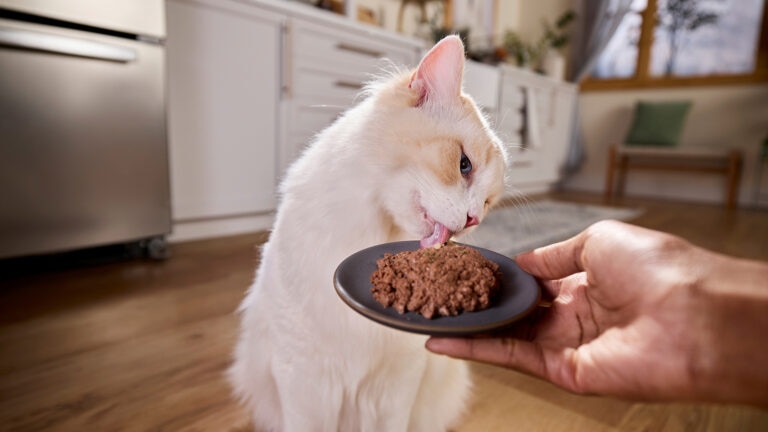
Credit: www.chewy.com
Safe Cheese Varieties
Cats can enjoy cheese in moderation for some nutritional benefits. Cheeses like cheddar or Swiss offer protein and calcium. Always ensure it is lactose-free to prevent digestive issues.
Cats often love cheese, but not all types are safe for them. Cheese can be a fun treat, offering a small amount of protein and fat. Choosing the right type is key to keeping your cat healthy. Some cheeses are safer because they have less lactose and are less likely to upset a cat's stomach.
Low-lactose Options
Cheese with low lactose is better for cats. Hard cheeses like cheddar and Swiss have less lactose. These types are easier for cats to digest. Cottage cheese is another option. It has less lactose and is softer. Always check the label for lactose content. Your cat's stomach will thank you.
Portion Control
Cats should eat cheese in small amounts. A tiny piece is enough. Their digestive system is sensitive. Too much can cause problems like diarrhea. Use cheese as an occasional treat. Not a daily snack. Watch your cat's reaction after eating cheese. Adjust portions if needed. Small portions keep your cat safe and happy.
Alternative Treats For Cats
Cats love treats, but cheese isn't the best choice. Cheese can upset their stomach. Fortunately, there are better options to keep them happy and healthy. Let's explore some alternative treats that cats will enjoy and benefit from.
Cat-specific Snacks
Cats thrive on treats made just for them. These snacks meet their dietary needs. Look for options with high protein. Avoid treats with too many carbs or fillers. Many brands offer tasty flavors like chicken or fish. Check the labels for natural ingredients. Choose snacks without artificial colors or preservatives.
Homemade Options
Preparing homemade treats is simple and rewarding. Use basic ingredients like cooked chicken or fish. Cats love small pieces of cooked meat. Avoid adding salt or seasoning. You can also use canned tuna in water. Drain it well before serving. For variety, try small amounts of cooked egg. Always ensure the egg is fully cooked.
Remember to offer treats in moderation. Treats should not replace regular meals. Keep your cat's diet balanced and healthy. These alternative treats will satisfy your cat without the risks of cheese.
Veterinary Advice
Cats are curious creatures, often intrigued by foods we eat. Cheese is one such food. While it may seem harmless, understanding its nutritional impact is crucial. Consulting a veterinarian can offer insights into whether cheese suits your cat's diet.
Consulting A Vet
Before offering cheese, speak to your vet. They understand your cat's specific needs. Vets can assess if your cat has lactose intolerance. They can recommend safe cheese types or alternatives.
Some cheeses might contain harmful additives. A vet's guidance ensures you avoid these risks. Regular check-ups help track your cat's health. Discuss any dietary changes during these visits.
Signs Of Discomfort
After eating cheese, watch for changes in behavior. Vomiting or diarrhea are common signs of discomfort. Cats may also show signs of gas or bloating. Notice if your cat becomes lethargic or restless.
If symptoms persist, consult your vet promptly. Keeping a diary of foods and symptoms can help. This record aids the vet in diagnosing food sensitivities. It ensures your cat stays happy and healthy.
Frequently Asked Questions
Is Cheese Nutritious For Cats?
Cheese is not particularly nutritious for cats. It can cause digestive issues due to lactose intolerance. Small amounts occasionally may be safe, but regular feeding is not recommended. Always consult a veterinarian before introducing new foods to your cat's diet.
Why Does My Cat Love Cheese So Much?
Cats often love cheese due to its rich flavor and high protein content. Cheese can resemble the protein in their natural diet. Always offer cheese in moderation, as too much can upset their digestive system. Keep their overall diet balanced for optimal health.
Can Cats Safely Eat Cheese?
Cats can eat cheese in small amounts. Cheese is not toxic to cats, but it isn't a natural part of their diet. Cats are obligate carnivores and don't digest dairy well. Always introduce any new food cautiously and consult your vet if you notice any adverse reactions.
Is Cheese Nutritious For Cats?
Cheese offers limited nutritional benefits for cats. It contains protein and calcium, but these nutrients are better sourced from meat. Cats require a specific diet high in animal protein. Feeding cheese as a treat should be occasional, not a dietary staple.
Conclusion
Cats can enjoy cheese, but only in moderation. Cheese offers protein and calcium. Yet, it is not essential for cats. Their primary diet should be meat-based. Some cats might struggle with digestion due to lactose. Always monitor your cat's reaction to cheese.
A small amount is generally safe. But, avoid making cheese a regular treat. Balance is key for cat nutrition. Consult your vet for dietary advice. Remember, every cat is unique. Their needs can vary. Prioritize their health and well-being. Keep their diet balanced and nutritious.
