
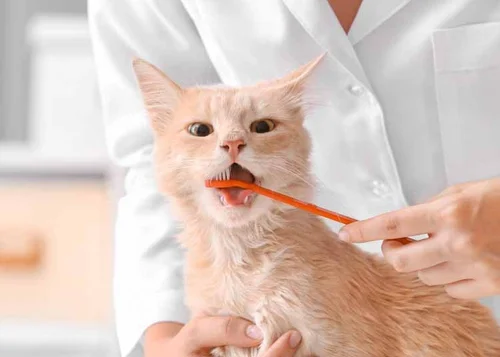
If you’ve ever wondered whether routine brushing is truly necessary for your feline companion, you’re not alone — many cat owners overlook this critical part of care, even as evidence shows it’s one of the most impactful things you can do for their long-term health. According to evidence-based veterinary dental guidelines from the American Veterinary Dental College, 80% of cats over the age of 3 develop some form of dental disease, making at-home preventive care a non-negotiable part of wellness. This guide breaks down vet-approved frequency recommendations, step-by-step techniques, tool picks, and low-stress routine building tips to make cat dental care simple and stress-free for both you and your pet.

A calm, gradual approach helps cats associate tooth brushing with positive experiences.
Credit: www.purina.com
Why Cat Dental Care Is a Non-Negotiable Part of Wellness
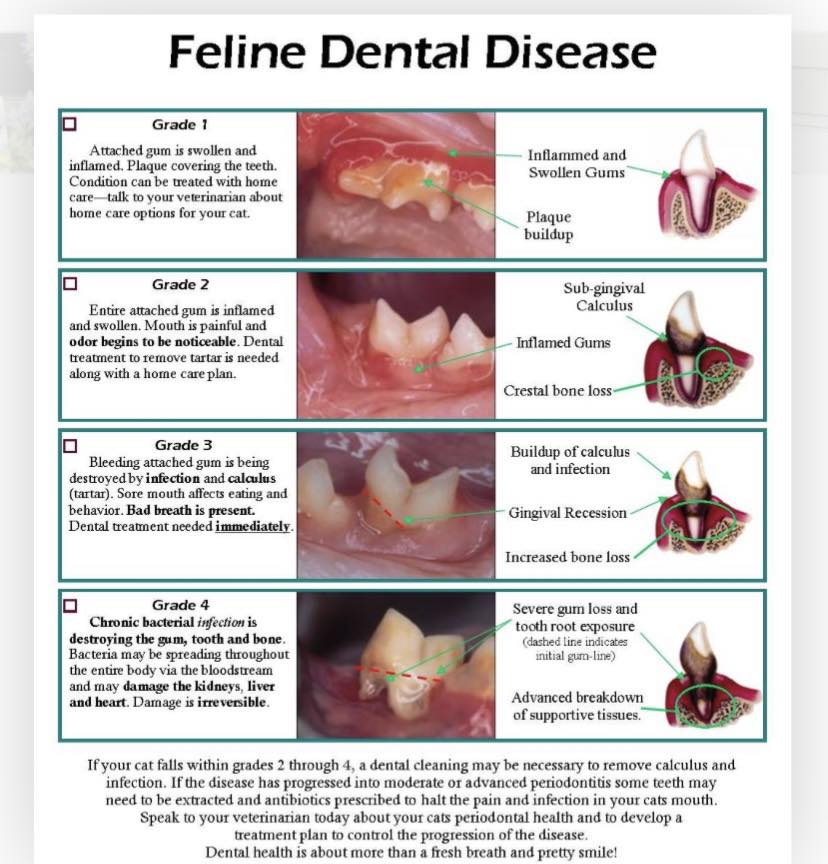
Many owners assume cats’ teeth are self-cleaning, but that’s a dangerous myth. Plaque builds up on cats’ teeth within 24 hours of eating, and if not removed, it hardens into tartar within 72 hours. Tartar buildup leads to gingivitis (gum inflammation), which can progress to periodontitis, a painful condition that destroys gum tissue and bone supporting the teeth. Untreated dental disease doesn’t just cause oral pain: bacteria from infected gums can spread to the kidneys, heart, and liver, leading to life-threatening chronic conditions. Dental pain can also make eating uncomfortable, impacting your cat's ability to maintain proper daily nutrition and leading to unwanted weight loss or nutrient deficiencies. You can also read our guide on should you brush your cats teeth.
How Often Should You Brush Your Cat’s Teeth? (The Vet-Approved Answer)
The ideal brushing frequency depends on your cat’s age, breed, and existing dental health, but the baseline recommendation from veterinary dental specialists is consistent for most cats. Use the table below to find the right schedule for your pet:
| Frequency | Ideal For | Key Notes |
|---|---|---|
| Daily | Senior cats (7+), brachycephalic breeds (Persians, Maine Coons, Siamese), cats with existing dental disease | Start with 30-second sessions if your cat is new to brushing, and use high-value rewards to build positive association |
| 3–4 times per week | Average adult cats with no existing dental problems | The minimum frequency required to remove plaque before it hardens into tartar |
| Less than 2 times per week | Only if using vet-approved alternative dental care methods (not a replacement for brushing) | Not recommended for long-term use without veterinary guidance |
Adjusting Frequency to Your Cat’s Unique Needs
Kittens can be acclimated to brushing as soon as their baby teeth emerge at 2–3 weeks old, with 2 short sessions per week to build a lifelong habit. For skittish or formerly outdoor cats that resist handling, start with 1 session per week and gradually increase frequency as they grow comfortable. If you notice early signs of dental issues (see below), increase brushing frequency and schedule a vet visit immediately to address the root cause.
Essential Tools for Safe, Effective Brushing
Using the right tools makes brushing faster, less stressful, and more effective at removing plaque.
Choosing the Right Cat Toothbrush
Cat toothbrushes come in three main styles, each suited to different temperaments:
- Small soft-bristle brushes: The most common option, with a tiny head that fits cats’ small mouths and reaches back molars easily.
- Finger brushes: Slip over your fingertip for more control, ideal for skittish cats or brachycephalic breeds with small, flat faces.
- Dual-head brushes: Have two brush heads to clean both sides of the teeth at once, cutting session time in half for tolerant cats.
You don’t need an expensive electric brush — a quality manual brush works perfectly for most cats. If your cat is extremely resistant to at-home brushing, professional grooming support can help them get comfortable with the process in a low-stress environment. You can also read our guide on how to improve my cats nutrition daily.
Picking Cat-Safe Toothpaste
Never use human toothpaste on your cat: it contains xylitol and fluoride, both of which are toxic to felines even in small amounts, and can cause liver damage, kidney failure, or death. Look for cat-specific formulas with these features:
- Enzymatic ingredients: Break down plaque biofilm at a molecular level, rather than just scrubbing surface debris.
- Cat-approved flavors: Poultry, fish, and malt are the most palatable for most cats; neutral, unflavored enzymatic options work for picky eaters.
- No artificial additives: Avoid products with added sugars, harsh chemicals, or artificial colors that can irritate sensitive gums.
How to Brush Your Cat’s Teeth: A Low-Stress Step-by-Step Guide
The biggest barrier to regular brushing is usually cat resistance, but a slow, positive approach will make the process tolerable for even the most skittish feline. Follow these steps for success:
- Pick the right time: Schedule sessions right after a meal, when your cat is sleepy and full, not before playtime, vet appointments, or when there are loud noises in the house.
- Let them inspect the tools first: Let your cat sniff the toothbrush and lick a small amount of toothpaste off your finger to get used to the taste and texture before you touch their mouth.
- Start with the easiest teeth: Gently lift your cat’s lip and start with the front canine teeth (the long “fangs” at the front of the mouth), which are least sensitive and easiest to reach.
- Use gentle circular motions: Brush along the gum line in small circles, where plaque accumulates most. You only need to brush the outer surfaces of the teeth — your cat’s tongue naturally cleans the inner surfaces, so there’s no need to force their mouth open.
- Keep sessions short: For new cats, limit first sessions to 60 seconds, even if you only brush 2–3 teeth. Gradually increase time to 3–5 minutes as they tolerate it.
- Reward immediately: Give your cat a small treat or 1 minute of playtime right after every session, even if it was short. Use small, soft high-value training rewards to create a positive association with brushing.
A common mistake owners make is forcing their cat’s mouth open or scolding them for resisting. This will make your cat fear brushing long-term, so stop the session if they show signs of stress (flattened ears, tail twitching, trying to escape) and try again later.
6 Warning Signs of Cat Dental Problems (Don’t Ignore These)
Cats are masters at hiding pain, so signs of dental disease often don’t appear until the condition is advanced. Watch for these red flags and schedule a vet visit immediately if you notice any:
- Persistent bad breath: A mild “cat food” smell is normal, but foul, rotten-smelling breath indicates plaque buildup, gum infection, or tooth decay.
- Red, swollen, or bleeding gums: Healthy cat gums are firm and pink; red, puffy, or bleeding gums are the first sign of gingivitis.
- Visible tartar: Yellow or brown crusty buildup on the teeth, especially near the gum line, indicates hardened plaque that can’t be removed with brushing alone.
- Excessive drooling or blood in saliva: Healthy cats rarely drool; sudden drooling or visible blood in the mouth signals oral pain or injury.
- Pawing at the mouth or head shaking: Cats will often paw at their mouth or shake their head repeatedly if they have a toothache or gum irritation.
- Changes in eating habits: Dropping food, chewing only on one side of the mouth, avoiding hard food, or sudden weight loss are all signs that eating is painful.
Alternative Dental Care Options When Brushing Isn’t Feasible
For cats that absolutely will not tolerate at-home brushing, these vet-approved alternatives can help reduce plaque buildup, but they are not a full replacement for brushing for most cats. You can also read our guide on how to handle aggressive cat behavior.
Veterinary-Approved Dental Treats and Chews
Look for products with the Veterinary Oral Health Council (VOHC) seal, which means they’ve been independently tested and proven to reduce plaque and tartar. Avoid generic treats with no proven benefit, as many are high in calories and do nothing to support dental health. Check the full list of VOHC-approved products on the Veterinary Oral Health Council website to ensure you're picking a safe, effective option.
Dental Wipes
Soft, textured, vet-formulated wipes that you rub along your cat’s teeth and gums to remove plaque. They’re less invasive than brushing and work well for skittish cats that panic at the sight of a toothbrush. Opt for alcohol-free formulas to avoid irritating sensitive gum tissue. You can also read our guide on how often do you brush cats teeth.
Water Additives
Added directly to your cat’s daily water bowl, these contain enzymes that break down plaque and freshen breath as your cat drinks. Always choose a formula specifically formulated for cats: many dog water additives contain xylitol, which is toxic to felines.
Professional Veterinary Dental Cleanings
Done under general anesthesia, this is the only way to fully clean below the gum line, where 60% of plaque and tartar accumulates and causes the most damage. The Cornell Feline Health Center confirms that anesthesia is required for safe professional cleanings, as it allows veterinarians to clean and polish teeth without causing stress or injury to your cat. Most vets recommend annual cleanings for cats over 3, with more frequent visits for high-risk breeds. You can also read our guide on how do you brush a cats teeth.
Dental Toys
Textured rubber or fabric toys can help scrape plaque off teeth as your cat plays, but they are only a supplement to other dental care, not a replacement for brushing or vet exams.
Building a Brushing Routine Your Cat Will Actually Tolerate
Consistency is far more important than perfection when it comes to cat dental care. Even 30 seconds of brushing a few times a week is better than no brushing at all. Follow these tips to build a sustainable routine:
- Start early if possible: For kittens, start acclimating them to mouth touch and brushing as soon as their baby teeth come in to build a lifelong habit.
- Use positive reinforcement only: Never scold or punish your cat for resisting brushing — this will make them fear the process long-term. Use treats, praise, and playtime to reward even small wins, like letting you touch their chin.
- Pair brushing with existing routines: Brush your cat’s teeth right after another regular grooming task, like nail trimming or fur brushing, so it becomes a normal part of their care routine rather than a standalone stressful event.
- Move at your cat’s pace: If your cat needs 2 weeks to let you touch their mouth without pulling away, that’s normal. Rushing the process will backfire, so prioritize their comfort over hitting a specific frequency goal. For cats that are fearful of mouth touch, positive desensitization techniques, similar to those used for basic cat training, can help them adjust to brushing over time.
The Role of Regular Vet Checkups in Long-Term Dental Health
Even with perfect at-home care, annual vet dental exams are non-negotiable. Cats are experts at hiding pain, so a vet can spot early signs of gingivitis, tartar buildup, or tooth resorption (a common, painful condition where the tooth breaks down from the inside out) that you might miss at home.
What Happens During a Vet Dental Exam
Your vet will examine your cat’s teeth, gums, and mouth for signs of tartar, redness, loose teeth, or oral masses. They may recommend dental X-rays to check for issues below the gum line, which make up 60% of the tooth structure and are invisible to the naked eye.
When to Schedule More Frequent Visits
Cats over 7, brachycephalic breeds, and cats with a history of dental disease should have dental exams every 6 months instead of annually, as they are at much higher risk for advanced disease.
When to See a Vet Immediately
Don’t wait for your annual visit if you notice any of the warning signs listed above — advanced dental infections can lead to chronic kidney damage, so your vet may recommend therapeutic kidney support diets to protect your cat’s organ health as they recover. If your cat needs a professional cleaning, your vet will discuss pre-anesthetic testing to ensure they are safe for the procedure.
Frequently Asked Questions
Is it necessary to brush my cat’s teeth if they eat dry food?
No. Most cats chew dry food whole, so it does not effectively scrape plaque off the teeth. The American Veterinary Dental College confirms that dry food alone is not sufficient to prevent dental disease, making regular brushing or alternative dental care a requirement for all cats.
How often do senior cats need their teeth brushed?
Senior cats (7 and older) are at higher risk for dental disease, so daily brushing is ideal if they tolerate it. If daily brushing is not possible, aim for at least 4 times per week, and schedule dental exams every 6 months with your vet.
Can I use human toothpaste on my cat in an emergency?
No. Human toothpaste contains xylitol and fluoride, both of which are toxic to cats even in small amounts. Ingesting human toothpaste can cause liver damage, kidney failure, or death. Always use a cat-specific formula, even for a quick clean.
My cat hates having their mouth touched — what should I do?
Start slow: let them sniff the toothbrush and toothpaste, reward them for letting you touch their chin, then gradually work up to touching their teeth. If they remain extremely resistant, talk to your vet about low-stress grooming options or desensitization plans. You can also use dental wipes or VOHC-approved treats as a short-term alternative while you build their tolerance.
How do I know if my cat already has dental disease?
Watch for persistent bad breath, red or bleeding gums, yellow/brown tartar on the teeth, drooling, pawing at the mouth, or changes in eating habits. If you notice any of these signs, schedule a vet visit immediately — dental disease is far easier to treat in its early stages.
Final Thoughts
Caring for your cat's dental health doesn’t have to be a stressful, time-consuming chore. The minimum recommended brushing frequency is 3 times per week for average adult cats, with daily brushing ideal for senior cats, brachycephalic breeds, and cats with existing dental issues. Pairing at-home brushing with annual vet dental exams, and vet-approved alternatives if needed, can prevent painful, costly dental disease and add years to your cat's life.
Remember: consistency matters more than perfection. Even 30 seconds of brushing a few times a week is better than no brushing at all. If you're struggling to get started, ask your veterinarian for a personalized dental care plan during your next wellness visit.
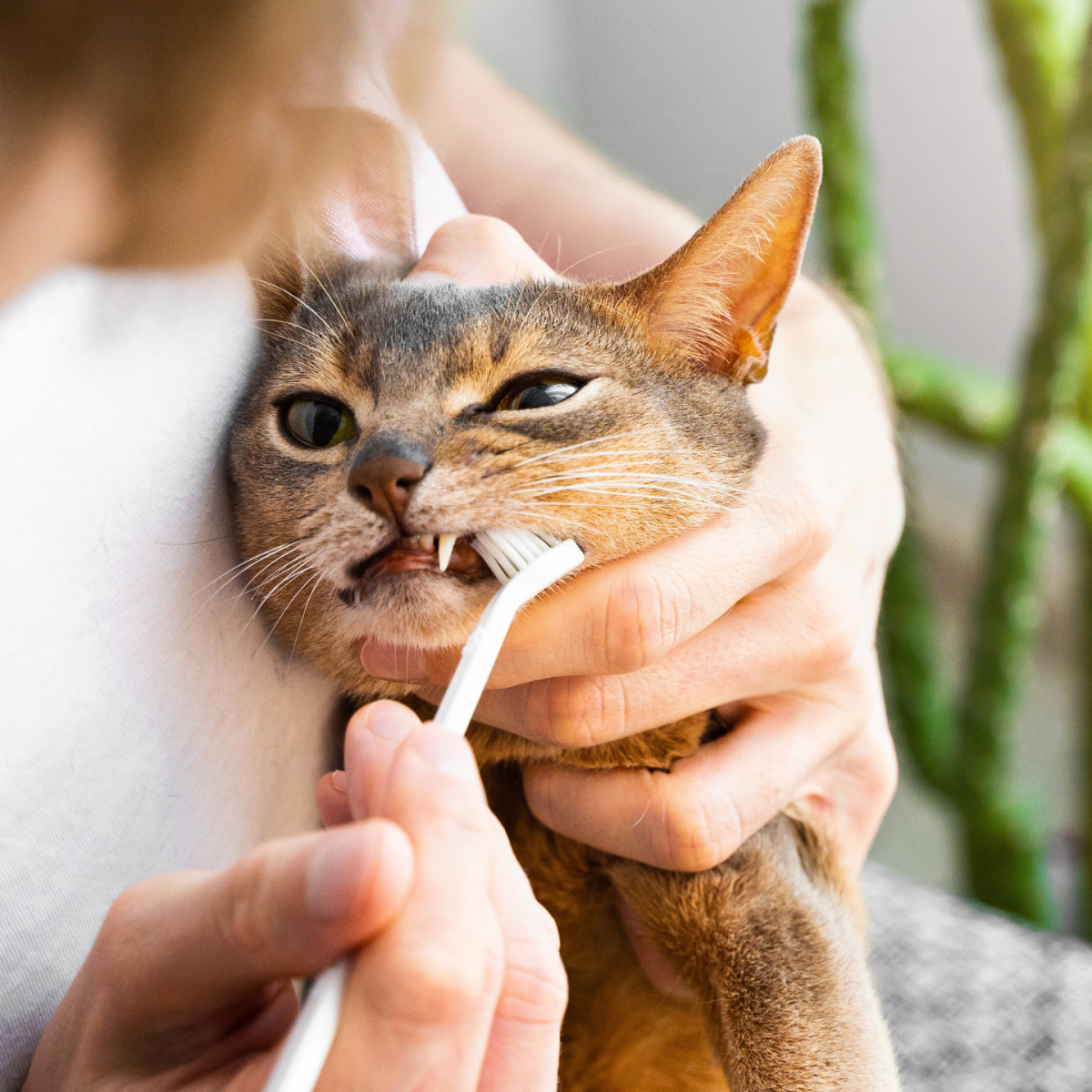
Supporting your cat's chin gently can help them feel safe during brushing.
Credit: paradepets.com
Healthy cat gums are firm and pink, not red or swollen.
Credit: www.facebook.com ---
Alternative Dental Care Options When Brushing Isn’t Feasible
For cats that absolutely will not tolerate at-home brushing, these vet-approved alternatives can help reduce plaque buildup, but they are not a full replacement for brushing for most cats. Always look for products carrying the Veterinary Oral Health Council (VOHC) seal, which indicates they’ve been independently tested to meet strict plaque and tartar reduction standards.
Veterinary-Approved Dental Treats and Chews
Dental treats are designed with a textured surface that scrapes plaque off the teeth as your cat chews, and many contain enzymes that break down biofilm. Stick to VOHC-approved options to avoid empty-calorie treats that do nothing for dental health. For cats with dietary restrictions or chronic conditions like kidney disease, check the ingredient list carefully to avoid harmful additives — many nutritious wet food options are formulated to be gentle on sensitive teeth while delivering complete nutrition.
Dental Wipes
Soft, textured, vet-formulated wipes that you rub along your cat’s teeth and gums to remove surface plaque. They’re less invasive than brushing and work well for skittish cats that panic at the sight of a toothbrush. Opt for alcohol-free formulas to avoid irritating sensitive gum tissue, and use them 3–4 times per week for best results. For cats that dislike traditional brushing, you can also pair the routine with gentle pet wipes to reduce friction and make the experience less intimidating.
Water Additives
Added directly to your cat’s daily water bowl, these contain enzymes that break down plaque and freshen breath as your cat drinks. Always choose a formula specifically formulated for cats: many dog water additives contain xylitol, which is toxic to felines. Avoid additives with strong flavors that may deter your cat from drinking enough water, as dehydration can worsen dental and urinary tract issues.
Professional Veterinary Dental Cleanings
Done under general anesthesia, this is the only way to fully clean below the gum line, where 60% of plaque and tartar accumulates and causes the most damage. The Cornell Feline Health Center confirms that anesthesia is required for safe professional cleanings, as it allows veterinarians to clean and polish teeth without causing stress or injury to your cat. Most vets recommend annual cleanings for cats over 3, with more frequent visits for high-risk breeds like Persians or Maine Coons. If your cat has concurrent health conditions, your vet may recommend pre-anesthetic blood work to ensure the procedure is safe, and may suggest specialized therapeutic foods to support recovery and overall health.
Dental Toys
Textured rubber or fabric toys can help scrape plaque off teeth as your cat plays, but they are only a supplement to other dental care, not a replacement for brushing or vet exams. Rotate toys regularly to keep your cat interested, and inspect them often for loose parts that could break off and cause choking or tooth damage.
Building a Brushing Routine Your Cat Will Actually Tolerate
Consistency is far more important than perfection when it comes to cat dental care. Even 30 seconds of brushing a few times a week is better than no brushing at all. Follow these tips to build a sustainable, low-stress routine:
- Start early if possible: For kittens, start acclimating them to mouth touch and brushing as soon as their baby teeth come in to build a lifelong habit. For adult cats, start with 10-second sessions and gradually increase time as they tolerate it.
- Use positive reinforcement only: Never scold or punish your cat for resisting brushing — this will make them fear the process long-term. Use small, soft high-value treats, praise, or 1 minute of playtime to reward even small wins, like letting you touch their chin or sniff the toothbrush. If your cat responds well to reward-based learning, positive reinforcement training techniques can help them associate brushing with good things faster.
- Pair brushing with existing routines: Brush your cat’s teeth right after another regular care task, like nail trimming or fur brushing, so it becomes a normal part of their routine rather than a standalone stressful event.
- Move at your cat’s pace: If your cat needs 2 weeks to let you touch their mouth without pulling away, that’s normal. Rushing the process will backfire, so prioritize their comfort over hitting a specific frequency goal. For cats that get anxious during handling, local grooming services can help them build tolerance for mouth touch in a low-stress environment.
The Role of Regular Vet Checkups in Long-Term Dental Health
Even with perfect at-home care, annual vet dental exams are non-negotiable. Cats are masters at hiding pain, so a vet can spot early signs of gingivitis, tartar buildup, or tooth resorption (a common, painful condition where the tooth breaks down from the inside out) that you might miss at home. The American Veterinary Dental College recommends at least one full dental exam per year for all cats, with more frequent visits for high-risk pets.
What Happens During a Vet Dental Exam
Your vet will examine your cat’s teeth, gums, and mouth for signs of tartar, redness, loose teeth, or oral masses. They may recommend dental X-rays to check for issues below the gum line, which make up 60% of the tooth structure and are invisible to the naked eye. If your cat is due for a professional cleaning, your vet will discuss pre-anesthetic testing to ensure they are safe for the procedure.
When to Schedule More Frequent Visits
Cats over 7, brachycephalic breeds, and cats with a history of dental disease should have dental exams every 6 months instead of annually, as they are at much higher risk for advanced disease. If your cat has been diagnosed with dental disease, your vet may also recommend more frequent wellness exams to monitor their overall health, as dental infections can spread to vital organs like the kidneys and heart over time.
When to See a Vet Immediately
Don’t wait for your annual visit if you notice any of the warning signs listed above — advanced dental infections can lead to chronic kidney damage, so early intervention is critical. If your cat is reluctant to eat or shows signs of oral pain, your vet may recommend switching to a soft, easy-to-chew diet temporarily to reduce discomfort while they treat the underlying issue.
Frequently Asked Questions
Is it necessary to brush my cat’s teeth if they eat dry food?
No. Most cats chew dry food whole, so it does not effectively scrape plaque off the teeth. The American Veterinary Dental College confirms that dry food alone is not sufficient to prevent dental disease, making regular brushing or alternative dental care a requirement for all cats.
How often do senior cats need their teeth brushed?
Senior cats (7 and older) are at higher risk for dental disease, so daily brushing is ideal if they tolerate it. If daily brushing is not possible, aim for at least 4 times per week, and schedule dental exams every 6 months with your vet.
Can I use human toothpaste on my cat in an emergency?
No. Human toothpaste contains xylitol and fluoride, both of which are toxic to cats even in small amounts. Ingesting human toothpaste can cause liver damage, kidney failure, or death. Always keep cat-specific toothpaste on hand for quick cleanings, and avoid using human products entirely.
My cat hates having their mouth touched — what should I do?
Start slow: let them sniff the toothbrush and toothpaste, reward them for letting you touch their chin, then gradually work up to touching their teeth. If they remain extremely resistant, talk to your vet about low-stress grooming options or desensitization plans. You can also use dental wipes or VOHC-approved treats as a short-term alternative while you build their tolerance.
How do I know if my cat already has dental disease?
Watch for persistent bad breath, red or bleeding gums, yellow/brown tartar on the teeth, drooling, pawing at the mouth, or changes in eating habits. If you notice any of these signs, schedule a vet visit immediately — dental disease is far easier to treat in its early stages, and early intervention can prevent painful, costly procedures down the line.
Final Thoughts
Caring for your cat’s dental health is one of the simplest, most impactful things you can do to extend their lifespan and improve their quality of life. The minimum recommended brushing frequency is 3 times per week for average adult cats, with daily brushing ideal for senior cats, brachycephalic breeds, and cats with existing dental issues. If your cat absolutely will not tolerate at-home brushing, vet-approved alternatives like VOHC-sealed dental treats, wipes, or water additives can help reduce plaque buildup, but they should never replace regular vet dental exams, which are the only way to catch and treat disease below the gum line.
Remember: consistency always beats perfection when it comes to cat dental care. Even 30 seconds of brushing a few times a week is better than no brushing at all, and small, positive steps will help your cat adjust to the routine over time. If you’re struggling to get started, ask your veterinarian for a personalized dental care plan during your next wellness visit — they can recommend the right tools, frequency, and alternatives tailored to your cat’s specific needs and temperament.
Take the First Step Today
Pick up a cat-friendly toothbrush and toothpaste this week, and try a 30-second brushing session with your cat after their next meal — this small habit can prevent painful dental disease and keep your feline friend happy and healthy for years to come.