
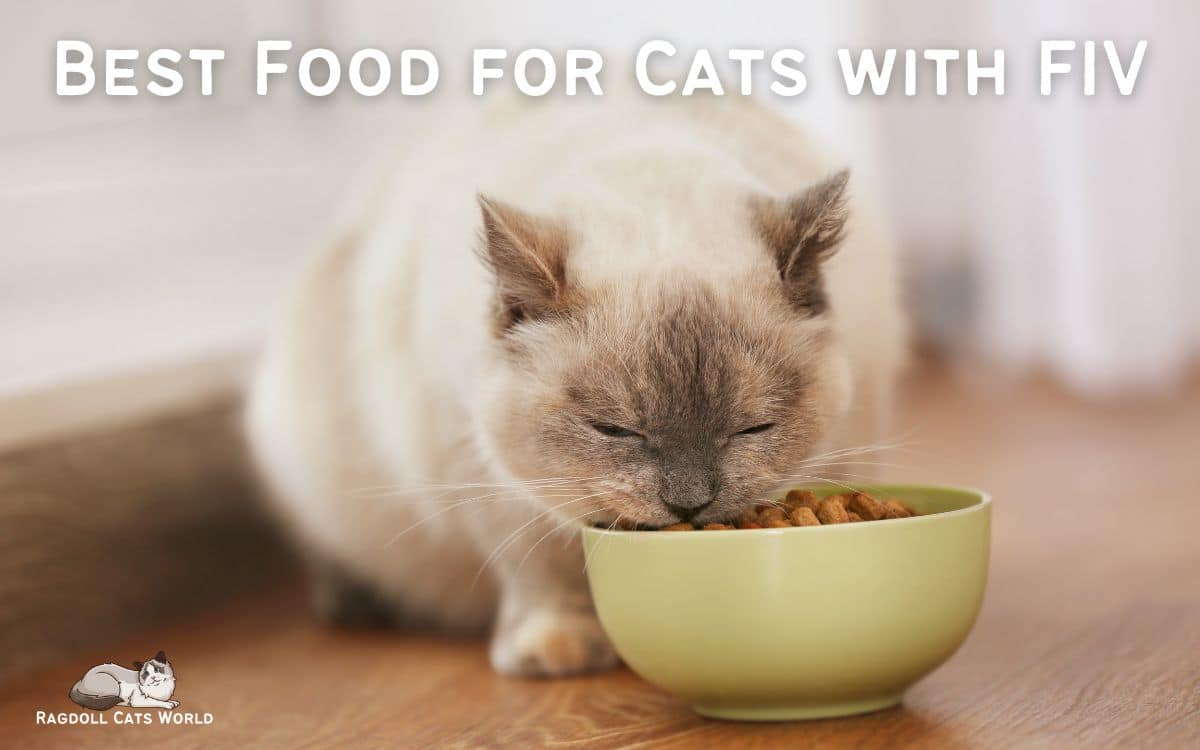
Imagine the comfort of knowing exactly what your feline friend needs to thrive, even when faced with the challenges of Feline Immunodeficiency Virus (FIV). Your cat depends on you to make the right nutritional choices, and understanding what constitutes the best nutrition for FIV cats can make all the difference.
Just like us, cats require specific nutrients to support their immune system and overall health. When your cat has FIV, their nutritional needs become even more critical. This guide will delve into the essential dietary elements that can help your beloved pet lead a healthier, happier life.
Keep reading to discover how you can enhance your cat's well-being with the right nutrition, and learn some practical tips that could transform your pet care routine.
Feline Immunodeficiency Virus Overview
FIV cats benefit from high-quality protein and balanced nutrients. Ensure their diet includes antioxidants and omega fatty acids. Fresh water and regular vet checks support their health.
Feline Immunodeficiency Virus (FIV) is a significant concern for cat owners worldwide. It's a virus that weakens a cat's immune system, making them more susceptible to infections and illnesses. Understanding FIV is crucial to ensure the well-being of your feline friend, especially when it comes to their nutrition.
Understanding Feline Immunodeficiency Virus (fiv)
FIV is similar to the human HIV, but it's specific to cats and not contagious to humans. It spreads primarily through bite wounds, often in outdoor or aggressive cats. Once infected, a cat might not show symptoms immediately, but over time, their immune system becomes compromised.
Symptoms And Diagnosis Of Fiv
Common symptoms include weight loss, recurring fever, and inflamed gums. If your cat shows these signs, a vet can perform a blood test to confirm FIV. Early diagnosis can help in managing the condition effectively.
Impact Of Fiv On Cat's Health
FIV-positive cats often experience a decline in their overall health due to their weakened immune system. They become more vulnerable to secondary infections and illnesses. Regular vet check-ups become essential to catch any complications early. Proper nutrition plays a vital role in supporting an FIV cat's health. A balanced diet can help strengthen their immune system and maintain a healthy weight. Are you ensuring your FIV cat gets the nutrients they need?
Choosing The Right Diet For Fiv Cats
Opt for high-quality, easily digestible foods rich in protein and low in carbohydrates. Consider incorporating omega-3 fatty acids for anti-inflammatory benefits. Consulting with your vet can provide personalized dietary recommendations based on your cat's specific needs.
Maintaining Hydration In Fiv Cats
FIV cats may have a higher risk of dehydration. Ensure they have constant access to clean, fresh water. You might also add wet food to their diet to increase their fluid intake.
Supplements And Vitamins For Fiv Cats
Certain supplements like lysine can help boost your cat's immune response. However, always discuss with your vet before adding any supplements to their diet. What supplements are you currently considering for your FIV cat?

Credit: justcatsclinic.com
Symptoms Of Fiv In Cats
Cats with FIV may show signs like weight loss and poor coat condition. Balanced nutrition supports their immune health. High-quality protein and vitamins are essential.
Feline Immunodeficiency Virus (FIV) is a serious condition affecting cats, akin to HIV in humans. If you're a cat owner, understanding the symptoms of FIV is crucial for early intervention and management. Cats with FIV may not immediately show signs, making it a silent threat that can go unnoticed until it's too late. Recognizing the symptoms can help you ensure your furry friend gets the best care possible.
Common Symptoms
Cats with FIV often display symptoms that are easy to overlook. Frequent infections, such as recurring respiratory issues or skin infections, could be a sign. You may notice your cat is more lethargic, spending more time resting than usual.
Weight Loss
Unexplained weight loss is another symptom that should raise a red flag. If your cat's appetite remains unchanged but they're losing weight, it might be time to consult a vet. FIV can affect metabolism and nutrient absorption, leading to gradual weight decrease.
Gum Disease
Dental issues like gingivitis or stomatitis are common in FIV-positive cats. If your cat's gums appear red or swollen, or if they struggle while eating, it could be indicative of underlying immune system issues.
Behavioral Changes
Behavioral changes are subtle but telling signs of FIV. A once sociable cat becoming withdrawn or showing signs of depression might be suffering silently. Keep a keen eye on any shifts in your cat's demeanor.
Persistent Fever
A persistent fever is a symptom that can easily be dismissed as a minor ailment. However, if your cat's fever doesn't subside, it could be due to the compromised immune system caused by FIV. Understanding these symptoms is the first step toward ensuring your cat's health and well-being. Have you noticed any of these signs in your cat? Taking proactive steps can make all the difference in managing FIV effectively.
Importance Of Nutrition For Fiv Cats
Nutrition plays a crucial role in the health of FIV cats. Feline Immunodeficiency Virus weakens a cat's immune system. Proper nutrition helps support their overall health. A balanced diet can boost their immune function. This ensures they have the energy to stay active and happy.
Understanding Fiv And Its Impact On Nutrition
FIV affects a cat's ability to fight infections. This makes nutrition even more important. A nutrient-rich diet can help maintain their strength. It also aids in faster recovery from illnesses. Understanding the needs of FIV cats is key to their care.
Essential Nutrients For Fiv Cats
FIV cats need a diet rich in protein. Protein helps repair tissues and maintain muscle mass. Omega-3 fatty acids are also beneficial. They reduce inflammation and support immune health. Vitamins and minerals like zinc and vitamin E are crucial. They boost the immune system and promote healing.
Choosing The Right Food For Fiv Cats
Look for high-quality cat food with natural ingredients. Avoid foods with fillers or artificial additives. Wet food can be better for FIV cats. It keeps them hydrated and is easier to digest. Consult your vet for specific dietary recommendations.
Monitoring And Adjusting Diet As Needed
Observe your cat's response to their diet. Check for signs of weight loss or gain. Adjust their food intake accordingly. Regular vet check-ups are essential. They help track your cat's health and dietary needs. Always stay informed on the best practices for FIV cat care.
High-quality Protein Sources
High-quality protein sources like chicken, turkey, and fish offer essential nutrition for FIV cats. These proteins support immune health and help maintain muscle mass, ensuring your feline friend stays strong and healthy.
High-quality protein is crucial for FIV-positive cats. Their immune systems are compromised, making nutrition vital. Protein helps build and repair tissues and supports immune function. It is important to choose the right protein sources for your FIV cat. Here are some of the best protein sources for FIV cats.
Chicken
Chicken is a lean protein and easy to digest. It provides essential amino acids for your cat. Ensure it's cooked well to avoid bacteria.
Turkey
Turkey is another excellent choice. It's rich in protein and low in fat. It keeps your cat full and satisfied.
Fish
Fish like salmon and tuna contain omega-3 fatty acids. These fats support skin health and reduce inflammation. Always serve cooked fish to your cat.
Eggs
Eggs are a complete protein source. They provide all essential amino acids. Cook them thoroughly to ensure safety.
Organ Meats
Liver and kidneys are nutrient-rich. They provide vitamins and minerals. Offer in moderation as they are high in fat.
Lamb
Lamb is a great red meat option. It's rich in protein and iron. Cook well to ensure it's safe for your cat.
Beef
Beef provides a high protein content. It also offers essential nutrients. Choose lean cuts to limit fat intake.
Essential Vitamins And Minerals
FIV cats need a balanced diet rich in essential vitamins and minerals to stay healthy. Providing nutrients like vitamin E, vitamin C, and omega-3 fatty acids can boost their immune system. A well-rounded diet supports overall health and vitality for these cats.
Cats with Feline Immunodeficiency Virus (FIV) need special care. Nutrition plays a crucial role in supporting their immune system. Essential vitamins and minerals help strengthen their health. They aid in protecting against infections and improving overall well-being.
Vitamin A
Vitamin A is vital for maintaining vision. It supports skin health and boosts immunity. FIV cats benefit from Vitamin A's protective effects. It helps keep their organs functioning properly.
Vitamin C
Vitamin C acts as an antioxidant. It reduces inflammation and supports healing. For FIV cats, it enhances immune response. Regular intake can help fight infections effectively.
Vitamin E
Vitamin E is known for its antioxidant properties. It shields cells from damage and aids in immune function. FIV cats require it to strengthen their resistance against diseases.
B Vitamins
B vitamins are crucial for energy production. They support nerve function and metabolism. FIV cats need them to maintain vitality and overall health.
Zinc
Zinc plays a role in immune function. It helps in wound healing and skin health. FIV cats benefit from zinc's protective qualities. It aids in reducing susceptibility to infections.
Iron
Iron is important for oxygen transport in the blood. It supports energy levels and cognitive function. FIV cats need adequate iron to prevent anemia and boost vitality.
Selenium
Selenium enhances immune response. It acts as an antioxidant and supports thyroid health. FIV cats benefit from selenium's ability to combat oxidative stress. Ensuring these vitamins and minerals are part of an FIV cat's diet is crucial. They help in maintaining strength and resilience. A balanced diet is key to supporting their overall health.
Hydration Needs
Caring for a FIV-positive cat requires a keen understanding of their unique needs, especially when it comes to hydration. These cats are more vulnerable to infections, making adequate water intake crucial to their overall health. Hydration isn't just about quenching thirst; it's about supporting their immune system, kidney function, and digestion.
Understanding The Importance Of Water
Have you ever noticed how your cat drinks water? Cats, by nature, aren't avid drinkers, which can be challenging for FIV cats. Proper hydration helps in flushing out toxins and maintaining optimum organ function. Ensuring your cat has access to fresh, clean water is a simple yet effective way to support their health.
Encouraging Water Intake
How can you make water more appealing to your cat? Consider using a pet water fountain. The sound and movement of flowing water can entice cats to drink more. Additionally, try placing multiple water bowls around the house to make it convenient for your furry friend to stay hydrated.
Wet Food Vs. Dry Food
Choosing between wet and dry food can significantly impact your cat's hydration. Wet food contains a higher water content, which can naturally boost your cat's fluid intake. If your cat prefers dry kibble, try mixing it with a bit of water or broth to enhance its moisture content.
Monitoring Hydration Levels
How can you tell if your cat is well-hydrated? Check their gums; they should be moist and not sticky. Another method is to gently pinch the skin at the back of their neck. If it quickly returns to place, your cat is likely well-hydrated. Regularly monitoring these signs can help you ensure your cat stays healthy and happy.
By focusing on hydration needs, you're taking a significant step in supporting your FIV cat's health. Every sip counts towards a healthier, more comfortable life for your beloved pet. What strategies will you try today to boost your cat's water intake?
Avoiding Harmful Ingredients
Choosing the right nutrition for FIV cats is crucial. Focus on avoiding harmful ingredients like artificial additives. Opt for high-quality protein sources to support their immune system and overall health.
Avoiding harmful ingredients is crucial for FIV cats. Their immune systems are weaker, so they need special care. Some ingredients can harm them. Knowing what to avoid helps keep your cat healthy.
Understanding Harmful Ingredients
Certain ingredients can be toxic to cats. Onions and garlic are examples. They can cause serious health problems. Always check labels for these.
Avoiding Artificial Additives
Artificial colors and flavors are not good for cats. They can cause allergies and other issues. Look for natural ingredients in cat food.
Steering Clear Of Fillers
Corn, wheat, and soy are common fillers in cat food. These offer little nutritional value. They can also cause digestive problems in FIV cats.
Choosing Quality Proteins
High-quality protein is essential for FIV cats. Avoid by-products or unnamed meat sources. Choose foods with clearly labeled meats.
Reading Labels Carefully
Always read ingredient labels thoroughly. Look for whole, natural ingredients. Avoid foods with a long list of chemicals.
Consulting With A Veterinarian
Consult a vet for guidance on your cat's diet. They can provide personalized advice. This ensures your FIV cat gets the best nutrition.

Credit: www.reddit.com
Specialized Diet Plans
Choosing the right nutrition for FIV cats involves balanced diets rich in proteins and essential nutrients. Emphasizing vitamins and minerals supports their immune system, while avoiding fillers ensures optimal health. Regular vet consultations help tailor diet plans to individual needs.
Creating a specialized diet plan for FIV (Feline Immunodeficiency Virus) cats is essential to maintaining their health and improving their quality of life. These cats require more attention to their nutrition to support their immune systems and prevent secondary infections. By understanding and implementing the right dietary strategies, you can ensure your FIV cat thrives.
Understanding Nutritional Needs
FIV cats often need a diet rich in protein to maintain their muscle mass. Look for high-quality protein sources such as chicken, turkey, or fish. Avoid raw diets, as they might contain harmful bacteria that your cat’s weakened immune system cannot fight off.
Importance Of Hydration
Hydration is crucial for FIV cats. Wet food can be a great way to increase water intake, as it contains more moisture than dry kibble. Consider adding a pet fountain to encourage more drinking, as cats are naturally attracted to moving water.
Supplementing With Vitamins And Minerals
Vitamins and minerals can play a pivotal role in boosting your FIV cat's immune system. Discuss with your vet about adding supplements like Omega-3 fatty acids or Vitamin E. These can aid in reducing inflammation and enhancing overall immunity.
Monitoring Weight And Adjusting Portions
Maintaining an optimal weight is vital for FIV cats. Regular weigh-ins can help you monitor any sudden changes. Adjust food portions as needed to prevent obesity, which can further strain their health.
Consulting With Your Veterinarian
Every FIV cat is unique, and so are their dietary needs. Regular consultations with your vet can help tailor a diet plan specific to your cat's health condition. This ensures your furry friend receives the best possible care. Choosing the right nutrition for your FIV cat can be a game-changer in their health journey. Are you ready to make that impact?
Supplements For Immune Support
Proper nutrition is vital for FIV cats to boost their immune systems. Supplements rich in vitamins, antioxidants, and omega-3 fatty acids can support their health effectively.
Supporting your FIV-positive cat with the right supplements can make a significant difference in their health journey. Cats with Feline Immunodeficiency Virus (FIV) often have weakened immune systems, making them more susceptible to infections and health issues. While a balanced diet is crucial, adding specific supplements can further bolster their immune defenses.
Probiotics
Probiotics are beneficial bacteria that support gut health. A healthy gut is essential for a robust immune system. By adding a probiotic supplement to your cat's diet, you can help maintain a healthy balance of gut flora, which in turn supports overall immune function. You can find probiotic supplements in powder or capsule form. Many pet owners mix them into their cat's food. Always ensure that the probiotics are specifically formulated for cats to ensure safety and efficacy.
Omega-3 Fatty Acids
Omega-3 fatty acids, commonly found in fish oils, are known for their anti-inflammatory properties. They can be particularly beneficial for FIV cats by reducing inflammation and supporting immune health. Adding a supplement with omega-3s can also promote healthier skin and coat, which are often affected in FIV-positive cats. Look for products that specify they are free from heavy metals and other contaminants.
L-lysine
L-Lysine is an amino acid that can help reduce the frequency and severity of flare-ups of common feline viruses. It is often recommended for FIV-positive cats to help manage symptoms and support the immune system. L-Lysine supplements are available in various forms, including gels and chews. They are usually well-tolerated by cats and can be easily integrated into their daily routine.
Antioxidants
Antioxidants play a vital role in protecting cells from damage caused by free radicals. For cats with FIV, supplements rich in antioxidants such as vitamins C and E can help in maintaining cellular health and boosting immunity. Consider integrating antioxidant-rich foods or supplements into your cat's diet. Always consult with your veterinarian to ensure you're providing the right dose.
Colostrum
Colostrum is the first form of milk produced by mammals and is rich in antibodies. It can be a powerful supplement for FIV cats, providing immune support and enhancing gut health. Colostrum supplements come in powders and capsules. They are easy to administer and can be a gentle yet effective addition to your cat's health regimen.
Herbal Supplements
Certain herbs like echinacea and astragalus are known for their immune-boosting properties. While herbal supplements can be beneficial, they should be used with caution. Always discuss with your veterinarian before introducing any herbal remedies. It's important to ensure they are safe and will not interact adversely with any other medications your cat may be taking. By carefully choosing the right supplements, you can provide your FIV cat with additional support to thrive. Always consult with a veterinarian before starting any new supplement, ensuring it is the right fit for your furry friend's unique needs. Are you considering any of these supplements for your FIV cat?

Credit: www.amazon.ca
Consulting A Veterinarian
Consulting a veterinarian helps determine the best nutrition for FIV cats. Professionals offer tailored dietary plans to boost immunity and health. Nutrient-rich food choices support overall well-being, addressing unique needs of FIV cats effectively.
Consulting a veterinarian is a crucial step in ensuring that your FIV-positive cat receives the best possible nutrition. As a pet owner, you might find yourself overwhelmed by the plethora of dietary options available. A veterinarian can help you navigate these choices, tailoring a nutrition plan that meets the specific needs of your furry friend.
Understanding Your Cat's Unique Needs
Every FIV-positive cat is different. A vet can assess your cat’s overall health, considering factors like age, weight, and the severity of the disease. This personalized approach ensures that your cat gets the nutrients they need to stay healthy and active.
The Importance Of Regular Check-ups
Regular vet visits are essential in monitoring your cat's health. Changes in appetite or weight can be early signs of health issues that need addressing. By consulting your vet regularly, you can make necessary adjustments to your cat’s diet before minor issues become major problems.
Choosing The Right Diet
Cats with FIV often have weakened immune systems. A vet can recommend a diet rich in proteins and essential fatty acids to boost their immunity. They might also suggest supplements that can enhance your cat’s overall well-being.
Identifying Allergies And Sensitivities
Does your cat have any food allergies? A vet can help identify any ingredients that might trigger adverse reactions. This ensures that you avoid harmful foods and choose a diet that is safe and nutritious.
Formulating A Balanced Meal Plan
A balanced diet is key to maintaining your cat’s health. Your veterinarian can help you create a meal plan that includes all the necessary nutrients. This might include a mix of wet and dry foods, ensuring your cat stays hydrated and well-fed.
Support And Guidance
Navigating the world of feline nutrition can be daunting. Your vet is there to support you, providing guidance and answering any questions you might have. They are your partner in ensuring that your FIV-positive cat leads a healthy, happy life. By making informed decisions with your vet’s guidance, you provide the best care for your FIV-positive cat. Isn’t peace of mind worth a vet visit?
Frequently Asked Questions
What Is The Best Food To Feed A Cat With Fiv?
Feed cats with FIV a high-quality, balanced diet. Opt for protein-rich wet food to support their immune system. Avoid raw food to prevent infections. Consult your vet for specific dietary needs.
How Can I Boost My Cat's Immune System With Fiv?
Boost your cat's immune system with a balanced diet, regular vet check-ups, and stress reduction techniques. Provide supplements like Omega-3 fatty acids and antioxidants. Ensure a clean environment and engage them with interactive play to enhance their overall health.
What Do Fiv Positive Cats Need?
FIV positive cats need regular vet check-ups, a balanced diet, and a stress-free environment. Keep them indoors to prevent infections. Monitor their health closely and provide prompt medical care when needed. Ensure they have fresh water and clean litter boxes to maintain their overall well-being.
Do Probiotics Help Cats With Fiv?
Probiotics may boost gut health and immunity in cats with FIV. They support digestion and overall well-being. Always consult a vet before introducing new supplements to your cat's diet. Probiotics can be beneficial, but they're not a cure for FIV.
Proper care and a balanced diet remain crucial.
Conclusion
Caring for FIV cats requires thoughtful nutrition choices. Balanced diets boost their health. Fresh, high-quality protein keeps them strong. Essential vitamins support their immune system. Hydration is vital; always provide clean water. Avoid harmful additives and fillers. Regular vet check-ups ensure optimal health.
Every cat is unique, so observe their needs. Consult a vet for personalized advice. Love and attention make a big difference. With proper care, FIV cats can lead happy lives. Your attention can improve their wellbeing. Remember, small steps make a big impact on their health.
Nurture them with the best nutrition.
