

The idea of strolling through your neighborhood with a cat trotting happily at your side feels like a dream for many pet parents — but is it actually possible? Unlike dogs, cats aren’t bred for obedience or leash walking, but with patience, positive reinforcement, and the right approach, most cats can learn to enjoy leash walks safely. This isn’t about forcing your cat to perform a trick: it’s about giving them controlled access to outdoor enrichment, reducing stress, and building a stronger bond in the process.
Not every cat will take to leash training, and that’s completely normal. Every cat has a popular cat breed personality trait that will impact how they respond to new experiences, so success depends entirely on matching your approach to their unique temperament. This guide covers everything you need to know to set yourself and your feline friend up for success, from choosing the right gear to navigating common challenges and keeping your cat safe on every adventure.
A calm, well-acclimated cat is the foundation of successful leash walking.
Credit: www.instagram.com

Benefits of Leash Training Your Cat
Leash training offers far more than just a fun novelty activity — it provides tangible physical, mental, and emotional benefits for both you and your cat. For indoor-only cats that crave outdoor access, it’s a safe alternative to free roaming, which carries significant risks of injury, loss, and exposure to toxins.
Enhanced Safety
Free-roaming outdoor cats face countless dangers: traffic collisions, predation from coyotes or hawks, fights with other animals, ingestion of toxic plants, and getting lost far from home. Leash walking eliminates these risks entirely, letting your cat explore new environments while you maintain full control over their movements. This is especially valuable for cats that have a strong urge to go outside but are at high risk if left to roam unsupervised. Unlike punishment-based spray bottle training methods used to correct unwanted roaming, leash walking addresses the root of the behavior by giving your cat a safe outlet for their curiosity.
Improved Mental and Physical Enrichment
Cats need a minimum of 30 minutes of dedicated mental stimulation daily to stay happy and healthy, per the Ohio State University Indoor Pet Initiative, a leading veterinary resource for feline welfare. Leash walks introduce new scents, sights, and sounds that keep your cat’s brain engaged, while the low-impact exercise helps maintain a healthy weight, especially for indoor-only cats that are prone to obesity. The novelty of new environments also reduces boredom-related stress behaviors like destructive scratching or inappropriate urination.
Stronger Human-Cat Bond
Leash walking turns you into your cat’s safe guide to the outside world. The consistent positive experiences of shared exploration build trust and attunement between you and your pet, making your cat more responsive to you in general. Many owners report that cats who regularly go on leash walks are more affectionate and seek out interaction more often at home.
Safe, Controlled Socialization
For shy or anxious cats that are overwhelmed by new stimuli, leash walking offers a low-stakes way to desensitize them to new sights, sounds, and smells. You can control the pace of exposure, retreat to a safe space if they get overwhelmed, and pair new experiences with treats to build positive associations, reducing their overall anxiety over time.
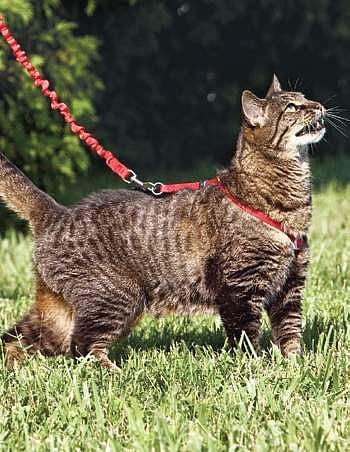
Short, low-stress walks in quiet areas help cats build positive associations with leash time.
Credit: www.newindianexpress.com
Choosing the Right Leash Training Gear
The right equipment is the foundation of successful leash training — wrong gear can cause discomfort, injury, or make training impossible. Skip the dog gear and invest in cat-specific products designed for their unique body shape and behavior.
Selecting a Well-Fitted Harness
Never use a collar for leash walking: cats can easily slip out of collars, and a sudden bolt can cause serious neck injury or strangulation. A properly fitted harness distributes pressure across your cat’s chest and shoulders, giving you control without risk of harm.
There are two main types of cat harnesses to choose from:
- H-style harnesses: Lightweight and adjustable, these are a great all-around option for average-sized cats. They’re easy to put on and take off, and work well for cats that are already comfortable with handling.
- Vest-style harnesses: These snap or buckle around your cat’s chest and girth, making them much harder for escape-prone cats to wriggle out of. They’re also more comfortable for anxious cats, as the padded fabric feels less restrictive than thin strap harnesses.
Avoid dog harnesses entirely: they’re cut for broader chests and different body proportions, which can lead to chafing or slipping off mid-walk. To get the right size, measure your cat’s chest girth (just behind their front legs) and neck, and always follow the brand’s sizing guide. You should be able to fit exactly two fingers between the harness straps and your cat’s skin — any looser, and they can slip out.
Picking a Safe, Functional Leash
The ASPCA recommends avoiding retractable leashes for cats, as their unpredictable length can lead to sudden injury if your cat bolts, and they make it hard to regain control if your cat darts after a small animal. Stick to a fixed 4–6 foot leash made of lightweight nylon or biothane for most cats: this length gives them enough freedom to explore while keeping them close enough to manage if they get startled.
For low-light walks, choose a leash with reflective stitching to make you and your cat more visible to drivers and other pedestrians. Avoid heavy leather leashes, as they’re too cumbersome for most cats and can cause neck strain if your cat pulls.

Vest-style harnesses are often easier for anxious or escape-prone cats to tolerate.
Credit: www.reddit.com
Step-by-Step Leash Training Guide
Consistency and patience are far more important than speed when training a cat to walk on a leash. Rushing the process will only make your cat fearful of the harness and leash, setting your training back weeks. Follow these steps, and adjust the timeline to match your cat’s comfort level:
- Harness Acclimation (1–2 weeks)
Start by letting your cat sniff and explore the harness, rewarding them with treats for any positive interaction (sniffing, rubbing against it). After a few days, drape the unbuckled harness over their back for 1–2 minutes at a time while they eat or play, rewarding calm behavior. Gradually increase wear time to 10–15 minutes, then buckle it loosely for short periods, always pairing the harness with high-value rewards. Never force the harness on, or your cat will associate it with negative experiences. If you’ve practiced basic training with your cat before, you likely have an existing foundation of trust that will make this process far smoother; our guide to foundational cat leash training steps breaks down core principles you can apply here. - Indoor Leash Practice (1–2 weeks)
Once your cat is comfortable wearing the harness for 15+ minutes, attach the leash and let them drag it around the house supervised (never leave them unattended, as they can get caught on furniture). After a few days, pick up the end of the leash and let your cat lead you around the house, rewarding calm, loose-leash walking with treats and praise. Keep sessions to 5–10 minutes max, and end on a positive note before your cat gets bored or frustrated. Consistency is just as important for leash training as it is for litter box training success — sticking to a regular schedule will help your cat learn faster and feel more secure. - Controlled Outdoor Introduction
Start in a fully enclosed, quiet space: a screened-in porch, fenced backyard, or quiet side yard, not a busy park or sidewalk. Let your cat set the pace: let them sniff, explore, sit and observe, and don’t force them to walk. Watch for stress signals like flattened ears, tail lashing, dilated pupils, or attempts to bolt back inside — if you see these, end the session immediately and go back inside. First outdoor sessions should be no longer than 5 minutes, gradually increasing as your cat gets more comfortable. If you’re unsure how to read your cat’s subtle signs of stress, reading your cat's body language cues can help you adjust your pace to match their needs. - Gradual Outdoor Expansion
Once your cat is calm and confident in the enclosed space, move to quiet, low-traffic sidewalks or parks. Avoid busy areas with lots of dogs, loud noises, or heavy foot traffic. Keep initial walks under 15 minutes, and always let your cat lead the way. Don’t pull them towards things they’re scared of, and retreat to quieter spaces if they get overwhelmed.
Common Leash Training Challenges (And How to Fix Them)
Even experienced cat owners run into hurdles during leash training. These are the most common issues and how to resolve them:
- Refusal to wear the harness or frequent escape attempts
If your cat tries to bolt out of the harness, first double-check the fit: you should be able to fit exactly two fingers between the straps and their skin. If the fit is correct, switch to a vest-style harness for a more secure fit, and extend the harness acclimation period by another week to build stronger positive associations. If your cat seems genuinely terrified of the harness, pause training for a few days and let them re-acclimate at their own pace. - Freezing or refusing to move outside
This is almost always a sign of overstimulation, not stubbornness. Go back to the enclosed quiet space for a few more sessions, bring a favorite blanket or toy from home to provide comfort, and keep sessions extra short. Don’t force your cat to walk, as this will only make their fear worse. - Pulling or darting after small animals
Never yank the leash back, as this triggers their prey drive and can cause panic or injury. Instead, stop moving completely, wait for your cat to calm down and look at you, then reward them with a high-value treat. Consistency with this will teach them that loose leash walking earns rewards, while pulling stops the fun. - Overstimulation on walks
Cats can get overwhelmed quickly by new stimuli. Stick to short, quiet walks at first, and avoid peak times (early morning and evening) when there are more squirrels, dogs, and people. End sessions as soon as you see early stress signals, to keep the experience positive for your cat.
It’s important to remember that not all cats will adjust to leash walking, especially cats with high prey drives, a history of trauma, or extremely skittish temperaments. That’s completely normal — forcing them to participate will only damage your bond and cause unnecessary stress.
Expert Tips for Long-Term Success
These evidence-based tips from certified cat behaviorists will help you avoid common mistakes and make training as smooth as possible:
- Train during your cat’s calmest time of day, usually 30 minutes after a meal or play session, when they’re tired and less likely to be skittish or energetic.
- Use only high-value treats for training: regular kibble won’t build strong enough positive associations. Stick to small pieces of freeze-dried chicken, tuna, or a soft treat your cat only gets during training sessions. For recommendations, check out our guide to training treats your cat can’t resist.
- Keep all sessions short and positive: 5–10 minutes max, always ending before your cat gets bored or frustrated. Training should be a fun game, not a chore.
- For skittish cats, pairing harness exposure with a clicker to mark positive behavior can speed up acclimation. The consistent marker helps your cat understand exactly what behavior is earning them rewards.
- If your cat shows extreme fear or aggression towards the harness or leash, consult a certified cat behaviorist (look for credentials from the International Association of Animal Behavior Consultants) to get personalized, low-stress guidance tailored to your cat’s needs.
- Keep your cat’s indoor routine consistent: a predictable schedule of meals, play, and litter box access reduces overall stress, making them more open to new experiences. A clean, low-odor litter box is also critical for reducing stress, so scoop daily and replace litter regularly to keep their indoor space comfortable.
- Pair outdoor enrichment with a consistent, age-appropriate diet to support their energy needs and overall health, especially if they’re getting extra exercise from walks.
Critical Safety Considerations for Leash Walking
Safety should always be your top priority during every walk, no matter how well-trained your cat is. Keep these guidelines in mind to avoid preventable accidents:
- Weather guidelines
Avoid walking your cat when temperatures are below 40°F or above 85°F, as cats are extremely sensitive to extreme temperatures. Never leave your cat unattended in a car, even for a few minutes, as interior temperatures can rise or drop dangerously fast. Test pavement temperature with your hand before walking: if you can’t hold your hand on it for 5 seconds, it’s too hot for your cat’s paw pads. Use a waterproof cat raincoat for light drizzle, but avoid walking in heavy rain, snow, or high winds unless your cat is fully acclimated to those conditions. - Environmental hazards
Always scout your walking route in advance for toxic plants (common toxic plants include lilies, sago palm, oleander, and azaleas), broken glass, sharp debris, or areas treated with pesticides or herbicides. Keep your cat away from busy roads, construction sites, and areas with loose, unrestrained dogs. If you live in an area with coyotes, hawks, or other predators, avoid walking your cat during dawn and dusk, when these animals are most active. - Handling safety
Never yank the leash, as this can cause neck injury or trigger panic in your cat. If your cat bolts, crouch down to their level, speak calmly, and offer a high-value treat to lure them back, rather than chasing them (chasing triggers their prey drive and makes them run faster). Always use a well-fitted harness, never a collar, and ensure your cat is microchipped and wears a collar with ID tags as a backup, even on leash walks. If you use a reliable auto feeder to keep their meal routine consistent while you’re out exploring, this extra ID will give you peace of mind if they ever get loose.
Alternative Outdoor Options for Cats That Hate Leashes
If your cat never adjusts to leash walks, don’t worry — there are plenty of safe, enriching ways to give them outdoor access without a leash:
- Catios (enclosed outdoor patios)
These fully enclosed, escape-proof outdoor spaces attach directly to your home, and come in pre-made kits or custom builds. They let your cat enjoy fresh air, sunshine, and new scents without any risk of wandering off or encountering predators. You can add perches, cat grass, puzzle toys, and even a litter box to turn your catio into a comfortable, engaging space for your cat to relax and play. - Cat-proof backyard enclosures
If you have a yard, install cat-specific fencing that’s angled inward at the top to prevent climbing, and buried a few inches underground to stop digging. This lets your cat roam freely in your yard without risk of escaping. Add climbing structures, shaded resting spots, and cat-safe plants like catnip or wheatgrass to make the space more engaging. - Window perches and outdoor wildlife viewers
For cats that prefer to stay indoors, placing a sturdy perch near a window with a bird feeder or squirrel feeder outside provides hours of low-stress mental stimulation from watching wildlife. This is a zero-risk alternative that still gives your cat access to the outdoor sights and sounds they crave.
Frequently Asked Questions
How long does it take to train a cat to walk on a leash?
Most cats take 4–8 weeks of consistent, short daily sessions to get comfortable with the harness and leash, but timelines vary widely based on your cat’s personality, age, and past experiences. Kittens and cats with calm, curious temperaments usually pick it up faster, while skittish or previously outdoor-only cats may take longer. Some cats never adjust to leash walks, and that’s completely okay — forcing them will only cause unnecessary stress.
What's the best age to start leash training?
You can start harness acclimation with kittens as young as 12 weeks old, as they’re more adaptable to new experiences at that age. Adult cats can be leash trained too, but you’ll need to move at a slower pace, especially if they’ve had negative experiences with outdoor environments or handling. Always follow your cat’s cues, not a set timeline.
Is leash training cruel to cats?
No, as long as you prioritize your cat’s comfort and never force them to participate. Leash walking gives indoor-only cats safe access to outdoor enrichment they would otherwise miss. The only time it becomes problematic is if you push your cat past their comfort limits, punish them for being scared, or use gear that causes them pain or discomfort.
What if my cat keeps trying to escape the harness?
First, double-check the fit: you should be able to fit exactly two fingers between the harness straps and your cat’s skin — any looser and they can wriggle out. If the fit is correct, switch to a vest-style harness, which is much harder for escape-prone cats to slip out of. Extend the harness acclimation period by another week before adding the leash or going outside, to build stronger positive associations.
Can I walk my cat in the rain or snow?
Most cats tolerate light drizzle if they’re wearing a waterproof cat raincoat, but avoid walking in heavy rain, snow, or extreme temperatures. If your cat is shivering, trying to hide, or trying to head back home immediately, end the session. Never force your cat to walk in weather they’re clearly uncomfortable with.
Ready to start your leash training journey? Grab a well-fitted harness and your cat’s favorite treats, and take the first step toward shared outdoor adventures today.
Conclusion
Leash training a cat is a rewarding, low-stakes way to give your feline friend safe access to outdoor enrichment and strengthen your bond — but it’s not a one-size-fits-all activity. Success depends entirely on your cat’s personality, comfort level, and past experiences, not on forcing them to meet an arbitrary goal.
Stick to short, positive, reward-based sessions, always prioritize your cat’s cues over checking a box, and don’t be discouraged if your cat never takes to leash walks. There are plenty of other ways to give them the mental and physical stimulation they crave, from catios to window perches to interactive indoor play.
If you do succeed in leash training your cat, you’ll open up a whole new world of shared adventures — just remember to go at their pace, and let them lead the way.