
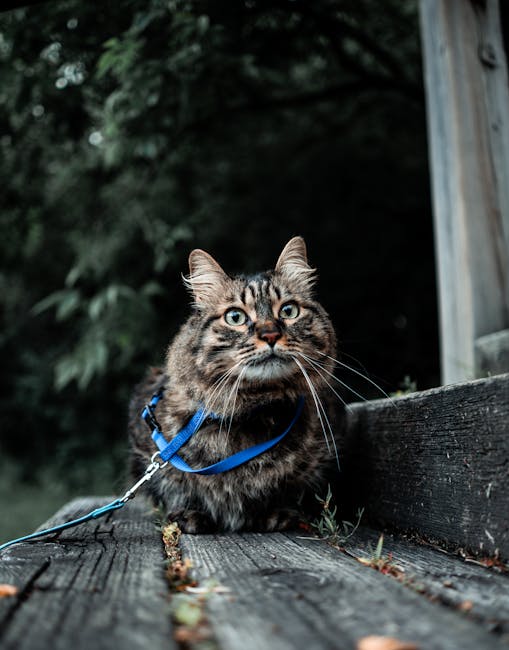
The idea of strolling through the park with your cat trotting happily by your side feels like a fantasy for many pet owners – but it’s far more achievable than you might think. Unlike dogs, cats don’t naturally heel on a leash, but with patient, reward-based training, most indoor cats can learn to comfortably explore the outdoors on a harness and leash, no forced walking required. Leash training delivers key benefits for felines: it provides mental stimulation, gentle exercise, and safe access to outdoor sights and smells that reduce boredom-related destructive behaviors, all while keeping them protected from traffic, predators, and getting lost. This 2026 step-by-step guide walks you through everything you need to know, from picking the right gear to troubleshooting common hurdles, to build a low-stress leash training routine that works for you and your cat.
Prep Work: Vet Check & Essential Gear
Before you start any training, you need two non-negotiable foundations: a clean bill of health from your vet, and properly fitted, cat-specific equipment. Skipping either of these steps will set your training back, or worse, put your cat at risk of injury or stress. You can also read our guide on how long can you leave wet food out for cats.
First, Schedule a Pre-Training Vet Visit
A quick checkup confirms your cat is healthy enough for light outdoor activity and up to date on core vaccines, including rabies and feline distemper, which are critical if they will encounter other animals or outdoor surfaces. Your vet can also flag any health issues that might make walking uncomfortable, such as arthritis, respiratory problems, or paw pad sensitivities. Cats with unmanaged anxiety or chronic pain are poor candidates for leash training, as the outdoors will only exacerbate their stress.
Choosing the Right Harness (Skip the Collar)
Never attach a leash to a cat collar. Cats can easily slip out of collars, and if they bolt while leashed, a collar can cause severe neck injury, including tracheal collapse or strangulation. A properly fitted harness distributes pressure across the chest and shoulders, keeping your cat secure without risking harm. There are three common harness styles to choose from:
- H-style harness: Minimal coverage, easy to put on, and ideal for skittish cats that resist having things placed over their head. It works well for most cats, but may not be escape-proof for determined Houdinis.
- Vest-style harness: Covers the chest and back with a secure, adjustable strap system. This is the most secure option for cats that pull on the leash or regularly wriggle out of standard harnesses, and is the best choice for most pet owners.
- Escape-proof (figure-8) harness: Features a double-closure system that prevents even the most flexible cats from backing out. It’s a good pick for cats that have previously slipped out of other harnesses.
No matter which style you choose, fit it so you can slide two fingers between the harness and your cat’s chest with no slack, and no chafing around the armpits or neck. You can also read our guide on why does my cat do that understanding common cat behaviors.
Picking the Perfect Leash for Training
Not all leashes are suitable for cat training. Avoid retractable leashes for initial training: the sudden, unexpected tension if the lock fails can scare your cat and make them associate the leash with negative experiences. Instead, opt for a fixed 4–6 foot nylon or biothane leash, which gives your cat enough room to explore while keeping them within your control. Look for a bolt snap clip rather than a spring snap, as bolt snaps are far less likely to detach if your cat pulls suddenly. For cats that are prone to bolting, a 3-foot leash gives you even more control during early outdoor sessions.
Stock up on high-value, soft training treats that are easy to chew and won’t crumble, so you can reward instantly the second your cat does something you want to reinforce. You can also read our guide on seresto cat flea and tick collar.
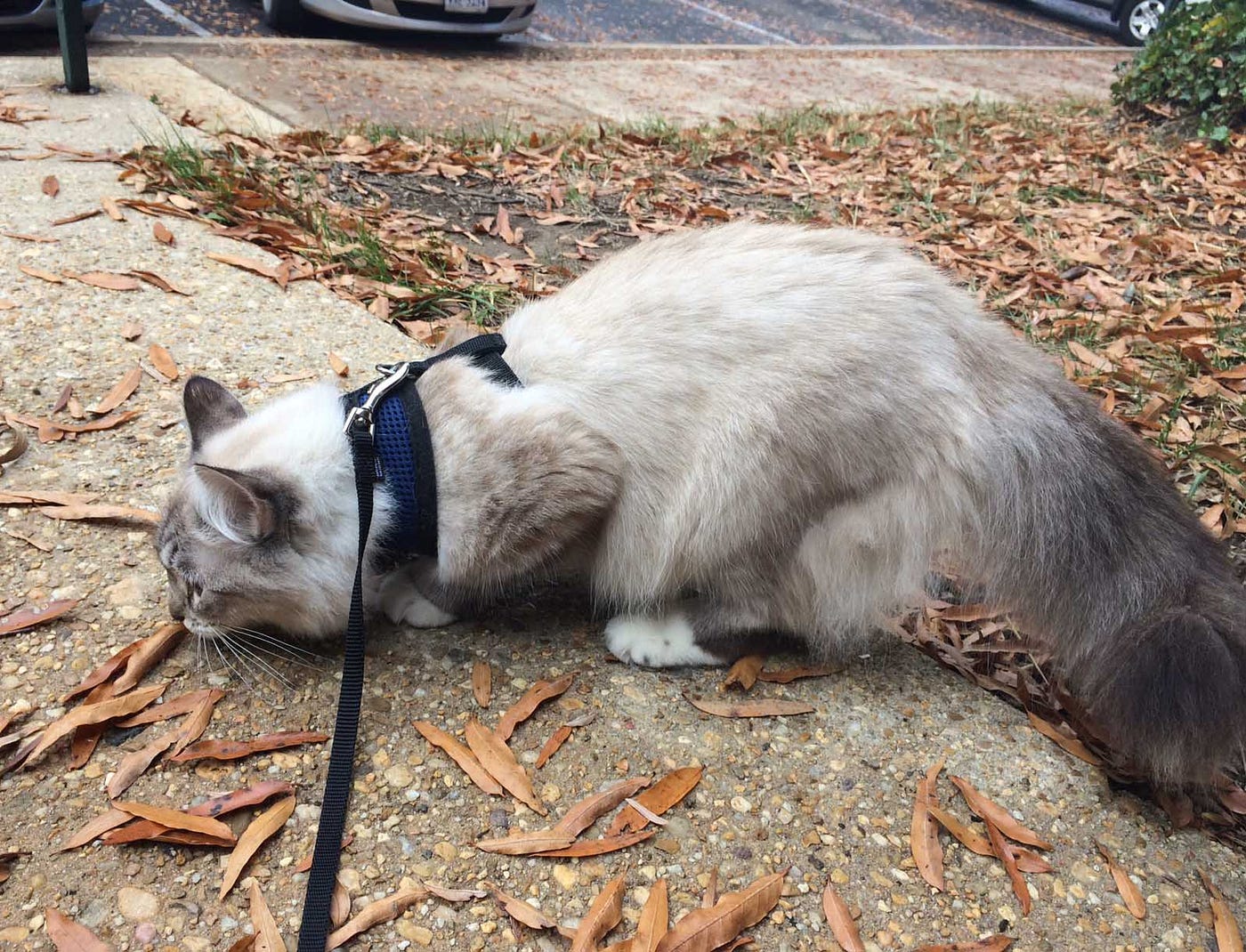
Credit: medium.com
A properly fitted harness is the foundation of safe, low-stress leash training.
Step 1: Desensitize Your Cat to the Harness (Week 1)
The biggest mistake new trainers make is buckling the harness on and heading straight outside. Most cats need 5–7 days to build a positive association with the harness before you even attach a leash. Follow this slow, low-pressure timeline:
- Days 1–2: Place the unbuckled harness near your cat’s food bowl, favorite bed, or play area. Let them sniff, paw at it, and interact with it on their own terms. Reward any curiosity with treats and praise, but never force them to touch it.
- Days 3–4: Drape the unbuckled harness over your cat’s back while they’re eating a meal or playing with a favorite toy. Let them wear it for 10–15 seconds, then remove it and reward heavily. Gradually increase wear time to 1–2 minutes over these two days.
- Days 5–7: Buckle the harness loosely (don’t tighten it to fit yet) for 30 seconds to 1 minute during a positive activity, then remove it and reward. If your cat panics or tries to bolt, go back a step and spend more time on the previous stage. Never force the harness on your cat, as this will create a permanent negative association that sets training back weeks.
Step 2: Master Indoor Leash Walking (Weeks 2–3)
Once your cat is comfortable wearing the harness for 5+ minutes without stress, you can introduce the leash. All practice during this stage should happen indoors, where there are no overwhelming outdoor distractions or escape risks.
- Start by attaching the leash to the harness and letting your cat drag it around the house under close supervision (never leave them unattended, as they can get caught on furniture or door handles).
- After a day or two of dragging the leash, pick it up and hold it loosely. Use a treat or favorite toy to lure your cat to follow you a few steps, then reward heavily the second they move toward you. Never pull the leash to urge them forward – this will make them fear the leash and resist walking.
- Keep sessions short: 5–10 minutes, 1–2 times per day, and always end on a positive note before your cat gets bored or frustrated.
- As you practice, learn to read your cat’s body language: signs of stress include flattened ears, dilated pupils, a rapidly twitching tail, or trying to hide. If you see these signals, end the session immediately and try again later. Signs your cat is comfortable include slow blinking, rubbing against furniture or you, and sniffing their surroundings calmly.
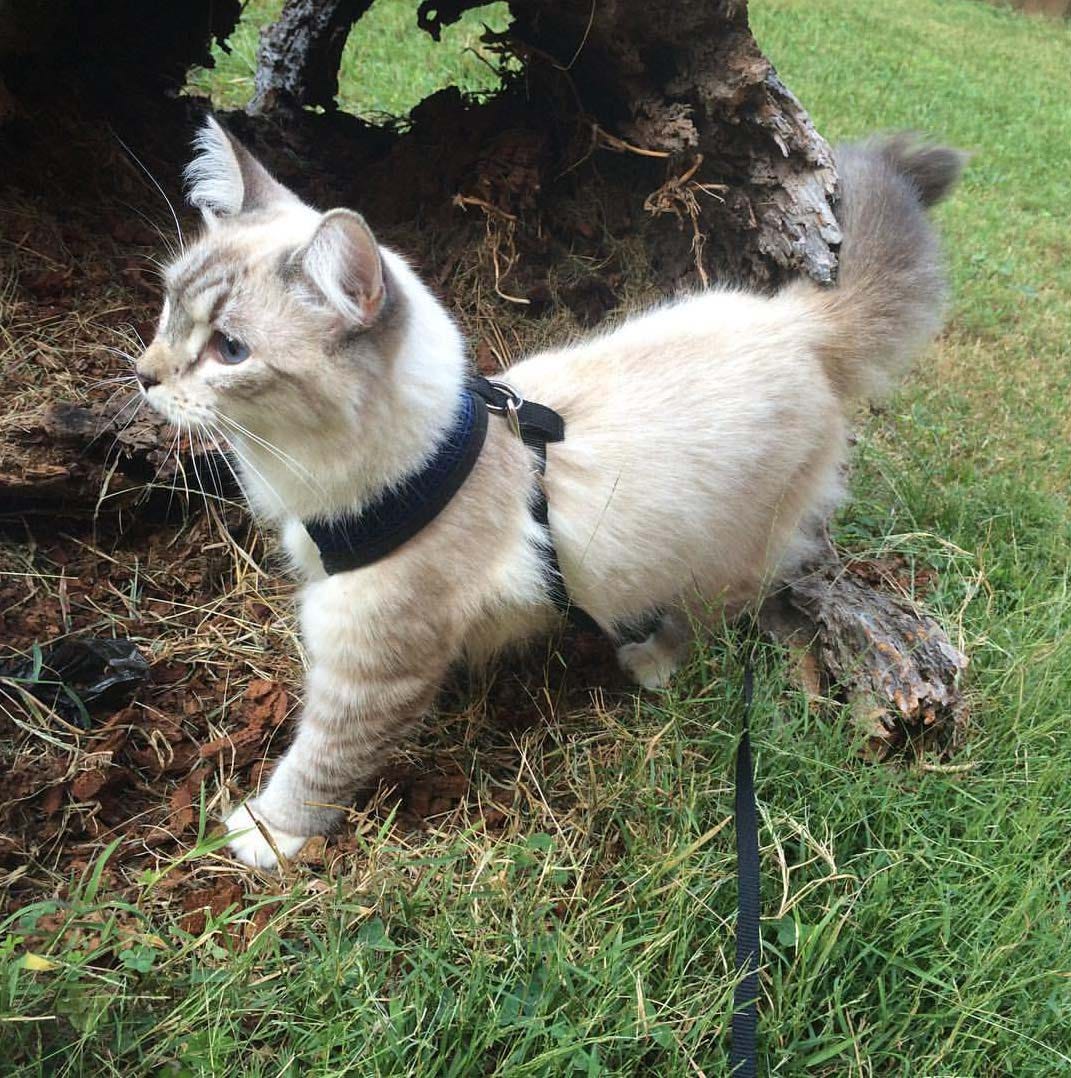
Credit: medium.com
Indoor practice builds your cat’s confidence before venturing outside.
Step 3: Gradual Outdoor Introduction (Weeks 4+)
The first time you take your cat outside, the goal is not to go for a walk – it’s to let them experience the outdoors at their own pace, with zero pressure to move. In practice, most cats take 4–8 weeks to feel comfortable with full outdoor walks, but skittish rescue cats may need 6 months or more of slow desensitization. There is no universal timeline, so go at your cat’s pace. You can also read our guide on how to feed wet cat food.
Pick the Right First Location
Start in a quiet, enclosed space like your backyard, or a calm, low-traffic park during off-peak hours. Avoid busy streets, areas with lots of off-leash dogs, or loud, crowded spaces that will overwhelm your cat. Early morning or late afternoon are ideal, as temperatures are cooler and there are fewer people and animals around. Never tie your cat up outside unattended, even in a secure harness.
Let Your Cat Set the Pace Outdoors
Carry your cat outside to their first training spot and set them down gently. Let them sniff, roll in the grass, or sit and observe for as long as they want – even if that means staying in one spot for 10 minutes. Don’t urge them to walk, and don’t force them to explore areas they’re scared of. Keep first outdoor sessions to 5–10 minutes max, and gradually increase time as they get more comfortable. Remember: cats don’t walk like dogs. They will stop to investigate every smell, sit in sunbeams, and change direction on a whim – that’s normal, and part of the fun of walking a cat.
Building a Sustainable, Low-Stress Walking Routine
Once your cat is comfortable with short outdoor sessions, you can build a consistent routine that works for both of you. Stick to the same time of day and starting location for the first few weeks, so your cat knows what to expect and feels less anxious. Start with 2–3 short sessions per week, and only increase to daily walks if your cat actively seeks out outdoor time.
It’s important to note that leash walking is not a replacement for indoor enrichment. Pair outdoor walks with regular interactive play, puzzle feeders, and a litter box setup that fits your home to keep your cat stimulated and happy when they’re inside. If your cat shows consistent signs of stress during outdoor sessions, don’t force it: many cats prefer staying indoors, and that’s perfectly okay.
The American Veterinary Medical Association recommends leash walking as a low-risk way to give indoor cats access to outdoor stimulation, reducing the risk of injury, disease, and predation that comes with free-roaming AVMA guide to safe cat outdoor access.
Non-Negotiable Safety Precautions
Safety should always be your top priority during leash training and walks. Follow these rules to keep your cat protected:
Weather & Environmental Risks
Cats are far more sensitive to temperature extremes than dogs. Never walk your cat in temperatures above 80°F (27°C) or below 40°F (4°C): hot pavement can burn their paw pads, and cold weather can cause frostbite on their ears and paws. Avoid areas treated with pesticides, herbicides, or fertilizer, as cats may lick their paws and ingest toxic chemicals. After each outdoor excursion, check your cat’s fur and paws for burrs, ticks, or debris, and wipe them down with a gentle dander-reducing wipe to remove outdoor allergens and keep their coat healthy.
The CDC notes that cats are far more susceptible to heatstroke than dogs, as they can only sweat through their paw pads, so never leave your cat tied up outside unattended, even in mild weather CDC pet heat safety guidance.
Emergency Preparedness
Keep a small pet first-aid kit in your walking bag with styptic powder (for nail bleeds), gauze, antiseptic wipes, and your vet’s contact info saved in your phone. Always have your cat’s ID tag with your phone number on their harness, and ensure they are microchipped as a backup. If your cat bolts or gets loose, stay calm, call their name, and use high-value treats to lure them back – never chase them, as this will make them run farther.
Troubleshooting Common Training Hurdles
Even with consistent training, you’ll likely hit small setbacks. Here’s how to solve the most common issues:
My Cat Refuses to Wear the Harness
This is almost always caused by an ill-fitting harness or a negative association with the gear. Go back to the desensitization step, offer higher-value treats, and try a different harness style (many cats that resist H-style harnesses take to vest harnesses immediately). Never force the harness on your cat, as this will make them fear it permanently.
My Cat Freezes or Tries to Bolt Outside
The outdoors is overwhelming for many cats, especially at first. Shorten your indoor training sessions, choose an even quieter outdoor location, and keep outdoor sessions to 2–3 minutes at first. Don’t drag your cat or urge them to move – let them set the pace, even if that means sitting and observing for an entire session. As they build confidence, they will start to explore on their own.
My Cat Pulls Constantly on the Leash
Pulling is almost always a sign of excitement, not defiance. Stop walking immediately the second your cat pulls, wait for them to loosen the leash, then reward and continue. Never yank the leash, as this can injure your cat’s neck or make them fear the leash entirely. If pulling is a persistent issue, switch to a front-clip harness, which gives you more control without causing discomfort.
For long-haired breeds, regular grooming sessions will keep their paw fur trimmed, reducing the risk of burrs and matting during walks.

Credit: www.reddit.com
Positive reinforcement with high-value treats makes harness wear a positive experience.
Frequently Asked Questions
Is leash training a cat worth it?
For many cats, yes. Leash walking provides mental stimulation and gentle exercise that reduces boredom-related behaviors like destructive scratching, excessive meowing, and inappropriate urination. That said, it’s not for every cat: skittish or high-anxiety cats may never enjoy outdoor time, and that’s perfectly normal. Always prioritize your cat’s comfort over your desire to take them on walks.
What age is best to start leash training?
Kittens as young as 8–12 weeks old are ideal candidates, as they are more adaptable to new experiences. Adult cats can be leash trained too, but they will need slower desensitization and more patience. Senior cats may have mobility or health issues that make walking uncomfortable, so check with your vet before starting training.
Can I use a collar instead of a harness?
No. Cat collars can easily slip off, and if your cat bolts while on a leash attached to a collar, they risk serious neck injury. A properly fitted harness distributes pressure across the chest and shoulders, which is far safer for all cats.
How long does leash training take?
Most cats take 4–8 weeks to be comfortable walking on a leash outdoors, but this varies widely based on personality. Confident, curious kittens may be ready for short outdoor walks in 2–3 weeks, while skittish rescue cats may take 6 months or more to adjust. The key is to go at your cat’s pace, not yours.
Can I walk my cat on a leash without a harness?
No. A harness is the only safe way to attach a leash to a cat. Collars, harnesses that don’t fit properly, or makeshift restraints put your cat at risk of escaping or injury.
Conclusion
Leash training your cat is a marathon, not a sprint. The cats that take to it best are the ones whose owners move at their pace, celebrate tiny wins, and never force outdoor exploration if their cat is clearly stressed. Remember: the goal isn’t to take your cat on 2-mile walks like a dog – it’s to give them safe, controlled access to the outdoor stimulation they crave, while strengthening your bond in the process. If your cat never takes to leash walking, that’s perfectly normal: alternative enrichment like window perches, catios, and interactive toys can meet their needs just as well. For more proven, reward-based tips to train your cat and support their overall health, check out our guides to reward-based cat training methods and nutritionally complete cat diets to keep your feline friend thriving.
Pair regular leash walks with a nutritionally complete diet to keep your cat at a healthy weight and full of energy for outdoor exploration.