
Switching your cat from dry to wet food can be a game-changer for their health and happiness. You might notice your cat isn't drinking enough water, or perhaps you're looking for a way to add more moisture to their diet.
Whatever your reason, making the transition smoothly is important for your cat's well-being. Imagine your cat enjoying meals more, with improved hydration and nutritional benefits. In this guide, you'll discover simple steps to help your feline friend adjust to their new diet without stress.
Keep reading to learn how to make this transition a positive experience for both you and your beloved pet, ensuring they thrive with their new food choice.

Credit: www.youtube.com
Benefits Of Wet Cat Food
Transitioning a cat from dry to wet food enhances hydration and supports kidney health. It can also improve their coat and digestion. Gradual mixing of wet food with dry helps ease the switch.
Wet cat food is more than just a tasty treat for your feline friend. It offers numerous health benefits that can enhance your cat's overall well-being. Unlike dry food, wet cat food is rich in moisture, which is crucial for keeping your cat hydrated, especially if they aren't big water drinkers. Additionally, wet food can be more palatable, providing your cat with a delicious and varied diet that keeps them excited about mealtime.
Improved Hydration
Cats are notorious for not drinking enough water, often leading to urinary tract issues. Wet cat food naturally contains more moisture, helping to ensure your cat stays hydrated. This is particularly beneficial for cats prone to kidney problems. Have you ever noticed how your cat seems to prefer licking water off the floor rather than drinking from their bowl? Wet food can be a simple solution to sneak in those extra fluids.
Better Weight Management
Wet cat food typically has fewer carbohydrates than dry food. This makes it easier to manage your cat's weight, especially if they are prone to obesity. The higher protein and moisture content can help your cat feel fuller longer without consuming excessive calories. Are you constantly battling the bulge with your feline friend? Switching to wet food could be the change they need.
Enhanced Nutritional Value
Wet cat food is often richer in essential nutrients and high-quality proteins. This can lead to better muscle maintenance and overall health. Cats are obligate carnivores, requiring a diet high in meat. Wet food can meet these dietary needs more effectively than dry food. Would you choose a bland salad over a gourmet meal? Neither would your cat; wet food is their gourmet choice.
Dental Health Benefits
While dry kibble is often touted for dental health, wet food can also play a role in maintaining oral hygiene. It doesn't stick to teeth like some dry foods, potentially reducing plaque buildup. If your cat isn't a fan of brushing, wet food might help keep their pearly whites in better shape. Isn't it time your cat's smile matched their charm?
Increased Appetite Stimulation
Wet food tends to have a stronger aroma than dry food, which can stimulate your cat's appetite. This is particularly helpful for older cats or those recovering from illness. Have you ever noticed how your cat perks up when they catch a whiff of something delicious? Wet food can be that enticing aroma they can't resist.
Variety Of Flavors
Wet cat food comes in a wide array of flavors and textures, keeping your cat's meals exciting. This variety can prevent food boredom and ensure your cat gets a balanced diet. Just like you wouldn't want to eat the same thing every day, your cat enjoys a diverse menu. Why not surprise your cat with a different flavor every week?
Choosing The Right Wet Food
Transitioning your cat from dry to wet food can be a rewarding journey. Choosing the right wet food is crucial for your cat's health and happiness. Wet food offers hydration benefits and more diverse flavors. Selecting the best option involves understanding nutritional needs, flavor preferences, and quality ingredients.
Nutritional Needs
Cats need a balanced diet for optimal health. Wet food should contain essential proteins and vitamins. Look for foods with taurine, an amino acid vital for cats. Omega-3 fatty acids support a shiny coat and healthy skin. Avoid fillers like corn or soy, which offer little nutrition.
Flavor Preferences
Cats are picky eaters. Explore different flavors to find what your cat enjoys. Some cats prefer seafood, while others like poultry. Test small portions to discover their favorites. Mixing flavors can prevent boredom and keep meal times exciting.
Quality Ingredients
High-quality wet food starts with real meat or fish as the main ingredient. Avoid foods with artificial colors, flavors, or preservatives. Check the label for natural ingredients and clear sourcing information. High-quality foods often have better taste and nutrition.
Gradual Transition Process
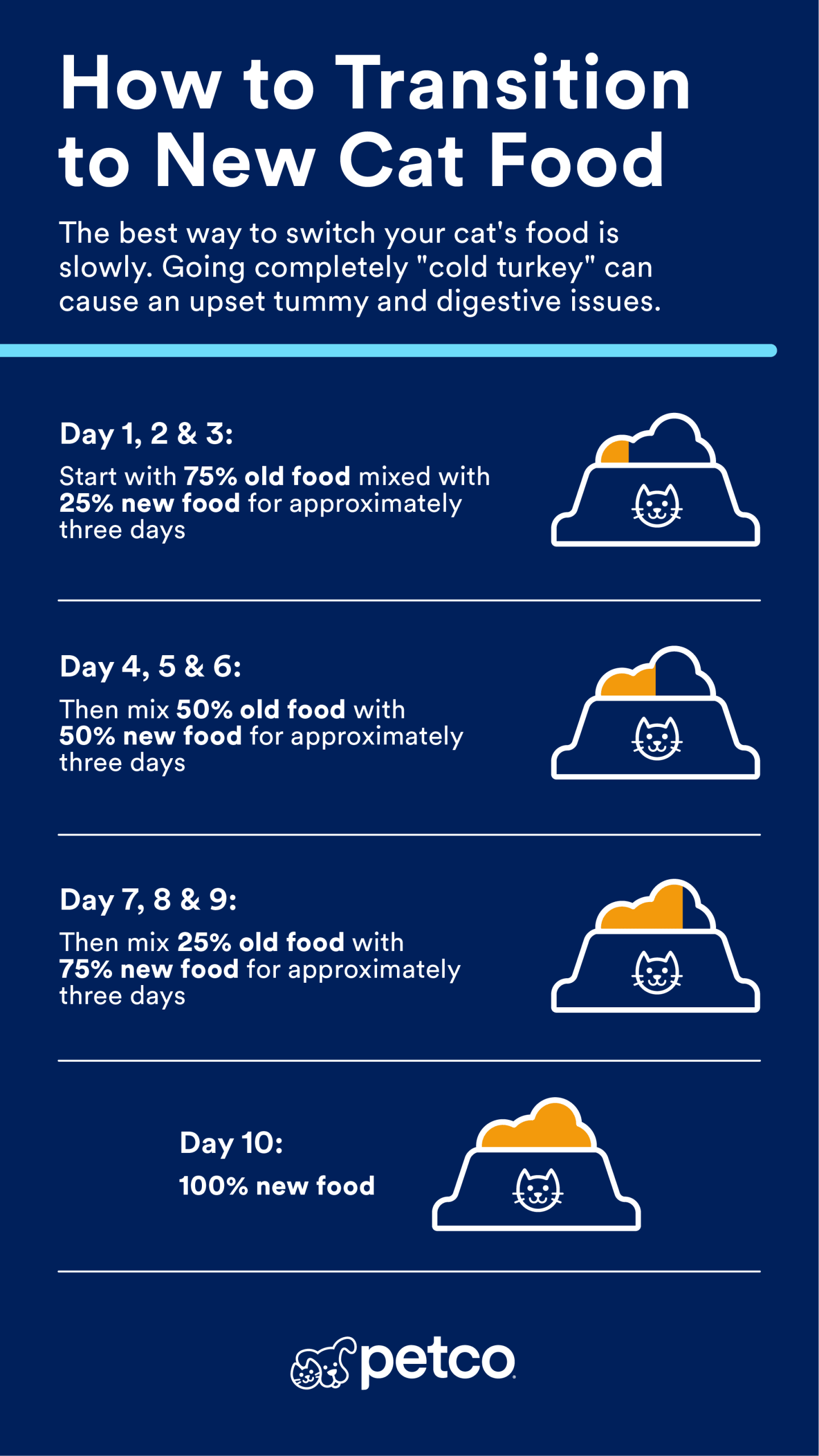
Gradual Transition Process Switching your cat from dry to wet food requires patience. Begin by mixing a small amount of wet food with their dry food. Gradually increase the wet food portion over several days. This slow change helps your cat adjust without digestive issues.
Transitioning your cat from dry to wet food can be beneficial. Wet food often provides more moisture and can be more appealing. A gradual transition process ensures a smooth change without upsetting your cat's stomach. Let's explore how to make this switch effectively.
Mixing Wet And Dry Food
Begin by mixing a small amount of wet food with your cat's usual dry food. This helps them adjust to the new taste and texture. Stir the wet food well to coat the dry kibble. This encourages your cat to try the wet food. Use a ratio of 75% dry food to 25% wet food initially.
Adjusting Ratios Over Time
Gradually increase the amount of wet food. Over several days, shift the ratio to 50% dry and 50% wet food. Monitor your cat's eating habits closely. If they accept the new mixture, continue adjusting. Move to 75% wet food and 25% dry food. Adjust slowly to avoid digestive issues.
Observing Cat’s Response
Watch your cat’s response to the changing food. Look for signs of discomfort or refusal. A positive response means your cat is adjusting well. If they seem reluctant, slow down the transition. Offer praise or treats for eating the new mixture. This reinforces positive behavior and encourages acceptance.

Credit: iandloveandyou.com
Encouraging Acceptance
Gradually mix small amounts of wet food with dry kibble to help your cat adjust. Observe your cat's reaction and adjust the portions as needed. Patience and consistency are key in making this dietary transition smooth and stress-free for your feline friend.
Transitioning your cat from dry to wet food can be a challenge. Cats often resist changes in their diet. Encouraging acceptance is key to a successful transition. By using simple techniques, you can make wet food more appealing. Here are a few strategies to help your cat embrace the change.
Warming The Food
Warm food can be more inviting for your cat. Heat the wet food slightly to enhance its aroma. This makes it more similar to fresh prey, enticing your cat. Ensure the food is not too hot. Test the temperature before serving.
Enhancing Aroma
Cats rely heavily on their sense of smell. Enhancing the aroma of wet food can spark interest. Try mixing a small amount of tuna juice or low-sodium chicken broth. This can make the scent stronger and more appealing. Gradually reduce these additives as your cat adapts.
Using Broth Or Water
Adding broth or water can help in the transition. It creates a familiar texture for cats used to kibble. Pour a bit of warm broth over the wet food. Stir until well combined. This can make the meal more tempting and easier to eat.
Monitoring Health And Behavior
Switching your cat from dry to wet food involves monitoring their health and behavior closely. Gradually mix a small amount of wet food with their dry food, observing any changes in eating habits and digestion.
Transitioning your cat from dry to wet food is a journey that requires attention to their health and behavior. As you make this change, it's crucial to keep a close eye on your cat to ensure they are adapting well. Observing their physical and emotional responses can provide valuable insights into how they are handling the transition. Let's delve into some key aspects to monitor during this process.
Checking Hydration Levels
Hydration plays a significant role in your cat's overall health. Wet food naturally contains more moisture, which is beneficial for your cat, particularly if they've been on a dry food diet. Check their water intake—are they drinking less from their bowl? A simple way to test hydration is the skin tent test. Gently pinch the skin on the back of your cat's neck. If it quickly returns to its normal position, your cat is likely well-hydrated. If not, you might need to consult with your vet.
Noticing Behavioral Changes
Watch for any changes in your cat's behavior. Are they more energetic or perhaps a bit lethargic? Increased playfulness could indicate they are enjoying the new diet. Observe their feeding behavior too. Are they eager to eat the wet food, or do they seem reluctant? Cats can be picky, and their preferences might shift during this transition.
Regular Vet Checkups
Regular vet visits are essential to ensure your cat's smooth transition. A vet can help monitor your cat's weight and overall health. They can provide tailored advice and adjustments to your feeding strategy if needed. During a vet visit, ask about any concerns you have noticed. Have they had any unusual symptoms? Your vet is a valuable resource in this dietary change, providing peace of mind and expert guidance. By carefully monitoring these aspects, you can ensure your cat's transition from dry to wet food is both smooth and beneficial. Have you noticed any changes in your cat's health or behavior since you started this transition?
Handling Picky Eaters
Transitioning a cat from dry to wet food can be challenging. Gradually mix small amounts of wet food with their usual dry food to ease the change. Monitor your cat's reaction and adjust portions slowly to help them adapt comfortably.
Transitioning your cat from dry to wet food can be tricky. Cats are known for their selective eating habits. Handling picky eaters requires patience and creativity. Here are some strategies to help make the switch smoother.
Experimenting With Flavors
Cats have unique taste preferences. Try different wet food flavors. Offer small portions to see what they prefer. Some cats love fish flavors. Others might prefer chicken or beef. Mix it up until you find their favorite. This can help engage their interest in wet food.
Using Treats As Incentives
Treats can motivate cats to try new foods. Sprinkle a few treats on top of the wet food. This can entice them to take the first bite. Gradually reduce the number of treats. This encourages them to eat the wet food alone. Make sure the treats are healthy and safe for cats.
Avoiding Abrupt Changes
Cats dislike sudden changes in their diet. Introduce wet food slowly. Start by mixing a small amount with their dry food. Gradually increase the wet food portion over a week. This helps their digestive system adjust. A slow transition reduces the chance of stomach upset.
Common Challenges
Transitioning your cat from dry to wet food can be a rewarding journey for both you and your feline friend. However, it’s not always smooth sailing. Cats can be creatures of habit, and switching their diet might bring about some common challenges that you'll need to navigate.
Dealing With Refusal
One of the most immediate hurdles you might face is outright refusal. Cats can be picky eaters, and the texture or smell of wet food might not appeal to them at first. Start by mixing a small amount of wet food with their usual dry food. Gradually increase the wet food portion over several days.
Have you ever had a food you were hesitant to try but eventually loved? Your cat might just need some time to adjust. Experiment with different brands and flavors to find one they prefer.
Managing Digestive Issues
Switching food types can sometimes lead to digestive disturbances like diarrhea or constipation. It's essential to make the transition gradually to avoid upsetting your cat's stomach. If digestive issues arise, slow down the transition process.
Consider maintaining a balance by offering both food types initially. Monitor their litter box habits closely; it can provide clues on how well your cat is adjusting.
Addressing Allergies
Food allergies can be another potential challenge. If your cat shows signs of allergies such as itching, vomiting, or skin issues after the switch, it might be time to consult your veterinarian. They can help identify the specific ingredient causing the reaction.
Are there certain food ingredients you always avoid due to allergies? Cats can have similar sensitivities, and identifying them early can prevent discomfort and health issues.
Switching your cat to wet food requires patience and observation. Are you ready to tackle these challenges for a healthier, happier cat?
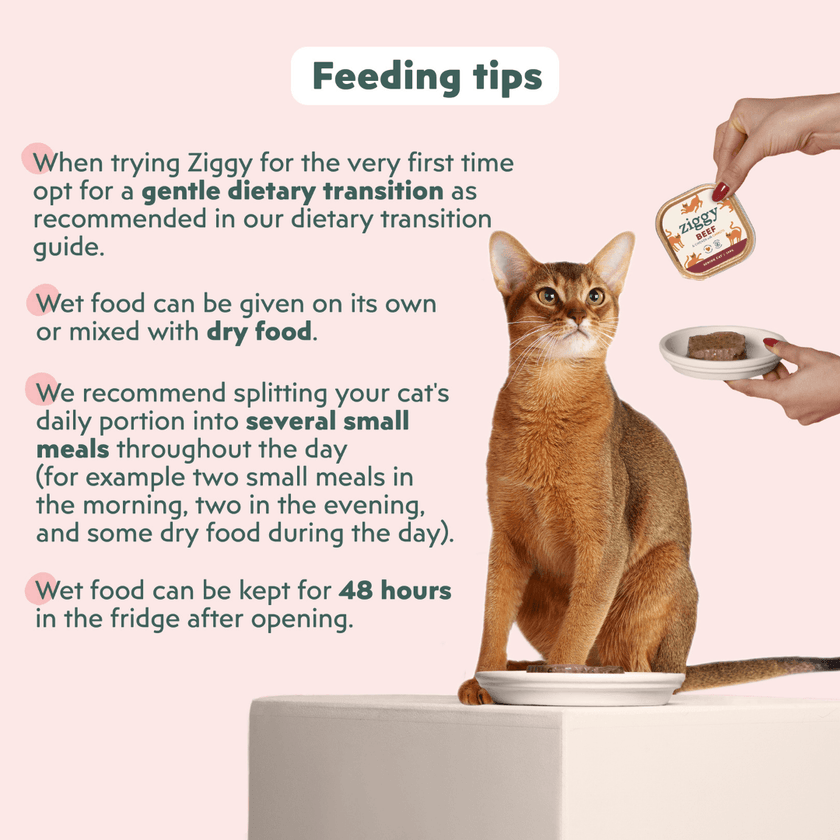
Credit: ziggyfamily.com
Frequently Asked Questions
How Long Does It Take A Cat To Adjust To Wet Food?
Cats typically take 7-14 days to adjust to wet food. Introduce it gradually, mixing with their current diet. Observe your cat's behavior and digestion. Some cats may adapt faster, while others need more time. Be patient and consistent for the best results.
What Is The 25 Rule For Cat Food?
The 25% rule for cat food means the product must contain at least 25% of the named ingredient. For instance, "Chicken Dinner" must have chicken as 25% of the total product, ensuring transparency and quality. This regulation helps pet owners choose nutritious options for their cats.
Do Vets Recommend Dry Or Wet Cat Food?
Vets often recommend both dry and wet cat food for a balanced diet. Wet food provides hydration, while dry food supports dental health. Consult your vet for personalized advice based on your cat's needs.
Is It Okay To Give Cats Wet Food Every Day?
Yes, feeding cats wet food daily is fine. It provides hydration and essential nutrients. Ensure a balanced diet by combining wet and dry food. Consult your vet for specific dietary needs. Regular feeding of wet food promotes healthier kidneys and prevents urinary issues in cats.
Conclusion
Transitioning your cat from dry to wet food takes patience. Start slow. Gradually mix wet food with dry. Observe your cat’s reaction. Adjust quantities based on your cat’s preference. Stay consistent with feeding times. Monitor your cat’s health and weight.
Wet food offers hydration benefits. It can improve digestion and overall health. Consult your vet for specific advice. Every cat is unique. Some adapt quickly, while others need time. With care and observation, the switch can be successful. Your cat’s health matters most.
Choose the best diet for them. Enjoy a happier, healthier feline friend.