
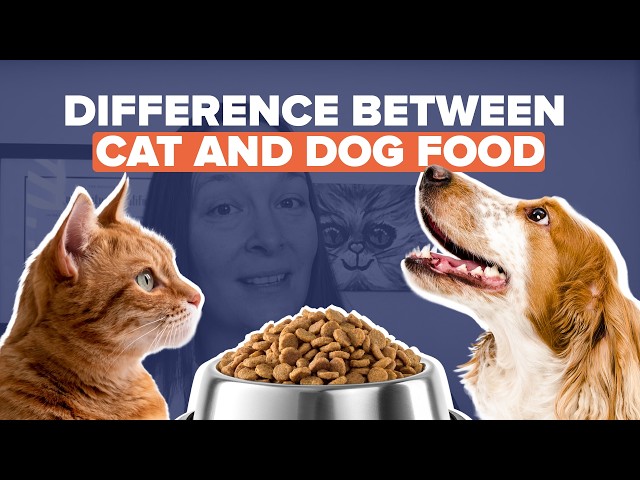
Have you ever found yourself in a pinch, wondering if your feline friend can nibble on the wet dog food you have on hand? You're not alone.
Many pet owners face this dilemma, often prompted by an empty cat food cupboard or a curious kitty eyeing the dog's dinner. But before you scoop that dog food into your cat's bowl, it's important to understand what’s truly best for your cat's health.
By the end of this article, you’ll discover crucial insights that could transform your perspective on pet nutrition. So, let's unravel the mystery behind feeding wet dog food to cats and ensure your beloved pets get the nourishment they deserve.
Differences Between Cat And Dog Nutrition
Feeding cats wet dog food is not advised. Cats need more protein and taurine, which dog food lacks. Proper feline nutrition ensures their health and well-being.
Cats and dogs have different nutritional needs. Understanding these differences is important. Each species has unique dietary requirements. Feeding them the wrong food can lead to health issues.
Unique Nutritional Needs Of Cats
Cats are obligate carnivores. They require a diet rich in animal proteins. Cats need taurine, an amino acid found in meat. Without taurine, cats can suffer from heart and vision problems. They also need arachidonic acid, a fatty acid. This is found in animal fats, not plants. Vitamin A is another essential nutrient for cats. They cannot convert beta-carotene from plants into vitamin A.
Essential Nutrients For Dogs
Dogs are omnivores. They can eat both plants and meat. Their diet should include protein, carbohydrates, and fats. Protein supports muscle growth and repair. Carbohydrates provide energy and fiber. Fats are necessary for healthy skin and coat. Dogs need omega-3 and omega-6 fatty acids. These support brain function and immune health. Dogs can convert beta-carotene into vitamin A. They do not need preformed vitamin A from animal sources.

Credit: www.dutch.com
Composition Of Wet Dog Food
Understanding the composition of wet dog food is crucial if you're considering feeding it to your cat. Cats and dogs have different dietary needs, and the ingredients in dog food might not always align with what your feline friend requires. This section explores the common ingredients and nutritional values found in wet dog food, and why they matter when making dietary decisions for your cat.
Common Ingredients In Wet Dog Food
- Meat and Meat By-products:These are often the primary ingredients, providing essential proteins for dogs. However, cats require taurine, an amino acid not always present in dog food.
- Grains and Vegetables:Dog food frequently contains grains like rice or corn and vegetables like carrots. While these can be beneficial for dogs, cats are obligate carnivores and might not benefit from these ingredients.
- Preservatives and Additives:To enhance flavor and shelf-life, dog food might include additives. It’s essential to ensure these don't harm your cat's health.
Have you ever checked the label on your pet's food? It's a habit that can reveal surprising facts about what you're feeding them.
Nutritional Values Of Dog Food
Dog food is designed to meet the nutritional needs of dogs, which differ from those of cats. Dogs can thrive on a diet with lower protein and higher carbohydrates, while cats need a high protein intake.
- Protein Levels:Dog food typically contains less protein than cat food. This can lead to deficiencies in your cat’s diet if they rely solely on dog food.
- Fat Content:The fat content in dog food varies, but it might not be sufficient for a cat's diet. Cats need more fat for energy and overall health.
- Vitamins and Minerals:While dog food contains necessary vitamins and minerals, it might lack certain ones crucial for cats, like vitamin A.
Could feeding your cat dog food lead to long-term health issues? It's a question worth pondering before making any dietary changes.
Potential Risks Of Feeding Cats Wet Dog Food
Feeding cats wet dog food might seem convenient, but it poses risks. Cats have unique dietary needs that differ from dogs. Understanding these risks can help ensure your cat's health and happiness.
Nutrient Deficiencies In Cats
Cats need specific nutrients to thrive. Taurine, an essential amino acid, is critical for their health. Dogs can produce taurine naturally, but cats cannot. Wet dog food often lacks taurine. This deficiency can lead to serious health issues in cats.
Vitamin A is another vital nutrient for cats. They require a pre-formed version found in animal tissues. Dog food might not provide enough of this nutrient. This could result in vision problems or skin disorders for your cat.
Health Issues From Inappropriate Diet
A diet of wet dog food can cause digestive problems in cats. Cats need more protein than dogs. Dog food is often lower in protein, which could affect your cat's muscle health.
Feeding cats dog food may lead to obesity. Dog foods can contain carbohydrates that aren't suitable for cats. Obesity can cause joint issues and other health problems in cats.
Long-term consumption of dog food can affect a cat's heart health. Insufficient taurine can lead to heart disease in cats. Ensuring a cat's diet is balanced is vital for its overall health.

Credit: www.facebook.com
Benefits Of Species-specific Diets
Feeding pets the right diet ensures their health and happiness. Cats and dogs have different nutritional needs. A species-specific diet caters to these unique requirements. This approach helps maintain their well-being.
Advantages Of Cat Food For Feline Health
Cat food contains essential nutrients for felines. It includes taurine, which is vital for their heart and vision. Cats also need higher protein levels compared to dogs. Their bodies thrive on a diet rich in animal-based proteins. A proper cat diet supports their energy and immune system. It also keeps their coats shiny and healthy.
Why Dogs Thrive On Their Own Diet
Dog food is designed to meet canine needs. Dogs require a balanced mix of proteins, fats, and carbohydrates. Their diet includes specific vitamins and minerals for strong bones and teeth. Feeding dogs their species-specific food supports their energy levels. It also helps maintain a healthy weight and overall vitality.
Emergency Situations And Temporary Solutions
Feeding cats wet dog food in emergencies can be a short-term solution. Cats need specific nutrients found only in cat food. Dog food lacks taurine and other vital nutrients for cats' health.
In emergencies, pet care can become a challenge. You might run out of cat food unexpectedly. Stores might be closed or far away. In such situations, wet dog food can seem like a temporary fix. Is it safe? Can it meet your cat's dietary needs? Let's explore these questions.
Short-term Use Of Dog Food For Cats
Feeding wet dog food to cats short-term might be okay. Cats and dogs have different nutritional needs. Cats require more protein than dogs. Dog food lacks taurine, an essential amino acid for cats. Taurine deficiency can lead to serious health issues in cats. Using dog food for a day or two may not harm. But longer use can cause nutritional imbalances.
Supplementing Nutrients In Emergencies
In emergencies, balancing nutrients becomes vital. If you feed your cat dog food, consider temporary supplements. Eggs are a good source of protein and taurine. Offer cooked eggs alongside dog food for protein boost. Tuna can also be a quick protein source. But avoid using it frequently. It's high in mercury and not ideal for regular use. Always ensure fresh water is available. Hydration is crucial for your cat's health.
Consulting A Veterinarian
Feeding your cat wet dog food might seem like a convenient option, especially if you're running low on cat food. However, it's crucial to consult a veterinarian before making such a dietary change. A vet can provide invaluable insights into your pet's nutritional needs and ensure they receive a balanced diet that promotes their health and wellbeing.
Professional Advice On Pet Nutrition
Veterinarians have extensive knowledge about pet nutrition. They can guide you on the nutrients cats specifically require, which differ from dogs. Cats are obligate carnivores, meaning they need certain nutrients found only in animal products, like taurine and arachidonic acid, which might be lacking in dog food.
Have you ever wondered why your cat seems picky? It could be because they're missing out on essential nutrients. A vet can pinpoint these needs and suggest appropriate dietary adjustments.
Tailoring Diet To Individual Needs
Each pet is unique, and what works for one might not suit another. A veterinarian can assess your cat's health and dietary needs based on their age, weight, and any underlying health conditions. This personalized approach ensures your cat receives the nutrients they need to thrive.
Consider the case of a cat with a sensitive stomach. Feeding them the wrong food could lead to digestive issues. By consulting a vet, you can prevent such mishaps and ensure your cat’s diet is tailored to their specific needs.

Credit: www.lilyskitchen.co.uk
Frequently Asked Questions
Can Cats Safely Eat Canned Dog Food?
Cats should not eat canned dog food regularly. It lacks essential nutrients like taurine needed for cat health. Occasionally, a small amount may not harm, but it's not recommended. Always prioritize cat-specific food for their dietary needs and consult a vet for advice on pet nutrition.
Is There A Difference Between Wet Dog Food And Wet Cat Food?
Yes, wet dog food and wet cat food differ in nutritional content. Cats require more protein and specific nutrients. Feeding cats dog food can lead to deficiencies, while feeding dogs cat food may cause weight gain. Always choose food formulated for each pet's dietary needs.
What Can You Feed Your Cat When You Run Out Of Cat Food?
Offer cooked chicken, turkey, or lean beef for a protein-rich meal. Scrambled eggs are also a great option. Avoid onions, garlic, and spices. Provide plain rice or boiled potatoes for carbs. Ensure your cat stays hydrated with fresh water. Consult a vet if unsure about safe food choices.
Can Dog Food Upset A Cat's Stomach?
Yes, dog food can upset a cat's stomach. Cats need specific nutrients found in cat food. Dog food lacks essential taurine and other nutrients for cats. Feeding cats dog food regularly can lead to nutritional deficiencies and digestive issues. Always provide cats with food designed for their dietary needs.
Conclusion
Feeding cats wet dog food can cause health issues. Cats need specific nutrients. Dog food lacks these essentials. Taurine is crucial for cats. Without it, heart problems can occur. Protein levels differ in dog food. Cats require more protein. Digestive issues may arise with dog food.
It's safer to choose cat food. Cat food meets their dietary needs. Always prioritize your pet's health. Consult a vet for dietary advice. Feed your cat what suits them best. Their well-being depends on it. Proper nutrition leads to a happy cat.
Keep your furry friend healthy. Make informed feeding choices.