
If you’ve ever tried to hold a wiggly cat still long enough to brush their teeth, you know the struggle is real. Most cat owners recognize that dental care is important, but figuring out what products are safe, effective, and actually tolerable for your feline can feel overwhelming. The American Veterinary Medical Association estimates that 80% of cats over the age of 3 develop some form of dental disease, making preventive at-home care one of the most impactful things you can do for their long-term health.
This guide breaks down the top vet-approved, safe options for brushing your cat’s teeth, how to choose the right tools for your cat’s temperament, and common mistakes to avoid that can harm their oral health. By the end, you’ll have a clear, stress-free plan to keep your cat’s mouth healthy and their breath fresh. You can also read our guide on how often to brush cats teeth.
Why Cat Dental Care Is Non-Negotiable
Many cat owners assume bad breath is just a normal part of having a cat, but persistent foul odor is often one of the first signs of underlying dental disease. Untreated oral issues don’t just cause pain and difficulty eating: bacteria from infected gums can enter your cat’s bloodstream, leading to systemic damage to the kidneys, heart, and joints over time.
Cats are also adept at hiding pain, so you may not notice dental discomfort until an issue has progressed to a severe, costly stage. Regular at-home brushing removes plaque before it hardens into tartar (which can only be removed by a vet), reduces bad breath, and helps you catch early signs of swelling, redness, or broken teeth during routine sessions. Consistent dental care is one pillar of preventive feline health, alongside nutritionally balanced diets and annual vet wellness exams. You can also read our guide on tick and flea control for cats.
The Top Safe Options for Brushing Your Cat's Teeth
The safest options for feline dental care are products specifically formulated for cats, as they avoid toxic ingredients found in human oral care products and are designed to accommodate a cat’s small mouth and sensitive gums. Below are the most effective, vet-recommended options, organized by use case.
1. Cat-Formulated Enzymatic Toothpaste
This is the gold standard for at-home feline dental care, and the only product you should use for regular brushing. Unlike human toothpaste, cat toothpaste is non-toxic if swallowed (since cats can’t spit), and uses enzymes to break down plaque and bacteria without harsh scrubbing. You can also read our guide on fleatick prevention for cats.
Look for pastes with vet-approved active ingredients like chlorhexidine or glucosamine, which reduce inflammation and fight plaque-causing bacteria. Avoid any product with fluoride, xylitol, sodium lauryl sulfate, or strong mint flavors: fluoride and xylitol are highly toxic to cats even in small doses, while mint irritates feline gums and is unappealing to most cats. Poultry, fish, and seafood flavors are the most popular, as they turn brushing into a more positive experience for food-motivated cats.
2. Pet-Specific Toothbrushes
The right toothbrush makes brushing faster, more effective, and less stressful for your cat. Never use a human toothbrush: the bristles are too hard, and the oversized head can damage your cat’s gums. You can also read our guide on should i feed my cat dry food or wet food.
- Standard small-headed soft-bristle brushes: Designed specifically for feline mouths, these have ultra-soft bristles and a narrow head that easily reaches back molars, where 80% of tartar builds up. They’re the most effective option for cats already comfortable with brushing.
- Finger brushes: These soft silicone or rubber brushes slip over your index finger, giving you better control and letting you feel your cat’s gum texture to spot early signs of swelling. They’re less intimidating for new brushers, kittens, or anxious cats, though they have limited reach for back teeth.
- Baby toothbrushes (temporary use only): In a pinch, a soft-bristled baby toothbrush can work as a short-term substitute, but most have slightly firmer bristles than pet-specific brushes, so use extra gentle pressure and switch to a pet brush as soon as possible.

Image source: www.amazon.com
3. Low-Stress Brushing Alternatives for Resistant Cats
If your cat panics at the sight of a traditional brush, these alternatives let you maintain their oral health with minimal stress:
- Dental wipes: Pre-moistened with plaque-fighting enzymes, these disposable wipes wrap around your finger for easy, brush-free cleaning. They’re ideal for cats that swat at brushes or have severe dental anxiety, though they are less effective at cleaning back molars than a traditional brush.
- Gauze or soft cloth: Wrap a small piece of gauze or a soft microfiber cloth around your finger, apply a pea-sized amount of cat toothpaste, and gently rub the outer surfaces of your cat’s teeth. This is a great starting point for cats new to dental care, as the familiar texture of your finger is less scary than a plastic brush.
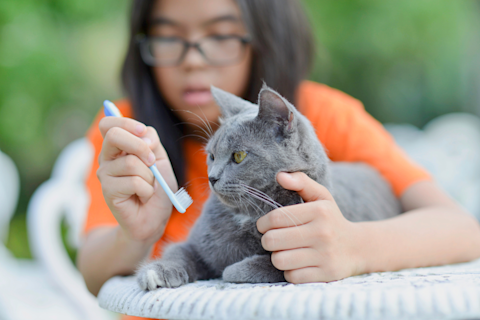
Image source: www.discovermagazine.com
Dental wipes are a low-stress alternative for cats that dislike traditional toothbrushes
4. Adjunctive Dental Gels
For cats that refuse all forms of manual brushing, dental gels are a low-effort alternative. Applied directly to your cat’s gums and teeth once a day, the enzymes in the gel work to break down plaque and reduce bacteria between professional cleanings. While not as effective as manual brushing for removing existing tartar, they are a great stopgap for cats with severe brushing aversion, or for days when you don’t have time for a full session.
5. Homemade Dental Solutions (With Important Caveats)
If you’re on a tight budget or can’t access commercial pet dental products right away, these homemade options work for occasional use only, and are never a replacement for regular brushing or vet cleanings:
- Coconut oil: Has natural antibacterial properties that reduce plaque and freshen breath. Apply a tiny amount to a finger or cloth and gently rub your cat’s teeth. Note that large amounts can cause digestive upset, so use sparingly.
- Baking soda paste (baking soda + water): A mild abrasive that can remove surface plaque, but only use once a week at most. Baking soda has a high pH that can disrupt your cat’s mouth microbiome and erode tooth enamel with regular use.
- Herbal rinses: Only use vet-approved, cat-safe blends (avoid peppermint, eucalyptus, tea tree, and citrus, all of which are toxic to cats). A cooled, weak chamomile rinse can soothe inflamed gums, but always test a small amount first and consult your vet before use.
6. VOHC-Approved Dental Chews and Treats
These textured treats are designed to scrape off plaque as your cat chews, and carry the Veterinary Oral Health Council (VOHC) seal of approval, meaning they meet strict standards for tartar reduction. They’re a great supplement to brushing for cats that tolerate only limited at-home care, or for days when you don’t have time for a full brushing session. Avoid generic dental treats without VOHC approval, as many are no more effective than regular snacks. You can also read our guide on how often do you brush cats teeth.

Image source: blog.homesalive.ca
Look for the VOHC seal on dental chews to ensure they meet effectiveness standards
Quick Comparison of Safe Brushing Options
Use this table to find the best option for your cat’s needs and temperament:
| Option | Best For | Ease of Use | Plaque Removal Effectiveness | Average Cost |
|---|---|---|---|---|
| Enzymatic cat toothpaste | All cats, daily use | Very Easy | High | $5–$15 per tube |
| Standard pet toothbrush | Cats comfortable with brushing | Moderate | Very High | $3–$10 per brush |
| Finger brush | Kittens, anxious cats, new brushers | Very Easy | High | $2–$8 per pack |
| Dental wipes | Cats that hate brushes | Very Easy | Moderate | $8–$20 per pack |
| Dental gel | Cats with severe brushing aversion | Very Easy | Moderate | $10–$25 per tube |
| Homemade solutions (occasional use only) | Temporary use only | Very Easy | Low-Moderate | $0–$5 |
Step-by-Step Guide to Brushing Your Cat's Teeth Safely
Consistency is far more important than perfection when it comes to feline dental care. Follow these steps to make brushing as stress-free as possible for both you and your cat:
- Prep your supplies first: Have your chosen brush or wipes, cat toothpaste, and high-value training treats ready before you bring your cat into the room, to avoid fumbling mid-session.
- Let your cat acclimate first: Over 1–2 days, let your cat sniff and inspect the brush, and taste a small amount of toothpaste off your finger, with no brushing involved. This builds positive associations with the tools.
- Focus on the outer surfaces: Gently lift your cat’s lip, and use soft, circular motions to brush only the outer sides of the teeth (the side facing the cheek), where 80% of tartar builds up. You don’t need to brush the inner surfaces or the cat’s tongue.
- Keep sessions short: Start with 10–15 seconds per side, then reward immediately with a treat and praise. Gradually increase time to 30 seconds per side as your cat gets more comfortable.
- Stop if your cat is stressed: If your cat hisses, swats, or tries to escape, end the session and try again later. Forcing brushing will create a lifelong negative association that makes future care impossible.
Common Brushing Mistakes to Avoid
Even well-meaning cat owners can make errors that harm their cat’s oral health or make brushing harder long-term:
- Using human toothpaste: Fluoride, xylitol, and sodium lauryl sulfate in human toothpaste are toxic to cats, even in small amounts, since cats swallow the product.
- Brushing too hard: Feline gums are delicate, and aggressive scrubbing can cause pain, bleeding, and gum recession. Use light, circular motions only.
- Skipping regular vet dental checks: At-home brushing reduces plaque but does not remove tartar below the gum line, where most severe dental disease occurs. Most cats need a professional veterinary dental cleaning under anesthesia every 1–3 years, depending on their breed and oral health.
- Neglecting other parts of your cat’s care routine: Building a consistent dental routine fits alongside other regular pet care tasks, like maintaining a low-odor litter box setup for a comfortable home environment for both you and your cat.
- Ignoring signs of dental pain: If your cat is avoiding dry food, drooling, or pawing at their mouth, they may have an underlying issue that brushing alone can’t fix.
When to See a Vet About Your Cat's Dental Health
At-home care is a supplement to, not a replacement for, professional veterinary dental care. Schedule a vet appointment immediately if you notice any of the following signs:
- Persistent bad breath that doesn’t improve with brushing
- Red, swollen, or bleeding gums
- Loose, broken, or missing teeth
- Excessive drooling
- Difficulty eating or avoiding food entirely (if your cat is avoiding dry food due to oral discomfort, switching to a soft wet food diet for sensitive cats can help them maintain adequate nutrition while you work with your vet on a treatment plan)
- Weight loss or changes in behavior
If your cat resists all at-home dental care, professional grooming support can include basic oral checks as part of a full-service appointment, though it does not replace vet dental cleanings.
Frequently Asked Questions
What can I use to brush my cat's teeth if I don't have cat toothpaste?
In a pinch, you can use a soft, damp cloth or gauze wrapped around your finger to gently wipe the outer surfaces of your cat’s teeth. For occasional use only, a paste of baking soda and water can work, but avoid regular use as it can disrupt your cat’s mouth pH and erode enamel. Never use human toothpaste, as it contains toxic ingredients like fluoride and xylitol. Always check with your vet before using any homemade solution.
Is there any human toothpaste safe for cats?
No. All human toothpaste contains ingredients that are toxic to cats, including fluoride, xylitol (an artificial sweetener that can cause liver failure), and sodium lauryl sulfate, which irritates feline gums. Always use toothpaste specifically formulated for cats, which is designed to be swallowed safely and comes in flavors cats enjoy.
What cleans cats' teeth naturally without brushing?
VOHC-approved dental chews and treats are a safe, natural supplement to brushing, as their textured surface scrapes off plaque as your cat chews. Dental diets formulated to reduce tartar can also help. Avoid raw bones, which can fracture your cat’s teeth, cause digestive blockages, or lead to bacterial infections like salmonella.
How often should I brush my cat's teeth?
Ideally, brush your cat’s teeth daily, but 2–3 times per week is the minimum recommended by veterinary dentists to prevent plaque and tartar buildup. Pair brushing with regular vet dental checkups every 6–12 months to catch issues early.
Conclusion
The safest, most effective options for brushing your cat’s teeth are vet-approved enzymatic toothpaste paired with a pet-specific soft-bristle brush or finger brush. For cats that resist traditional brushing, dental wipes, gels, or VOHC-approved chews are great low-stress alternatives. Avoid human toothpaste, raw bones, and unregulated homemade solutions, which can cause serious harm.
Remember: consistency matters more than perfection. Even short, infrequent brushing sessions will drastically reduce your cat’s risk of dental disease over time. If you’re struggling to get your cat comfortable with brushing, consult your vet for personalized tips to make the process easier.
Ready to build a stress-free dental routine for your cat? Start with a small, flavored cat toothpaste sample and a finger brush, and reward every small win. For more vet-approved tips to support your cat’s overall wellness, explore our full library of feline care resources.