

Choosing the right food for your cat can feel like a daunting task. You want to ensure your furry friend is healthy and happy, but with so many options available, it's hard to know what's best.
Should you go for dry food or wet food? This decision is more important than you might think, as it can impact your cat's overall wellbeing. Imagine the peace of mind you'll have knowing your beloved cat is getting the nutrition they need.
Picture the joy you'll feel seeing them thrive with energy and vitality. This article will guide you through the pros and cons of both dry and wet cat food, helping you make an informed choice that suits your cat's needs. Keep reading, because understanding the differences can transform your pet's health and happiness.
Dry Food Benefits
Deciding between dry or wet food for your cat can be challenging. Dry food offers convenience and helps maintain dental health. It also stays fresh longer, making it a practical option for busy pet owners.
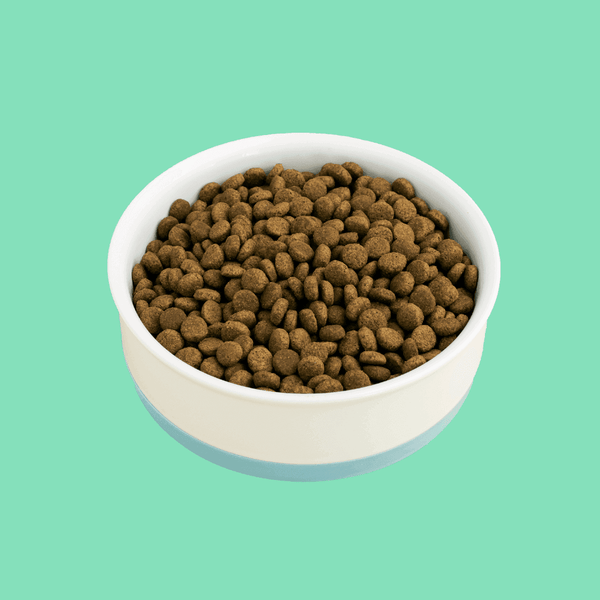
Dry cat food, often called kibble, offers several advantages. It's a popular choice among cat owners for many reasons. Let's explore the benefits of dry food for your feline friend.
Convenience And Storage
Dry cat food is easy to store. It doesn't require refrigeration after opening. You can leave it in your cat's bowl without worry of spoilage. This makes it perfect for busy pet owners. Dry food can be bought in bulk. That means fewer trips to the store.
Dental Health Advantages
Kibble can help maintain your cat's dental health. The texture of dry food cleans teeth. It reduces tartar and plaque buildup. Chewing dry food strengthens their gums too. This can lead to better oral hygiene for your cat.
Cost-effectiveness
Dry cat food is often more affordable. It offers more servings per bag. This can save you money in the long run. Bulk buying options further reduce costs. It's a budget-friendly option without sacrificing nutrition.
Credit: www.tippaws.com
Wet Food Benefits
Wet food keeps cats hydrated, aiding digestion and kidney health. It's rich in protein, supporting muscle growth and energy.
Feeding your cat involves more than just filling a bowl. Wet food offers unique benefits that can enhance your feline friend’s health and happiness. Many cat owners, myself included, have noticed significant improvements in their pets' well-being by including wet food in their diets.
Hydration And Moisture Content
Cats often don't drink enough water, which can lead to dehydration and urinary issues. Wet food contains high moisture levels, helping to keep your cat hydrated. This is particularly beneficial for cats that are prone to urinary tract infections or kidney problems.
Taste And Texture Appeal
Does your cat turn up its nose at dry kibble? Wet food has a rich taste and appealing texture that many cats find irresistible. Its soft, juicy consistency can be a treat for finicky eaters or older cats with dental issues.
Nutritional Value
Wet food typically contains higher levels of protein and lower levels of carbohydrates than dry food. This aligns more closely with a cat's natural diet. Make sure to check the label for high-quality ingredients, ensuring your cat gets the essential nutrients they need. Are you wondering if wet food might be the right choice for your cat? Consider their individual needs and preferences. Sometimes a mixed diet can provide the best of both worlds.
Nutritional Differences
Deciding between dry and wet cat food depends on nutritional differences. Dry food is convenient and helps dental health. Wet food provides hydration and has higher protein content.
Feeding your cat the right type of food is crucial for their health and happiness. Understanding the nutritional differences between dry and wet cat food can guide you to make the best choice. Let's break down the core components: protein, carbohydrates, and fat content.
Protein Content
Cats are obligate carnivores, meaning they require a diet rich in protein. Wet food often boasts a higher percentage of meat-based protein compared to dry kibble. This makes it closer to a cat’s natural diet. On the other hand, some premium dry foods offer high protein levels too. Always check the ingredient list. Look for named meat sources like chicken or fish as the first ingredient.
Carbohydrate Levels
Carbohydrates are not a significant part of a cat's natural diet. Wet food typically contains fewer carbs than dry food. This can be beneficial for weight management and reducing the risk of diabetes. Dry food, due to its processing, tends to have higher carbohydrate content. This is something to consider if your cat is prone to weight gain or has dietary restrictions.
Fat Content
Fats are essential for energy and a shiny coat. Wet foods generally contain higher fat levels, providing essential fatty acids. This can be advantageous for active or younger cats needing extra energy. Dry foods might have lower fat content, which can be suitable for less active or older cats. Again, checking the label is key. You might be surprised at how different brands vary. Ultimately, the choice between dry and wet food should consider your cat's specific needs. Have you observed your cat's reaction to different foods? What suits one feline might not work for another. Understanding these nutritional differences can help you make a more informed decision.
Health Considerations
Choosing between dry or wet food for your cat involves health considerations. Dry food supports dental health, while wet food offers hydration. Both have nutritional benefits, so balance is key.
Feeding your feline friend the right type of food is a crucial decision that impacts their overall health and well-being. Both dry and wet cat foods have their own set of benefits and drawbacks. When deciding between the two, consider several health factors to ensure your cat leads a happy and healthy life.
Weight Management
Maintaining an ideal weight is essential for your cat's health. Dry food is often calorie-dense, which can be beneficial for active cats or those who have trouble keeping weight on. However, it can also lead to overeating and weight gain in less active cats. Wet food, with its higher moisture content, can help your cat feel fuller with fewer calories. This can be a great option if you're struggling to manage your cat's weight. Remember, portion control is key regardless of the type of food you choose.
Urinary Health
Cats are prone to urinary tract issues, and their diet plays a significant role in prevention. Wet food can be particularly beneficial here because it contains more water, which helps keep your cat hydrated and supports healthy kidney and urinary function. Dry food, on the other hand, lacks moisture, which might contribute to urinary problems if your cat doesn't drink enough water. Consider your cat's drinking habits and consult with your vet to determine the best option for their urinary health.
Dental Care
You might have heard that dry food is better for your cat's dental health, as the crunch can help reduce plaque buildup. While this can be partially true, it's not a substitute for regular dental care. Cats still need regular cleanings and dental check-ups. Wet food doesn't offer the same mechanical cleaning, but it doesn't mean your cat will have poor dental health if you opt for it. Regular dental hygiene practices and vet visits are crucial regardless of the food type you choose. Balancing these health considerations can be challenging, but it's essential for your cat's well-being. Have you ever wondered how these choices impact your cat's health over time? Take a moment to observe your cat's habits and consult with your vet to find the best balance for your furry friend.
Age And Lifestyle Factors
Feeding your cat the right type of food is crucial, but it's not just about choosing between dry and wet food. Your cat's age and lifestyle significantly influence what they should eat. Understanding these factors can help you make the best decision for your feline friend.
Kittens Vs. Adult Cats
Kittens have different nutritional needs compared to adult cats. They require more protein and fat to support their rapid growth and energy levels. Wet food is often recommended for kittens because it's easier to chew and can keep them hydrated.
Adult cats, on the other hand, might benefit from the dental advantages of dry food. It can help reduce plaque and tartar buildup. However, a mix of both dry and wet food can ensure they receive balanced nutrition.
Active Vs. Sedentary Cats
Is your cat a little explorer or a couch potato? Active cats burn more calories and might thrive on a diet rich in protein and fat. Wet food can be a good option as it tends to be higher in protein.
For sedentary cats, portion control is crucial to prevent obesity. Dry food is easier to measure and can help manage their caloric intake. Offering wet food occasionally can also add variety and keep them interested in their meals.
Have you noticed any changes in your cat's behavior or activity levels? Adjusting their diet accordingly can make a big difference in their health and happiness.

Credit: www.yahoo.com
Expert Recommendations
Choosing between dry and wet cat food can be challenging. Experts suggest considering your cat's health needs. Wet food provides hydration, while dry food is convenient and promotes dental health.
When deciding between dry and wet cat food, expert guidance is invaluable. Understanding professional insights helps in choosing the best option for your feline friend. Below are expert recommendations from veterinarians and pet nutritionists.
Veterinarian Insights
Veterinarians often suggest wet food for hydration benefits. Cats naturally drink less water. Wet food boosts their water intake. Wet food can be easier to digest. It may help cats with dental issues. Dry food has its advantages too. Veterinarians note its convenience and cost-effectiveness. Dry food can support dental health through chewing. It also provides a steady source of nutrients.
Pet Nutritionist Tips
Pet nutritionists focus on balanced diets. They recommend checking the ingredients list. High-quality proteins are essential for cat health. Wet food often contains more animal-based proteins. It can be closer to a cat's natural diet. Nutritionists emphasize variety. Combining wet and dry food can offer balance. Wet food can improve flavor and moisture. Dry food can provide crunch and texture. Both types of food can work together for optimal nutrition.
Making The Right Choice
Choosing between dry food and wet food for your cat can be challenging. Both options have unique benefits and considerations. Understanding your cat's needs and preferences is crucial. Let's explore how you can make an informed decision.
Combining Food Types
Mixing dry and wet foods can offer balanced nutrition. It provides variety and keeps mealtime interesting for your cat. Dry food helps maintain dental health, while wet food ensures hydration. Consider combining them for a well-rounded diet.
Monitoring Cat's Preferences
Observe your cat's eating habits. Some cats prefer the crunch of dry food. Others enjoy the texture of wet food. Watch how your cat reacts to different foods. Their preferences can guide your choice in feeding them.

Credit: www.instagram.com
Frequently Asked Questions
Is It Healthier To Feed Cats Wet Or Dry Food?
Wet food often provides more moisture and can aid hydration. Dry food is convenient and can support dental health. Both options can be healthy, depending on your cat's needs. Consult with your vet to choose the right balance for your cat's diet.
Do Vets Recommend Wet Food For Cats?
Vets often recommend wet food for cats due to its high moisture content. It helps maintain hydration and supports kidney health. Wet food is beneficial for cats with urinary issues or those needing weight management. Always consult your vet for personalized dietary advice for your cat's specific needs.
What Is The Healthiest Food To Feed A Cat?
High-quality wet or dry cat food with real meat as the first ingredient is healthiest. Ensure it meets AAFCO standards for balanced nutrition. Include occasional treats like cooked chicken or fish. Avoid foods with artificial additives, fillers, or excessive carbohydrates.
Fresh water should always be available.
Should I Give My Cat Wet Food Every Day?
Yes, feeding your cat wet food daily can provide essential hydration and nutrients. Ensure a balanced diet by including high-quality wet and dry food. Consult your veterinarian to tailor the diet to your cat's specific needs and health conditions.
Conclusion
Choosing between dry and wet cat food depends on your cat's needs. Wet food offers hydration and may help with weight. Dry food is convenient and supports dental health. Consider your cat's preferences and health. Consult your vet for personalized advice.
Mix both types if possible for variety. Keep an eye on your cat's reaction to different foods. Monitor their weight and overall health. The right balance ensures a happy, healthy cat. Always prioritize quality over quantity in cat food. Your cat's health is worth the effort.
