
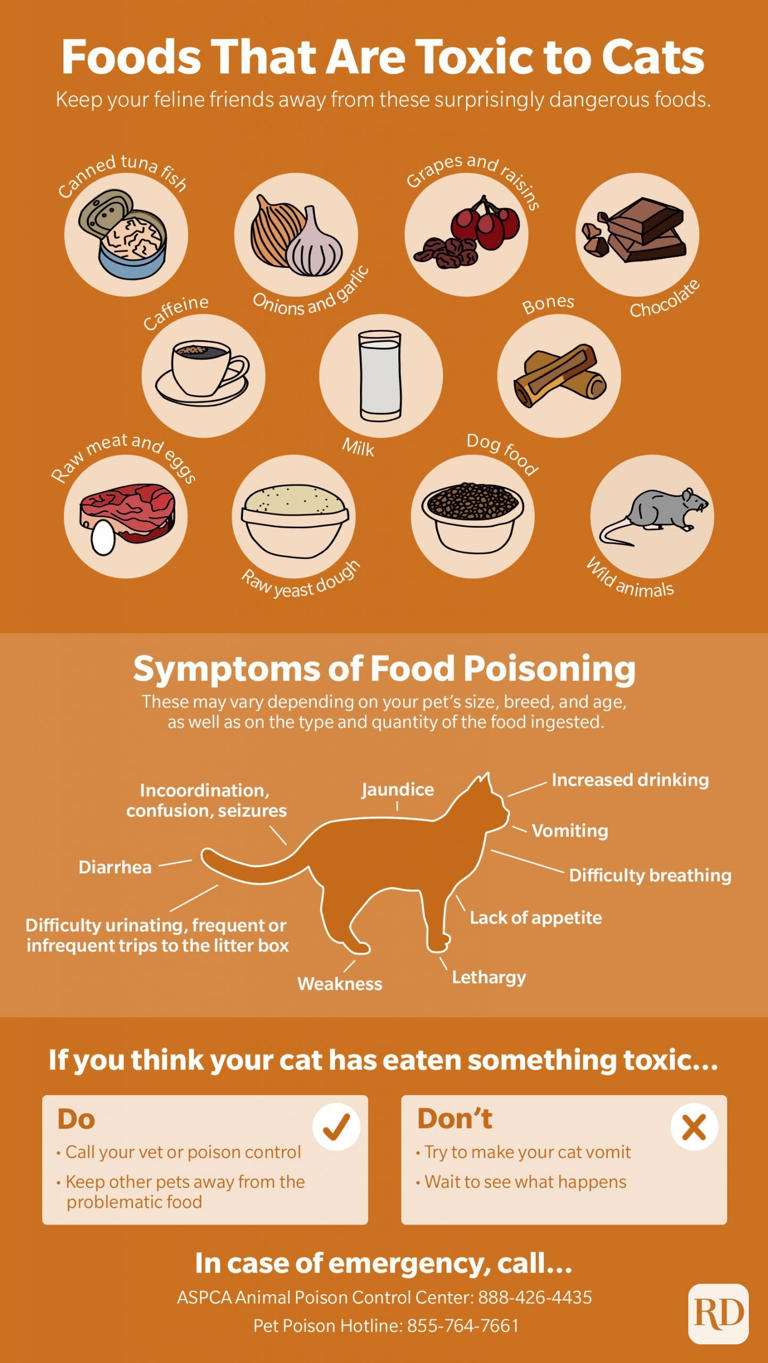
As a devoted cat owner, you want to ensure your furry friend stays healthy and happy. But with so much information out there, it’s easy to feel overwhelmed.
You might have heard about nutritional yeast and its benefits for humans, but is it safe for your cat? This question is crucial for anyone who wants to provide the best care for their feline companion. Imagine the peace of mind knowing exactly what's good and what’s harmful to your pet.
You'll discover the truth about nutritional yeast and whether it poses any risks to your cat. By the end, you'll feel confident in making informed decisions about your cat's diet. Stay with us as we unravel this essential topic; your cat’s well-being depends on it.
Nutritional Yeast Basics
Nutritional yeast has gained popularity not just among health enthusiasts but also among pet owners curious about its benefits for their feline friends. While it’s a staple in many vegan diets, it's important to understand its basics before considering it for your cat. Let's dive into what nutritional yeast is and how it's commonly used in human diets.
What Is Nutritional Yeast
Nutritional yeast is a deactivated form of yeast, often sold as flakes or powder. It's known for its cheesy, nutty flavor, making it a popular seasoning in plant-based cuisines. Unlike regular baking yeast, nutritional yeast doesn’t cause dough to rise, and it’s packed with nutrients, including B vitamins, protein, and minerals.
This product is often fortified, which means additional nutrients are added to boost its health benefits. However, always check labels to know exactly what you're getting. Have you ever wondered why it's called "nutritional"? It’s because of its dense nutrient profile.
Common Uses In Human Diet
Nutritional yeast is a versatile ingredient in the kitchen. Many people sprinkle it on popcorn, pasta, or salads for an extra flavor punch. It’s also used in vegan recipes to mimic the taste of cheese, like in sauces and dressings.
People love it because it's not just tasty but also a great source of plant-based protein. It’s especially popular among vegans and vegetarians who seek alternative sources of nutrition. Have you tried it as a savory topping yet?
Considering its popularity, it’s no surprise that some cat owners wonder if it’s safe for their pets. But before sharing this human treat with your furry friend, it’s essential to weigh the pros and cons carefully.

Credit: cattime.com
Cats And Their Dietary Needs
Nutritional yeast, often used by humans for its cheesy flavor, is generally safe for cats in small amounts. It offers B vitamins but should not replace a balanced diet. Large quantities might upset a cat's stomach, so moderation is key.
Cats are fascinating creatures with unique dietary needs. As obligate carnivores, their bodies are designed to thrive on a diet primarily composed of meat. This means that cats require specific nutrients to maintain their health and vitality. But have you ever wondered what makes up the perfect feline diet?
Essential Nutrients For Cats
Cats need a variety of essential nutrients to support their overall health. Proteins are crucial as they provide amino acids necessary for tissue repair and growth. Taurine is another vital nutrient that supports vision, heart function, and reproduction. Fats are also important for energy and maintaining healthy skin and coat. Omega-3 and Omega-6 fatty acids play a role in reducing inflammation and promoting brain health. Additionally, vitamins like A, D, E, and K are necessary for various bodily functions, while minerals such as calcium, phosphorus, and magnesium support bone health and enzymatic reactions.
Common Cat Food Ingredients
When choosing cat food, you'll find several common ingredients that cater to their dietary needs. Meat, often the primary ingredient, provides the protein and taurine essential for their health. Chicken, beef, and fish are popular choices. Grains like rice and corn can be found in cat food, offering carbohydrates. However, some cats might have sensitivities to grains, so you should monitor your cat's reactions. Vegetables such as carrots or peas might be included for added vitamins and fiber. It's important to ensure these are present in small amounts, as cats don't require a lot of plant matter. Have you ever considered the impact of these ingredients on your cat's health? Ensuring a balanced diet can make a significant difference in their well-being.
Claims Of Toxicity
Nutritional yeast is a popular supplement for humans. Some pet owners also consider it for their cats. Concerns have arisen about its safety, sparking debates online. Understanding these claims is crucial for cat owners. Is nutritional yeast truly harmful to cats?
Origin Of The Toxicity Myth
The myth about nutritional yeast being toxic to cats originated from misinformation. Pet forums and social media platforms spread these rumors rapidly. Some people confused nutritional yeast with brewer's yeast, which can be harmful. Brewer's yeast contains active ingredients not suitable for cats. This confusion fueled the myth further. Misunderstandings about yeast types led to unwarranted fears.
Misinterpretations And Misinformation
Misinterpretations about nutritional yeast often involve its components. Some claim it contains harmful substances for cats. This is not true for nutritional yeast. It is inactive and does not grow in a cat's body. Many people wrongly compare it to yeast infections. These infections are unrelated to nutritional yeast. Misleading articles and posts spread fear without scientific backing.
Veterinary experts clarify that nutritional yeast is generally safe. Some believe it can benefit a cat's health. Always consult a vet before adding any supplement to a pet's diet. Proper guidance ensures your cat remains healthy and happy.

Credit: www.reddit.com
Scientific Perspective
When it comes to understanding the effects of nutritional yeast on cats, a scientific perspective can provide valuable insights. You might have heard various opinions about this supplement, but what does science actually say? Let's delve into the research and expert opinions to uncover the truth about nutritional yeast and its impact on your feline friends.
Studies On Nutritional Yeast And Cats
Scientific studies on nutritional yeast specifically involving cats are relatively sparse. Many pet owners wonder if this popular supplement is safe for their furry companions. Research has primarily focused on its benefits in human nutrition, highlighting its richness in B vitamins and essential amino acids. However, the direct effects on cats are still under investigation.
Interestingly, some anecdotal evidence suggests that nutritional yeast may support cats with specific health issues, such as skin conditions or digestive problems. Yet, the lack of rigorous studies means we need to be cautious about drawing firm conclusions.
Expert Opinions
Veterinary nutritionists often weigh in on the safety of nutritional yeast for cats. While some experts believe it can be a beneficial supplement, others urge caution. The main concern revolves around the presence of purines in yeast, which could potentially impact cats prone to kidney issues.
Experts recommend consulting with a veterinarian before adding nutritional yeast to your cat's diet. This ensures you can address any underlying health concerns and determine the appropriate dosage. Have you asked your vet about nutritional yeast?
By seeking professional advice, you can make informed decisions about your cat's nutrition. Remember, each cat is unique, and what works for one may not be suitable for another.
Potential Benefits For Cats
Nutritional yeast offers vitamins that can boost cat health. It contains B vitamins and protein, aiding energy and coat quality. Though generally safe, moderation is key to avoid digestive issues.
Cats are curious creatures with unique dietary needs, and as a cat owner, you're always on the lookout for ways to enhance their health. Nutritional yeast, a popular supplement for humans, is gaining attention for its potential benefits for cats. While there is some debate about its safety, understanding the possible advantages it offers can help you make an informed decision.
Nutritional Advantages
Nutritional yeast is packed with essential vitamins and minerals that can be beneficial for your cat. It contains a rich supply of B-vitamins, which are crucial for energy production and maintaining a healthy coat. Additionally, it offers a natural source of protein, which supports muscle growth and repair. This supplement also contains trace minerals like selenium and zinc. These minerals play a vital role in boosting your cat's immune system. You might notice a shinier coat and more vitality in your cat after adding nutritional yeast to their diet.
Possible Health Improvements
Adding nutritional yeast to your cat's diet might lead to noticeable health improvements. Some cat owners have observed better digestion in their pets after introducing this supplement. This is likely due to the yeast's probiotic properties, which promote a healthy gut flora. Moreover, some cats with mild allergies or sensitivities have shown reduced symptoms. The immune-boosting components in nutritional yeast may help manage these conditions. However, it's crucial to monitor your cat for any adverse reactions. Have you ever wondered if your cat could benefit from a little nutritional boost? Nutritional yeast might just be the secret ingredient. Always consult with your vet before making dietary changes to ensure your cat's health and safety.
Risks And Precautions
When considering adding nutritional yeast to your cat's diet, it's crucial to understand the potential risks and precautions. Though popular among pet owners for its potential health benefits, nutritional yeast can pose certain risks if not administered properly. As a responsible pet owner, being aware of these risks and knowing how to prevent them is essential for your furry friend's well-being.
Possible Side Effects
Nutritional yeast can sometimes lead to digestive issues in cats, such as upset stomach or diarrhea. Some cats might also experience allergic reactions, which can manifest as itching or skin irritation. If your cat shows any adverse reactions, it's important to discontinue use and consult a vet.
Another concern is the high phosphorus content in nutritional yeast, which might not be suitable for cats with kidney issues. Always check with your veterinarian before introducing anything new into your cat’s diet, especially if they have existing health conditions.
Recommended Dosage
How much nutritional yeast is safe for cats? Moderation is key. A pinch or a teaspoon added to food a few times a week is generally considered safe for most cats. This small amount can provide the benefits without overwhelming their system.
Overfeeding can lead to nutritional imbalances, so sticking to the recommended dosage is crucial. It’s always better to start with a smaller amount and observe how your cat reacts. Adjust the dosage based on your cat’s size and health needs, consulting your vet if unsure.
By understanding these risks and precautions, you can make informed decisions about incorporating nutritional yeast into your cat's diet safely. Would you want your cat to suffer from a simple oversight? Stay informed and keep your beloved pet healthy and happy.
Myth Vs. Reality
Nutritional yeast is often debated regarding its safety for cats. Some cat owners worry it might be toxic. Others believe it's a healthy supplement. Let's dive into the myth versus reality.
Dispelling Common Myths
Many myths circulate about nutritional yeast and cats. Some say it causes digestive issues. Others claim it leads to allergies. These myths can cause unnecessary worry. It's essential to separate fact from fiction. Nutritional yeast is not inherently harmful. In small amounts, it can even be beneficial.
Evidence-based Conclusions
Research supports the safety of nutritional yeast for cats. Studies show it provides B vitamins. These vitamins are essential for feline health. It also contains amino acids. These support a cat's overall well-being. Always consult a vet before introducing new supplements. Proper guidance ensures your cat's safety and health.
Credit: www.pethonesty.com
Frequently Asked Questions
Is Nutritional Yeast Safe For Cats?
Nutritional yeast is generally safe for cats in small amounts. It can offer B-vitamins and protein. Always consult your vet before introducing it to your cat’s diet. Excessive amounts may cause digestive issues. Ensure it's free from additives and seasonings.
Why Do Cats Love Nutritional Yeast?
Cats love nutritional yeast for its savory, cheesy flavor. It contains B vitamins, enhancing their overall health. The texture is appealing, making it a tasty treat. Nutritional yeast is also a protein source, supporting muscle development. This tasty supplement can enrich a cat’s diet, making it more enjoyable.
How Much Yeast Is Toxic To Cats?
As little as one teaspoon of yeast can be toxic to cats. Yeast can cause alcohol poisoning and bloating. Keep yeast-containing foods away from cats to prevent health issues. Always consult a veterinarian if ingestion occurs.
Is Nutritional Yeast Bad For Animals?
Nutritional yeast is generally safe for animals in small amounts. It provides vitamins and protein. Always consult a veterinarian before adding it to your pet's diet. Some animals may have allergies or sensitivities. Avoid excessive amounts to prevent digestive issues.
Conclusion
Nutritional yeast can be safe for cats in small amounts. It's rich in vitamins and protein. But moderation is key. Too much can cause digestive issues. Always consult your vet before adding new foods. Cats have different needs than humans.
Their health is top priority. Watch for any allergic reactions. Start with tiny portions to test tolerance. Keep your cat's diet balanced. A healthy cat is a happy cat. Regular check-ups ensure they're getting proper nutrition. Stay informed about what your cat eats.
Make choices that benefit their health and happiness.
