
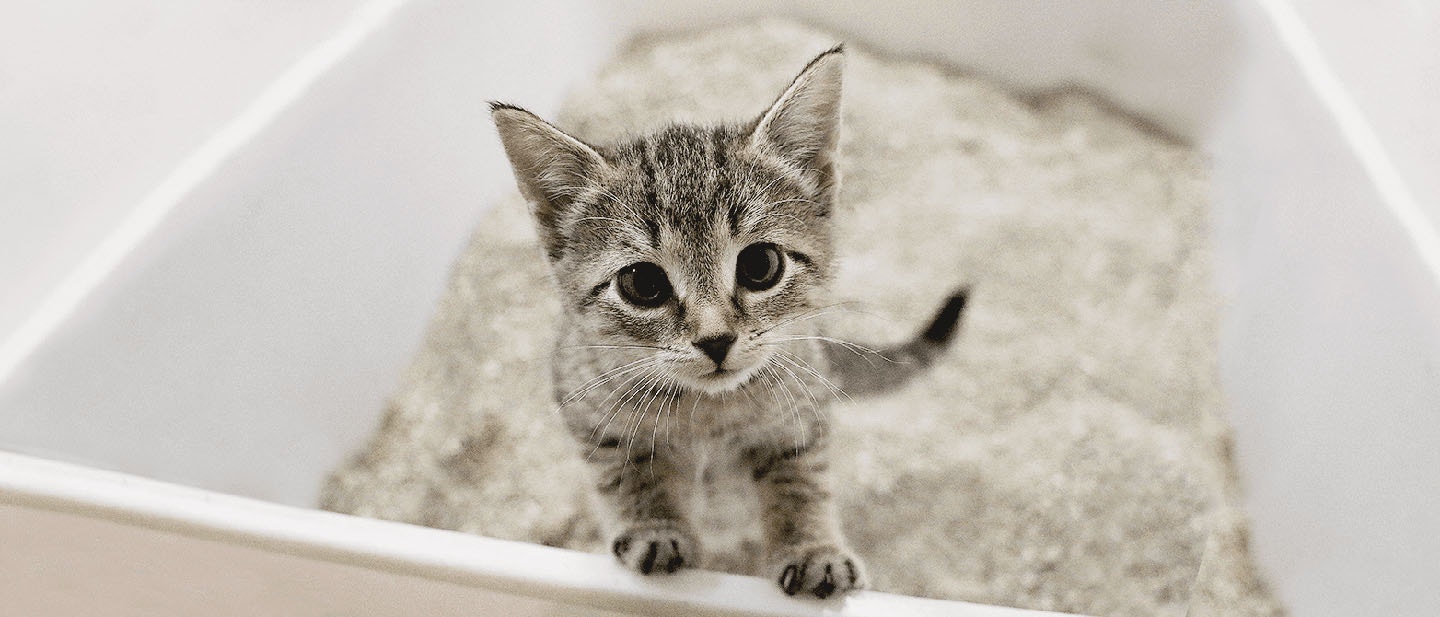
Imagine coming home to find a clean and odor-free space, all thanks to your cat's perfect potty habits. Training your feline friend to use a litter box can transform your home and improve your relationship with your pet.
You might think it's a daunting task, but it's not as challenging as it seems. With the right techniques, patience, and understanding, you can teach your cat to use the litter box like a pro. You deserve a harmonious home, and your cat deserves a comfortable place to do their business.
Stick around to discover simple, effective tips that cater to your cat's instincts and make your life easier.

Credit: www.instagram.com
Choosing The Right Litter Box
Training your cat to use a litter box begins with choosing the right one. This seemingly simple task can dramatically impact your cat’s comfort and health. A well-selected litter box can prevent accidents and make your home cleaner. Let's dive into the considerations that make a litter box perfect for your feline friend.
Size And Type Considerations
The size of the litter box is crucial. A small box might be easier to hide but can be uncomfortable for your cat. Think about how your cat moves; a larger box gives them room to turn around comfortably.
Consider the type of box as well. Covered boxes offer privacy but may trap odors. Open boxes provide easy access but might not appeal to cats who prefer solitude. It’s all about finding a balance that suits your cat’s personality.
Location Selection
Where you place the litter box can make or break your cat’s training. Cats need a quiet, low-traffic area to feel at ease while doing their business. Avoid placing it near loud appliances or in busy hallways.
Have you considered putting the litter box in a bathroom or laundry room? These locations can be perfect due to their lower foot traffic. Ensure it's easily accessible, and your cat will be more inclined to use it consistently.

Credit: petite-store.com
Selecting The Ideal Cat Litter
Choosing the right cat litter is crucial to ensure your feline friend embraces their litter box habit. A good litter not only encourages your cat to use the box but also makes cleaning less of a chore for you. With numerous options available, how do you decide which litter suits your cat best?
Clumping Vs. Non-clumping
Clumping litter is popular for its convenience. It forms solid clumps when wet, allowing you to scoop out waste easily. This keeps the box cleaner longer and reduces odors.
Non-clumping litter, on the other hand, absorbs moisture but doesn't form clumps. You’ll need to change it more frequently, but some cats prefer its texture. Consider your cleaning routine and your cat’s preference when choosing.
Scented Vs. Unscented
Scented litter can mask unpleasant odors, but not all cats appreciate the smell. Some might even avoid the litter box if the scent is overpowering. If your cat is sensitive to smells, unscented litter might be a better choice.
Unscented litter offers a more natural experience for your cat. While it might require more frequent cleaning to control odors, it’s less likely to deter your cat from using the box. Test different options to see what your cat is comfortable with.
Introducing The Litter Box
Training a cat to use a litter box involves patience and consistency. Place the box in a quiet area and introduce your cat to it. Reward good behavior with praise or treats to encourage regular use.
Introducing the litter box to your cat is a crucial step in ensuring they feel comfortable and confident in their new bathroom space. It's not just about placing a box in a corner and hoping for the best. The right approach can make all the difference in creating a smooth transition for your furry friend.
Familiarization Techniques
Start by placing the litter box in a quiet, accessible area where your cat spends a lot of time. It's essential to keep it away from their food and water dishes. Cats are clean animals and prefer their living spaces to be organized. Let your cat explore the litter box on their terms. Allow them to sniff around and investigate without any pressure. If your cat seems hesitant, try placing a few of their favorite toys or a familiar blanket nearby to create a positive association.
Gradual Introduction
Gradually introduce your cat to the litter box by gently placing them inside it a few times a day. Don't force them to stay if they seem uncomfortable. The goal is to make them aware of its presence and function. Consider using a little bit of unscented litter to avoid overwhelming your cat with strong smells. Observe their reaction and adjust based on their comfort levels. Finally, patience is key. Every cat is different, and some may take longer to adjust than others. Have you ever noticed how much more relaxed your cat is when they can explore new things at their own pace? This principle applies here as well.

Credit: www.melbournecatvets.com.au
Training Techniques
Guide your cat gently to the litter box. Place them there after meals and naps. Praise their success to reinforce good habits.
Training your cat to use a litter box is not only essential for a clean home but also beneficial for your cat’s health and well-being. The right training techniques make this process smoother and more effective. Whether you’re a first-time cat parent or looking to refine your existing methods, adopting proven strategies can lead to success. Let’s dive into specific techniques that can transform your cat’s bathroom habits.
Positive Reinforcement
Cats, like humans, respond well to positive reinforcement. Reward your cat each time they use the litter box correctly. Treats, affection, or even a few minutes of play can reinforce this positive behavior. Create a connection between the litter box and good things. This encourages your cat to repeat the action. Have you ever noticed how quickly they learn to come running when they hear the treat bag? The same principle applies here. Avoid punishing your cat for accidents. Instead, focus on rewarding the right behavior. This approach builds trust and encourages your cat to learn at their own pace.
Consistency And Routine
Establishing a consistent routine helps your cat understand what is expected. Place the litter box in a quiet, accessible location and keep it there. Moving it around can confuse your cat. Stick to a regular cleaning schedule. A clean litter box is more inviting and encourages use. Imagine walking into a dirty bathroom; your cat feels the same way. Consider feeding times and bathroom habits. Cats often need to go shortly after eating. Keeping meals at consistent times can help establish a routine for bathroom breaks as well. Training a cat to use a litter box takes patience and understanding. By focusing on positive reinforcement and maintaining consistency, you’ll find that your cat quickly adapts to their new habit. What creative ways have you found to train your cat, and how have they responded?
Monitoring And Adjusting
Keep an eye on your cat's litter box habits. Adjust the box location or litter type if issues arise.
Training a cat to use a litter box is often a straightforward task, but it doesn't end once your feline friend starts using it. Monitoring and adjusting play crucial roles in ensuring consistent usage and addressing any issues that may arise. Keeping a close eye on your cat's litter box habits can help you spot problems early and make necessary adjustments to maintain hygiene and comfort.
Tracking Usage
Observe your cat's litter box habits daily. Is your cat using it regularly? Are there signs of avoidance or reluctance? Take note of any changes in frequency or patterns.
Consider keeping a simple log. Record times when your cat uses the litter box and how often you need to clean it. This can help you identify any irregularities and gauge whether adjustments are needed.
Ask yourself: Is the litter box location accessible and private? Cats often prefer quiet spots away from bustling household activity. Repositioning the box might improve usage.
Addressing Issues
If your cat isn't using the litter box, investigate possible causes. Could it be the type of litter? Some cats are picky about texture or scent. Experiment with different options to find one your cat likes.
Think about the cleanliness of the litter box. Cats are fastidious creatures; a dirty box could deter them. Ensure the box is cleaned daily and change the litter frequently.
Consider the size and accessibility of the box. Is it too small for your cat to maneuver comfortably? A larger box might make it easier for your cat to use.
Finally, if issues persist, consult your veterinarian. They can rule out any medical concerns and provide further advice tailored to your cat's needs.
Common Mistakes To Avoid
Training a cat to use a litter box can be challenging. Mistakes can hinder progress and stress your pet. Knowing common pitfalls helps you avoid them. Here are some errors to watch out for.
Overwhelming Changes
Too many changes at once confuse your cat. Stick to one change at a time. This helps your cat adjust better. A sudden shift can make them anxious. Keep the environment familiar. Cats thrive with routine and consistency.
Ignoring Preferences
Cats have unique preferences for litter type and box placement. Pay attention to what they like. Observe their reactions to different litter types. Experiment with box locations. Choose a spot with privacy and quiet. Your cat will feel more comfortable using the box.
Maintaining Cleanliness
Training a cat to use a litter box involves patience and consistency. Place the litter box in a quiet area, then guide your cat to it after meals. Praise your cat when it uses the box correctly, reinforcing good habits with gentle encouragement.
Maintaining a clean litter box is crucial for successful cat training. Cats are naturally clean animals and will appreciate a tidy space for their needs. Keeping the litter box clean not only encourages consistent use but also ensures a pleasant environment for both you and your feline friend.
Regular Cleaning Schedule
A consistent cleaning routine is key to keeping your cat's litter box fresh. Scoop out waste daily to prevent unpleasant odors and to keep your cat coming back. Replace the litter completely once a week to ensure a clean slate. Think about how you would feel using a dirty restroom. Your cat feels similarly about a dirty litter box. Regular cleaning shows your cat that you respect their space.
Deep Cleaning Tips
Deep cleaning is essential for a truly clean litter box. Once a month, empty the litter box completely and wash it with mild soap and warm water. Avoid harsh chemicals that might irritate your cat’s sensitive nose. Rinse thoroughly to remove any soap residue, then dry it completely before adding new litter. A sprinkle of baking soda at the bottom can help control odors. Have you ever noticed your cat refusing to use a freshly cleaned box? It might be the lingering scent of cleaning products. Choose unscented options to keep your cat happy and your home smelling fresh. Maintaining cleanliness is more than just a chore—it's a vital part of your cat's well-being. Wouldn't you want the best for your furry companion?
Frequently Asked Questions
How Long Does It Take To Train A Cat To Use The Litter Box?
Training a cat to use the litter box typically takes 1 to 2 weeks. Start early and maintain consistency. Ensure the litter box is clean and accessible. Most cats adapt quickly with positive reinforcement and patience.
What Draws A Cat To A Litter Box?
Cats are drawn to litter boxes by their instinct to bury waste. Cleanliness and a familiar scent attract them. The texture of the litter also appeals to their natural digging behavior, making the litter box an ideal spot for them to relieve themselves.
How Do I Get My Cat To Use Its Litter Box?
Place the litter box in a quiet, accessible area. Keep it clean and odor-free. Introduce your cat by placing them gently inside. Reward them with treats for using it. Use unscented litter to avoid deterring them. Consistency is key to encourage regular use.
What Is The Fastest Way To Litter Train A Kitten?
Place the litter box in a quiet, accessible area. Use unscented litter and show your kitten the box. Encourage use after meals and playtime. Clean the box daily to maintain cleanliness. Reward your kitten with praise or treats when they use the litter box correctly.
Conclusion
Training a cat to use a litter box is possible. Patience is key. Start with a clean, accessible box. Place your cat inside gently. Praise them when they use it. Keep the box clean and odor-free. Consistency helps in building habits.
Avoid sudden changes in box location. Cats like routine and familiarity. Ensure a comfortable environment for your cat. Watch for signs of discomfort or stress. Address any issues promptly. With time, your cat will learn. Celebrate small successes. Happy cats, happy home.