
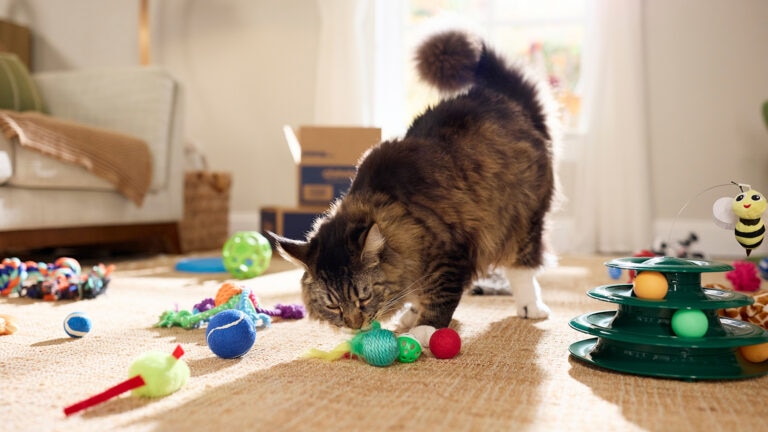
Imagine the joy of watching your cat fetch a toy with the same enthusiasm as a playful puppy. It might sound like a dream, but it can become your reality.
Training your cat to fetch is not only possible, but it can be a fun and rewarding experience for both you and your feline friend. You might wonder, "Can my cat really learn to fetch? " Absolutely! With patience, the right techniques, and a sprinkle of creativity, you can turn this quirky trick into an exciting bonding activity.
Dive into this guide and discover how you can transform playtime into an engaging learning adventure for your cat. Your furry companion is more capable than you might think, and you'll soon see them surprise you with what they can learn. Let’s get started!
Choosing The Right Toy
Selecting the perfect toy can help train your cat to fetch effectively. Lightweight toys that mimic prey can spark your cat's interest. Gradually, your cat learns to return the toy for another throw.
Choosing the perfect toy is crucial for teaching your cat to fetch. The right toy can make a huge difference in your cat's interest and engagement. Cats love to chase and catch things that mimic prey. A well-chosen toy can encourage your cat to play and learn to fetch with enthusiasm.
Lightweight Toys
Cats prefer toys they can easily carry. Choose lightweight toys. They should be easy for your cat to pick up. Small balls or soft toys are ideal. Ensure they are safe and made of non-toxic materials.
Bright Colors
Bright colors attract a cat's attention. Use toys in vivid shades. Red, yellow, or blue work well. They help the toy stand out on any surface.
Noisy Toys
Toys that make sounds can be intriguing. Consider toys that rattle or jingle. These noises can stimulate a cat’s natural hunting instinct. It keeps them engaged and curious.
Interactive Features
Interactive toys can enhance the training experience. Some toys have feathers or bells. These features make them more appealing. They can capture a cat's focus during fetch games.
Durability
Durability is key for cat toys. Choose toys that can withstand rough play. Look for ones made with sturdy materials. This ensures they last longer during training sessions.
Creating A Safe Environment
Creating a safe space is key when teaching your cat to fetch. Ensure the area is free from hazards and distractions. This helps your cat focus and enjoy the learning process, making training effective and fun.
Creating a safe environment is crucial for training your cat to fetch. Cats need a secure space where they can focus and play without distractions. A peaceful setting encourages your feline friend to engage and learn effectively.
Limit Distractions
Keep the area free of loud noises. Remove items that might disturb your cat. A quiet space helps your cat concentrate on the activity.
Choose Suitable Toys
Select toys that are safe and easy to carry. Avoid small objects that can be swallowed. Soft toys are ideal for fetching games.
Ensure Safety
Check for hazards in the play area. Remove sharp objects that might cause injury. Ensure windows and doors are secure to prevent escapes.
Comfortable Flooring
Provide a soft surface for your cat to play on. Hardwood floors can be slippery. Carpet or rugs offer better grip and comfort.
Use Positive Reinforcement
Praise your cat for good behavior. Offer treats to encourage fetching. Positive feedback boosts your cat’s confidence and willingness to learn.
Establishing A Routine
Establishing a routine helps your cat learn to fetch. Begin with short sessions to maintain interest. Use treats as rewards to encourage your cat.
Establishing a routine is crucial in teaching your cat to fetch. Cats thrive on consistency and predictable patterns, just like humans. A structured routine helps your cat feel secure and focused during training sessions. Begin by choosing a quiet, comfortable space for training. Make sure there are minimal distractions. This allows your cat to concentrate on the task.
Setting A Consistent Schedule
Train your cat at the same time daily. Pick a time when your cat is naturally active. Morning or late afternoon is usually best. Consistency builds anticipation and excitement. Your cat will look forward to these sessions. Select a toy that your cat loves. It should be easy to carry. Avoid heavy toys. Lightweight toys are easier for cats to fetch. Experiment with different textures and shapes. Find what excites your cat the most.
Creating A Positive Environment
Ensure the training area is comfortable. It should be free from loud noises. Play soft music if needed. Make sure your cat feels relaxed and happy. A stressed cat won't be interested in fetching.
Using Reward-based Techniques
Offer treats as rewards. Positive reinforcement encourages fetching behavior. Use small, tasty snacks your cat enjoys. Praise your cat verbally. A happy tone works wonders.
Keeping Sessions Short
Limit training to 10 minutes. Short sessions prevent boredom. Cats have short attention spans. Frequent breaks help maintain interest. End sessions on a positive note.

Credit: www.youtube.com
Introducing The Toy To Your Cat
Introduce a fetching toy to your cat by gently tossing it short distances. Encourage your cat with positive reinforcement and treats. Gradually increase the distance as your cat becomes more comfortable.
Introducing the Toy to Your Cat Training your cat to fetch begins with the simple yet crucial step of introducing a toy. This is where the adventure starts, and getting it right can make all the difference. Imagine the excitement when your cat sees a new toy—will they bat it away or engage with curiosity? The toy you choose matters. Opt for something that is lightweight and easy for your cat to carry. Many cats love small balls or plush toys that mimic prey. Experiment with different textures and colors to see what your cat prefers.
Creating A Positive Association
Make the toy enticing by associating it with positive experiences. You might sprinkle it with a bit of catnip or pair it with treats. The key is to make your cat see the toy as something enjoyable. Think of it as building a friendship between your cat and the toy.
Engaging Your Cat's Interest
Wave the toy around or toss it gently to capture your cat's attention. Watch their reaction closely—are they intrigued or indifferent? If they seem uninterested, try moving the toy in a way that mimics the movement of prey. Sometimes, a little motion is all it takes to ignite their hunting instincts.
Timing Your Interactions
Choose a time when your cat is most active. This might be in the evening or early morning, depending on their usual routine. Avoid trying to engage them when they are sleepy or distracted. Timing can greatly affect their willingness to participate.
Observing Your Cat's Behavior
Pay attention to how your cat interacts with the toy. Do they swat it, pounce, or carry it in their mouth? Each behavior provides clues about what they find engaging. Use these observations to tailor your approach, ensuring a fun and rewarding experience for both you and your feline friend. By following these steps, you'll create a playful environment that encourages your cat to fetch. What will your cat's favorite toy be?
Teaching Basic Commands
Training a cat to fetch begins with using their favorite toy. Toss the toy and encourage them to retrieve it. Reward with treats to reinforce fetching behavior.
Teaching your cat to fetch can be a rewarding experience. It strengthens your bond and stimulates your cat's mind. The journey begins with teaching basic commands. This foundation helps your cat understand what you want. Start with simple commands that are easy to remember. Consistent practice will yield the best results.
Using Verbal Cues
Start with a single word like "fetch" or "bring." Say it clearly every time you want your cat to fetch. Use a happy tone to encourage your cat. Repeat the word until your cat begins to recognize it. Consistency is key. Keep sessions short to maintain your cat's interest. Always reward your cat with a treat or praise.
Incorporating Hand Signals
Hand signals can reinforce verbal cues. Use a specific gesture every time you say the command. For example, point to the toy when saying "fetch." Cats are visual learners. They can easily pick up on hand movements. Pair the signal with the command consistently. Over time, your cat will associate the gesture with the action. Reward your cat when they respond correctly to the signal.
Encouraging Playful Interaction
Training a cat to fetch can be a fun experience. Begin by using a small toy your cat likes. Gradually, encourage your cat to retrieve it with treats and praise.
Encouraging your cat to engage in playful interaction is a rewarding way to bond and teach new skills like fetching. Cats, known for their independent nature, can also enjoy interactive activities with a little encouragement. By tapping into your cat's natural curiosity and playfulness, you can make learning to fetch an enjoyable experience for both of you.
Introduce The Right Toy
Choosing the right toy is crucial for training your cat to fetch. Opt for lightweight toys that are easy for your cat to carry, like small balls or soft plushies. Observe your cat's preferences and introduce toys that catch their interest.
Create A Positive Environment
Ensure the play area is free of distractions to help your cat focus. A quiet room with minimal interruptions encourages better interaction. Encourage your cat with gentle praises and treats to keep the mood positive and engaging.
Use Treats As Motivation
Incorporating treats can significantly enhance your training sessions. Use small, tasty treats as a reward each time your cat shows interest or retrieves the toy. This positive reinforcement helps your cat associate fetching with rewards.
Be Patient And Consistent
Training a cat requires patience and consistency. Practice regularly but keep sessions short to maintain your cat's interest. Consistent effort and a gentle approach can lead to successful fetching sessions over time.
Engage With Enthusiasm
Show excitement and enthusiasm during playtime. Your energy can be contagious, encouraging your cat to participate actively. Celebrate small victories to keep the process fun and rewarding for your feline friend. Training your cat to fetch is not just about the end result—it's about enjoying the journey together. What creative ways can you think of to keep your cat engaged and entertained during playtime?
Rewarding Positive Behavior
Training a cat to fetch involves rewarding positive behavior with treats and praise. Encourage your cat by tossing toys gently and rewarding retrieval with treats. Gradually increase the distance for more fun and exercise.
Training a cat to fetch can be a fun and rewarding experience. Cats respond well to positive reinforcement. Rewarding positive behavior encourages them to repeat actions that earn praise. This method helps cats learn new tricks, including fetching. It strengthens the bond between you and your feline friend.
Choosing The Right Treats
Select treats that your cat loves. They should be small and easy to eat quickly. Try different treats to find your cat's favorite. Some cats prefer crunchy snacks. Others might enjoy soft bites. Use treats that are healthy and safe for cats.
Timing The Reward
Offer a treat immediately after the desired behavior. Timing is crucial in reinforcing the action. If the reward is delayed, the cat may not connect it to the behavior. Be consistent with your timing. Praise your cat verbally along with the treat. This reinforces the positive action even more.
:strip_icc()/spruce-pets-cat-sedative-travel-9be74a8034364749a2cb205881b103ac.png)
Credit: www.thesprucepets.com
Practicing Consistently
Training a cat to fetch can be both fun and rewarding. However, like any skill, consistency is key to success. Practicing consistently ensures that your feline friend understands and enjoys the activity, turning it into a bonding experience for both of you.
Short Training Sessions
Cats have short attention spans, so it's important to keep training sessions brief. Aim for 5-10 minutes per session to maintain your cat's interest. This approach prevents them from becoming bored or frustrated.
During these short sessions, focus on one specific aspect of fetching, like chasing or returning the item. Use treats or toys as positive reinforcement to keep your cat motivated. Always end on a positive note, even if your cat hasn't mastered the skill yet.
Daily Practice
Consistency is crucial, and daily practice helps reinforce the behavior. Set aside time each day to work on fetching with your cat. This regular routine helps them understand that fetching is a part of their daily activities.
Consider integrating practice into playtime to make it more enjoyable. For example, my cat, Luna, loved chasing paper balls. Turning this playtime into a daily fetching exercise made training seamless and fun for both of us.
Have you ever noticed how your cat learns certain routines, like meal times? Fetching can become one of those routines with daily practice. The key is to be patient and persistent, celebrating small victories along the way.
Handling Setbacks
Training a cat to fetch is a rewarding but sometimes challenging endeavor. Cats are known for their independence, and this can lead to setbacks during training. However, facing these obstacles head-on and learning how to handle them effectively can make the process smoother and more enjoyable for both you and your feline friend.
Maintaining Patience
Patience is crucial when teaching your cat new tricks. Cats may not immediately understand what you want them to do. They might show interest one day and completely ignore the toy the next. This is perfectly normal behavior.
Think about how long it took your cat to get comfortable with using a litter box or interacting with other pets. Cats learn at their own pace. Celebrate small wins, like when your cat shows interest in the toy or follows it with their eyes.
Are you getting frustrated? It's important to take a break. Cats are sensitive to your emotions and may become anxious if they sense your frustration. Try again later when you're calm and your cat is more receptive.
Adjusting Techniques
Every cat is unique, and what works for one might not work for another. If your current technique isn't producing results, it may be time to adjust your approach. Experiment with different toys or rewards to see what excites your cat the most.
Perhaps your cat prefers a softer toy over a harder one, or maybe a treat instead of praise. Observe your cat's reactions and tailor your methods accordingly. Sometimes, changing the training environment can also make a difference.
Consider training in a quieter room or using a different voice tone. You might be surprised at how these small changes can impact your cat's willingness to fetch. Are you ready to be flexible and find what truly motivates your cat?

Credit: pethelpful.com
Celebrating Success
Training a cat to fetch can be a delightful experience. Use treats to encourage your cat to chase and retrieve toys. Celebrate each small achievement to motivate your feline friend further.
Celebrating the small victories is essential when training your cat to fetch. These moments of success not only boost your cat’s confidence but also strengthen the bond between you and your feline friend. Recognizing these achievements encourages consistency and enjoyment in the training process for both of you.
Recognize And Reward
Your cat's first successful fetch is a milestone worth celebrating. Offer a tasty treat or extra playtime as a reward. This positive reinforcement makes your cat more likely to repeat the behavior.
Share The Joy
Capture your cat's fetching prowess on video and share it with friends and family. Not only does this document your cat's progress, but it also inspires others to start their own training journey. Plus, who doesn't love a cute cat video?
Reflect On Progress
Take a moment to reflect on how far your cat has come. From initial hesitance to confidently fetching, each step is a testament to your patience and your cat's learning ability. What was a challenge at first has now become a fun activity for both of you.
Set New Goals
Once your cat has mastered fetching, consider introducing new challenges. Could your cat fetch a different object or navigate a small obstacle course? Setting new goals keeps the training engaging and mentally stimulating for your cat.
Celebrate Together
Celebration is not just about rewards. Spend quality time with your cat, playing or simply being together. This reinforces your bond and makes the training experience a positive one for both of you. Training your cat to fetch isn't just about the end result; it's about the journey and the moments you share. How will you celebrate your cat’s next success?
Frequently Asked Questions
Can A Cat Be Taught To Fetch?
Cats can learn to fetch with patience and training. Use toys they love and encourage them to return items. Start with short distances, rewarding them with treats or praise. Every cat is different, so consistency is key. Make the process fun and engaging to increase success.
What Breed Of Cat Likes To Play Fetch?
The Abyssinian cat breed often enjoys playing fetch. These cats are active, intelligent, and love interactive games. They have a playful nature, making them great companions for fetch games. Engage them with toys to keep them entertained. This breed's energy and curiosity make them unique and fun-loving pets.
How Rare Is It For Cats To Play Fetch?
Cats playing fetch is uncommon but not extremely rare. Some breeds, like Siamese and Abyssinians, enjoy fetch. Individual cat personalities also play a role. Training and positive reinforcement can encourage this behavior. While not as common as in dogs, many cats can learn and enjoy playing fetch.
Why Doesn't My Cat Play Fetch?
Cats often prefer independent play over fetch. Their hunting instincts focus on stalking and pouncing. Fetch is less appealing due to their natural behaviors. Encourage play by using toys that mimic prey movements. Understanding your cat's preferences helps in choosing suitable play activities.
Conclusion
Training a cat to fetch is fun and rewarding. Patience is key. Cats learn at their own pace. Use treats as motivation. Keep sessions short and exciting. Celebrate small wins. Remember, every cat is unique. Some may fetch right away.
Others might take time. Consistency helps build habits. Enjoy the bonding time. Fetch can strengthen your relationship. Cats love to play. They need mental stimulation. Fetch offers both. Try different toys. Find what excites your cat. Make playtime a daily routine.
Watch your cat enjoy and grow. It's worth the effort. Enjoy the playful moments together.