
Have you ever watched your long-haired cat lounge around, looking like a majestic fluffball? It’s a sight to behold, but it also comes with a responsibility: keeping that luxurious coat tangle-free and healthy.
Brushing your long-haired cat can seem daunting, especially when faced with a squirmy feline friend. But don’t worry—you're not alone in this. With the right techniques, brushing can become a bonding experience rather than a chore. Discover how you can make your cat’s grooming routine a pleasure for both of you, and ensure your furry companion stays comfortable and happy.
Dive in and find out the secrets to hassle-free cat brushing. Your kitty will thank you!

Credit: catit.ca
Choosing The Right Tools
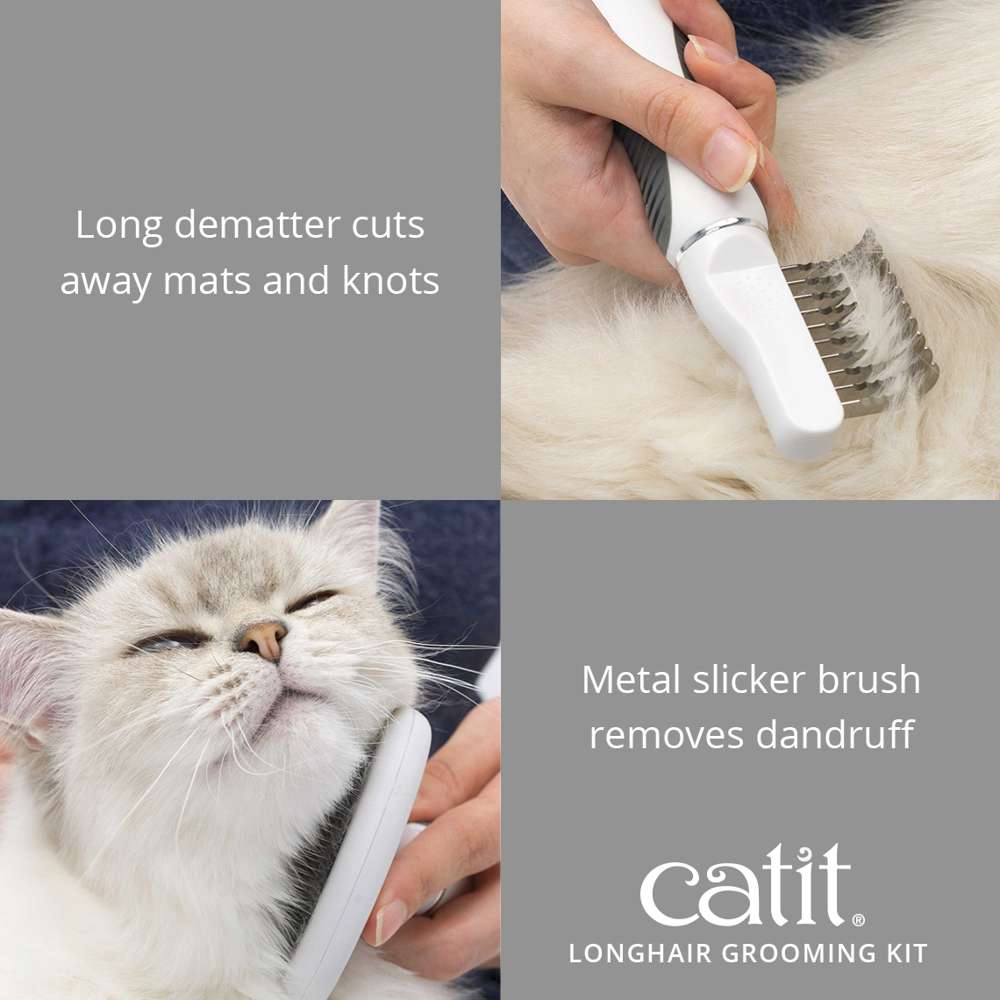
Brushing a long-haired cat requires the right tools for success. Using the correct brushes and accessories can make the process smooth and stress-free. This helps in maintaining your cat's coat and health.
Essential Brushes
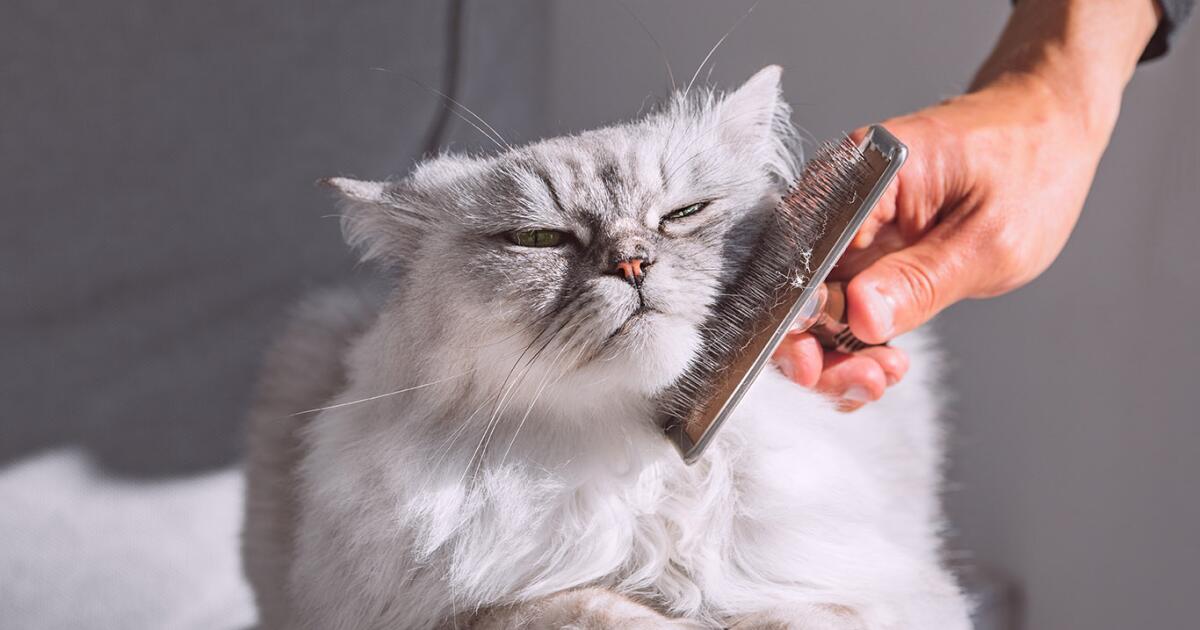
A slicker brush is ideal for long-haired cats. It helps remove loose fur and prevents mats. Pin brushes are also useful. They gently detangle without pulling the hair. Choose brushes with soft bristles for comfort.
Combs And Accessories
Metal combs work well for detangling. They reach deep into the cat's coat. Use a wide-toothed comb first to ease through knots. Then, follow with a fine-toothed comb to smooth the fur. A grooming glove can also aid in removing loose hair.
Safe Grooming Products
Use cat-friendly detangling sprays for stubborn knots. Choose products free from harsh chemicals. These sprays make brushing easier and less painful. Remember to check for allergies by testing a small area first.
Credit: www.latimes.com
Preparing Your Cat
Gently brush your long-haired cat to remove tangles and reduce shedding. Use a wide-toothed comb for tricky knots. Regular grooming keeps your feline's coat healthy and shiny.
Preparing your cat for a grooming session is as essential as the brushing itself. Long-haired cats can be finicky, making preparation key to a successful and stress-free experience. With the right environment and approach, your feline friend will soon look forward to this bonding time.
Creating A Calm Environment
Cats are sensitive creatures, often picking up on the smallest changes around them. Choose a quiet, comfortable space free from distractions and loud noises. Dim lighting can help create a soothing ambiance. Consider playing soft music or using a calming scent like lavender to set the mood. A calm environment sets the stage for a relaxed grooming session.
Getting Your Cat Comfortable
Start by gently petting your cat, focusing on areas they enjoy. Use treats to encourage them into a relaxed state. Speak softly and reassure them with your voice. Gradually introduce the grooming tools, letting them sniff and get accustomed. Building trust is crucial; it’s all about making them feel safe and loved.
Checking For Tangles And Mats
Before diving into brushing, inspect your cat's coat for any tangles or mats. These can be uncomfortable and may require special attention. Use your fingers to gently detangle small knots, and have a detangling spray or mat splitter on hand for tougher mats. Addressing tangles beforehand prevents pulling and discomfort, ensuring a smooth grooming process. Are you ready to transform grooming into a bonding ritual with your long-haired cat?
Brushing Techniques
Brushing long-haired cats involves using a wide-toothed comb to gently remove tangles. Regular grooming helps prevent matting and reduces shedding. Focus on areas prone to knots, like behind the ears and under the belly.
Brushing Techniques Keeping your long-haired cat's coat smooth and free of tangles is essential for their comfort and health. Brushing might seem straightforward, but using the right techniques can make all the difference. Let's dive into some practical methods to ensure your feline friend enjoys the grooming process.
Detangling Long Fur
Dealing with matted fur can be challenging. Start by gently separating the tangles with your fingers to reduce pulling. Use a wide-tooth comb to slowly work through the knots. Patience is key—rush the process, and you risk hurting your cat or damaging their coat. Consider spraying a cat-friendly detangling solution to make combing easier. It's amazing how a little prep can save time and stress.
Brushing Sensitive Areas
Cats have sensitive spots like their belly and behind the ears. Use softer brushes for these areas to avoid discomfort. Slowly approach these regions, allowing your cat to get comfortable. A gentle touch can turn what could be a struggle into a bonding moment. Observe your cat's reactions—are they purring or twitching? Their behavior will guide you in adjusting your technique.
Techniques For Different Coat Types
Not all long-haired cats have the same coat type. Some might have silky fur, while others boast fluffy, voluminous hair. For silky coats, a bristle brush can work wonders, providing shine and smoothness. Fluffy coats benefit from slicker brushes that can reach deeper into the fur, removing loose hairs effectively. Finding the right brush for your cat's coat type can transform grooming from chore to pleasure.
Managing Shedding
Brushing long-haired cats regularly reduces shedding and prevents tangles. Use a gentle brush, starting from the head and moving towards the tail. Be patient and gentle, ensuring a comfortable experience for your cat.
Managing shedding in long-haired cats can be challenging. Their luxurious coats often lead to more hair around the house. Regular brushing helps keep shedding under control. It also prevents mats and tangles. Understanding the right techniques and tools makes a difference. Here are some tips to manage shedding effectively.
Reducing Loose Hair
Brushing daily reduces loose hair significantly. Use a soft bristle brush for gentle care. Start from the head and move towards the tail. Brush in the direction of hair growth. This reduces pulling and discomfort. Pay extra attention to areas prone to matting. Be gentle around sensitive areas like the belly.
Using Deshedding Tools
Deshedding tools remove excess undercoat. They are effective for long-haired cats. Choose tools designed for long fur. A deshedding comb works well to remove loose undercoat. Use it once a week for best results. Be cautious not to press too hard. This prevents skin irritation.
Regular Maintenance Tips
Regular brushing keeps shedding manageable. Set a routine for brushing each week. Create a calm environment during grooming. Reward your cat after each session. Use treats or gentle praise. This makes brushing a positive experience. Check for mats and tangles regularly. Address them promptly to avoid discomfort.
Addressing Common Issues
Gently brushing long-haired cats prevents tangles and matting. Use a wide-toothed comb for delicate areas. Regular grooming keeps their coat healthy and reduces shedding.
Addressing common issues with brushing long-haired cats requires patience and understanding. Cats with long hair often face challenges. These can include knots, hairballs, and skin problems. Regular grooming can alleviate these issues. Here’s how to tackle them effectively.
Handling Knots And Mats
Knots and mats can be painful for cats. Regular brushing helps prevent them. Use a detangling spray to ease the process. Gently work through the tangles with your fingers. A wide-toothed comb can also help remove stubborn knots. Always be gentle to avoid hurting your cat.
Preventing Hairballs
Hairballs are common in long-haired cats. Brushing can reduce loose hair ingestion. This minimizes hairball formation. Use a brush with soft bristles. It catches more fur. Regular grooming sessions help keep hairballs at bay. Also, provide a fiber-rich diet. It aids digestion and prevents hairballs.
Dealing With Skin Problems
Skin problems can be due to improper grooming. Check for signs of irritation or redness. Use hypoallergenic grooming products. They are gentle on the skin. Make sure to brush in the direction of hair growth. This reduces stress on the skin. Regular vet check-ups are crucial for skin health.

Credit: catit.ca
Aftercare And Maintenance
Regular grooming keeps your long-haired cat's coat healthy. Use a wide-toothed comb to gently remove tangles. Follow with a soft-bristle brush for a smooth finish and to reduce shedding.
After grooming your long-haired cat, proper aftercare and maintenance are essential to keep their coat looking its best and to ensure your grooming routine is effective. Regular attention to cleaning up, maintaining your tools, and scheduling grooming sessions can make a significant difference. Let's look at each aspect in more detail.
Cleaning Up After Grooming
Post-grooming cleanup is crucial to maintaining a tidy environment and preventing hair from spreading all over your home. Use a handheld vacuum or a lint roller to pick up stray hairs from furniture and clothes. Consider placing a towel or mat under your cat during grooming to catch most of the hair, making it easier to clean up afterward.
Maintaining Grooming Tools
Your grooming tools need regular attention to keep them in optimal condition. After each session, remove hair from brushes and combs using a brush cleaner or your fingers. Wash the tools with mild soap and water, then dry them thoroughly to prevent rust and wear. Keeping your tools clean ensures they work effectively and last longer.
Scheduling Regular Grooming Sessions
Regular grooming sessions are key to managing a long-haired cat's coat. Aim to brush your cat at least a few times a week to prevent mats and tangles from forming. Establish a routine that fits your schedule and your cat’s comfort level. Consistent grooming not only helps maintain their coat but also strengthens the bond between you and your feline friend. Are you ready to enhance your grooming routine and enjoy quality time with your cat? Making grooming a regular practice can transform it from a chore into a bonding experience.
When To Seek Professional Help
Cats with long hair need regular grooming. If mats or tangles become unmanageable, it might be time to seek professional help. This ensures your cat’s coat stays healthy and free from discomfort.
When to Seek Professional Help Brushing your long-haired cat can be challenging. Some situations require professional help. Recognizing these situations can keep your cat comfortable.
Signs Of Grooming Stress
Cats show stress during grooming. Watch for signs like hissing or biting. Excessive hiding or loss of appetite can indicate stress. If your cat seems anxious during grooming, consider seeking help. Stress can worsen over time without intervention.
Finding A Professional Groomer
A professional groomer knows how to handle stressed cats. Look for groomers with experience in handling long-haired cats. Check reviews and ask for recommendations from other cat owners. A good groomer can make grooming less stressful for your cat. They also give advice on maintaining your cat’s coat.
When To Consult A Veterinarian
Sometimes, a vet’s advice is necessary. If your cat has skin issues or severe matting, consult a vet. A vet checks for underlying health issues causing grooming difficulties. They may suggest treatments to ease grooming. Always keep your cat’s health a priority during grooming.
Frequently Asked Questions
Do Long-haired Cats Like Being Brushed?
Long-haired cats generally enjoy being brushed as it helps prevent tangles and keeps their coat healthy. Regular grooming strengthens the bond with your cat and reduces shedding. Always be gentle and use the right tools to ensure a comfortable experience for your feline friend.
How Often Should I Brush A Long-haired Cat?
Brush a long-haired cat daily to prevent mats and tangles. Regular grooming reduces shedding and hairballs. Use a suitable brush to ensure comfort and effectiveness. A consistent routine keeps your cat's coat healthy and shiny. Consider professional grooming for best results.
Regular brushing strengthens your bond with your cat.
What Kind Of Brush Is Best For A Long-haired Cat?
Use a slicker brush for long-haired cats. It gently removes tangles and reduces shedding. Opt for one with fine wire bristles and a comfortable handle. Regular brushing prevents matting and keeps their coat healthy. Consider a comb with wide and narrow teeth for detailed grooming.
How Do You Brush An Unwilling Cat?
Start by using a soft brush and approaching the cat calmly. Let them sniff the brush first. Brush gently, focusing on areas they enjoy. Offer treats or praise for positive reinforcement. Gradually increase brushing time to build trust and comfort.
Be patient and stop if the cat becomes stressed.
Conclusion
Brushing your long-haired cat can be simple with the right steps. Regular grooming prevents tangles and keeps their coat healthy. Use a suitable brush for your cat’s fur type. Start gently and work in sections to avoid discomfort. Daily brushing helps with shedding and reduces hairballs.
Your cat will enjoy the attention and feel more comfortable. Routine care improves their mood and wellbeing. Remember, patience is key. Make grooming a pleasant experience for both of you. Happy grooming leads to a happy cat!
