
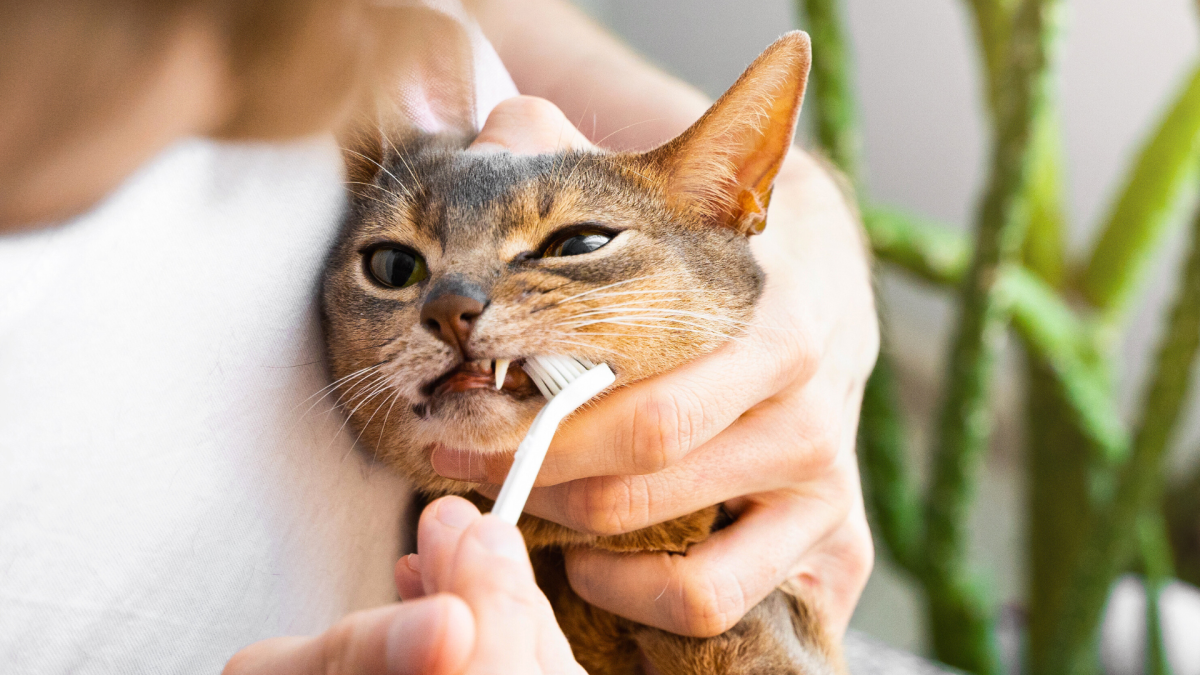
Are you wondering how often you should brush your cat's teeth? You're not alone.
As a caring pet owner, you want to ensure your feline friend stays healthy and happy. But did you know that dental health plays a crucial role in your cat's overall well-being? Many cat owners overlook this vital aspect, which can lead to unexpected health issues down the road.
Imagine preventing costly vet bills and keeping your cat's smile bright with just a simple routine. This article will guide you on how frequently you should be brushing your cat's teeth, uncovering tips and tricks that make the process easier and more effective. Stay with us, and discover how you can enhance your cat's health through proper dental care.
Credit: www.catschool.co
Importance Of Cat Dental Care
Caring for your cat's teeth is crucial for their overall health. Dental problems can lead to pain and other health issues. Regular dental care helps prevent these problems and keeps your cat happy. Let's explore why cat dental care is important.
Why Dental Health Matters For Cats
Cats use their teeth for eating and grooming. Healthy teeth mean a healthy life. Poor dental health can cause infections. Infections may spread to the heart or kidneys. This makes regular dental check-ups vital.
Signs Of Dental Problems In Cats
Watch for signs like bad breath or bleeding gums. These can indicate dental issues. Difficulty eating or pawing at the mouth are also warning signs. Early detection can prevent severe problems.
Benefits Of Regular Brushing
Regular brushing reduces plaque and tartar buildup. It keeps gums healthy and prevents dental diseases. Brushing also helps you bond with your cat. They feel loved and cared for.
Choosing The Right Dental Products
Use cat-specific toothbrushes and toothpaste. Human products can harm your cat. Cat-friendly options make brushing easier and more effective. Look for products approved by veterinarians.
Creating A Dental Care Routine
Start brushing your cat's teeth when they are young. Make it a part of their daily routine. Be gentle and patient. Reward them with treats to create positive associations.
Recommended Brushing Frequency
Brushing your cat's teeth twice a week helps prevent plaque buildup. Regular brushing also reduces the risk of gum disease. Consistency is key for maintaining your cat's dental health.
Brushing your cat's teeth is vital for their dental health. Cats can develop plaque and tartar, leading to gum disease. Regular brushing helps prevent these issues, promoting a healthier life for your feline friend. But how often should you brush their teeth? Understanding the ideal frequency is crucial for maintaining their dental hygiene. Experts suggest brushing your cat's teeth at least three times a week. This routine helps keep plaque at bay. Daily brushing is even better if you can manage it. Establishing a regular schedule is key to success.
Benefits Of Regular Brushing
Consistent brushing reduces plaque buildup. It can prevent gum disease, which is common in cats. Healthy gums lead to a happier, healthier cat. Regular brushing also freshens their breath. Bad breath is a clear indicator. If you notice swollen gums, it might be time. Yellowing teeth can signal plaque buildup. Pay attention to these signs for optimal dental care.
Tips For Maintaining A Brushing Schedule
Create a routine that suits your lifestyle. Brushing after meals can be effective. Use rewards to encourage cooperation. Make brushing a positive experience for your cat.
Choosing The Right Tools
Use a cat-specific toothbrush. Select a toothpaste made for cats. Avoid human toothpaste as it can harm them. Choose tools that your cat feels comfortable with.
Signs Your Cat Needs More Frequent Brushing
Frequent brushing might be necessary if your cat's fur looks matted or you notice excessive shedding. Regular grooming prevents tangles and keeps their coat healthy. Pay attention to their dental hygiene as well; brushing their teeth often is essential for overall well-being.
Brushing your cat's teeth might not be on your radar, but it's crucial for their health. Just like humans, cats can suffer from dental issues. Some cats need more frequent brushing than others, and recognizing the signs can help you prevent dental problems before they become serious. Let's dive into the tell-tale signs that your feline friend might need a more rigorous dental routine.
Signs Of Bad Breath
Have you noticed a foul odor when your cat yawns or meows close to your face? Bad breath in cats is often a sign of dental disease. Persistent bad breath can indicate plaque buildup or even infection. Regular brushing can help eliminate these issues, keeping your kitty's breath fresh and pleasant.
Red And Inflamed Gums
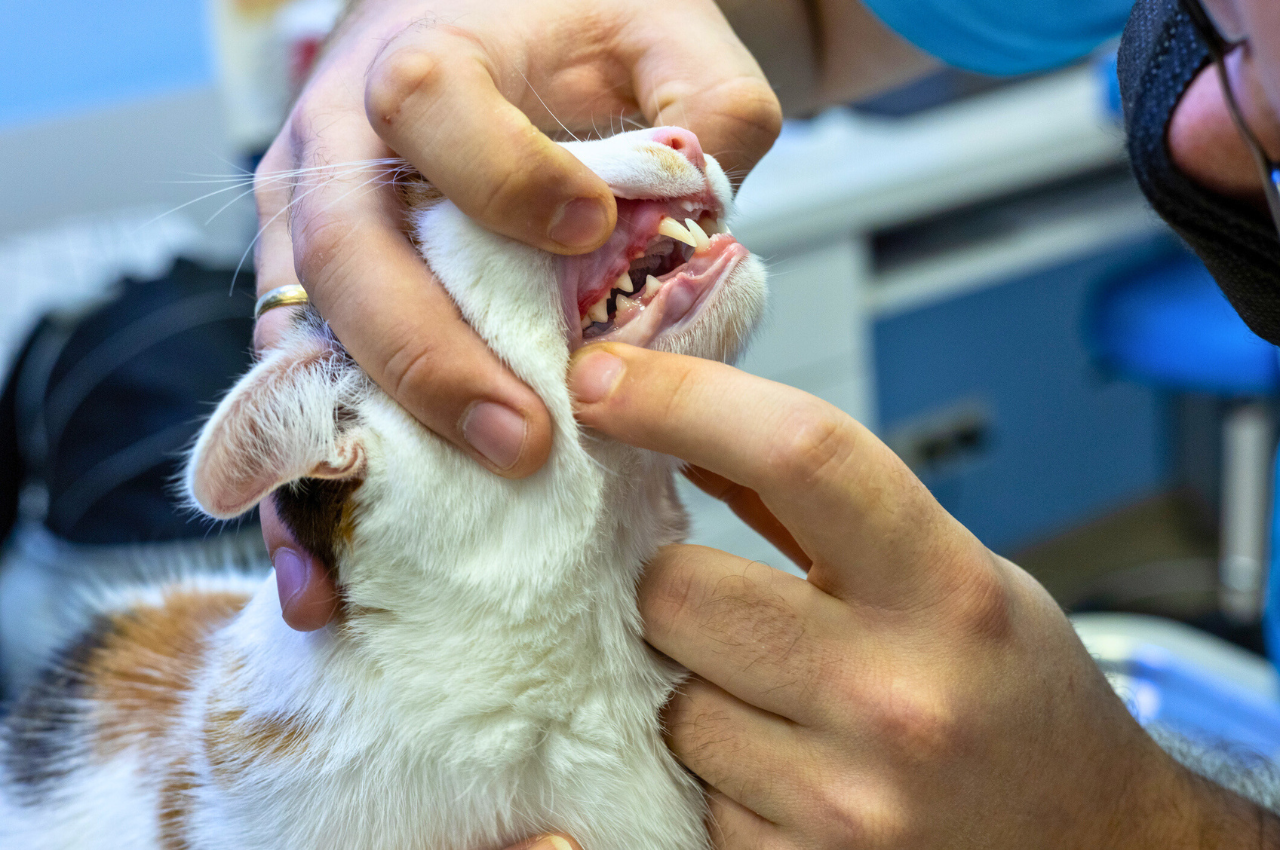
Take a peek at your cat’s gums. Healthy gums are pink and firm. If your cat's gums appear red or swollen, it's a sign of gingivitis or other dental problems. Brushing can reduce inflammation and prevent the progression of gum disease.
Excessive Drooling
Is your cat drooling more than usual? While a little drool is normal, excessive drooling can be a symptom of dental discomfort. This could mean your cat is experiencing pain from gum disease or tooth decay. Regular brushing can alleviate these symptoms and improve your cat’s comfort.
Difficulty Chewing
Observe your cat while eating. If you notice they are having trouble chewing or are favoring one side of their mouth, it might be time to brush more often. Pain when chewing can signal tooth decay or gum disease, which can be mitigated with consistent brushing.
Yellowing Teeth
Are your cat's teeth looking more yellow than white? Discoloration is a clear sign of plaque and tartar buildup. Regular brushing can remove plaque before it hardens into tartar, keeping their teeth bright and healthy.
Visible Plaque Or Tartar
If you can see plaque or tartar on your cat’s teeth, it's time to increase brushing frequency. These substances can lead to cavities and gum disease if not addressed. A daily brushing routine can help remove plaque and prevent tartar formation.
Behavioral Changes
Sometimes, dental issues manifest in behavioral changes. Is your cat suddenly less playful or reluctant to eat? Dental pain can cause changes in mood and appetite. Addressing dental health with frequent brushing can improve your cat's overall well-being and happiness. By paying attention to these signs, you can ensure your cat's dental health is in check. Remember, prevention is always better than cure. What steps will you take today to ensure your cat's mouth stays healthy?
Choosing The Right Toothbrush And Toothpaste
Brushing your cat's teeth is vital for their health. Use cat-friendly toothbrushes and toothpaste for safety. Regular brushing helps prevent dental issues and ensures your pet's well-being.
Choosing the right toothbrush and toothpaste is crucial for your cat's dental health. It's not just about keeping their teeth clean; it's about ensuring their comfort and safety during the process. Using the wrong tools can lead to discomfort, and may discourage your cat from cooperating. Let's explore how you can select the best options for your furry friend.
Finding The Perfect Toothbrush
Toothbrushes for cats come in various styles. Look for ones with soft bristles to protect their delicate gums. Finger brushes are popular; they allow for easy maneuvering inside the mouth. They offer more control and are gentle on sensitive areas. Choose a brush size suitable for your cat's mouth. Large brushes may cause discomfort. For kittens, smaller brushes are ideal.
Selecting The Right Toothpaste
Never use human toothpaste for cats. It contains fluoride, which is harmful to them. Cat-specific toothpaste is safe and palatable. These toothpastes often come in flavors like chicken or fish. The flavor can make brushing less stressful. Check labels for enzymatic formulas. They help break down plaque and combat bacteria. Always ensure the toothpaste is vet-approved.
Where To Buy Quality Dental Products
Pet stores offer a variety of dental care products. Online shops also provide a wide selection. Look for products with good reviews. You can ask your vet for recommendations. They may suggest specific brands. Quality is important for effective cleaning. Investing in good products can save future dental issues.
Introducing Dental Care To Your Cat
Start slowly to let your cat adjust. Allow them to sniff and explore the toothbrush. Introduce the toothpaste flavor gradually. Try placing a small amount on your finger. Let them taste it before brushing. Patience is key to success. Make dental care a positive experience. Reward them with treats after brushing.
Steps For Brushing Your Cat's Teeth
Brushing your cat's teeth should happen at least twice a week. Regular brushing helps prevent plaque and tartar buildup. Use a cat-friendly toothbrush and toothpaste for best results.
Brushing your cat's teeth can seem daunting. But it’s crucial for their dental health. With patience and the right steps, it becomes easier. Let’s explore how to prepare, brush, and care for your cat's teeth.
Preparing Your Cat
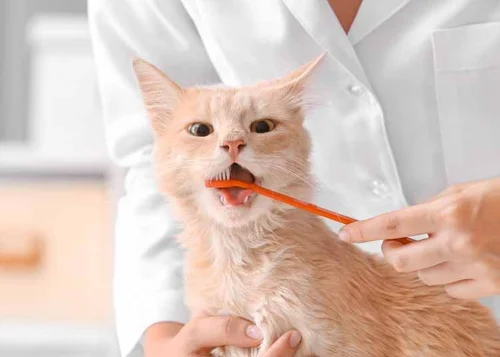
Start by choosing a quiet spot. This helps keep your cat calm. Gather all necessary tools. You need a cat toothbrush and cat-safe toothpaste. Let your cat sniff the brush and toothpaste first. This helps them get familiar. Gently touch their mouth and teeth with your fingers. Do this for a few days. It helps them adapt to the feeling.
Brushing Techniques
Use a small amount of toothpaste. Apply it to the brush. Gently lift your cat’s lip. Start brushing in small, circular motions. Focus on the outer surfaces of the teeth. Be gentle and patient. Do not rush the process. Praise your cat during and after brushing. This encourages them.
Post-brushing Care
After brushing, offer your cat a treat. This creates a positive association. Clean the toothbrush thoroughly. Store it in a clean, dry place. Monitor your cat’s gums and teeth regularly. Look for signs of redness or decay. Regular brushing keeps their mouth healthy.
Credit: paradepets.com
Alternative Dental Care Options
Not everyone can brush their cat's teeth daily. Luckily, there are alternative dental care options available. These options help maintain your cat's oral health without the stress of daily brushing. Explore some effective alternatives below.
Dental Treats And Chews
Dental treats can reduce plaque and tartar. They come in various flavors that cats enjoy. Look for treats approved by veterinarians. Chews are another great option. They help to clean teeth as your cat chews. Choose chews that are safe and digestible.
Professional Cleanings
Professional cleanings are essential for thorough dental care. Veterinarians use special tools to remove plaque and tartar. These cleanings can prevent severe dental issues. Regular check-ups ensure your cat's teeth stay healthy. Always consult your vet about the best cleaning schedule.
Common Challenges And Solutions
Brushing your cat's teeth can be a daunting task. Many cat owners face challenges that make this routine difficult. Understanding common challenges and finding solutions is key. These solutions can make dental care easier for both you and your cat.
Dealing With Resistant Cats
Some cats strongly resist having their teeth brushed. This can be frustrating for owners. Patience is crucial in such cases. Begin by introducing the toothbrush slowly. Let your cat sniff and explore it. This helps them become familiar with the tool.
Use a flavored cat toothpaste. Chicken or fish flavors can entice your cat. This makes the experience more pleasant. Gradually increase the brushing time. Start with a few seconds and slowly extend it. Reward your cat with treats or affection afterwards. This positive reinforcement encourages cooperation.
Addressing Dental Anxiety
Many cats experience dental anxiety. This can make brushing difficult. Creating a calm environment is important. Choose a quiet room with no distractions. Speak softly to your cat during the process. This reassures them and reduces stress.
Consider using a finger brush. It is less intimidating than a regular toothbrush. Move gently and avoid sudden movements. If anxiety persists, consult your vet. They might suggest professional cleaning or sedation options.

Credit: www.instagram.com
Expert Tips For Maintaining Cat Oral Health
Maintaining your cat's oral health is crucial for their overall well-being. Regular dental care can prevent serious health issues. Cats, like humans, need consistent oral hygiene to keep their teeth and gums healthy. Let's explore expert tips that can help you maintain your cat's oral health effectively.
Start Brushing Early
Introduce tooth brushing during kittenhood. This helps them get accustomed. Use a cat-specific toothbrush and toothpaste for best results. Regular brushing reduces plaque buildup and tartar formation.
Use The Right Tools
Select a toothbrush designed for cats. These are usually smaller and softer. Choose a toothpaste with flavors like chicken or fish. This makes the experience more pleasant for your cat.
Establish A Routine
Brush your cat's teeth regularly. Aim for a few times a week. A consistent routine helps keep their mouth clean and healthy.
Monitor Their Diet
Opt for dental-friendly cat foods. Some kibble is designed to reduce plaque. Consult your vet for the best dietary options for oral health.
Regular Vet Check-ups
Schedule regular dental check-ups with your vet. They can spot issues early. Professional cleanings might be necessary if plaque is excessive.
Provide Chew Toys
Offer dental toys that promote oral health. Chew toys can help clean teeth naturally. They also keep your cat entertained.
Stay Observant
Watch for signs of oral problems. Bad breath, bleeding gums, or drooling are warning signs. Early detection can prevent serious issues.
Frequently Asked Questions
Is It Okay To Not Brush Your Cat's Teeth?
Not brushing your cat's teeth can lead to dental issues. Regular brushing helps prevent plaque buildup and gum disease. Prioritize your cat's oral health by maintaining a consistent dental care routine. Consult your vet for guidance on proper dental hygiene practices for your feline friend.
Is It Ever Too Late To Start Brushing Your Cat's Teeth?
It's never too late to start brushing your cat's teeth. Begin with gentle sessions to build comfort. Consistent brushing helps prevent dental issues, ensuring your cat's health. Use pet-safe toothpaste for best results. Regular dental care can lead to a happier, healthier cat.
How Can I Clean My Cat's Teeth Naturally?
Brush your cat's teeth with a pet-safe toothbrush and toothpaste. Offer dental treats or toys that promote oral hygiene. Provide raw bones or specially formulated dental chews to help clean teeth naturally. Regular vet check-ups are essential for maintaining your cat's oral health.
Do Cats Need Toothpaste?
Cats benefit from toothpaste formulated for pets. It helps prevent plaque and tartar buildup. Avoid using human toothpaste, as it can be harmful. Regular dental care supports your cat's oral health and overall well-being. Consult a vet for recommended pet toothpaste and brushing techniques.
Conclusion
Regular brushing helps maintain your cat's dental health. It prevents plaque and tartar buildup. Aim for brushing at least twice a week. Cats need dental care just like humans. Use a cat-friendly toothbrush and toothpaste. Start slow and make it a routine.
Your cat's breath will improve. Teeth will stay clean and healthy. Brushing is a simple act with big benefits. Keep your furry friend happy and smiling. Dental care is part of overall health. A little effort goes a long way.
Protect your cat's smile and well-being.
