
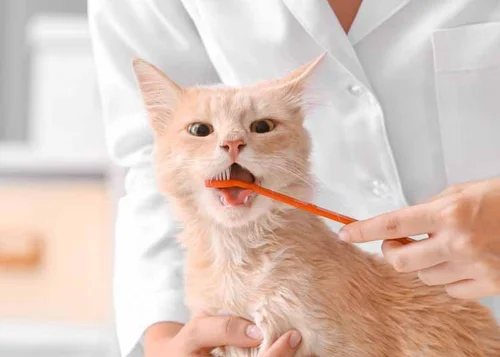
You love your cat and want them to be healthy and happy. But have you ever thought about their dental health?
It's easy to overlook, but brushing your cat's teeth is crucial for their overall well-being. You might be wondering, "How often should I do it? " This question is more common than you think, and getting the right answer can make a world of difference to your furry friend's life.
Imagine a future where your cat is free from painful dental issues, and you can enjoy more playful moments together. You’re about to discover simple tips that could save your cat from discomfort and you from costly vet bills. Stick around to find out how you can make tooth-brushing a stress-free part of your routine.
Importance Of Cat Dental Care
Caring for your cat's teeth is crucial for their overall health. Many pet owners overlook dental hygiene for cats. This can lead to severe health issues. Regular dental care helps prevent gum disease and tooth decay. It also reduces the risk of infections and pain. Healthy teeth improve your cat's quality of life. Let's explore why dental care for cats is essential.
Why Dental Health Matters For Cats
Dental health affects more than just the mouth. Poor dental care can lead to serious problems. These include heart, liver, and kidney issues. Bacteria from the mouth can enter the bloodstream. This can cause infections in other organs.
Good oral hygiene boosts your cat's overall well-being. It keeps them happy and active. Cats with healthy teeth live longer and healthier lives. Regular brushing is key to maintaining this health.
Signs Of Dental Problems In Cats
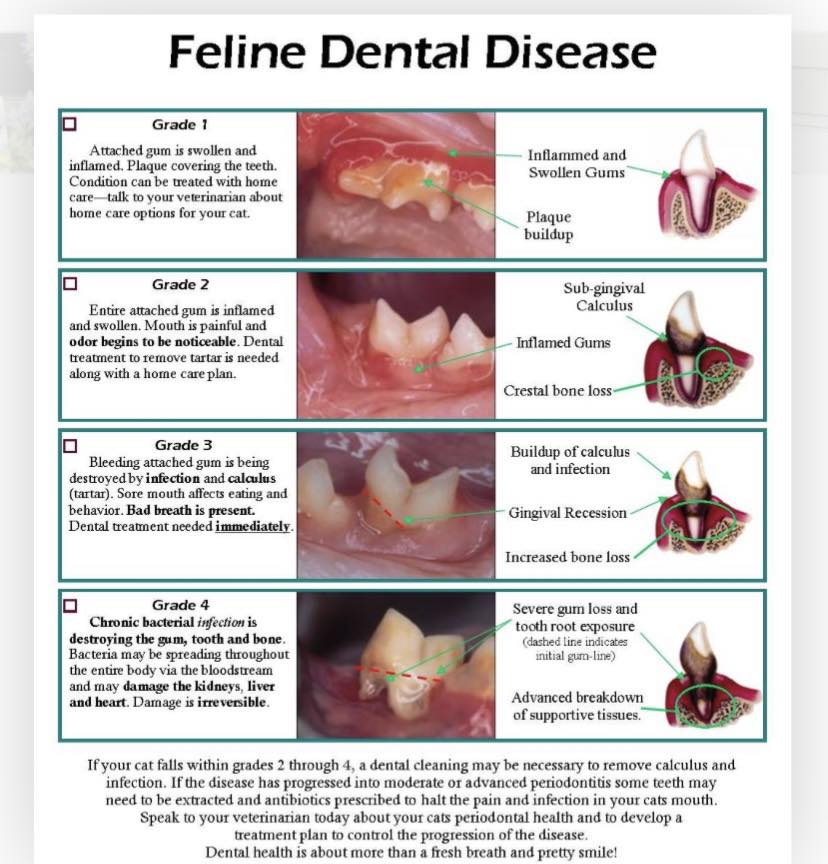
Watch for signs of dental trouble in your cat. Bad breath is a common indicator. Difficulty eating or chewing can also signal issues. Look out for drooling or swollen gums. Cats may paw at their mouth if in pain.
These signs suggest a visit to the vet is needed. Early detection can prevent further complications. Regular check-ups ensure your cat's mouth stays healthy.
How Often Should You Brush Your Cat's Teeth?
Brushing your cat's teeth should be a regular routine. Aim for daily brushing if possible. This keeps plaque and tartar at bay. If daily brushing isn't feasible, try at least three times a week.
Consistency is key in preventing dental disease. Use a cat-friendly toothbrush and toothpaste. Never use human toothpaste, as it's harmful to cats.

Credit: www.discovermagazine.com
Signs Of Dental Issues In Cats
Understanding dental health in cats is crucial for their overall wellbeing. Cats, like humans, can suffer from various dental issues. These problems often go unnoticed until they become severe. Recognizing early signs of dental issues can prevent pain and complications. It also helps maintain your cat's health and happiness.
Common Symptoms Of Dental Problems
Several symptoms indicate dental issues in cats. Look for changes in eating habits. Cats may eat less or avoid certain foods due to pain. Bad breath is another sign of dental trouble. It is often caused by bacteria buildup.
Behavioral Changes
Behavioral changes can signal dental issues. Cats might become irritable or withdrawn. They may paw at their mouths or refuse to play. These actions often indicate discomfort or pain.
Visible Signs In The Mouth
Check your cat's mouth regularly. Look for swollen gums or bleeding. Discolored teeth or visible tartar buildup are concerning signs. These can lead to more serious dental diseases.
Excessive Drooling
Excessive drooling can be a sign of dental problems. It's often a result of mouth pain or infection. Cats may drool more than usual if their mouth hurts.
Weight Loss
Dental issues can lead to weight loss in cats. Painful chewing might cause your cat to eat less. This can result in noticeable weight changes. Regularly monitor your cat's weight for any sudden loss.
Recommended Brushing Frequency
Brushing your cat's teeth two to three times a week helps maintain oral health. Regular cleaning prevents plaque buildup and gum disease. Incorporating this routine can lead to healthier teeth and fresher breath for your feline friend.
Brushing your cat's teeth is essential for their dental health. It helps prevent plaque buildup and gum disease. But how often should you do it? Understanding the right frequency ensures your cat maintains a healthy mouth without stress.
Daily Brushing Benefits
Daily brushing offers the best protection against dental issues. It removes food particles and prevents plaque from hardening. Cats adapt to daily routines, making it easier over time.
Starting Slowly
Begin brushing a few times a week. Gradually increase the frequency as your cat gets comfortable. This approach builds trust and helps your cat adjust.
Signs Of Dental Problems
Bad breath, red gums, and drooling can indicate dental issues. Regular brushing reduces these risks. Monitor your cat's mouth for any changes.
Using The Right Tools
Choose a cat-specific toothbrush and toothpaste. Human products can harm your cat. The right tools make brushing more effective and safe.
Consulting Your Veterinarian
Speak with your vet about your cat's dental needs. They can recommend an ideal brushing schedule. Regular check-ups ensure your cat's teeth stay healthy.
Choosing The Right Toothbrush And Toothpaste
Selecting the right toothbrush and toothpaste is vital for your cat's dental health. Brush your cat's teeth regularly, ideally two to three times a week, for optimal results.
Choosing the right toothbrush and toothpaste for your cat can feel like a daunting task, but it's essential for maintaining their dental health. Just like humans, cats need specific tools for their oral care routine. Selecting the appropriate products can make the brushing process smoother and more effective.
Choosing The Right Toothbrush
Look for a toothbrush designed specifically for cats. These typically feature softer bristles and a smaller head to fit comfortably in your cat's mouth. A finger brush is a popular choice among pet owners. It allows you to easily control the brushing motion and reach all areas of the mouth. If your cat is particularly sensitive or skittish, consider a finger pad. It's a small piece of fabric that fits over your finger and gently cleans your cat's teeth.
Selecting Cat-friendly Toothpaste
Always choose a toothpaste made for cats. Human toothpaste contains ingredients that can be harmful if swallowed by your pet. Cat toothpaste comes in various flavors like chicken or fish, making it more appealing to your feline friend. This can help transform brushing time from a struggle to a treat. Read the ingredients list carefully. Some toothpastes contain natural enzymes that help break down plaque and promote healthier gums.
How To Introduce The Tools
Start by letting your cat sniff the toothbrush and toothpaste. This helps them become familiar with the new items. Gradually introduce the brushing routine by allowing your cat to taste the toothpaste first. This creates a positive association with the flavor. Be patient and gentle. Building trust takes time, but it can lead to a stress-free brushing experience. Remember, consistency is key. Establishing a regular routine can improve your cat's dental health and save you from costly vet bills in the future. What challenges have you faced when brushing your cat's teeth? Share your experiences or tips in the comments below!
Step-by-step Brushing Guide
Brushing your cat's teeth is essential for their oral health. Aim to brush their teeth at least twice a week. Regular brushing helps prevent plaque buildup and dental issues.
Brushing your cat's teeth might sound like a daunting task, but with a clear step-by-step guide, it becomes manageable and even rewarding. Establishing a regular dental care routine for your feline friend is crucial for their overall health. Just imagine, you can prevent plaque buildup and tooth decay, ensuring your cat’s teeth stay healthy and strong. Follow these steps to make the process seamless and stress-free for both you and your cat.
Gathering Your Supplies
Before you start, ensure you have the right tools. A cat-friendly toothbrush and toothpaste are essential. These are specially formulated for pets and are safe if swallowed. Place these items in an easily accessible area to make them a part of your routine.
Introducing The Toothbrush
Begin by letting your cat get familiar with the toothbrush. Allow them to sniff and play with it. This reduces anxiety and makes the toothbrush a regular object in their environment. You might even let them lick a bit of the toothpaste from your finger, so they get accustomed to the taste.
Finding The Right Time
Timing is everything. Choose a moment when your cat is relaxed, perhaps after a meal or playtime. Consistency is key, so try brushing at the same time each day. This predictability helps your cat know what to expect.
Starting The Brushing
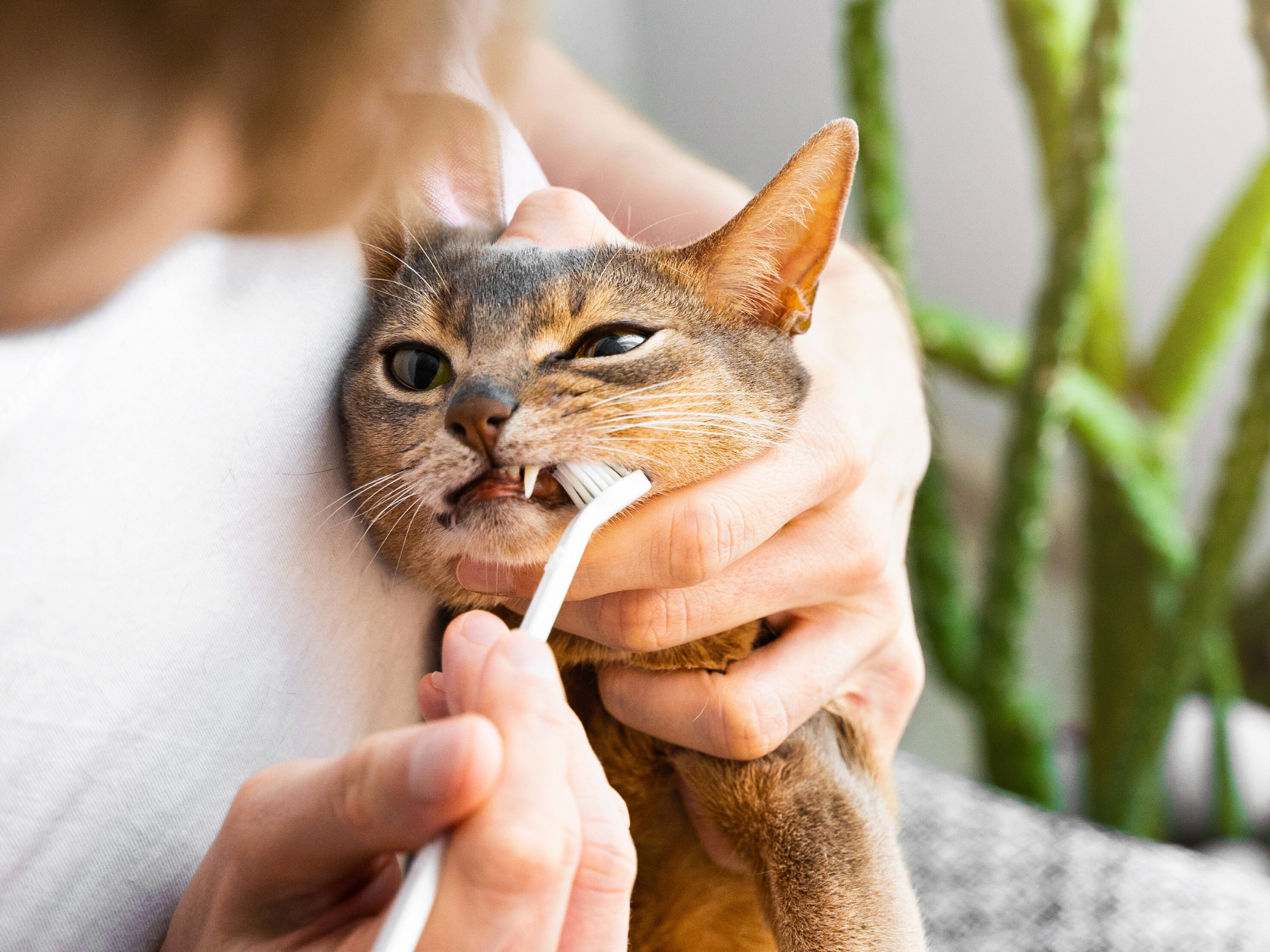
Place your cat on a secure surface. Gently lift their lip to expose the teeth. Use small, circular motions to brush the outer surfaces. Focus on areas where plaque tends to accumulate.
Rewarding Your Cat
Praise your cat throughout the process. A little treat afterward reinforces good behavior. This positive association makes future brushing sessions easier and more enjoyable.
Monitoring Progress
Keep an eye on your cat’s dental health. Regular checks help you spot any issues early. If you notice anything unusual, consult your vet for advice. By following these steps, you can ensure your cat enjoys a cleaner, healthier mouth. Have you tried brushing your cat's teeth before? It might surprise you how quickly they adapt with a little patience and persistence.
Alternative Dental Care Options
Caring for your cat's dental health is crucial. Brushing may not always be practical. Fortunately, there are alternative dental care options. These can help maintain your cat's oral hygiene. Explore these options for a healthier cat smile.
Dental Treats And Chews
Dental treats and chews are a tasty option for cats. They help reduce plaque and tartar. Specially designed treats can clean teeth while your cat chews. Look for treats with the Veterinary Oral Health Council (VOHC) seal. This ensures they are effective. Always monitor your cat while they enjoy these treats.
Professional Cleaning
Professional cleaning by a vet is another effective option. Vets use special tools to clean your cat's teeth. This process removes built-up plaque and tartar. It also helps detect any dental issues early. Regular vet check-ups are essential for your cat's dental health. Discuss with your vet the frequency of cleanings needed for your cat.
Tips For Making Brushing Easier
Brushing your cat's teeth regularly keeps their gums healthy. Aim for a few times a week. Use a cat-friendly toothbrush and toothpaste for better results.
Brushing your cat's teeth might sound challenging, but with a few handy tips, it can become a manageable part of your routine. Keeping your cat's dental health in check is crucial, and making the brushing process easier can lead to a healthier, happier pet. Let’s dive into some practical suggestions that will help you and your feline friend embrace this important habit.
Start Slow And Be Patient
Begin with short sessions, just a few seconds at a time. Gradually increase the duration as your cat becomes more comfortable. Patience is key. If your cat resists, take a break and try again later.
Choose The Right Tools
Invest in a cat-specific toothbrush and toothpaste. Human toothpaste can be harmful to cats, so make sure to use products designed for pets. Opt for a toothbrush with soft bristles and a flavor of toothpaste that your cat enjoys.
Incorporate Play And Treats
Turn brushing into a positive experience by rewarding your cat with treats or playtime afterwards. This creates a positive association, making your cat more likely to cooperate.
Find The Right Timing
Brush your cat’s teeth when they are calm and relaxed. Avoid brushing right after meals or during playtime, as your cat might be too distracted or energetic.
Make It A Routine
Consistency is vital. Aim to brush your cat's teeth at the same time each day, so it becomes a predictable part of their routine. This helps your cat anticipate the brushing session, reducing anxiety.
Use Positive Reinforcement
Praise your cat frequently during the brushing process. A soothing voice can help ease their nerves. Positive reinforcement encourages them to look forward to brushing sessions. By incorporating these tips, you make brushing your cat's teeth less of a chore and more of a bonding experience. What other techniques have you tried to make this task easier? Share your thoughts and stories in the comments below!
Credit: www.facebook.com
Monitoring Cat's Oral Health
Brushing your cat's teeth at least twice a week is essential for good oral health. Regular brushing helps prevent plaque buildup and dental issues. Use a cat-friendly toothbrush and toothpaste for best results.
Monitoring your cat's oral health is a crucial aspect of maintaining their overall well-being. Dental issues can lead to pain, infections, and more severe health problems if left unchecked. By actively keeping an eye on your cat's oral hygiene, you can prevent these issues and ensure they stay healthy and happy.
Visual Inspection Of Teeth And Gums
Regularly check your cat's teeth and gums for any signs of redness, swelling, or unusual odor. Healthy gums should be pink, not red or white. Look for any tartar buildup, which appears as a yellow or brown deposit on the teeth.
Behavioral Changes
Notice if your cat shows signs of discomfort while eating or if they suddenly become uninterested in food. Cats may paw at their mouth or drool excessively if they're experiencing dental pain. These behavioral changes can be a cue to inspect their mouth more closely.
Regular Veterinary Check-ups
Schedule regular check-ups with your vet to ensure your cat's oral health is in top shape. Vets can provide professional cleanings and check for issues you might miss at home. These visits are essential for catching early signs of dental disease.
Frequency Of Brushing
While daily brushing is ideal, aim for at least two to three times a week. Consistency is key to preventing plaque buildup and maintaining oral health. Use cat-specific toothpaste and brushes for the best results.
Signs Of Dental Problems
Be alert to signs such as bad breath, loose teeth, or bleeding gums. These could indicate dental disease or other health problems. Early detection is vital in addressing these issues before they escalate.
Choosing The Right Tools
Invest in quality dental care tools designed for cats. Finger brushes and cat-safe toothpaste are widely recommended. The right tools make brushing easier and more effective for both you and your cat. Monitoring your cat's oral health doesn't have to be daunting. With regular checks and proactive care, you can keep dental problems at bay and ensure your feline friend enjoys a long, healthy life. How often do you check your cat's teeth? It might be time to start making it a regular habit!
Credit: paradepets.com
Frequently Asked Questions
Is It Necessary To Brush A Cat's Teeth?
Brushing a cat's teeth is essential for maintaining oral health. Regular brushing prevents plaque buildup and dental diseases. Use cat-friendly toothpaste and a small toothbrush. Start slowly to help your cat adjust. Consistent dental care can extend your cat's life by preventing serious health issues.
Is It Too Late To Start Brushing Your Cat's Teeth?
It's never too late to start brushing your cat's teeth. Regular brushing prevents dental issues and maintains oral health. Begin slowly, using a cat-friendly toothbrush and toothpaste. Consistent care can improve your cat's dental hygiene and overall well-being. Always consult your veterinarian for personalized advice and tips.
How Often Are You Meant To Brush Cats' Teeth?
Brush your cat's teeth daily or at least twice a week. Regular brushing helps prevent dental issues. Use cat-specific toothbrush and toothpaste for best results. Establishing a routine aids in maintaining oral health. Consult your vet for personalized advice based on your cat’s needs.
How Often Should I Brush My Cat's Teeth?
Brushing your cat's teeth daily is ideal for maintaining oral health. However, if daily brushing isn't possible, aim for at least three times a week. Regular brushing helps prevent plaque buildup, tartar, and dental diseases. Consult your veterinarian for advice tailored to your cat's specific needs and dental health.
Conclusion
Brushing your cat's teeth is crucial for their health. Regular brushing helps prevent dental issues. Start small and build a routine. Aim for two to three times a week. Use a cat-friendly toothbrush and toothpaste. Your cat might resist at first.
With patience, they will adjust. Healthy teeth mean a happy cat. Keep it simple and consistent. It reduces trips to the vet. A few minutes can make a big difference. Good oral care is part of overall wellness. Your cat deserves a healthy smile.
Enjoy the bonding time with your furry friend.
