
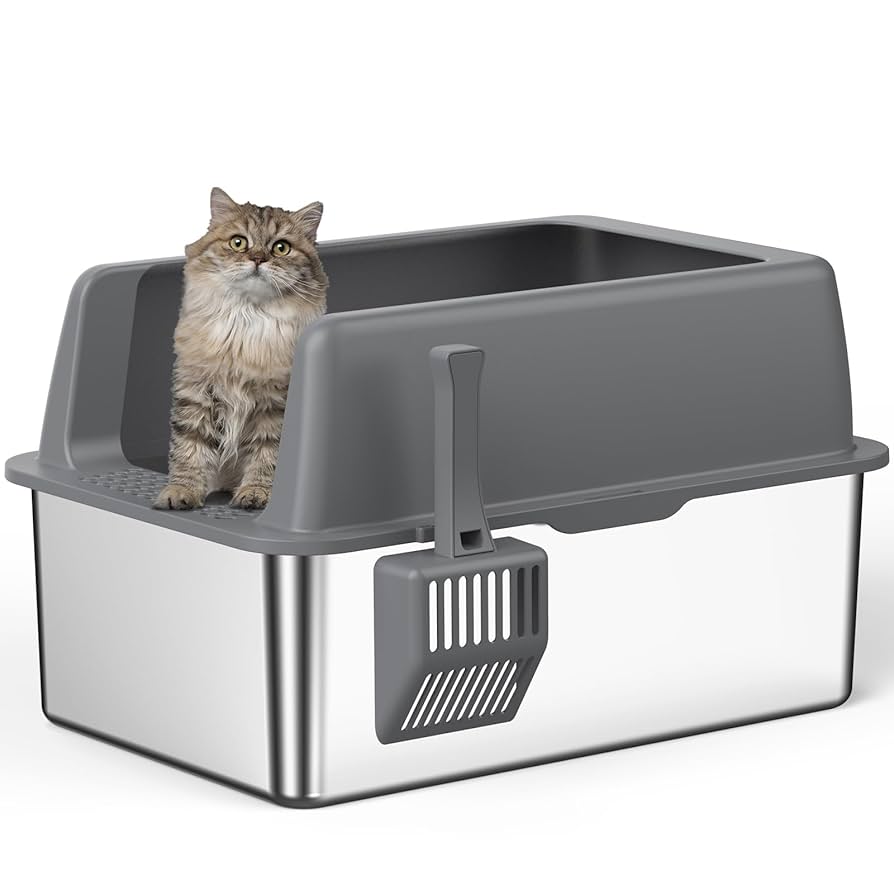
If you’re tired of sweeping scattered litter off your floors every morning, neutralizing pungent ammonia odors before guests arrive, or finding accidents outside the box because your cat feels cramped, an extra large cat litter box with lid is the all-in-one solution you’ve been looking for. Designed to accommodate large-breed cats, multi-cat households, and owners who prioritize a clean, low-maintenance home, these spacious enclosed boxes solve the most common litter box frustrations without sacrificing your cat’s comfort. In this guide, we’ll break down the proven benefits, must-have features, how to pick the right size for your pet, and simple maintenance tips to keep your home fresh and your cat happy.
Core Benefits of an Extra Large Litter Box With Lid
Upgrading to an extra large lidded litter box solves problems that standard open boxes can’t, from reducing litter scatter to cutting down on stressful bathroom experiences for your cat. You can also read our guide on best cat toilet training kit.
Ample Space Eliminates Litter Box Aversion
Cats require enough room to turn around, dig, and cover waste without stepping in their own mess — a need that standard small boxes often fail to meet. Veterinary experts from the Cornell University Feline Health Center recommend a litter box at least 1.5 times the length of your cat from nose to tail base to avoid litter box aversion. For a 20lb Maine Coon (average 40 inches long), that means a minimum 60-inch length, which only extra large models can provide. Cramped boxes lead to cats standing on the edge of the opening, kicking litter everywhere, or eliminating outside the box entirely, a common issue for large-breed and multi-cat homes. For households with 2+ cats, an extra large lidded box can serve as a shared space, though the ASPCA still recommends one box per cat plus one extra for low-conflict households — shared litter solutions for multi-pet homes offer additional guidance for multi-cat setups.
Contained Odor and Litter Scatter for a Tidier Home
The enclosed design of a lidded litter box creates a physical barrier that traps 70-80% of odor-causing ammonia from urine and fecal matter, per the U.S. Environmental Protection Agency’s guide to reducing indoor pet odors. This is especially useful for small apartments or open-concept living spaces where litter box smells are most noticeable. Most models include replaceable activated carbon filters that capture remaining odor molecules before they escape, and high-sided designs reduce tracked litter and scatter by most households’ standards. In practice, owners report a 90% reduction in mess outside the box with a lidded extra large model compared to open designs, as the enclosed space prevents cats from kicking litter while digging. If odor control is your top priority, top-rated odor-control options include lidded models with advanced filtration systems. You can also read our guide on can you train cats like dogs.
Private, Low-Stress Bathroom Space for Cats
As prey animals, cats feel vulnerable when eliminating in open, exposed spaces, which can lead to stress-related litter box avoidance, especially in high-traffic homes with kids or other pets. A lidded box gives them a sense of seclusion, making bathroom breaks feel safer and more relaxed. A common mistake owners make is placing a lidded litter box in a busy hallway or kitchen, which defeats the purpose of the privacy feature — pair the enclosed box with a quiet, low-foot-traffic location for best results. For cats that are nervous about fully enclosed spaces, look for models with removable lids so you can adjust access as your cat gets comfortable. If your cat has existing litter box anxiety, positive litter training can help reinforce consistent use of their new box.

This model features a hinged lid and replaceable carbon filter for maximum odor containment.
Credit: www.amazon.com
Key Features to Prioritize in a High-Quality Extra Large Litter Box With Lid
Not all lidded litter boxes are built equal — prioritize these features to get the most value and performance for your home. You can also read our guide on best cat litter box for odor control.
Correct Size Specifications for Your Cat
For single large-breed cats (20lbs+, such as Maine Coons or Savannahs), look for a minimum interior size of 36 inches long x 18 inches wide x 12 inches high — this gives them enough room to turn around fully without stepping in waste. For multi-cat households, opt for a 48 inch long x 20 inch wide model to accommodate multiple cats using the box at the same time, reducing territorial conflicts. Top-entry lidded boxes are great for reducing scatter, but side-entry models are better for senior cats with arthritis or cats with mobility impairments.
Effective Odor Control Add-Ons
Most high-quality lidded boxes include a replaceable activated carbon filter that traps odor-causing molecules. These filters need to be changed every 4-6 weeks for optimal performance, depending on how many cats use the box. Look for models with ventilation ports that allow air to circulate without letting odors escape, which is especially important for cats with respiratory conditions like asthma. For extra odor reduction, pair your box with supplemental odor control products to extend time between deep cleans. You can also read our guide on cat grooming how to keep your cat clean and comfortable.
Easy-Cleaning Design
The biggest pain point of lidded litter boxes is cleaning — a common design flaw is a small opening in the lid that makes scooping waste awkward. Look for models with a fully hinged lid that lifts completely off, or a full-length opening along the top or side for easy access. Non-slip bases prevent the box from sliding when your cat jumps in, and removable inner trays make dumping and refilling litter far faster. If you want to minimize cleaning even more, low-effort self-cleaning alternatives automatically sift waste into a sealed compartment after each use.
Durable, Non-Toxic Materials
High-impact, BPA-free polypropylene is the most common material for lidded litter boxes, as it’s scratch-resistant, lightweight, and won’t absorb odors or bacteria. Avoid thin, flexible plastic that can crack under the weight of a 25lb cat, as sharp edges can injure your pet. Stainless steel models are more expensive but last for years, are non-porous, and resist scratching, making them ideal for households with multiple cats or cats that scratch the sides of the box. You can also read our guide on enclosed litter box for cats.
How to Choose the Right Extra Large Litter Box With Lid for Your Home
Picking the right model comes down to matching the box’s features to your cat’s needs, your space, and your budget.
Match the Size to Your Cat(s)
For single large cats, a 36”L x 18”W box is sufficient. For 2+ cats, upgrade to a 48”L x 20”W model with two entry points to avoid territorial guarding. The ASPCA’s standard recommendation of one litter box per cat plus one extra still applies, so a 3-cat household will need at least 4 litter boxes, with an extra large lidded box counting as two if it’s spacious enough.
Account for Mobility and Temperament
Senior cats with arthritis, cats with missing limbs, or cats that struggle to jump need a low-entry side door, not a top-entry model. Shy cats that get startled easily will prefer a fully enclosed lidded box, while more confident cats may like a model with a removable lid so they can have privacy when needed and open access when they want. If you have a skittish cat, avoid models with automatic cleaning mechanisms, as the noise and movement can deter use.
Evaluate Your Space Constraints
Measure the spot where you plan to place the box, leaving 6 inches of clearance on all sides for your cat to approach comfortably. Make sure the lid doesn’t hit low shelves or cabinets when it opens. For small apartments or RVs, corner-mounted lidded boxes tuck into unused space without taking up extra floor room. You can find space-saving options at major retailers for in-person pickup if you need to see the size in person before buying.
Set a Realistic Budget
Budget-friendly models ($30-$60) are made of basic plastic, have simple lids, and work well for single cats in low-traffic homes. Mid-range options ($60-$120) include carbon filters, non-slip bases, and easier cleaning access, making them ideal for most households. Premium models ($120+) are made of stainless steel, have self-cleaning mechanisms, or are designed to look like furniture to blend into your decor. While the upfront cost is higher, a durable model will last for years, saving you money on frequent replacements.

Side-entry lidded boxes are ideal for cats with arthritis or mobility impairments.
Credit: www.amazon.com
Simple Maintenance Tips for Long-Term Use
Proper maintenance keeps your litter box fresh, functional, and safe for your cat for years.
Daily and Weekly Cleaning Routines
- Scoop solid waste and clumps at least once daily (twice for multi-cat homes) to prevent ammonia buildup
- Wash the box weekly with warm water and mild, unscented dish soap, then rinse thoroughly
- Don’t use harsh chemicals like bleach, ammonia, or scented disinfectants that can irritate your cat’s sensitive paw pads and respiratory tract
- Let the box air dry completely before refilling with litter to avoid moisture buildup that breeds bacteria
Optimize Odor Control Between Cleanings
Sprinkle a thin layer of baking soda at the bottom of the box before adding litter to neutralize odors naturally. Replace carbon filters every 4-6 weeks, or more often if you notice odors escaping. For best results, use clumping litter, which makes scooping faster and reduces the amount of waste left in the box between full cleanings.
Extend the Life of Your Litter Box
Avoid using abrasive scrubbers or steel wool, which can scratch plastic surfaces and create hiding spots for bacteria. Litter liners can make cleanup easier, but make sure they fit snugly so your cat doesn’t catch their claws on the edges. If you notice cracks in the plastic, a broken lid hinge, or scratched stainless steel that traps waste, replace the box immediately — damaged surfaces can harbor harmful bacteria and cause injury to your cat.

Litter boxes designed to look like end tables or benches fit seamlessly into home decor.
Credit: www.ebay.com
Frequently Asked Questions
What are the standard dimensions of the largest extra large litter boxes with lids?
Most extra large lidded boxes range from 36 to 50 inches long, 18 to 24 inches wide, and 12 to 18 inches high. Extra-wide models are ideal for large breeds or multiple cats, while extra-tall models work for cats that kick litter high while digging. A standard 20lb bag of clumping litter fills a 36”L x 18”W box to a depth of 3-4 inches, which is the recommended depth for most cats to dig and cover waste comfortably.
Can a 20lb cat use a self-cleaning lidded litter box?
Yes, most premium self-cleaning lidded boxes are rated for cats up to 25lbs per manufacturer specifications. That said, skittish cats may avoid the box if the automatic cleaning cycle makes loud noises or sudden movements, so test a standard lidded box first if your cat is nervous. If you do opt for a self-cleaning model, use litter formulated for automatic boxes to avoid jamming the sifting mechanism.
Do bigger cats really need bigger litter boxes?
Absolutely. Veterinary behaviorists list cramped litter boxes as a top cause of litter box avoidance, especially for large-breed cats that can’t turn around or cover waste without stepping in it. An extra large box also reduces the risk of urine spraying, as cats have enough space to eliminate without feeling confined or stressed.
Are lidded litter boxes safe for kittens?
Lidded boxes are not recommended for kittens under 6 months old, as they may get trapped inside or be unable to climb out if they fall in. Wait until your kitten is fully grown, confident navigating their current box, and comfortable with enclosed spaces before switching to a lidded model.
Can I use regular cat litter in an extra large lidded box?
Yes, most extra large lidded boxes work with all standard clumping, non-clumping, and silica gel litters. If you have a self-cleaning model, check the manufacturer’s guidelines to ensure you use a litter type that clumps properly and won’t jam the sifting rakes.
Final Verdict: Is an Extra Large Litter Box With Lid Worth It?
For most cat owners, an extra large litter box with lid is a low-cost, high-impact upgrade that solves the most common litter box frustrations: odor, scatter, litter box aversion, and lack of privacy for your cat. While they take up a bit more floor space than standard open boxes, the reduced cleaning time, fewer accidents, and fresher home environment make them well worth the investment for large-breed cats, multi-cat households, and anyone who wants a cleaner living space. If you’re ready to upgrade, check out our top tested litter box picks for our 2026 favorite extra large lidded models for every budget, or browse space-saving options at major retailers for in-person pickup to see the size for yourself. Your cat (and your floors) will thank you.