
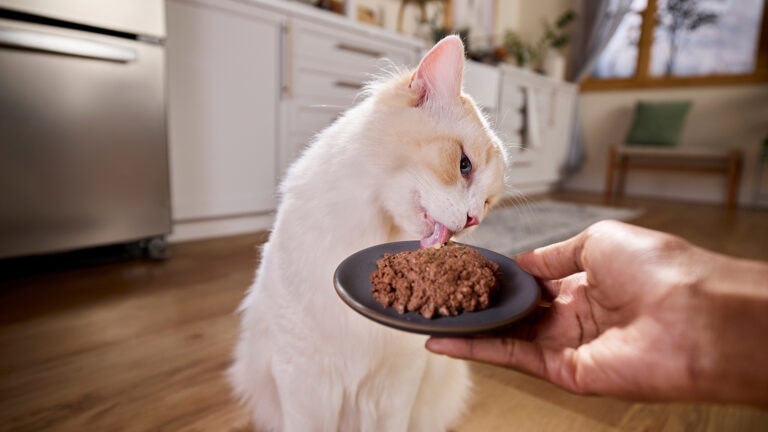
Imagine watching your feline friend frolic around in sheer joy after encountering a sprinkle of catnip. It's a scene that never fails to amuse and intrigue.
But have you ever stopped to wonder if this aromatic plant offers more than just a playful escape? Is there any nutritional value in catnip that could benefit your cat's health? As a responsible pet owner, you want the best for your furry companion, and understanding what they consume is part of that care.
Dive into this fascinating topic with us, as we explore whether catnip is merely a playful indulgence or if it holds hidden nutritional treasures for your cat. Stick around; you might be surprised by what you discover!
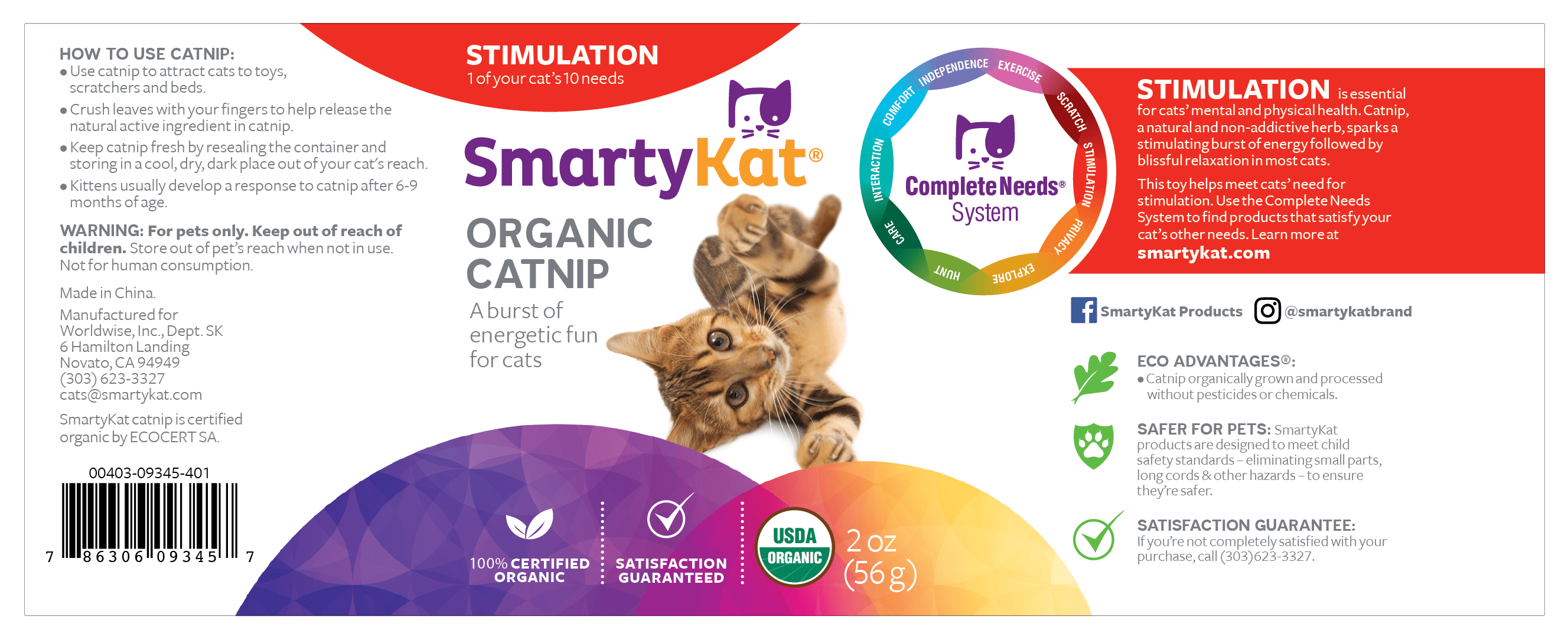
Credit: www.walmart.com
Catnip And Its Components
Exploring catnip reveals its aromatic oils, but it lacks significant nutritional value for cats. Cats enjoy its effects, yet it doesn't contribute to their dietary needs.
Catnip, a member of the mint family, is a favorite among many cats. It contains compounds that can trigger playful behavior. Understanding its components helps us learn why cats love it.
Active Compounds In Catnip
Catnip contains a compound called nepetalactone. This essential oil is found in the leaves and stems. It plays a key role in attracting cats. Nepetalactone acts as a stimulant for most felines. Not all cats react to catnip. Sensitivity to nepetalactone is hereditary. About 50-75% of cats are affected by it. Other compounds in catnip include tannins and flavonoids. These contribute to its aroma and taste.
How Cats React To Catnip
When cats encounter catnip, they often show excitement. They may roll around or rub their faces on the plant. Some cats may purr or become hyperactive. This response usually lasts about 10 to 15 minutes. Afterward, cats may lose interest in catnip for a while. Younger kittens and older cats might not respond at all. Each cat's reaction is unique and can vary. Understanding these components helps pet owners use catnip effectively.
Nutritional Aspects Of Catnip
When you think about catnip, you probably picture a delighted cat rolling around in pure bliss. But beyond its euphoric effects, does catnip actually offer nutritional value for your feline friend? Understanding the nutritional aspects of catnip can help you make informed decisions about incorporating it into your cat's lifestyle.
Potential Health Benefits
Catnip isn't just about playtime fun. It can serve as a mild sedative, reducing stress and anxiety in your cat. This can be especially beneficial during stressful situations like vet visits or thunderstorms.
Some owners report improved digestion in their cats after consuming catnip. It might help with minor stomach upsets. However, moderation is key, as too much can lead to gastrointestinal issues.
Consider how catnip could become a tool in behavioral training. Its allure might encourage your cat to use a scratching post or engage with toys, keeping them active and mentally stimulated.
Essential Nutrients In Catnip
Catnip isn't a nutritional powerhouse, but it does contain some beneficial components. It is rich in vitamins C and E, which are antioxidants that can support your cat’s immune system.
While catnip contains essential oils, these are more about the aromatic effects than nutritional ones. They can stimulate your cat's senses, enhancing mood and playfulness.
Additionally, catnip offers trace amounts of minerals like magnesium and potassium. These contribute to overall health but aren't significant enough to replace a balanced diet.
Have you ever noticed how your cat's mood changes with catnip? Perhaps it's worth considering how these nutritional aspects can complement their diet. Would you add it to your cat's routine?
Comparing Catnip To Other Feline Foods
Catnip, a popular feline treat, lacks significant nutritional value for cats. While it offers mental stimulation and playful behavior, it doesn't provide essential nutrients like proteins or vitamins found in regular cat food.
Catnip is often associated with playful moments for cats. But does it offer any nutritional benefits? Let's explore how catnip stacks up against other feline foods.
Traditional Cat Foods
Traditional cat foods, like kibble and canned food, provide essential nutrients. They are rich in proteins, fats, and carbohydrates. These nutrients are vital for a cat's overall health. Proteins help build strong muscles. Fats offer energy and support skin health. Carbohydrates, though less needed, provide additional energy. Cats require specific vitamins and minerals. Taurine is crucial for vision and heart health. Vitamin A supports immune function. These nutrients are often added to commercial cat foods. Catnip, by contrast, lacks these essential nutrients.
Herbal Alternatives
Herbal alternatives, like catnip, provide different benefits. Catnip acts more like a stimulant than a nutrient source. It can encourage play and reduce stress in some cats. This can lead to improved mental well-being. Other herbs, such as valerian root and silver vine, offer similar effects. They can promote relaxation and enhance a cat's mood. Yet, these herbs do not replace a balanced diet. They should be seen as supplements, not meal replacements. In essence, catnip and similar herbs offer playful benefits. But they do not fulfill dietary needs. A balanced diet remains essential for a cat's health.

Credit: mckenzieseeds.com
Safety And Consumption Guidelines
Understanding the safety and consumption guidelines of catnip is essential for cat owners. While catnip offers enjoyment to many felines, it's important to ensure it is used correctly. Below, we delve into recommended amounts and possible side effects, ensuring your cat's playtime remains safe and fun.
Recommended Amounts
Offer your cat small amounts of catnip at first. This helps gauge their reaction. A sprinkle or a small toy filled with catnip is enough. Always monitor your cat's behavior to ensure they don't consume too much. Catnip is not harmful in moderation, but excessive amounts can cause discomfort.
Possible Side Effects
While most cats enjoy catnip, some might experience mild side effects. Overconsumption could lead to vomiting or diarrhea. Observe your cat for any signs of distress after using catnip. If adverse reactions occur, reduce the amount or frequency of exposure. Always consult a vet if you notice persistent issues.
Research On Catnip's Nutritional Value
Research explores whether catnip offers nutritional benefits for cats. This plant primarily stimulates cats without providing significant nutritional value.
Research on Catnip's Nutritional Value Have you ever wondered if catnip offers any nutritional benefits to your feline friend? While catnip is famous for sending cats into a playful frenzy, its nutritional value remains a topic of curiosity for many pet owners. Understanding the science and expert opinions behind it could be enlightening and beneficial for your cat's overall health.
Scientific Studies
Scientific studies on catnip's nutritional value are limited, but they do offer some intriguing insights. Catnip contains essential oils, mainly nepetalactone, which is responsible for its intoxicating effects on cats. However, these oils don't provide significant nutritional benefits, as they mainly affect the cat's sensory perceptions rather than its dietary needs. Additionally, catnip contains vitamins like vitamin C and E, albeit in small amounts. These vitamins contribute to overall health but are not present in quantities that could replace a balanced diet. This raises an interesting question: should catnip be considered more of a treat than a nutritional supplement for your cat?
Veterinarian Opinions
Veterinarians often have mixed opinions on the nutritional value of catnip. Many agree that while catnip can stimulate activity and mental engagement, it shouldn't be relied upon for its nutritional content. Dr. Sarah, a local vet, once mentioned how catnip is excellent for mental stimulation but isn't a substitute for a well-rounded diet. She emphasizes the importance of maintaining a balanced diet with sufficient proteins, fats, and carbohydrates rather than focusing on treats like catnip. Veterinarian advice often circles back to moderation—using catnip as a fun, occasional treat rather than a dietary staple. Do you consider your cat's treats as part of their overall health plan?
Myths And Facts About Catnip
Catnip may excite cats, but it holds minimal nutritional value. Its allure lies in the scent that triggers playful behavior. While it doesn't nourish, it offers mental stimulation and joy for your feline friend.
Catnip is often associated with playful antics and frenzied behavior in cats, but its nutritional value is less discussed. This aromatic herb, belonging to the mint family, is famous for its ability to send cats into a state of bliss. But what are the common myths surrounding catnip, and what facts are grounded in scientific evidence?
Common Misconceptions
Many people believe that catnip is a sort of feline drug, harmful in large quantities. However, this is not true. Catnip is non-addictive and safe for cats in moderation. Another myth is that all cats react to catnip. Interestingly, sensitivity to catnip is hereditary, and about 30% of cats show no response to it. If your cat doesn't react, it's perfectly normal. Some also think catnip provides significant nutritional benefits. While it can be a great stimulant, its nutritional contribution is minimal. Catnip is more about fun than nutrition.
Evidence-based Insights
Scientific studies have shown that catnip contains nepetalactone, which can stimulate a cat's sensory neurons. This often results in a temporary state of euphoria, not unlike a human's response to a pleasant scent. In terms of nutrition, catnip offers little. It's primarily valued for its ability to enrich a cat's environment. Think of it as a tool for mental stimulation rather than a dietary supplement. Adding catnip to your cat's routine can encourage play and exercise, contributing to overall well-being. However, it shouldn't replace balanced nutrition. Always ensure your cat's diet meets all essential nutritional needs. Have you noticed how your cat reacts to catnip? Understanding these myths and facts can help you make informed choices about using this intriguing plant.
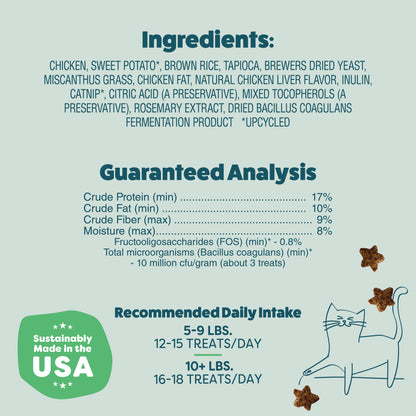
Credit: shamelesspets.com
Frequently Asked Questions
Are There Any Health Benefits To Catnip For Cats?
Catnip offers health benefits like stress relief and stimulation for cats. It encourages physical activity, aiding weight management. Additionally, catnip can improve mood and reduce anxiety in cats. Not all cats respond to catnip, but those who do can enjoy its positive effects on their well-being.
What Are The Downsides Of Catnip?
Catnip can cause vomiting or diarrhea in some cats. Some cats may become overly aggressive or hyperactive. Excessive exposure may lead to decreased sensitivity over time. Not all cats respond to catnip, and reactions can vary widely. Always monitor your cat's behavior when introducing catnip.
Is It Okay To Give A Cat Catnip Every Day?
Giving catnip to cats every day is generally safe in moderation. Cats may enjoy the playful effects. Ensure they don't consume excessive amounts, as it could lead to digestive upset. Monitor your cat's behavior and health, and consult a vet if unsure.
Always prioritize your cat's well-being and happiness.
Should Cats Actually Eat Catnip?
Cats can safely consume catnip in moderation. It acts as a mild stimulant, boosting playful behavior. Most cats enjoy its effects, which are temporary and harmless. Ensure fresh, quality catnip for the best experience. If your cat shows any adverse reactions, consult a veterinarian promptly.
Always introduce new substances gradually.
Conclusion
Catnip offers little nutritional value for cats. Its main benefit is entertainment. Cats love the playful effects of catnip. It can stimulate their senses and encourage activity. While it doesn't replace a balanced diet, catnip can enrich a cat's environment.
Always use it in moderation. Too much can cause temporary digestive upset. Every cat reacts differently to catnip. Some might not respond at all. It's not a necessity, but it can be a fun treat. Observe your cat's reactions. Adjust usage as needed.
Providing a variety of experiences keeps cats happy and healthy.
