
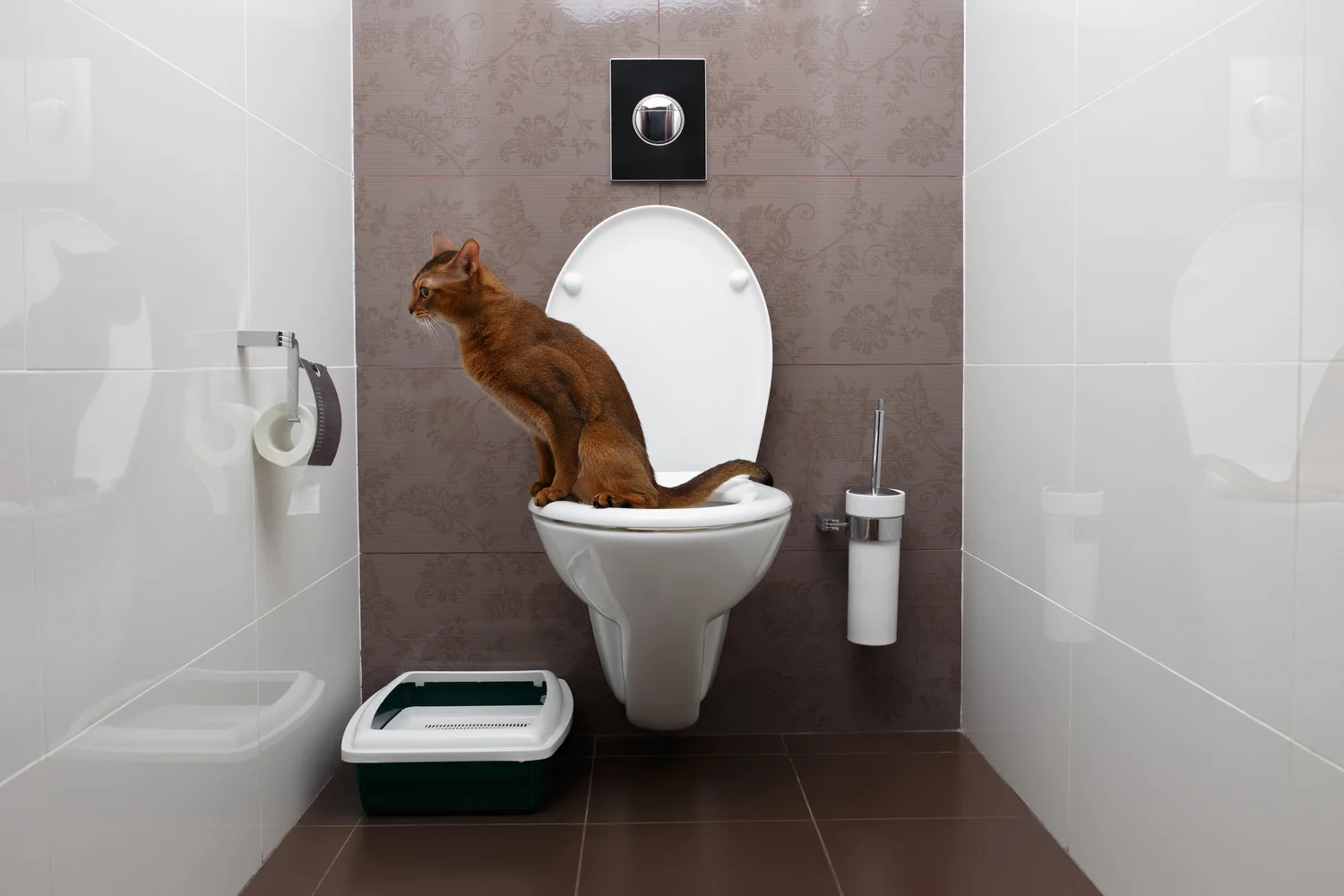
Imagine coming home to a house free from any unexpected surprises left by your feline friend. Sounds delightful, doesn’t it?
If you’ve ever wondered whether cats need potty training, you’re not alone. You might be questioning how to ensure your kitty uses the litter box every time. The truth is, cats are naturally inclined to cover their business, but sometimes they need a little guidance.
You'll discover insights that could transform your cat's bathroom habits and make your life a lot easier. Stick around to learn the secrets to a clean and harmonious home with your beloved pet. Your curiosity will thank you!
Cat Potty Habits
Cats naturally use litter boxes without much training. They instinctively seek places to dig and bury waste. Encouraging this behavior with a clean, accessible litter box can help maintain proper potty habits.
Cats are fascinating creatures with unique habits. Understanding their potty habits can help you in providing a stress-free environment for them. Unlike dogs, cats often have an instinctual knack for using litter boxes. Yet, they can sometimes display unusual behaviors when it comes to their bathroom habits. Being aware of these habits can assist in ensuring your cat's comfort and cleanliness.
Understanding Litter Box Preferences
Cats can be picky about their litter boxes. They might prefer a particular type of litter. Some cats like clumping litter, while others prefer non-clumping. The box's location is also crucial. Cats often seek quiet, private spaces for their bathroom needs.
Recognizing Signs Of Discomfort
Cats may avoid the litter box due to discomfort. Signs include frequent meowing or scratching near the box. They might also show signs of distress or anxiety. It's important to address these issues promptly.
Common Potty Habits In Cats
Most cats instinctively bury their waste. This behavior is linked to their wild ancestors. It helps them hide their scent from predators. Cats also tend to use the litter box after meals or naps.
Addressing Unusual Potty Behavior
Sometimes, cats may display unusual potty behavior. They might urinate outside the litter box. This can be due to stress or illness. It's important to consult a vet if such behavior persists.
Training Kittens For Litter Box Use
Training kittens to use the litter box is usually simple. Place the kitten in the box after meals. Praise them when they use it correctly. This reinforces positive behavior. Understanding your cat's potty habits ensures a happy, healthy pet.
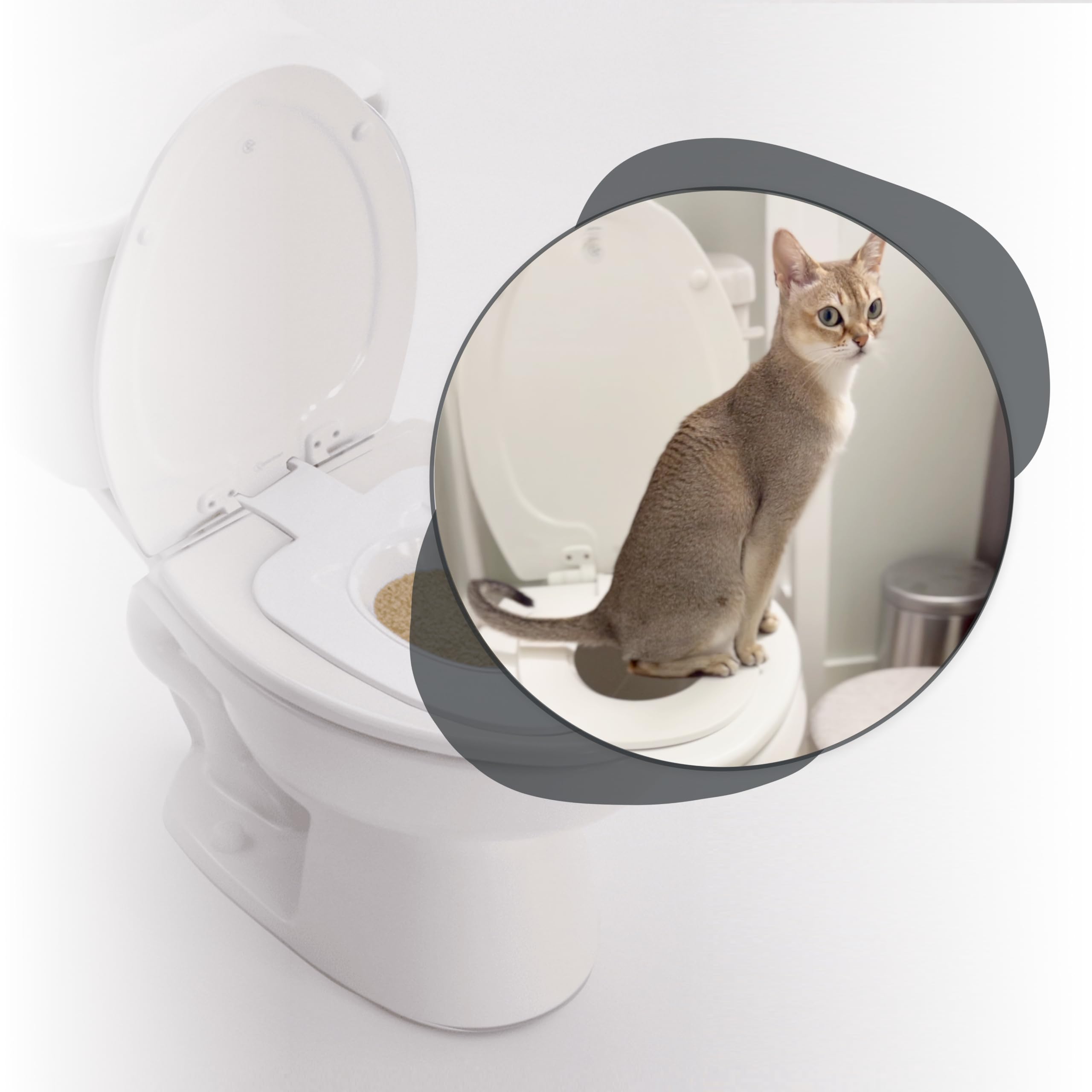
Credit: www.amazon.com
Natural Instincts Of Cats
Cats instinctively know where to relieve themselves. They prefer clean, sandy areas like litter boxes for potty needs. Training might not be necessary due to their natural habits.
Cats are fascinating creatures with strong natural instincts. These instincts often guide their behaviors, including how they handle their potty needs. Understanding these instincts can help cat owners provide the best environment for their feline friends.
Natural Inclination To Bury Waste
Cats have a natural desire to bury their waste. This behavior stems from their wild ancestors who buried waste to hide their scent from predators. This instinct remains strong in domestic cats. A litter box mimics the conditions where they can easily bury their waste. Providing a suitable litter box helps cats feel secure and comfortable.
Territorial Marking
Cats are territorial animals. They use scent marking to establish their territory. Potty training respects this instinct by ensuring they have a dedicated space for their needs. This helps reduce stress and territorial disputes. A well-maintained litter box can also prevent unwanted marking in other areas of the home.
Preference For Cleanliness
Cats are known for their cleanliness. They prefer a clean area to do their business. Regular cleaning of the litter box aligns with their natural preference. A dirty box might discourage them from using it. Keeping the litter box clean ensures your cat stays happy and healthy.
Quiet And Safe Environment
Cats prefer quiet places for potty time. A noisy or busy area can make them anxious. Choose a location for the litter box that is calm and secluded. This respects their need for privacy and security. It encourages regular use of the litter box. Understanding these natural instincts can make potty training easier for both you and your cat. Recognizing their needs helps create a harmonious home environment.
Litter Box Basics
Cats are naturally clean animals, and a well-placed litter box can make potty training a breeze. Understanding the basics of litter boxes is essential for maintaining a harmonious home environment. Whether you’re a new cat owner or a seasoned feline enthusiast, choosing the right litter box and type of cat litter is crucial.
Choosing The Right Litter Box
The perfect litter box can make all the difference. Consider the size and depth of the box. A larger box gives your cat more room to move around, while a deeper box can help prevent litter scatter.
Covered boxes offer privacy, but some cats might find them intimidating. Uncovered boxes provide easy access and visibility. Observe your cat’s behavior to see what suits them best.
Types Of Cat Litter
Picking the right type of litter is just as important as the box itself. Options include clumping, non-clumping, silica gel, and biodegradable varieties. Clumping litter makes for easier cleanup, but the dust might bother some cats.
Non-clumping litter is less dusty but requires more frequent changes. Silica gel absorbs moisture effectively but can be pricey. Biodegradable options are eco-friendly but might not suit every cat's preference.
Experiment with small amounts of different types to find what your cat prefers. Have you ever noticed your cat avoiding the litter box? It might be time to switch things up.
Training Techniques
Cats instinctively use litter boxes, but some may need gentle guidance. Introduce them early to the litter box. Encourage consistent use by placing it in a quiet spot.
Training a cat to use a litter box might seem like a daunting task, but with the right techniques, it can be a smooth process. Cats are naturally clean creatures, and with your guidance, they can quickly learn where to do their business. You might find it fascinating how your feline friend quickly adapts to these techniques. Let's dive into the essential training techniques to ensure your cat becomes a litter box pro.
Introducing The Litter Box
Start by placing the litter box in a quiet, accessible location. Cats appreciate privacy, much like us. You wouldn't want your bathroom in the middle of a busy hallway, right? Choose a spot that’s away from their food and water bowls. This ensures your cat won't associate their eating area with their bathroom. Observe your cat's behavior. If you notice them sniffing around or scratching at the floor, gently guide them to the litter box.
Positive Reinforcement
Reward your cat when they successfully use the litter box. A simple treat or affectionate petting can go a long way. Cats respond well to positive reinforcement. Avoid punishment for accidents outside the box. Negative reactions can confuse your cat and make training more challenging. Be patient and consistent. Celebrate small victories and maintain a routine. Your cat will appreciate the stability and encouragement. Have you ever tried training a cat? What techniques worked best for you?
Common Challenges
Cats can be independent, yet potty training may pose challenges. Owners often face issues ensuring their feline friends use the litter box consistently. Understanding these common challenges helps in addressing them effectively.
Litter Box Avoidance
Some cats refuse to use their litter box. This can be frustrating for owners. Cats may avoid the box due to its location. A noisy or busy area can deter them. They prefer quiet, private spots. The type of litter can also cause avoidance. Some cats dislike certain textures or scents. Regular cleaning is crucial. A dirty box can drive cats away.
Health Issues
Health problems might cause litter box troubles. Urinary tract infections are common culprits. They make urination painful for cats. This discomfort may lead them to avoid the box. Other issues like kidney disease can also affect their habits. It's important to observe any changes in behavior. Early detection can help in managing these health-related challenges.

Credit: www.instagram.com
Tips For Success
Cats generally learn to use the litter box quickly. Provide a clean box and choose a quiet spot. Praise them for using it correctly.
Potty training your cat might sound like a daunting task, but with the right approach, it can be a rewarding experience for both you and your feline friend. Cats are naturally clean animals, and with some guidance, they can learn to use a litter box effectively. Here are some tips to ensure success in potty training your cat, making the process smoother and more enjoyable.
Consistency In Routine
Establishing a consistent routine is crucial for potty training success. Cats thrive on regular schedules, and this applies to their bathroom habits as well. Set a specific time each day to clean the litter box and encourage your cat to use it. This reinforces the habit and helps your cat understand when and where they should go. Keep the litter box in the same location. Moving it around can confuse your cat and disrupt the training process. Ensure that the spot is quiet and easily accessible, away from high-traffic areas.
Monitoring Behavior
Pay attention to your cat's behavior as they can give clues about their potty needs. Look for signs such as sniffing around or scratching at the floor, which may indicate that your cat is looking for a place to relieve themselves. If you notice these behaviors, gently guide them to the litter box. Praise them when they use it successfully. Positive reinforcement goes a long way in encouraging repeat behavior. Be patient and watchful. Every cat is unique and may take different amounts of time to adapt to potty training. If setbacks occur, reassess your approach and make necessary adjustments without frustration. By maintaining a consistent routine and keenly observing your cat’s behavior, you can make potty training a positive experience. Remember, patience and understanding are your best tools in this journey. How have you adjusted your training methods to meet your cat’s needs?
Myths About Cat Potty Training
When it comes to cat potty training, several myths can cloud our understanding. Many people assume that since cats are independent creatures, they naturally handle everything, including their bathroom habits. However, these assumptions might not always hold true. Let's debunk some common myths about cat potty training.
Cats Are Naturally Clean
It's true that cats are known for their cleanliness. They spend a significant portion of their day grooming themselves. This cleanliness often leads people to believe that cats automatically know how to use a litter box. However, while their instinct to bury waste is strong, it doesn't mean they'll always get it right without guidance.
Imagine adopting a stray cat who has never seen a litter box. Despite their natural instincts, they might need some help understanding where to go. A little patience and guidance can help them adapt to their new environment. Have you ever introduced a new cat to your home and watched their confusion around a litter box? It's a reminder that even clean creatures sometimes need a nudge in the right direction.
No Training Needed
Another common belief is that cats require no potty training at all. While many cats quickly learn to use a litter box, it's not always an automatic process. Not all cats are born with the knowledge of using a litter box. Some might need encouragement or a different type of litter to feel comfortable.
Consider a scenario where your cat refuses to use the litter box. This might indicate a need for a change in litter type or box placement. By observing your cat's behavior, you can make adjustments that suit their preferences. Potty training, like any training, requires understanding and adaptation.
Training a cat might not be as intensive as training a dog, but it still involves effort. Have you encountered challenges with a new kitten or an older cat? Share your experiences and remember that patience and understanding go a long way in ensuring your cat feels comfortable in their bathroom habits.
Benefits Of Potty Training
Potty training your cat might seem like an unusual task, but it comes with numerous benefits that can enhance both your life and your feline friend's. While cats naturally have instincts to bury their waste, guiding them towards a specific potty routine can offer a cleaner, more harmonious living environment. Let's dive into the benefits of potty training your cat and see how it can lead to improved hygiene and a stronger bond between you and your furry companion.
Improved Hygiene
By potty training your cat, you significantly enhance the cleanliness of your home. Litter boxes can be messy, often leading to scattered bits of litter and unpleasant odors. Teaching your cat to use a designated potty area or even the toilet can eliminate these issues.
Imagine no more scooping clumps or dealing with litter dust. It's a breath of fresh air for anyone who values a tidy home. Plus, it reduces potential health risks associated with handling cat waste.
And if you have guests over, you won't have to worry about them catching a whiff of cat litter. A clean-smelling home is always more inviting.
Strengthened Bond
Potty training can also strengthen the bond between you and your cat. As you invest time and patience in teaching your cat this new skill, you're actively engaging with them in a positive way. Cats appreciate routine and predictability, and by establishing a potty routine, you create a shared understanding.
Moreover, successful training sessions can boost your cat’s confidence, and they will likely show more affection towards you. It's a rewarding experience for both parties, fostering trust and connection.
Have you ever noticed your cat looking at you with admiration after a successful training session? It's those little moments that make the effort worthwhile.
Credit: www.francisurology.com
Frequently Asked Questions
Are You Supposed To Potty Train Cats?
Cats are naturally inclined to use a litter box. Potty training is usually unnecessary for them. With proper litter box placement and cleanliness, cats typically learn quickly. Encouraging good habits and providing a clean environment ensures success.
Are Cats Naturally Potty Trained?
Cats instinctively bury their waste, making them easy to litter train. Most kittens learn quickly from their mothers. Owners can assist by providing a clean, accessible litter box. Positive reinforcement helps reinforce good habits. Cats' natural instincts make them easier to potty train compared to other pets.
Do Vets Recommend Toilet Training Cats?
Most vets do not recommend toilet training cats. It can cause stress and behavioral issues. Litter boxes are more natural for cats and better for their health. Always consult with a vet for personalized advice on cat training.
At What Age Are Cats Fully Potty Trained?
Cats are typically fully potty trained by 6 months old. Training begins at about 3 to 4 weeks. During this period, kittens learn to use the litter box with guidance from their mother. Regular cleaning and a consistent routine help reinforce this behavior.
Conclusion
Cats are smart and adapt well to litter boxes. Most catch on quickly. But, patience helps if your cat struggles. Offer a clean, accessible litter box. Encourage them gently. Watch for signals they need to go. Praise them when they use the box right.
Consistent routine is key. Each cat is unique, so adjustments might be needed. Remember, a little patience goes a long way. Happy cats mean happy homes. Potty training can be simple with care and understanding. So, nurture this natural habit.
Cats are wonderful companions. Give them time, and they'll find their way.
