
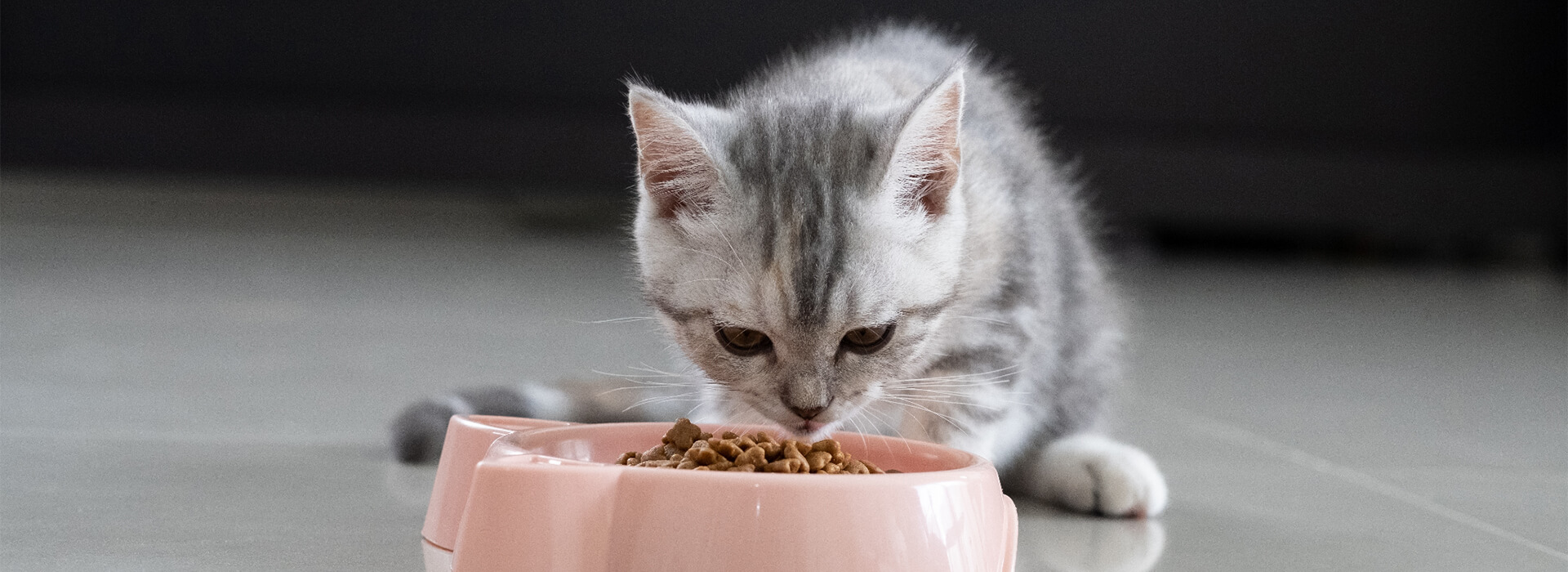
Have you ever found yourself standing in the pet food aisle, overwhelmed by choices and wondering when it's the right time to switch your kitten to cat food? You're not alone.
Transitioning your kitten to adult cat food can feel like a daunting task. You want to ensure your furry friend gets the nutrition they need to grow healthy and strong. This article will help you navigate this important stage in your kitten’s life.
We’ll uncover the signs to watch for, the nutritional differences between kitten and cat food, and expert tips to make the switch smoothly. Imagine the peace of mind you’ll feel knowing you’re giving your kitten the best start possible. Ready to dive in and become a pro at feeding your kitten? Let's explore when you should make the switch to cat food and how to do it right!
Kitten Nutritional Needs
Understanding the nutritional needs of kittens is crucial for their healthy growth and development. As a cat parent, you might wonder when to transition your little furball from kitten food to adult cat food. Knowing the distinct nutritional requirements of kittens compared to adult cats can help ensure your feline friend thrives during their formative months.
Growth And Development Requirements
Kittens are like tiny powerhouses of energy, growing rapidly from the moment they are born. During the first few months, they double their birth weight in a matter of weeks. To support this incredible growth spurt, kittens need a diet rich in essential nutrients. High-quality proteins are vital for building strong muscles and tissues. You might notice that your kitten has a seemingly insatiable appetite; this is perfectly normal as their bodies need fuel to grow.
Think about how quickly your kitten learns and explores their environment. This period of curiosity and exploration is also when their brain is developing at full speed. A diet that includes DHA, an omega-3 fatty acid, can support cognitive development. Have you ever seen your kitten's quick reflexes while playing? Their diet plays a significant role in honing those skills.
Nutrient Differences From Adult Cats
While adult cats and kittens might look similar, their dietary needs are quite different. Kittens require more calories than adult cats due to their high energy levels. A kitten's food is typically higher in fat content to meet these demands. Feeding your kitten adult cat food too early can result in nutritional deficiencies.
Moreover, kittens need specific vitamins and minerals like calcium and phosphorus to aid in bone development. Their food should be formulated to cater to these needs, ensuring they grow into healthy adults. Unlike adult cats, kittens have developing immune systems that benefit from antioxidants found in their specially-formulated food.
Reflect on this: Would you offer a toddler the same meal as a grown-up? Of course not! Just like human children, kittens have distinct dietary requirements that need attention. Observing your kitten's behavior and growth can guide you in making the right nutritional choices.
Credit: aimextools.com
Transitioning To Solid Food
Transitioning to solid food is an exciting milestone for kittens. It's a crucial part of their development, helping them grow strong and healthy. Understanding the process will make it smoother for both you and your feline friend.
Weaning Process
The weaning process begins around four weeks old. During this time, kittens start to explore solid food. Their curiosity leads them to taste and experiment with new textures. It's essential to provide them with a balanced diet to support their growth.
Mother cats naturally start reducing milk supply. This encourages kittens to seek other food sources. You can help by offering small amounts of wet kitten food. Gradually decrease reliance on mother's milk.
Introducing Kitten Food
Introduce kitten food gradually. Begin with wet food mixed with a little water. This creates a soft, mushy texture that is easier for them to eat.
Place the food on a shallow dish. Encourage your kitten to taste it. Their natural curiosity will make them explore the dish. Offer food multiple times a day, ensuring it's fresh.
Monitor their eating habits. Some may take to solid food quickly, while others need more encouragement. Be patient and gentle during this transition.
Choosing The Right Kitten Food
Choosing the right food for your kitten is essential for their growth. They need nutrients to support their developing bodies and minds. Kitten food is specially formulated to meet these needs. It's crucial to select the best option for your furry friend. Consider factors like nutritional content, texture, and taste. Let's explore the choices available.
Wet Vs. Dry Food Options
Wet food is often preferred for its moisture content. It keeps kittens hydrated and supports kidney health. It's also easier for kittens to chew and digest. Dry food, on the other hand, is convenient and less messy. It promotes dental health by reducing tartar buildup. Both options have their advantages. Mixing wet and dry food can offer balanced nutrition.
Reading Food Labels
Food labels provide essential information about ingredients. Look for protein-rich formulas to support muscle growth. Ensure the food contains vitamins and minerals for overall health. Avoid fillers like corn or soy that offer little nutritional value. Check for natural preservatives instead of artificial ones. Labels can guide you to the best choice for your kitten's needs.
Credit: www.whiskas.co.uk
Feeding Schedule For Kittens
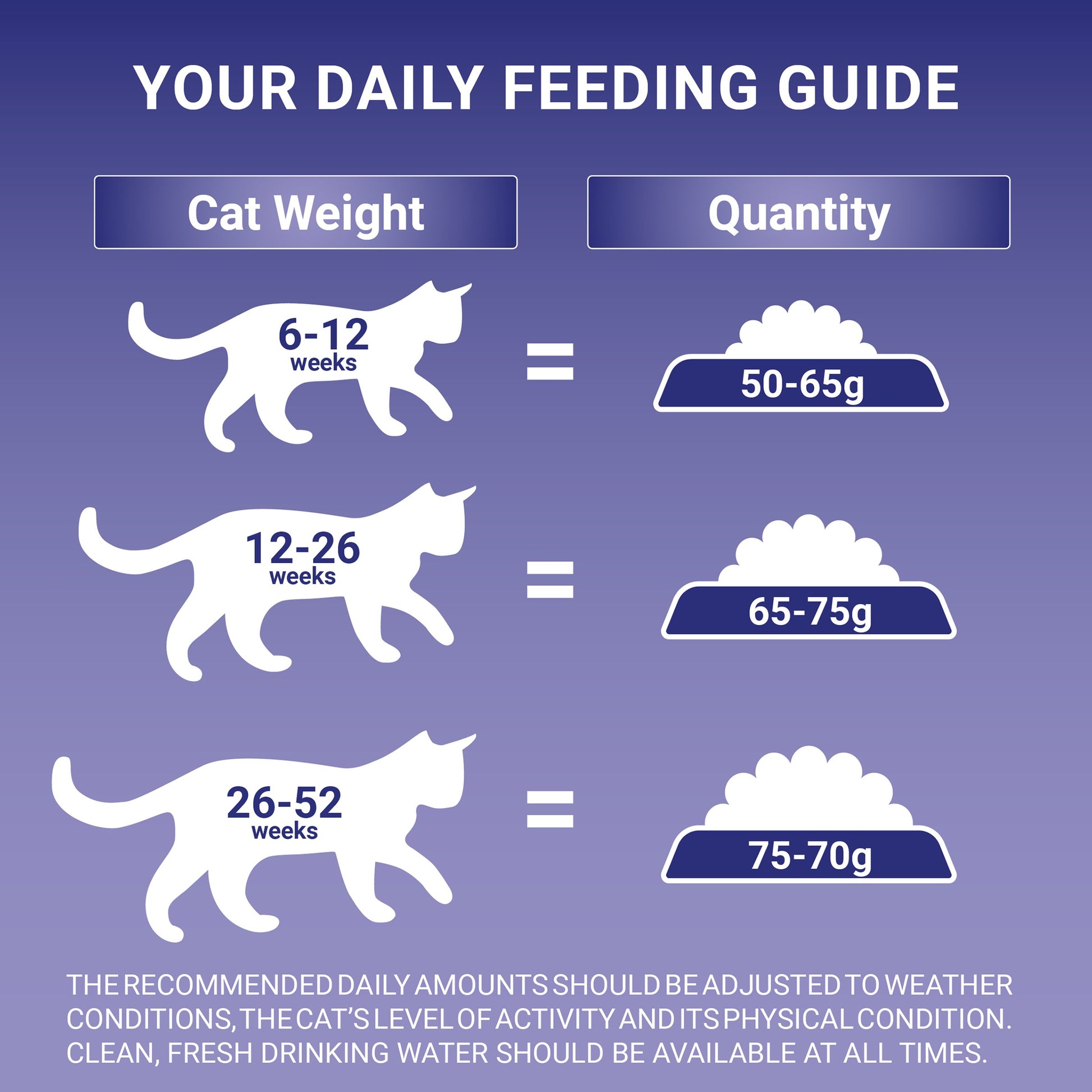
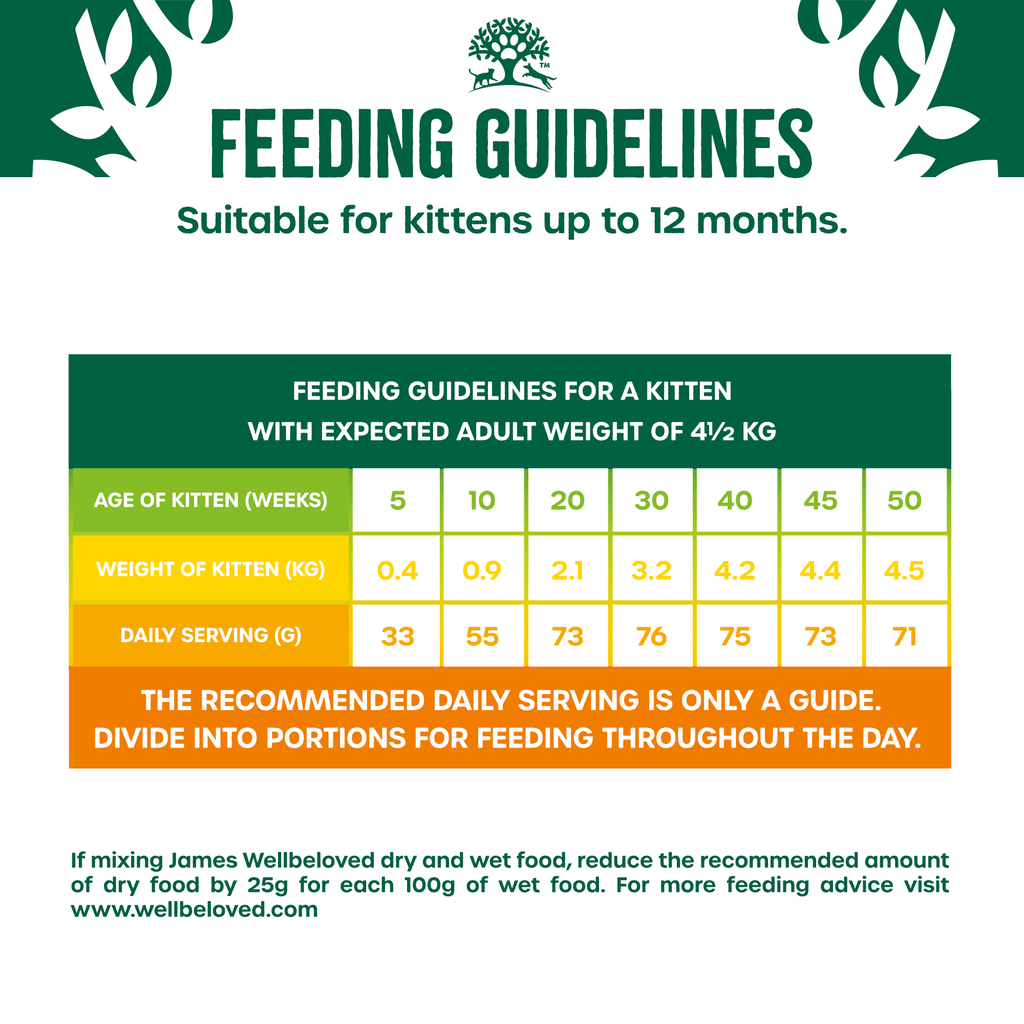
Feeding your kitten the right food at the right time is crucial for their growth and development. But when should you switch to kitten cat food, and what's the best feeding schedule? Understanding the feeding schedule for kittens can help you ensure that your furry friend gets the nutrition they need to thrive. Let’s explore how often you should feed your kitten and what portion sizes are appropriate.
Frequency Of Meals
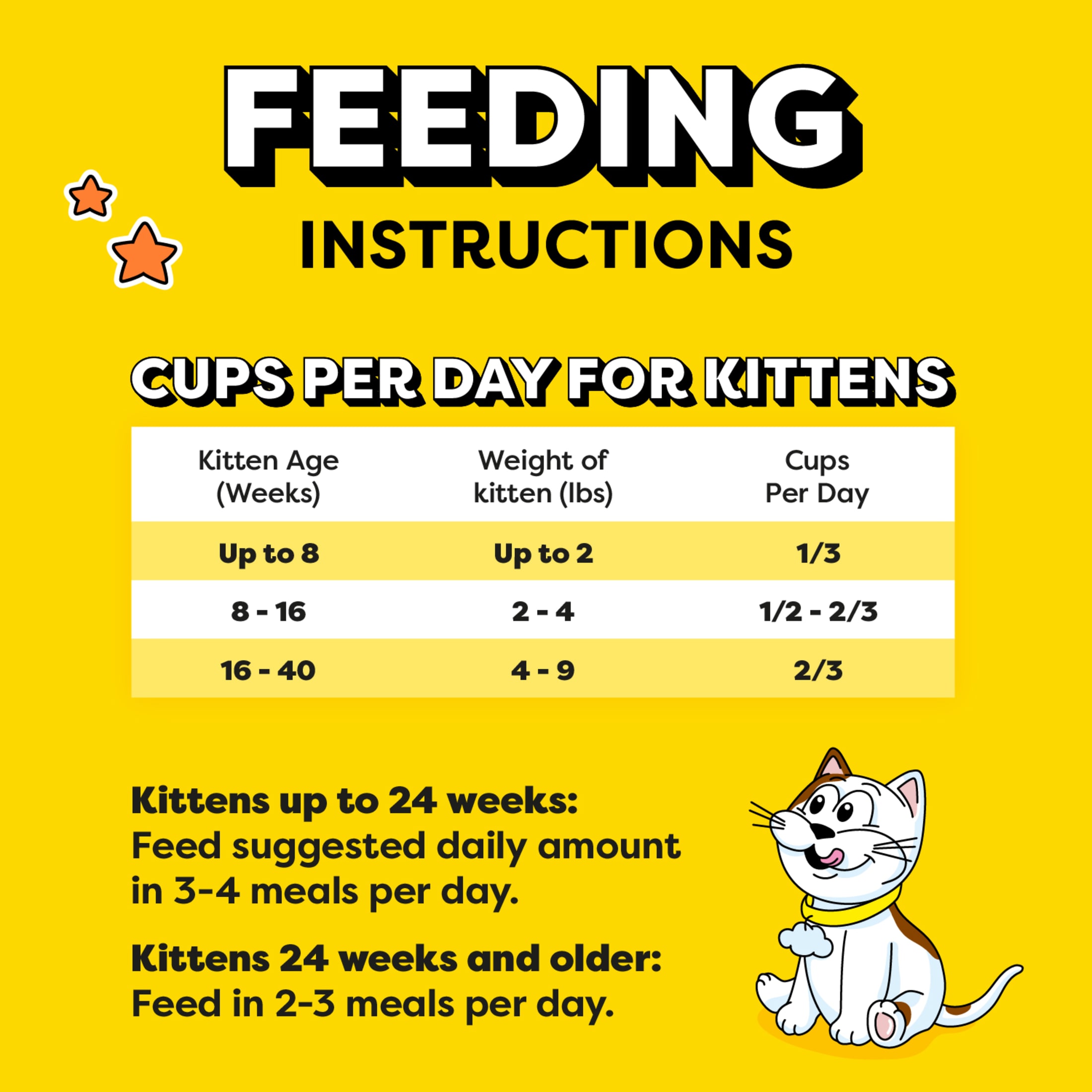
Kittens have tiny stomachs but huge appetites! They typically need to eat more frequently than adult cats to support their rapid growth. Aim to feed your kitten three to four times a day. This frequent feeding schedule helps them get the energy they need to explore and play.
As they grow, you can gradually reduce the number of meals to twice a day. Notice how your kitten responds to this change. Are they hungrier than usual or satisfied? Adjusting based on their needs can make a significant difference in their overall happiness and health.
Portion Size Guidelines
Wondering how much food is enough for your kitten? A good rule of thumb is to offer them about ¼ cup of kitten food per meal. However, this can vary depending on their age, size, and activity level. Always check the feeding guidelines on the cat food packaging for specific recommendations.
Remember, kittens are growing rapidly, so they might need more food during growth spurts. Be attentive to their cues—are they finishing their meals quickly or leaving food behind? Adjust the portion sizes accordingly to ensure they're not overeating or under-eating.
Creating a balanced feeding schedule requires attention and care. Are you ready to tailor a plan that suits your kitten’s needs? Taking these steps will not only foster their physical development but also strengthen your bond with your new feline family member.
Signs Of Readiness For Cat Food
Kittens show readiness for cat food when they start exploring solid foods around four weeks old. By eight to ten weeks, most kittens transition fully to kitten-specific cat food. Watch for interest in their mother's food as a sign they're ready to switch.
Knowing when to transition your kitten from milk to cat food is crucial for their growth and health. Recognizing the signs of readiness can help ensure a smooth changeover. You might wonder, how can you tell if your kitten is ready for this important step?
Physical And Behavioral Indicators
Kittens typically begin showing interest in solid food around four weeks of age. At this stage, you'll notice them nibbling on food or sniffing around the food bowl. This curiosity is a clear sign they're ready to start trying cat food. Look for physical readiness, like the ability to stand and lap up food. If your kitten is still wobbling or unsteady, it might be too soon. Their teeth should also start coming in, which is another indicator they're ready to chew more solid textures. Behaviorally, kittens may mimic their mother's eating habits. If you see your kitten attempting to eat alongside her, it's a good time to introduce them to kitten cat food. Have you observed your kitten showing these signs yet?
Consulting With A Veterinarian
While observing your kitten's behavior is important, consulting with a veterinarian can provide peace of mind. They can assess your kitten's overall health and readiness to switch to solid food. During a vet visit, you can discuss the best type of food for your kitten's breed and health needs. Vets often recommend a specific feeding schedule to help with the transition. Your vet can also advise on any supplements that might be necessary during this growth phase. Have you scheduled your kitten's vet check-up to discuss their diet?
Common Feeding Mistakes
Feeding a kitten requires careful attention to ensure they grow healthy. Mistakes can impact their development and long-term health. Understanding common feeding errors helps prevent issues.
Overfeeding Risks
Overfeeding can lead to obesity in kittens. This may cause health problems like diabetes or joint issues. Monitor portion sizes and follow feeding guidelines. Excessive treats or snacks can also contribute to weight gain. Maintain a balanced diet to support growth and energy needs.
Inappropriate Food Choices
Choosing the wrong food can harm a kitten's health. Adult cat food lacks essential nutrients for kittens. It may lead to deficiencies affecting growth and development. Kitten-specific food is crucial for their needs. Avoid feeding human food which may be harmful or toxic. Stick to veterinarian-approved kitten diets for optimal health.
Maintaining Kitten Health
Transitioning kittens to cat food typically begins around eight weeks old. Their growing bodies need protein-rich meals for healthy development. Always consult a vet to ensure balanced nutrition.
Maintaining the health of a kitten is crucial for its development. A balanced diet supports their growth and energy needs. Feeding kitten-specific food ensures they get the right nutrients.
Monitoring Growth And Weight
Keep an eye on your kitten's weight. Weigh them weekly to track changes. A steady weight gain indicates good health. Sudden weight loss may signal health issues. Observe their physical development too. Healthy kittens have shiny coats and bright eyes. Their energy levels should be high, showing interest in play and exploration.
Regular Veterinary Checkups
Schedule regular vet visits for your kitten. These checkups help monitor their overall health. Vets can advise on the right feeding schedule and food types. They can also detect early signs of illness. Vaccinations and deworming are essential parts of these visits. They protect your kitten from diseases. Regular health assessments ensure your kitten grows strong and healthy.
Credit: www.walmart.com
Frequently Asked Questions
When Can I Start Feeding A Kitten Cat Food?
Start feeding kittens cat food at around 8 weeks old. Choose a high-quality, nutritionally balanced kitten formula. Gradually transition from mother's milk to solid food. Ensure fresh water is always available.
When Should Kittens Start Eating Cat Food?
Kittens should start eating cat food around four weeks of age. Begin with wet food to ease the transition. Gradually introduce dry food as they grow. This helps them adjust to solid foods. Monitor their eating habits and consult a vet if needed.
How Often Do Kittens Need To Eat?
Kittens need to eat three to four times daily. Their small stomachs require frequent meals. Provide consistent meal times to establish a routine. This helps ensure they receive proper nutrition. Adjust the frequency as they mature.
Is Kitten Food Different From Adult Cat Food?
Yes, kitten food is different from adult cat food. It contains more protein and fat. These nutrients support growth and development. Kittens need these for energy and building strong bodies. Always choose food specifically formulated for kittens.
Conclusion
Feeding kittens the right food is crucial. Start with kitten food. It provides essential nutrients for growth. Transition gradually to adult cat food. Typically around one year of age. Watch their health and energy levels. Adjust their diet if needed.
Consult your vet for guidance. They can offer expert advice. A balanced diet keeps your kitten healthy. Helps them grow strong and happy. Always ensure fresh water is available. Proper care leads to a joyful life. Your kitten deserves the best nourishment.
Make informed choices for their well-being.
