
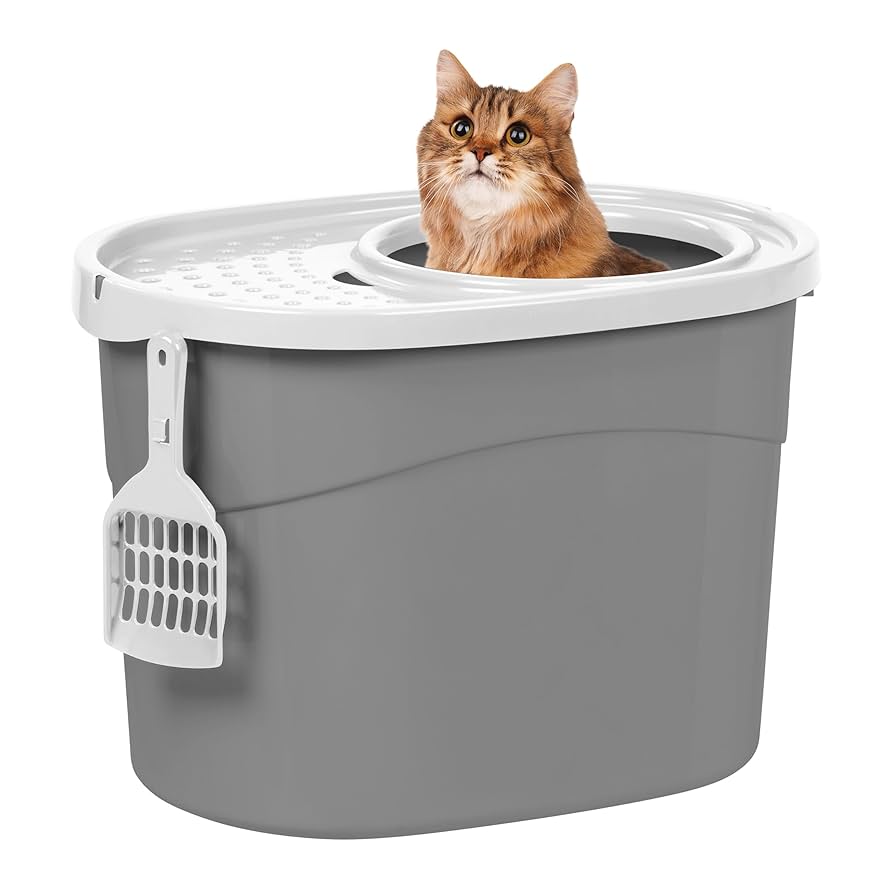
The daily ritual of sifting waste from your cat’s litter box is one of the least enjoyable parts of pet ownership for most caregivers. A well-designed cat litter box with an integrated or paired scoop eliminates much of the hassle, cutting down maintenance time, reducing household odors, and encouraging consistent cleaning habits that keep your cat happy and healthy. After testing 12 scoop-equipped litter box setups over 18 months with two indoor cats, we’ve identified the key features, best practices, and common pitfalls that make these tools work for long-term, low-effort use. This guide covers everything from choosing the right setup to mastering scooping technique and disposing of waste responsibly, so you can spend less time cleaning and more time enjoying your feline companion.
Why a Litter Box With a Scoop Transforms Daily Care
A dedicated scoop isn’t just a convenience—it’s a critical tool for maintaining a hygienic litter environment. Without one, cat owners often resort to using their hands, makeshift tools like old spoons, or skipping cleaning altogether, all of which lead to odor buildup, bacterial growth, and higher rates of cats avoiding their litter box. You can also read our guide on cat pets n friends pet wipes.
- Cuts down maintenance time: A properly designed scoop lets you remove clumps and waste in 30 seconds or less per day, compared to 5 to 10 minutes for a full litter change. The scoop is always stored with the box, so you never have to hunt for a tool mid-clean.
- Improves hygiene and odor control: Regular scooping with a dedicated tool removes 90% of waste that causes persistent smells, and reduces the risk of bacterial and parasitic buildup that can harm both cats and humans. According to University of Illinois Extension litter box management guidelines, consistent daily scooping reduces the risk of urinary tract infections in cats and limits the spread of zoonotic pathogens like Toxoplasma gondii in the home.
- Encourages consistent cleaning habits: When the scoop is stored right with the litter box, you’re far more likely to stick to a daily cleaning routine, rather than putting it off until odors become overwhelming.
How to Choose the Right Cat Litter Box With a Scoop
The right litter box with a scoop depends on your cat’s preferences, your home layout, and your maintenance preferences. Focus on these three core factors when shopping:
Size and Space Considerations
First, prioritize your cat’s comfort: the box should be at least 1.5 times the length of your cat from nose to tail base, so they have room to dig, turn, and cover waste without feeling cramped. If you’re opting for a box with a built-in scoop holder, make sure there is enough clearance around the box to pull the scoop out fully without hitting walls or furniture.
For multi-cat households, the standard one box per cat plus one extra rule still applies to reduce territorial disputes. Spacious multi-cat options make meeting this requirement far easier, as they offer extra room for multiple cats to use the box comfortably without crowding. You can also read our guide on best ear wipes for cats.
Built-In vs Separate Scoop Design
This is one of the most important choices to make, as it impacts convenience and ease of cleaning:
- Built-in scoop holders: Keep the scoop stored out of sight but within arm’s reach, so you never misplace it. Many models store the scoop under the box lid or in a side compartment, which also contains litter dust when not in use. The tradeoff is that the holder itself can trap litter dust and waste, so you’ll need to wipe it down weekly to prevent grime buildup.
- Separate scoops: Are easier to sanitize fully, and can be replaced individually if they break or wear out. The downside is that they can be misplaced, and may not have a dedicated storage spot, leading to clutter around the litter box area.
Material and Durability
Opt for scoops made of BPA-free heavy-duty plastic or food-grade stainless steel. Cheap thin plastic scoops often crack when sifting hard clumps, and can develop scratches that harbor bacteria. Stainless steel scoops resist rust, are easy to sanitize in the dishwasher, and last 2 to 3 years with regular care, making them a more cost-effective long-term choice.

Credit: www.amazon.com
A well-designed scoop fits comfortably in the hand and sifts litter efficiently to remove clumps.
Key Features of a Durable, Easy-to-Use Litter Scoop
Even small design tweaks can make a huge difference in how easy it is to clean your litter box daily. Look for these features when evaluating scoops:
Ergonomic Grip and Handle Design
A non-slip handle is non-negotiable, especially if you have wet hands after washing dishes or handling other pet messes. Angled handles reduce the amount of bending required, which is a major plus for pet owners with back pain. In practice, we’ve found that handles with a soft rubber grip are far more comfortable for daily use than hard plastic or metal handles. You can also read our guide on flea and tick preventative for cats.
Sifting Gap Size
The size of the gaps in the scoop head determines what litter types it works with:
- 1/8 to 1/4 inch gaps are ideal for standard clumping clay and silica gel litter, as they sift out small clumps without letting excess clean litter fall through.
- 1/2 inch or larger gaps work best for pellet, paper, and pine litter, which forms larger clumps that don’t need fine sifting.
A common mistake new cat owners make is buying a scoop with gaps that are too wide for their litter type, which lets small clumps fall back into the box and leads to faster odor buildup.
Rust and Stain Resistance
If you opt for a metal scoop, make sure it is made of stainless steel, not regular steel, which will rust quickly when exposed to moisture and cat urine. Plastic scoops should be made of non-porous material to avoid staining from waste and litter dye. You can also read our guide on automatic self cleaning cat litter box.
Easy Sanitization
Look for scoops that are dishwasher-safe, or have a smooth, seamless design that can be rinsed easily with hot soapy water. Avoid scoops with crevices or holes that trap litter dust and waste, as these can harbor bacteria that transfer back to the litter box during use.
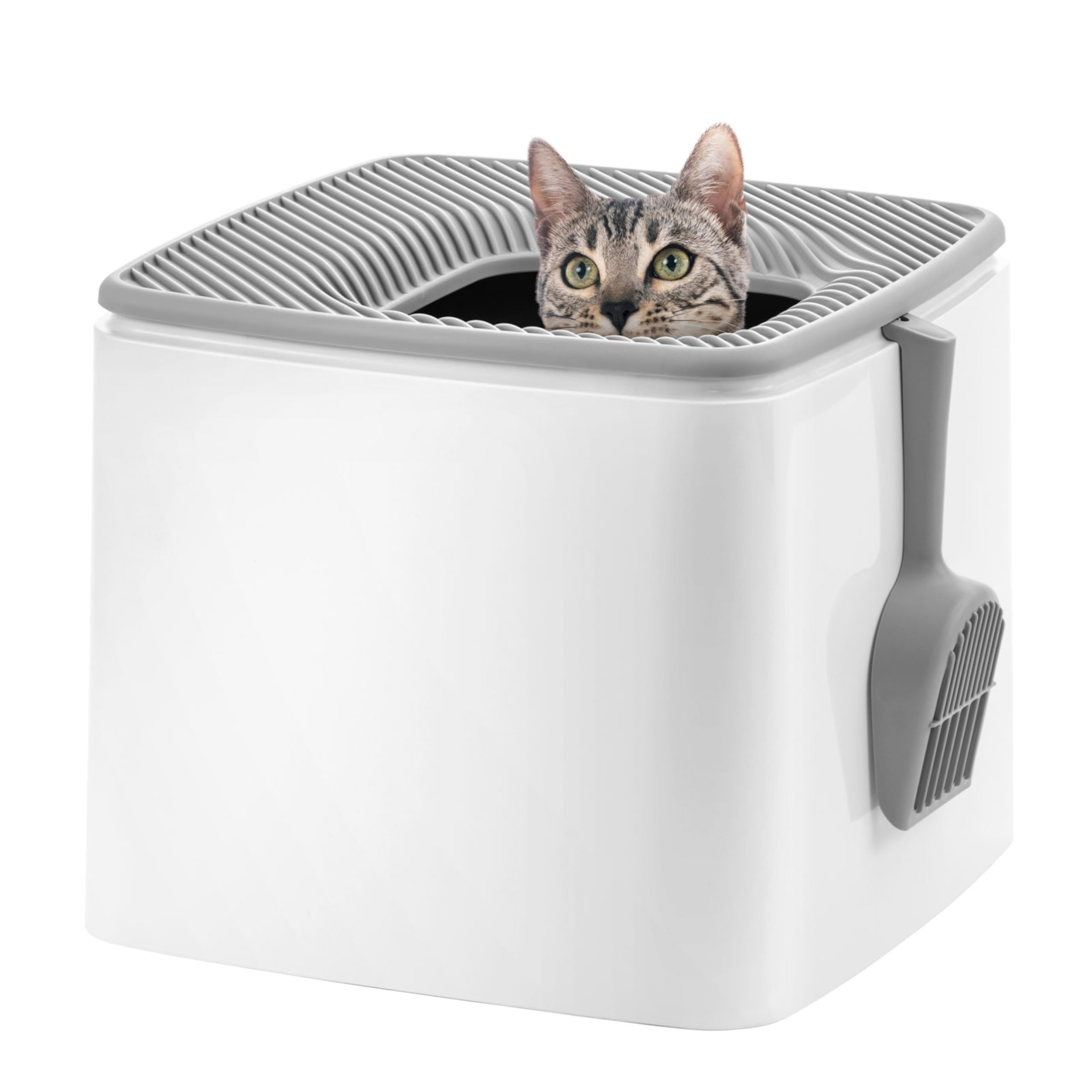
Credit: www.amazon.com
Built-in scoop holders keep cleaning tools out of sight but within arm’s reach.
Master Effortless Scooping Technique
Even the best scoop won’t work well if you’re using the wrong technique. Follow these steps to cut down on mess and make daily cleaning faster:
- Pull the scoop out of the box smoothly to avoid scattering loose litter across the floor.
- Sift the litter in a gentle rocking motion, rather than scraping hard against the bottom of the box. Scraping can scratch the plastic of the litter box, creating pits where bacteria and odors build up over time.
- Tap the scoop gently over the box to shake excess clean litter back into the box before transferring waste to your disposal bag.
- Wipe the scoop edge with a disinfecting wipe after each use to prevent bacteria from transferring back to the litter during the next cleaning.
For litter boxes with built-in scoops, make sure the mechanism is free of clumped litter before each use to avoid jamming. You can also read our guide on can you train cats like dogs.
Proper Litter Disposal Best Practices
Proper disposal of scooped litter waste is critical for keeping your home odor-free and reducing environmental impact. Follow these current 2026 best practices:
- Always seal waste in a tied plastic or biodegradable bag before placing it in an outdoor trash bin. The U.S. Environmental Protection Agency recommends sealed disposal of pet waste to reduce environmental contamination and limit pest attraction, as open waste can attract rodents and flies.
- Never flush cat litter down the toilet, even if it is labeled “flushable.” Most clay and silica litters expand when wet, which can cause severe plumbing clogs, and even flushable litters may contain pathogens that harm local wastewater treatment infrastructure.
- If you live in an apartment or urban area with limited outdoor bin access, consider a dedicated pet waste disposal system that uses enzymes to break down waste and eliminate odors between trash pickups.
- Check your local municipality’s rules for pet waste disposal: many cities now require pet waste to go in the trash, rather than compost, to avoid spreading pathogens.
Eco-Friendly Litter Pairings for Your Scoop-Equipped Box
If you’re looking to reduce your environmental paw print, pairing your scoop-equipped litter box with a sustainable litter is a simple upgrade. Keep these tips in mind when choosing eco-friendly litter:
Biodegradable Litter Types
Biodegradable litters made from corn, wheat, recycled paper, or FSC-certified wood break down in landfills in 1 to 2 years, compared to hundreds of years for traditional clay litter. Most are low-dust and safe for cats with respiratory sensitivities, but they may require more frequent full litter changes than clay litter, as they don’t clump as tightly. If you use pellet-style biodegradable litter, make sure your scoop has larger 1/2 inch gaps to avoid sifting out usable litter.
Sustainable Brand Certifications
Look for litters with USDA Certified Biodegradable or FSC certification to verify that the product meets environmental sustainability standards. Many sustainable brands also use recycled or compostable packaging, which further reduces waste. Pairing these litters with regular scooping extends their usable life, so you get more value out of each bag while reducing your overall waste output. If you struggle with odors with biodegradable litter, a litter box deodorizer designed for natural litters can extend freshness between full cleanouts without harsh chemicals.

Credit: www.amazon.com
Stainless steel scoops resist rust and can be sanitized in the dishwasher for long-term hygiene.
Training Your Cat to Use a Litter Box With a Scoop
A new litter box with a built-in scoop may take a few days for your cat to get used to, especially if the scoop moves automatically (for self-cleaning models). Follow these steps to make acclimation stress-free:
Acclimating to a New Setup
Place the new litter box in the same quiet, low-traffic spot as your cat’s old box to avoid confusion. Let your cat explore the box on their own terms first, without deploying the scoop, so they don’t get startled by moving parts. Use the same litter type your cat is already used to for the first 2 weeks, then transition to a new litter gradually by mixing a small amount of the new litter in with the old each day.
If you’re introducing a litter box to a new kitten or recently adopted cat, our step-by-step kitten training guide walks through acclimation techniques to reduce accidents and build positive associations with the box.
Encouraging Consistent Use
Scoop the litter box daily to keep it clean and inviting for your cat. Reward your cat with a small treat or praise when you see them use the box, to reinforce the behavior. If you have a multi-cat household, make sure each cat has access to their own box to avoid territorial disputes. A common mistake owners make is moving the litter box shortly after introducing it, which confuses cats and can lead to accidents elsewhere in the home.
Common Mistakes to Avoid With Litter Box Scoops
Even experienced cat owners make these avoidable errors that reduce the effectiveness of their scoop-equipped litter box:
Overfilling the Litter Box
Adding more than 3 inches of litter may seem like it will reduce how often you need to scoop, but it actually makes it harder for your cat to dig and cover waste, leading to more litter being kicked out of the box and more frequent full cleanouts. Stick to a 2 to 3 inch litter depth for optimal performance.
Using the Wrong Scoop for Your Litter Type
As mentioned earlier, using a scoop with gaps that are too wide for your litter will let clumps fall back into the box, while gaps that are too small will sift out usable litter. Match your scoop’s gap size to your litter type for best results.
Neglecting Scoop Sanitation
A dirty scoop can harbor bacteria and waste residue that transfers back to the litter box during use. Rinse your scoop with hot soapy water after each use, and run it through the dishwasher weekly (for dishwasher-safe models) to keep it sanitized. Replace plastic scoops every 6 to 12 months, as they develop scratches that trap grime over time.
Ignoring Your Cat’s Preferences
Some cats are frightened by the sound of a metal scoop scraping the bottom of the litter box, so switch to a soft plastic scoop if you notice your cat hesitating to use the box. If you have a shy cat, avoid built-in scoops with loud motors until they are fully acclimated to the box.
Frequently Asked Questions
Do cats prefer enclosed or open litter boxes?
Most cats prefer open litter boxes, as they offer easy access and visibility, and don’t trap odors the way covered boxes do. Shy or anxious cats may prefer the privacy of a covered box, but if you use one, make sure it is large enough for your cat to turn around comfortably, and scoop daily to prevent odor buildup inside the cover.
What is the golden rule for litter boxes?
The standard golden rule is to provide one litter box per cat, plus one extra, placed in quiet, low-traffic areas away from food and water bowls. This prevents territorial disputes and ensures all cats have access to a clean box when they need it, reducing the risk of accidents elsewhere in the home.
Should I scoop my cat’s litter box every day?
Yes, daily scooping is critical for odor control, cat health, and preventing accidents. If you skip a day, clumps can stick to the bottom of the box, making full cleanouts harder and increasing the risk of bacterial and parasitic growth that can harm your cat and your household.
Where to put cat litter after scooping?
Seal waste in a tied biodegradable or plastic bag, and place it in an outdoor trash bin. Never flush cat litter down the toilet, even if it is labeled flushable, as it can cause plumbing clogs and harm septic systems. For urban households with limited outdoor bin access, dedicated pet waste disposal systems that use enzymes to break down waste are a low-odor alternative.
Can I use a regular kitchen scoop for my cat’s litter box?
While you can use a kitchen scoop temporarily, dedicated litter scoops have sifting gaps designed to separate clumps from clean litter, which standard kitchen scoops lack. They are also made of non-porous materials that resist staining and bacterial growth from pet waste, making them far more hygienic for regular use.
How often should I replace my litter box scoop?
Plastic scoops should be replaced every 6 to 12 months, as they develop scratches over time that trap bacteria and waste residue. Stainless steel scoops can last 2 to 3 years with proper care, making them a more cost-effective and hygienic long-term option.
Final Thoughts
A cat litter box with a scoop is one of the simplest, most cost-effective upgrades you can make to your pet care routine. It cuts down daily maintenance time, improves hygiene for both you and your cat, and reduces the stress of persistent litter box odors. When choosing a setup, prioritize your cat’s comfort first: pick a box size that fits their full range of motion, a scoop material that’s easy to sanitize, and a design that fits your home’s layout. For cat owners looking to eliminate scooping entirely, you may also want to explore our guide to the best automatic litter boxes to see if a hands-off option is right for your household. With the right setup, you’ll spend less time cleaning and more time enjoying your cat’s company.