
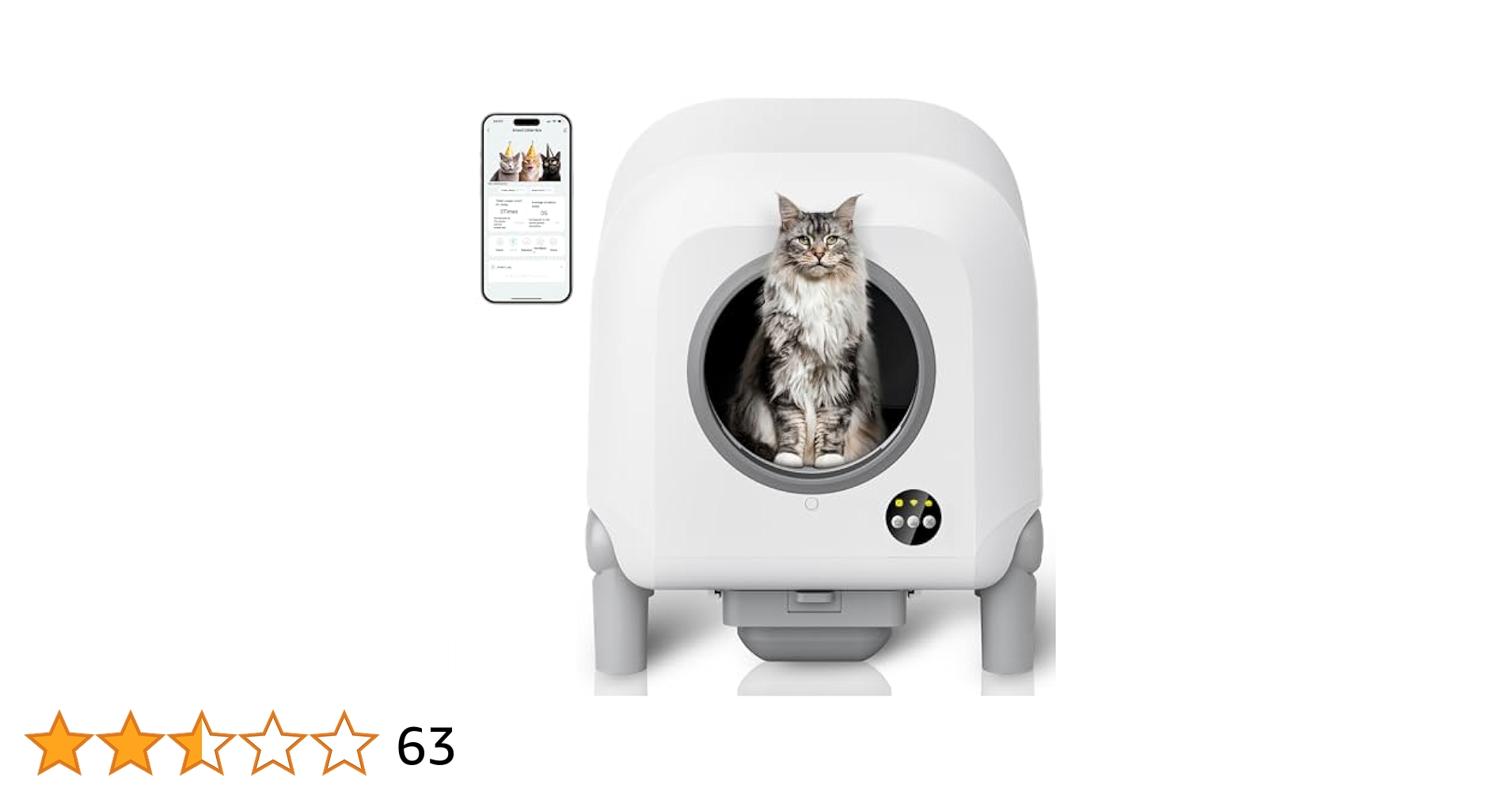
If you’re a cat owner, you’re likely familiar with the daily ritual of scooping the litter box: 10 to 15 minutes of bending over, sifting through clumps, and trying not to hold your breath as odors waft through your home. Beyond the annoyance, a dirty litter box creates real problems for your cat: felines have 67 million scent receptors (compared to humans’ 6 million), so even minor messes can make them avoid the box entirely, leading to accidents or urinary tract issues. Self-cleaning cat litter boxes eliminate this hassle entirely, automating waste removal to keep your home fresh, your cat healthy, and your schedule free for more important things—like cuddles and playtime. In this guide, we’ll break down how these devices work, who they’re best for, key features to prioritize, and how to choose the right model for your household, so you can make an informed decision that benefits both you and your feline friend.
Credit: www.canadiantire.ca

Core Benefits That Justify the Investment
Self-cleaning litter boxes deliver tangible value beyond just cutting down on scooping time, with benefits that extend to your cat’s health, your home’s cleanliness, and your long-term budget. Below are the most impactful advantages of making the switch:
Unmatched Convenience and Time Savings
Traditional litter box maintenance adds up to 90+ hours a year for the average cat owner—time you could spend working, relaxing, or bonding with your pet. Self-cleaning models automate the entire scooping process, with most requiring only a weekly waste drawer empty and monthly deep clean. For busy professionals, frequent travelers, or anyone with mobility limitations, this eliminates a tedious, daily chore entirely. In practice, most users report cutting their litter box maintenance time by 90% within the first week of switching. You can also read our guide on pet friendly wipes for cats.
Superior Odor Control
One of the biggest complaints about traditional litter boxes is persistent ammonia and waste odors that seep into carpets, furniture, and air vents. Self-cleaning models remove waste within minutes of your cat exiting the box, before odors have a chance to spread. Many premium models also include built-in carbon filters or scent neutralizers that trap odor molecules, rather than just masking them with artificial fragrances. This is especially valuable for open-concept homes, small apartments, or households with guests who are sensitive to smells. For extra odor protection, you can pair your self-cleaning box with compatible deodorizing products designed for automated systems.
Improved Feline Health and Hygiene
Cats are fastidious animals, and a dirty litter box is one of the top reasons they develop inappropriate elimination habits or avoid the box entirely, which can lead to urinary tract infections (UTIs) or constipation. Self-cleaning boxes remove waste consistently, reducing bacterial growth that can harm your cat’s paws and urinary tract. Many models also include usage tracking sensors that log how often your cat visits the box, alerting you to sudden changes in frequency that could signal a health issue—something a traditional box can’t do. According to the American Veterinary Medical Association, consistent litter box cleanliness is one of the most important factors in preventing feline behavioral and urinary health issues. You can also read our guide on best automatic cat feeder wet food.
Long-Term Cost Efficiency
While self-cleaning litter boxes have a higher upfront cost than traditional boxes (ranging from $100 to $500 for consumer-grade models), they deliver significant long-term savings. Because these models sift out only solid and liquid waste, clean litter stays in the box for 2-3 weeks longer than with manual scooping, cutting your annual litter costs by 30-50% for most households. You’ll also save money on disposable litter box liners, odor sprays, and potential vet bills related to litter box aversion or UTIs. For multi-cat households, these savings add up even faster, as you’ll go through less litter overall. Households with more than one cat should prioritize multi-pet rated designs to handle higher waste volume without frequent emptying.
Reduced Environmental Impact
Traditional litter box maintenance relies on single-use plastic liners and frequent full litter changes, both of which contribute to millions of pounds of landfill waste annually. Self-cleaning boxes extend litter life by 2-3x, reducing the amount of clay or silica litter you send to landfills each year. Many newer models also use low-energy motors (some use less than 5 watts per cleaning cycle) and are built with recycled plastics, further reducing their carbon footprint. Some premium models even support compostable waste bags, making disposal even more sustainable. For guidance on safe, eco-friendly pet waste disposal, the U.S. Environmental Protection Agency recommends avoiding flushing pet waste and using biodegradable bags when discarding waste in trash receptacles. You can also read our guide on litter box for old cats.
How Self-Cleaning Litter Boxes Work
While all self-cleaning litter boxes automate waste removal, they use different mechanisms to do so, each with unique pros and cons for different cat personalities and household needs. Understanding how these systems operate will help you choose a model that fits your routine and your cat’s preferences.
Sensor and Trigger Systems
Most self-cleaning boxes use one of three sensor types to detect when a cat has finished using the box: weight sensors, infrared motion sensors, or timestamp delay sensors. Weight sensors trigger a cleaning cycle 5-10 minutes after the cat exits the box, ensuring they have enough time to finish without the mechanism starting mid-use. Infrared sensors detect movement within the box and use the same delayed timer to avoid startling cats. Timestamp sensors run on a fixed cleaning schedule (e.g., every 30 minutes) regardless of use, which works well for households with multiple cats or cats that use the box frequently. A common mistake owners make is placing the box near a heat vent or high-traffic area, which can trigger false sensor readings and unnecessary cleaning cycles. You can also read our guide on cat litter box toilet training.
Cleaning Mechanisms
Once triggered, the cleaning mechanism separates waste from clean litter. The two most common designs are:
- Automatic rake systems: A motorized rake moves across the litter surface, sifting clumps and waste into a sealed waste compartment below. These are the most popular design, as they work with most clumping clay and silica litter, and are relatively low-maintenance. Rake systems are ideal for multi-cat households, as they can handle high waste volume without jamming.
- Rotating drum designs: The entire litter drum rotates slowly, sifting waste through a grated screen into a lower tray. These models use less litter overall, as they don’t sift out excess clean litter with waste, and are often quieter than rake systems. They are best for noise-sensitive cats or small spaces, as most have a fully enclosed design that contains odors and mess.
Less common designs include conveyor belt systems and flushing models that connect directly to your home’s plumbing, though these require professional installation and are less widely available.
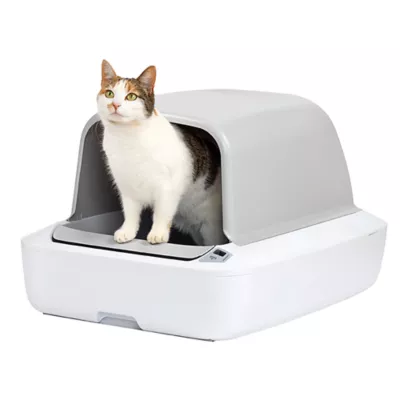
Credit: www.petsmart.ca
Automatic rake model, the most common self-cleaning design for multi-pet households
Waste Storage and Disposal
All self-cleaning boxes store waste in a sealed, airtight compartment to prevent odors from escaping. Most consumer models use disposable waste liners that you can tie and toss in the trash in 3-7 days, depending on how many cats use the box. Premium models include compacting mechanisms that squeeze waste into a smaller volume, extending the time between emptyings by 2-3x. Some high-end models also include deodorizing filters that neutralize odors inside the waste compartment, eliminating the need for frequent emptying even in multi-cat homes. When setting up your box, place the waste drawer in an easily accessible spot, and consider using odor-controlling additives in the waste compartment for extra freshness.

Credit: www.amazon.ca
Rotating drum design, ideal for noise-sensitive cats and small spaces
Key Features to Prioritize When Shopping
Not all self-cleaning litter boxes are created equal, and the right model for your household depends on your cat’s size, personality, number of pets in your home, and your budget. Prioritize these features to avoid buyer’s remorse:
Size and Capacity
The litter box should be at least 1.5x the length of your cat from nose to tail base, so they have enough room to turn around and dig without feeling confined. For large breed cats (e.g., Maine Coons, Ragdolls) or multi-cat households, opt for a model with a 20+ liter litter capacity and a waste drawer that holds 2+ weeks of waste for 2 cats. If you have limited space, look for compact corner models that still meet size requirements for your pets.
Noise Level
The cleaning cycle can produce 40-70 decibels of noise, roughly equivalent to a conversation or a running dishwasher. Timid cats, kittens, or cats with anxiety may be startled by loud motors, leading them to avoid the box entirely. Look for models marketed as “whisper-quiet” that produce less than 50 decibels during cleaning, and avoid models with loud, abrupt rake movements. Many owners find that placing the box on a rubber mat or carpeted surface further reduces noise transmission.
Litter Compatibility
Most self-cleaning boxes are designed for specific litter types, and using the wrong litter can cause jams, poor waste separation, or sensor malfunctions. Rake systems work best with clumping clay or silica crystal litter, while rotating drum models often work with non-clumping clay or silica. Avoid using regular non-clumping clay, wood pellet litter, or biodegradable litter unless the manufacturer explicitly states it is compatible, as these can clump improperly or damage the mechanism. For optimal performance, pair your box with litter formulated for automated systems.
Maintenance and Durability
Look for models with removable, dishwasher-safe parts (litter drum, rake, waste drawer) to make deep cleaning easier. Check if the manufacturer sells replacement parts (rakes, sensors, filters) separately, as this will extend the lifespan of the box and reduce long-term costs. Avoid models with proprietary parts that are no longer manufactured, as these can become impossible to repair if they break. Most well-maintained self-cleaning boxes last 3-5 years, compared to 1-2 years for traditional plastic boxes.
Smart Features
Many 2026 models include app connectivity that lets you track your cat’s litter box usage, receive alerts when the waste drawer is full, or adjust cleaning schedules remotely. These features are especially useful for multi-cat households, as they can flag sudden changes in usage that may signal health issues. Some models even integrate with smart home systems (Amazon Alexa, Google Home) for voice-controlled cleaning cycles.
Setup and Cat Introduction Tips
A smooth setup and gradual introduction are critical to ensuring your cat uses the new self-cleaning box consistently. Rushing the process can lead to litter box aversion, so follow these steps to make the transition stress-free for both you and your pet.
Optimal Placement
Cats prioritize privacy and safety when using the litter box, so place the box in a quiet, low-traffic area away from loud appliances (washing machines, dryers), food and water bowls, and high-foot-traffic hallways. Ensure the surface is flat and stable to prevent the box from wobbling during cleaning cycles, and keep it within 10 feet of a power outlet to avoid using extension cords, which can be chewing hazards for curious cats. Avoid placing the box in a dark, enclosed closet, as cats may feel trapped if the cleaning cycle starts unexpectedly. If you have multiple cats, provide one self-cleaning box per cat plus one extra, placed in separate locations to avoid territorial conflicts. Use high-value training treats to reward your cat for exploring the new box during the introduction period to create positive associations.
Gradual Introduction Process
Start by placing the new self-cleaning box next to your cat’s existing traditional box, with both options available for 3-7 days. Keep the self-cleaning box turned off during this period so your cat can explore it without the mechanism startling them. Once your cat is comfortably using the new box, remove the old box. If your cat is hesitant, you can add a small amount of used litter from the old box to the new one to transfer familiar scents. For cats that are particularly skittish, you can temporarily disable the self-cleaning cycle for 2-4 weeks until they are fully comfortable using the box, then gradually re-enable the feature on the lowest setting. Never force your cat to use the new box, as this will create negative associations that are hard to undo.
Common Concerns and How to Solve Them
Even the best self-cleaning litter boxes can run into occasional issues, but most problems are easy to fix with basic troubleshooting. Here are the most common concerns owners face, and how to resolve them:
Mechanical Malfunctions
The most common mechanical issue is a jammed rake or drum, usually caused by large clumps of litter, stray toys, or cat fur tangled in the mechanism. To fix this, unplug the box, remove the waste drawer, and manually clear any debris from the rake or drum. Clean the sensors with a dry cloth monthly, as dirt or litter dust can interfere with their ability to detect your cat. If the box won’t power on, check that the outlet is working and the power cord is securely connected. Most manufacturers offer 1-2 year warranties, so contact customer support if basic troubleshooting doesn’t resolve the issue.
Odor Issues
If you notice persistent odors coming from the box, first check that the waste drawer is not overfull—most models need emptying every 3-7 days for single cats, and every 2-3 days for multi-cat households. Replace the carbon filter every 2-3 months, as clogged filters can’t trap odor molecules effectively. Avoid using scented litter or spray deodorizers near the box, as these fragrances can irritate your cat’s sensitive respiratory system and cause them to avoid the box. If odors persist, deep clean the entire litter drum, rake, and waste compartment with a mild, unscented soap and water to remove built-up bacteria.
Cat Avoidance
If your cat refuses to use the self-cleaning box, first rule out medical issues by consulting your vet, as avoidance can be a sign of UTIs or arthritis. If your cat is healthy, the issue is likely related to the box’s noise, size, or placement. Try turning off the self-cleaning cycle for a few weeks to see if your cat will use the box without the mechanism running, then gradually re-enable it on the lowest setting. If the box is too small, upgrade to a larger model, or move it to a quieter, more private location.
Cost and Long-Term Value
While the upfront cost of a self-cleaning litter box is higher than a traditional box, most owners find the long-term benefits and savings make the investment worthwhile. Here’s a breakdown of what to expect:
Upfront Costs
Consumer-grade self-cleaning litter boxes range from $100 for basic rake models to $500+ for premium smart models with app connectivity and advanced odor control. Budget-friendly models are best for single-cat households with calm, non-anxious cats, while premium models are worth the extra cost for multi-cat homes, large cats, or owners who want usage tracking features. Keep in mind that you’ll also need to factor in the cost of compatible litter and waste liners, which run $10-$20 per month on average, compared to $5-$15 per month for traditional boxes.
Long-Term Savings and ROI
Most owners recoup their upfront investment within 12-18 months, thanks to reduced litter costs and less frequent replacement of traditional boxes. Because self-cleaning boxes extend litter life by 2-3x, you’ll spend 30-50% less on litter annually. You’ll also save money on odor-control sprays, disposable liners, and potential vet bills related to litter box aversion or UTIs. For frequent travelers, the cost of a pet sitter to scoop the box daily can add up to $100+ per week, making a self-cleaning box a cost-effective alternative for short trips. To find a model that fits your budget and needs, review our roundup of top-performing self-cleaning boxes tested by real cat owners.
2026 Market Trends and Innovations
The self-cleaning litter box market has evolved rapidly in recent years, with 2026 models offering smarter, more sustainable features than ever before. Here’s what’s new this year:
AI and Smart Home Integration
2026 models include AI-powered usage tracking that learns your cat’s typical bathroom schedule, alerting you to sudden changes in frequency, duration, or volume that could signal health issues like UTIs, kidney disease, or constipation. Many models now integrate with smart home ecosystems, letting you adjust cleaning schedules, order litter, or run a manual cleaning cycle via voice commands through Alexa or Google Home. Some premium models even include built-in cameras (with privacy shields) that let you check on your cat’s litter box habits remotely when you’re away from home.
Sustainable Design
Brands are prioritizing sustainability in 2026, with many models using 100% recycled plastic components, low-energy motors that use less than 3 watts per cleaning cycle, and compatibility with compostable waste bags. Some newer models even include built-in litter sifting systems that separate clumps from clean litter without wasting excess litter, reducing overall litter consumption by up to 40% compared to older models. A small but growing segment of the market now offers solar-powered self-cleaning boxes for off-grid or eco-conscious households.
Accessibility Features
Newer models are designed with accessibility in mind, with lower entry heights for senior cats with arthritis, larger waste drawers that are easy to empty for owners with mobility limitations, and audio alerts for visually impaired users. Some models even include adjustable cleaning timers that let you customize the cycle to match your cat’s specific routine, reducing stress for cats with anxiety.
Frequently Asked Questions
Do Vets Recommend Self-Cleaning Litter Boxes?
Most veterinarians recommend self-cleaning litter boxes as a tool to improve feline hygiene and reduce litter box aversion, as long as the model is sized appropriately for your cat and maintained regularly. The American Veterinary Medical Association notes that consistent cleanliness is one of the most important factors in preventing inappropriate elimination and urinary health issues in cats. However, vets caution that shy or anxious cats may be stressed by the noise of the cleaning cycle, so a gradual introduction is always recommended.
What Is The Best Self-Cleaning Litter Box?
The “best” model depends on your household’s specific needs. For most single-cat households, the PetSafe ScoopFree is a popular, low-maintenance option that works well with crystal litter. For multi-cat homes or large cats, the Litter-Robot 4 is a top pick for its large capacity and smart usage tracking. For noise-sensitive cats, the Whisker Litter-Robot 3 Connect is a quiet, enclosed option that minimizes startling sounds. For a full comparison of top models, check out our self-cleaning litter box reviews.
What Are The Disadvantages Of An Automatic Litter Box?
The biggest drawbacks are the upfront cost, which is significantly higher than traditional boxes, and the need for regular maintenance (empty the waste drawer weekly, deep clean the drum monthly, replace filters every 2-3 months). Some models can be noisy, which may scare timid cats, and not all litter types are compatible, limiting your options if your cat has litter preferences. Additionally, if the mechanism jams or breaks, repairs can be costly, though most models come with 1-2 year warranties to cover defects.
Can You Use Regular Kitty Litter In A Self-Cleaning Litter Box?
Most self-cleaning litter boxes are designed for specific litter types, and using regular non-compatible litter can cause jams, poor waste separation, or sensor malfunctions. Rake systems work best with clumping clay or silica crystal litter, while rotating drum models often work with non-clumping clay or silica. Always check your manufacturer’s instructions before buying litter, as using the wrong type can void your warranty. For best results, use litter formulated for automated systems, which is designed to clump properly and work with your box’s cleaning mechanism.
Conclusion
Self-cleaning cat litter boxes are more than just a convenience—they’re a tool that improves your cat’s health, reduces your household workload, and cuts down on long-term pet care costs. While the upfront investment may seem steep, the time saved, reduced odors, and peace of mind of knowing your cat has a clean, hygienic space to use the bathroom make them a worthwhile purchase for most households. If you’re ready to eliminate daily scooping from your routine, start by assessing your cat’s size, personality, and your household’s needs, then choose a model with the features that matter most to you. For more tips on simplifying your pet care routine, check out our guides to optimal cat nutrition and grooming routines to keep your feline friend happy and healthy year-round.