
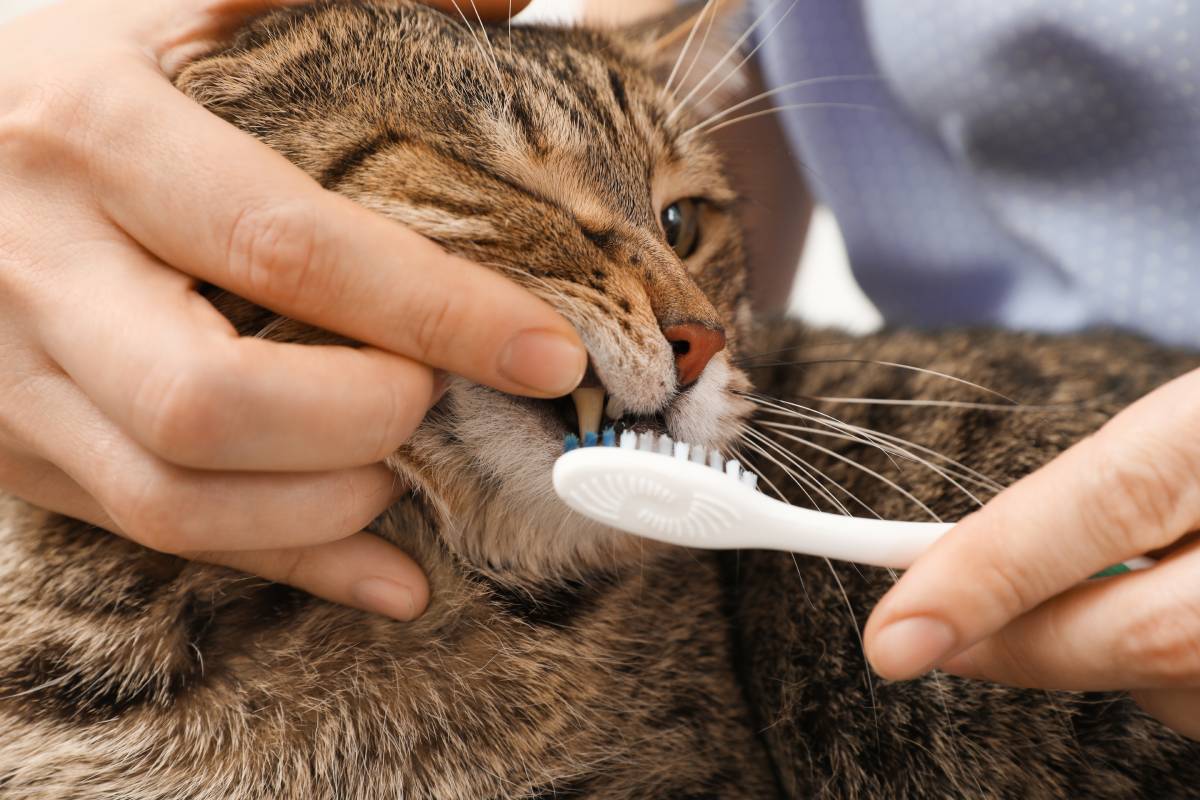
Yes, you absolutely can—and should—brush your cat’s teeth, and it is far simpler than most pet owners assume. Regular dental care is one of the most impactful, low-cost ways to extend your cat’s lifespan and prevent painful, preventable health conditions. In this guide, we’ll break down exactly how to brush your cat’s teeth safely, what tools you need, how to acclimate even the most resistant feline, and what to do if brushing just isn’t an option for your pet. You’ll also learn the warning signs of dental disease that every cat owner needs to know to catch problems early.

Credit: cvhospital.ir
Regular at-home brushing reduces plaque and tartar buildup long-term.
Why Cat Dental Care Is Non-Negotiable
Most cat owners overlook oral hygiene, but dental disease is the most common preventable health issue in felines. According to the Cornell University College of Veterinary Medicine, more than 80% of cats over three years old develop gingivitis, periodontitis, or other oral health conditions. These issues don’t just cause bad breath and tooth pain: bacteria from infected gums can enter the bloodstream and damage the kidneys, heart, and liver over time. Consistent at-home brushing removes plaque before it hardens into tartar, reducing your cat’s risk of these systemic illnesses significantly. Brushing is also a core part of a full cat care routine, alongside feeding nutritionally complete wet food and keeping up with full grooming routines to support overall wellness. You can also read our guide on what sort of nutrition is needed for a sick cat.
Warning Signs Your Cat Is Hiding Dental Pain
Cats are evolutionary prey animals, so they instinctively hide discomfort to avoid appearing vulnerable to predators. This means dental issues often go unnoticed until they are severe. Watch for these subtle and obvious signs that your cat needs a dental check-up:
- Persistent bad breath that smells like rotten food or decay (a mild “kitty breath” is normal; foul odor is not)
- Drooling, especially if the saliva is tinged with blood
- Difficulty eating, dropping food, or chewing only on one side of the mouth
- Pawing at the mouth or face frequently
- Red, swollen, or bleeding gums
- Loose, broken, or missing teeth
- Sudden changes in behavior: increased irritability, hiding, or reduced grooming (cats with mouth pain often stop cleaning their face)
- Weight loss from avoiding hard food
If you notice any of these symptoms, schedule a vet appointment as soon as possible to prevent the issue from worsening.
What You Need to Get Started
The right tools make the process safer, faster, and less stressful for both you and your cat. Avoid human toothbrushes and toothpaste entirely: human toothpaste contains fluoride and xylitol, both of which are toxic to cats if swallowed. You can also read our guide on can i brush my cats teeth.
Cat-Friendly Toothbrushes
You have two main options, depending on your cat’s tolerance:
- Finger brushes: Soft, silicone brushes that slip over your index finger, giving you precise control to reach the gum line. These are ideal for cats new to brushing, as they are less intimidating than a traditional brush.
- Dual-ended pet toothbrushes: These have a small, soft-bristled head on one end for cats and a larger head on the other for dogs, making them a versatile pick for multi-pet households. Look for ultra-soft bristles to avoid irritating sensitive gums.
Enzymatic Cat Toothpaste
Only use toothpaste formulated specifically for cats. These products are safe to ingest, come in cat-friendly flavors like poultry, tuna, or catnip, and contain enzymes that break down plaque even if you can’t brush every surface perfectly. Avoid minty flavors, as most cats find them unpleasant. In practice, most cats adjust faster to brushing when you let them lick a small amount of toothpaste off your finger first to get used to the taste.

Credit: www.purina.com
Start with short, positive sessions to help your cat adjust to brushing.
Step-by-Step Guide to Brushing Your Cat’s Teeth
Rushing the process is the most common reason cat owners give up on brushing. Follow this gradual acclimation plan to build your cat’s comfort over 1–2 weeks:
- Week 1: Desensitize your cat to touch: During calm, low-stress moments (like after a meal or a play session), gently lift your cat’s lip and touch their gums and teeth with your finger. Reward them immediately with a small treat and praise, using the same positive reinforcement training methods you’d use to teach a cat new tricks. Do this for 30 seconds to 1 minute a day.
- Week 1–2: Introduce the toothpaste: Let your cat lick a small amount of cat-safe toothpaste off your finger. Do this for a few days until they show excitement at the sight of the tube.
- Week 2: Introduce the brush: Let your cat sniff and paw at the toothbrush, then gently rub the bristles against their teeth without applying pressure. Reward them for tolerating the sensation.
- Ongoing: Full brushing sessions: Once your cat is comfortable with the brush, lift their lip and brush the gum line in small, gentle circular motions. Focus on the outer surfaces of the teeth, where plaque builds up most. Start with 30-second sessions, gradually working up to 1–2 minutes. Always end with a high-value treat to reinforce positive associations.
If your cat becomes stressed at any point, stop the session and try again later—forcing the issue will make future sessions far harder. Consistency is more important than perfection: even brushing twice a week will deliver meaningful health benefits. Pair this routine with other daily care tasks, like scooping odor-controlling litter boxes, to build a predictable schedule your cat will come to expect. You can also read our guide on how often brush cats teeth.
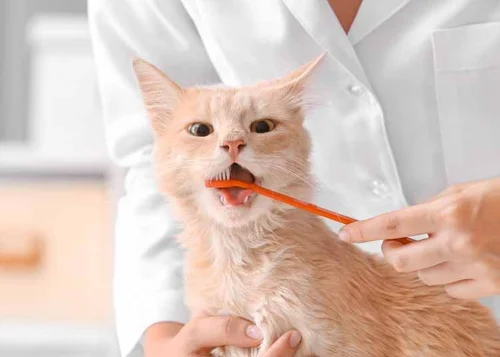
Credit: www.catschool.co
Consistent, low-stress sessions build your cat's comfort over time.
What to Do If Your Cat Refuses to Let You Brush
Not every cat will tolerate brushing, no matter how gradual your approach. The good news is there are several evidence-based alternatives to keep their teeth healthy:
Dental Treats and Chews
Veterinary Oral Health Council (VOHC)-approved dental treats are formulated to scrape plaque off the teeth as your cat chews. Look for treats with a rough, textured surface, and avoid hard chews that could break your cat’s teeth. Dental treats are a great option for cats that won’t tolerate brushing, but they are not a full replacement—they only clean the flat surfaces of the teeth, not the gum line where most disease forms. You can use training-friendly treats as rewards during acclimation to make the process more appealing.
Dental Wipes
Dental wipes are pre-moistened, textured pads that you rub along your cat’s gum line to remove plaque and food debris. They are less intimidating than a toothbrush and work well for cats that hate having objects inserted in their mouth. Look for wipes with enzymatic ingredients to break down bacteria. You can also read our guide on do you have to brush cats teeth.
Water Additives
Veterinarian-approved water additives contain enzymes that reduce plaque and freshen breath as your cat drinks. They are completely tasteless to most cats and require no cooperation on their part, making them a great option for very resistant felines. Always choose a product labeled safe for cats, and follow dosing instructions carefully.
Chew Toys and Dental Games
Rough, textured chew toys (like those made from natural rubber or dried fish skin) can help scrape plaque off your cat’s teeth as they play. Rotate toys regularly to keep your cat interested. You can also read our guide on vet recommended cat dental wipes.
When to Call a Veterinarian
At-home care is critical for preventing dental disease, but professional veterinary care is non-negotiable for catching and treating issues that brushing can’t fix.
Regular Dental Check-Ups
Schedule a full dental exam with your vet at least once a year, or more often for senior cats or breeds prone to dental issues (like Persians). Your vet will examine your cat’s teeth and gums for early signs of gingivitis, broken teeth, or oral masses that are easy to miss at home.
Professional Dental Cleanings
If your vet detects tartar buildup or early gum disease, they will recommend a professional dental cleaning under anesthesia. This procedure removes hardened tartar from above and below the gum line, polishes the teeth to prevent future buildup, and allows your vet to take dental X-rays to check for hidden issues like root abscesses. While cleanings are a financial investment, they are far less expensive than treating advanced dental disease or systemic organ damage caused by untreated oral infections.
Red Flags That Need Immediate Care
Contact your vet right away if you notice:
- Bleeding from the mouth that doesn’t stop after 10 minutes
- Swelling around the jaw or face
- Sudden, extreme difficulty eating or drinking
- Lethargy or fever, which can indicate a severe oral infection
If you use automated litter solutions to cut down on daily pet care tasks, you can free up time to attend these important vet appointments without disrupting your schedule.
Frequently Asked Questions
Are you supposed to brush your cat’s teeth?
Yes, the American Veterinary Medical Association recommends brushing your cat’s teeth at least 3 times per week to prevent plaque and tartar buildup. Daily brushing is ideal for cats that tolerate it well, but even twice weekly will significantly reduce their risk of periodontal disease. Always use a cat-specific toothbrush and enzymatic toothpaste—human toothpaste contains xylitol and fluoride, both of which are toxic to cats if ingested.
How can I clean my cat’s teeth if they won’t let me brush them?
Start with alternatives like VOHC-approved dental treats, dental wipes, or vet-approved water additives. You can also offer rough chew toys to help scrape plaque off their teeth as they play. For cats that resist all at-home care, schedule more frequent professional dental cleanings with your vet to keep their mouth healthy.
What can I use as toothpaste for my cat?
Only use toothpaste formulated specifically for cats. These products are safe to swallow, come in flavors cats enjoy, and contain enzymes that break down plaque. Never use human toothpaste, baking soda, or hydrogen peroxide on your cat’s teeth, as these can cause stomach upset, enamel damage, or toxicity.
How often does my cat need a professional dental cleaning?
Most cats need a professional cleaning every 1–3 years, depending on their age, breed, and at-home care routine. Your vet will recommend a schedule based on your cat’s individual needs during their annual exam.
Final Thoughts
Brushing your cat’s teeth may seem like a daunting task at first, but with patience and the right approach, it can become a quick, low-stress part of your regular cat care routine. Consistent at-home brushing, paired with annual veterinary dental exams, will keep your cat’s mouth healthy, prevent painful and expensive health issues, and even extend their lifespan by reducing the risk of systemic organ damage.
If you’re new to feline dental care, start slow: spend the first week just getting your cat used to having their mouth touched, and reward them generously for cooperation. For cats that refuse to tolerate brushing, work with your vet to build an alternative care plan that fits your pet’s needs. Your cat can’t tell you when their mouth hurts, so proactive care is the best way to keep them happy and healthy for years to come. If you have questions about your cat’s dental health, reach out to your veterinarian at your next check-up to get personalized guidance tailored to your pet’s age, breed, and health status.