
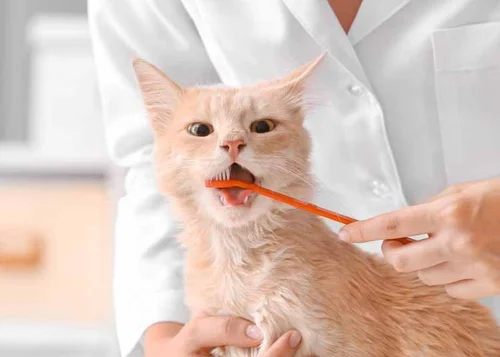
Most cat owners have asked themselves at some point: Can I brush my cat’s teeth, or is this an unnecessary, stress-inducing chore? Cats are masters at hiding discomfort, and veterinarians consistently rank feline dental disease as one of the most common preventable health issues in domestic cats, with many pets showing early signs of plaque buildup by age 2. If you’ve ever been put off by your cat’s bad breath or wondered if daily brushing is really worth the hassle, this guide breaks down science-backed benefits, step-by-step techniques, and realistic alternatives to keep your cat’s mouth healthy without turning grooming time into a battle.
A calm, relaxed cat is the first step to successful tooth brushing
Credit: www.discovermagazine.com
Why Feline Dental Care Is Non-Negotiable
Many cat owners assume their pet’s natural chewing habits are enough to keep their teeth clean, but this is a widespread myth. While outdoor cats may gnaw on bones, grass, and prey that help scrape plaque, indoor cats spend most of their time eating soft commercial food, which leaves sticky residue on teeth that the tongue cannot remove. Regular dry food also does not effectively scrape plaque off the tooth surface, as its texture is too soft to break up tartar buildup. Without intervention, plaque hardens into tartar within 2–3 days, leading to gingivitis and eventually periodontal disease, a painful condition that can cause tooth loss and chronic discomfort. You can also read our guide on healthymouth anti plaque wipes for cats.
The Link Between Oral Health and Whole-Body Wellness
Dental health is not isolated to your cat’s mouth: as noted by the Cornell University College of Veterinary Medicine, bacteria from untreated gum disease can travel through the bloodstream to damage the heart, kidneys, and liver, and even worsen chronic conditions like diabetes. Feeding a nutritionally balanced feline diet tailored to your cat’s life stage also reduces systemic inflammation that can exacerbate gum disease and its downstream effects. Regular dental care is one of the most impactful ways to extend your cat’s healthy lifespan.
Core Benefits of Regular Cat Tooth Brushing
Brushing your cat’s teeth does far more than eliminate bad breath. Consistent at-home care delivers measurable, long-term benefits for your pet’s comfort, health, and your wallet. You can also read our guide on what sort of nutrition is needed for a sick cat.
Reduced Risk of Painful Dental Disease
Regular brushing removes plaque before it hardens into tartar, cutting your cat’s risk of gingivitis and periodontal disease by up to 80% per veterinary dental guidelines. These conditions cause chronic pain, tooth loss, and difficulty eating, and are the leading cause of preventable suffering in cats over age 3.
Fresher Breath and Better Oral Comfort
Foul cat breath is almost always caused by bacteria breaking down food particles in the mouth. Brushing removes these bacteria and food debris, eliminating the volatile sulfur compounds that cause unpleasant odors. Your cat will also experience less gum irritation and discomfort while eating, playing, and being petted near the face. You can also read our guide on can you train cats like dogs.
Protection Against Systemic Health Issues
Oral bacteria that enter the bloodstream via inflamed gums can colonize heart valves (causing endocarditis), damage kidney tissue (leading to nephritis), and increase insulin resistance in diabetic cats. Brushing removes these bacteria at the source, reducing the risk of life-threatening systemic complications.
Lower Long-Term Veterinary Costs
Veterinary dental cleanings performed under general anesthesia typically cost $300 to $1,000+ depending on your location and the extent of tartar buildup or disease. Investing 2–3 minutes of brushing 2–3 times per week can eliminate the need for most of these costly procedures over your cat’s lifetime. You can also read our guide on how to clean cats teeth without brushing.
Stronger Bond With Your Cat
Pairing brushing sessions with high-value training treats and calm, positive reinforcement builds trust between you and your pet. In practice, most cats come to tolerate (and even enjoy) brushing as a predictable part of their routine, turning a chore into a low-stress bonding activity.
What Tools Do You Actually Need?
Using the wrong tools is one of the top reasons cat owners give up on brushing. You don’t need expensive gadgets—just feline-specific, safe supplies. You can also read our guide on vet recommended cat dental wipes.
Cat-Specific Toothbrushes: Options and Recommendations
Human toothbrushes are too large and have bristles that are too harsh for a cat’s small mouth and sensitive gums. Opt for one of these vet-recommended options:
- Dual-headed pet toothbrushes: Small, soft-bristled brushes with two heads that fit over a cat’s canine teeth, making it easy to clean multiple teeth at once.
- Finger brushes: Silicone or soft fabric brushes that fit over your index finger, ideal for cats that tolerate touch on their face and allow you to feel exactly where you’re brushing.
- Silicone finger caps: Even softer than fabric finger brushes, perfect for cats with extremely sensitive gums.
Safe, Cat-Approved Toothpaste (What to Avoid)
Never use human toothpaste on your cat: fluoride is toxic to felines, xylitol (a common sweetener) causes rapid liver failure even in small doses, and foaming agents cause gastrointestinal distress. Cat-specific toothpaste is enzymatic, requires no rinsing, is safe to swallow, and comes in cat-friendly flavors like poultry, seafood, or malt. A pea-sized amount per session is all you need.
Optional Helpers for Resistant Cats
If your cat hates traditional toothbrushes, try these alternatives:
- Gauze pads: Rub a small amount of cat toothpaste onto a damp gauze pad and wipe it along your cat’s teeth and gums.
- Dental wipes: Pre-moistened wipes with enzymatic cleaners that are less intrusive than a brush.
If you already use professional grooming services for your cat, many groomers offer low-stress dental wipe add-ons for cats that won’t tolerate at-home brushing.
Step-by-Step Guide to Stress-Free Tooth Brushing
The biggest mistake cat owners make is rushing into full brushing sessions before their cat is comfortable with the process. Follow this phased approach to avoid fear and resistance:
Phase 1: Desensitization (Weeks 1–2, No Brushing Required)
Spend 1–2 weeks letting your cat get used to the tools and touch without any brushing:
- Let your cat sniff and investigate the toothbrush and toothpaste, rewarding them with a treat for calm behavior.
- Let your cat lick a small amount of toothpaste off your finger to get them used to the flavor.
- Gently touch your cat’s lips, then lift their lip to touch their gums and teeth with your clean finger.
- Switch to a damp gauze pad, rubbing it gently along their teeth and gums.
Phase 2: First Brushing Sessions (Weeks 3–4, 30 Seconds Max)
Once your cat is comfortable with touch, introduce the brush:
- Apply a tiny amount of cat toothpaste to the brush.
- Gently lift your cat’s lip to expose their canine teeth (the "fangs"), where plaque builds up first.
- Brush in small, gentle circular motions along the outer surface of 2–3 teeth per side.
- Immediately reward your cat with a high-value treat and praise.
Keep sessions under 30 seconds at first—if your cat resists, stop and try again later. Never force their mouth open or hold them down, as this creates lasting negative associations.
Phase 3: Building a Long-Term Routine
After 3–4 weeks of short, positive sessions, gradually increase the time to 1–2 minutes per session, adding more teeth each time. The American Veterinary Dental College recommends focusing on the outer surfaces of the teeth first, as this is where the majority of plaque and tartar buildup occurs in cats. Aim for 2–3 sessions per week minimum, with daily brushing as the ideal goal.

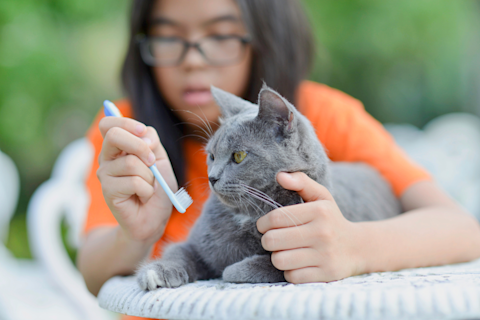
Gentle, short sessions prevent stress and build positive associations
Credit: www.purina.com
Red Flags: Signs Your Cat Has Dental Issues
Even with regular brushing, it’s important to watch for signs of underlying dental problems, as cats often hide pain until disease is advanced.
Common Symptoms to Watch For
- Bad breath: Foul, rotten-smelling breath that persists after eating is a sign of infection, not normal "cat breath".
- Difficulty eating: Dropping food, eating only on one side, taking longer to finish meals, or avoiding hard food entirely.
- Excessive drooling: Clear or blood-tinged drool, especially when eating or when you touch their face.
- Red or bleeding gums: Healthy cat gums are pale pink; bright red, swollen, or bleeding gums signal gingivitis or infection.
- Swollen mouth or face: Swelling under the eye or near the jaw can indicate a tooth abscess, which requires immediate veterinary attention.
- Pawing at the mouth: Repeated pawing, rubbing their face on furniture, or shaking their head can signal oral discomfort.
When to Call the Vet Immediately
If you notice any of the above symptoms, schedule a vet appointment right away. A consistent routine, paired with a stable, low-stress home environment, also helps reduce anxiety—make sure your cat has access to clean litter box options to avoid unnecessary stress that can weaken their immune system and worsen dental inflammation. Your vet may recommend a professional cleaning under anesthesia to remove tartar below the gumline and check for hidden issues.
Realistic Alternatives If Brushing Isn’t Feasible
Some cats will never tolerate at-home brushing, no matter how patient you are. These vet-approved alternatives still provide meaningful dental protection:
- VOHC-approved dental treats: Look for the Veterinary Oral Health Council (VOHC) seal of approval, which proves the treat reduces plaque and tartar by at least 20%. They’re a tasty, easy option, but not a replacement for brushing.
- Dental-specific cat food: Formulated with a textured, kibble-like surface that scrapes plaque as cats chew. Again, look for the VOHC seal. For cats that eat wet food exclusively, high-quality wet food options formulated with dental health in mind can be paired with other at-home care methods to reduce plaque buildup.
- Water additives: Enzymatic solutions added to your cat’s drinking water that reduce oral bacteria all day. Some cats refuse to drink treated water, so test it first to ensure they stay hydrated.
- Dental wipes: Pre-moistened wipes that you rub along your cat’s teeth and gums, ideal for cats that hate brushes but tolerate touch.
- Professional veterinary cleanings: The gold standard for cats that won’t tolerate at-home care. Done under general anesthesia, cleanings remove tartar above and below the gumline, and include x-rays to detect hidden disease. Most vets recommend cleanings every 1–3 years, depending on your cat’s breed and dental health.
Note: Raw bones are not recommended as a dental cleaning tool: they can cause fractured teeth, intestinal blockages, and expose your cat to harmful bacteria like Salmonella and E. coli.
High-value treats are key to making tooth brushing a positive experience for your cat
Credit: www.yahoo.com

Frequently Asked Questions
Can I brush my cat’s teeth with human toothpaste?
No. Human toothpaste contains fluoride, xylitol, and foaming agents that are toxic to cats, even in small amounts. Xylitol, a common sweetener in human toothpaste, can cause rapid liver failure in felines, while fluoride leads to gastrointestinal distress and organ damage. Always use toothpaste formulated specifically for cats, which is safe to swallow and comes in flavors most cats enjoy.
How often should I brush my cat’s teeth?
The ideal frequency is daily, but brushing 2–3 times per week is enough to significantly reduce plaque and tartar buildup for most cats. Consistency is more important than perfect technique—even short, infrequent sessions are better than no at-home dental care at all.
Will brushing my cat’s teeth hurt them?
When done correctly, brushing is completely painless. If your cat has existing gum disease or gingivitis, they may be sensitive to touch, so consult your veterinarian before starting a brushing routine to rule out underlying pain. Never force your cat’s mouth open, and use soft, gentle strokes to avoid irritating their gums.
What if my cat absolutely refuses to let me brush their teeth?
Forcing brushing will only create negative associations and make future sessions harder. If your cat resists after 2–3 weeks of slow desensitization, pivot to vet-approved alternatives: VOHC-sealed dental treats, water additives, dental wipes, or regular professional cleanings. Many cats live full, healthy lives without at-home brushing as long as they receive consistent veterinary dental care. For owners in the El Paso area, local professional grooming options often include low-stress dental wipe services for cats that won’t tolerate at-home brushing.
Do dental treats replace the need for brushing?
No. VOHC-approved dental treats reduce plaque and tartar buildup by 20–30% at most, while proper brushing removes 80% or more of surface plaque. Dental treats are a helpful supplement to brushing, not a replacement. If you can’t brush daily, pair treats with other alternatives like water additives for the best protection.
Conclusion
The answer to "Can I brush my cat’s teeth?" is a clear, evidence-based yes: it’s one of the simplest, most cost-effective steps you can take to protect your cat’s long-term health and comfort. While it may take a few weeks of slow, patient training to get your cat comfortable with the routine, the benefits far outweigh the initial hassle: reduced risk of painful dental disease, lower lifetime veterinary costs, protection against serious systemic health issues, and even a stronger bond between you and your pet.
If your cat absolutely refuses to tolerate brushing, don’t abandon dental care entirely: VOHC-approved treats, water additives, and regular professional cleanings are effective alternatives that still keep their mouth healthy. Start small this week: let your cat sniff a cat-friendly toothpaste, offer a high-value reward, and take the first step toward a healthier smile for your feline friend. For personalized advice tailored to your cat’s specific needs, schedule a check-up with your veterinarian to discuss their dental health.