
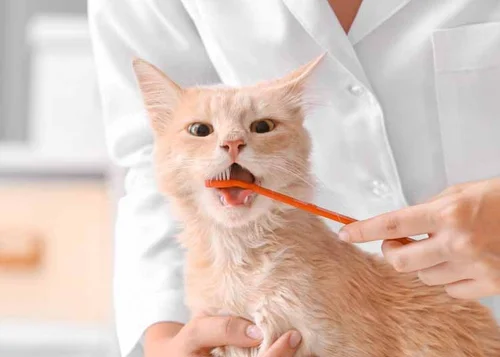
Are you concerned about your cat's dental health? You're not alone.
Many pet owners wonder if brushing their cat's teeth is necessary or even possible. Dental care is crucial not only for humans but for our feline friends too. Ignoring your cat's oral hygiene can lead to serious health issues down the road.
You might be thinking, "Can I really brush my cat's teeth? " Or "How do I even start? " These are common questions, and the answers might surprise you. By the end of this article, you'll discover practical tips and solutions that can make a world of difference in your cat's life. Keep reading to unlock the secrets to better feline dental care that could improve your cat's health and your peace of mind.

Credit: www.discovermagazine.com
Importance Of Cat Dental Care
Brushing your cat's teeth is vital for preventing dental diseases. Regular brushing helps maintain their oral health and reduces the risk of gum problems. Consistent care can keep your furry friend happy and healthy.
Understanding the importance of cat dental care is crucial for maintaining your feline friend's overall health. Just like humans, cats can experience dental issues that can lead to more serious health problems if left untreated. Taking care of your cat's teeth can prevent discomfort and ensure they live a long, healthy life.
Why Cat Dental Care Is Essential
Cats are experts at hiding their pain, so you might not notice a dental problem until it becomes severe. Regular dental care can prevent issues like gum disease, tooth decay, and bad breath. Dental problems can also lead to infections that may affect other organs, making dental care an essential aspect of your cat's health routine.
Signs Your Cat Needs Dental Attention
Watch for signs such as bad breath, drooling, or difficulty eating. These can indicate dental issues that require immediate attention. If you notice any of these symptoms, it's a good idea to consult your veterinarian for a thorough dental check-up.
How To Start A Dental Care Routine For Your Cat
Begin by introducing your cat to the idea of having their teeth brushed. Use a pet-friendly toothbrush and toothpaste designed specifically for cats. Gradually acclimate them by letting them sniff the brush and taste the toothpaste before attempting a full brushing session.
Benefits Of Regular Teeth Brushing
Brushing your cat's teeth can significantly reduce the risk of dental diseases. It helps remove plaque and tartar, reducing the likelihood of gum disease. Regular brushing also allows you to check for any abnormalities, ensuring that any potential issues are addressed early.
Alternative Dental Care Options
If brushing proves too challenging, consider other options like dental treats or water additives. These can help maintain oral health by reducing plaque buildup. Regular professional cleanings at the vet can also be beneficial for maintaining your cat's dental health.
Common Myths About Cat Dental Care
A common misconception is that cats naturally maintain their oral health. While wild cats may benefit from chewing on bones, domestic cats often need additional dental care. Don't fall for the myth that cats don't need dental care—your proactive approach can make a big difference. Incorporating a dental care routine into your cat's life may seem daunting at first, but the benefits far outweigh the effort. Have you noticed any changes in your cat's behavior that might be linked to dental health? Taking action today can ensure your furry friend enjoys a healthy and comfortable life.

Credit: www.purina.com
Signs Of Dental Issues In Cats
Brushing a cat's teeth helps prevent dental issues like bad breath or gum disease. Look for signs like drooling or difficulty eating. Regular brushing can maintain your cat's oral health and prevent problems.
Cats often hide pain, making dental issues hard to spot. Dental health is crucial for your cat's overall wellbeing. Knowing the signs of dental problems can prevent serious health issues. Regular checks can help identify problems early.
Poor Appetite
A cat with dental pain may eat less. Chewing can hurt when teeth are bad. If your cat avoids food, check their teeth.
Bad Breath
Foul odor from your cat's mouth signals dental trouble. This can mean gum disease or decay. Healthy teeth should not smell bad.
Drooling
Excessive drooling can indicate dental problems. It often means irritation or discomfort. Look for changes in drooling patterns.
Swollen Gums
Healthy gums are pink and firm. Swelling or redness shows a problem. Gum disease can lead to tooth loss.
Behavioral Changes
A cat in pain may act differently. They might become withdrawn or aggressive. Sudden changes in behavior warrant a dental check.
Difficulty Chewing
Struggling to chew or dropping food can signal dental issues. Watch your cat as they eat. Difficulty chewing needs attention.
Choosing The Right Tools
Choosing the right tools for brushing your cat's teeth is crucial. Proper tools ensure your cat stays comfortable and safe during brushing. Selecting appropriate items can prevent dental issues and improve oral health. Let's explore toothbrush and toothpaste options for your furry friend.
Cat-friendly Toothbrush Options
Opt for a toothbrush specifically designed for cats. Cat toothbrushes have soft bristles and smaller heads. These features help reach tight spaces in a cat's mouth. Finger brushes are another popular choice. They fit over your finger for easy maneuvering. Some cats might prefer these due to their gentle nature.
Consider double-ended toothbrushes. They offer two sizes for different teeth areas. Always ensure the brush is comfortable for your cat. Regular brushing can help maintain their dental health.
Selecting Safe Toothpaste
Human toothpaste is harmful to cats. Always choose toothpaste made for felines. Cat toothpaste comes in flavors your cat might enjoy. Popular flavors include chicken and fish. These flavors make the experience more pleasant for your cat.
Check the label for safe ingredients. Avoid toothpaste with xylitol, as it is toxic to cats. Trying different flavors may help find your cat's favorite. Always introduce new products gradually to your pet.
Preparing Your Cat For Tooth Brushing
Brushing your cat's teeth can maintain their dental health. Introduce a cat-friendly toothbrush and toothpaste. Gradually build their comfort with gentle brushing to ensure a stress-free experience.
Preparing your cat for tooth brushing can be a rewarding experience. It strengthens your bond while promoting your cat’s dental health. Many cat owners feel unsure about brushing their cat's teeth. But with patience, it can become a routine task.
Creating A Calm Environment
Start by choosing a quiet time of day. Avoid times when your cat is playful or restless. Ensure the room is calm and free of distractions. Soft lighting and soothing sounds can help. Speak to your cat in a gentle voice. This creates a sense of safety and trust.
Getting Your Cat Comfortable
Begin by familiarizing your cat with the toothbrush. Let your cat sniff and explore it. Use a toothbrush designed for cats. Introduce cat-friendly toothpaste with a pleasant taste. Put a small amount on your finger. Allow your cat to lick it off. This helps them get used to the flavor. Start by gently touching your cat’s mouth. Gradually work up to lifting their lips. Reward your cat with treats and praise. Positive reinforcement encourages cooperation. Keep initial sessions short to avoid stress. Over time, increase the duration as your cat becomes more comfortable.
Step-by-step Brushing Guide
Brushing your cat's teeth might seem like a daunting task, but with a step-by-step guide, you'll find it's easier than you think. Just like us, cats need regular dental care to prevent plaque buildup and gum disease. With patience and the right technique, you can make this a routine part of your cat’s care.
Proper Brushing Technique
The key to successful cat teeth brushing lies in the technique. Start by choosing a cat-friendly toothbrush and toothpaste. Regular human toothpaste can be harmful to cats, so ensure you have pet-specific products.
Begin by letting your cat taste the toothpaste. This can help them acclimate to the new flavor. Gradually introduce the toothbrush, allowing your cat to sniff and investigate it.
Once your cat is comfortable, gently lift their lip and brush in small circular motions. Focus on the outer surfaces where plaque is most likely to accumulate. Remember, patience is essential. If your cat resists, take a break and try again later.
Frequency And Timing
How often should you brush your cat's teeth? Ideally, aim for a few times a week. This frequency helps minimize plaque buildup and supports overall oral health.
Timing is everything. Choose a calm moment when your cat is relaxed. After playtime or a meal can be ideal times. Consistency is key, so try to incorporate brushing into your regular pet care routine.
Think about your own dental hygiene routine—how often do you brush your teeth? Consider how this frequency benefits your oral health and apply the same logic to your cat's care.
:strip_icc()/brush-your-cats-teeth-4778262-hero-9b2c8ee454904454a195642ceaa5454e.jpg)
Credit: www.thesprucepets.com
Alternatives To Brushing
Brushing your cat's teeth might seem like a daunting task, but fear not! There are alternatives that can help maintain your feline friend's dental health without the need for a toothbrush. These options can be both effective and enjoyable for your cat. Let's dive into some practical alternatives to brushing that you can easily incorporate into your cat's routine.
Dental Treats And Toys
Dental treats and toys are a fantastic way to support your cat's oral health. They are specifically designed to clean teeth and massage gums, making them a fun and beneficial addition to your cat's daily life.
- Dental treats often contain enzymes that help reduce plaque and tartar buildup. Look for those with ingredients like chlorhexidine or sodium hexametaphosphate.
- Interactive toys with rubber spikes or bristles can help clean your cat’s teeth while they play. These toys can engage your cat's hunting instincts while promoting oral hygiene.
Have you ever watched your cat play with a dental toy? It's not just entertaining; it's a simple way to care for their teeth.
Professional Dental Cleanings
Sometimes, professional intervention is necessary to maintain your cat's dental health. Regular dental check-ups can catch potential problems early and ensure that your cat’s teeth are in top condition.
- Veterinarians can perform thorough dental cleanings that remove plaque and tartar that home care might miss.
- These cleanings often include scaling and polishing, which can prevent periodontal disease and other dental issues.
Consider scheduling annual dental cleanings for your cat. Wouldn't you feel more confident knowing a professional is keeping an eye on their dental health?
Tips For Success
Brushing your cat's teeth helps prevent dental issues. Use a cat-friendly toothbrush and toothpaste for best results. Start slow and be gentle to make your cat comfortable.
Brushing your cat's teeth can be a challenge. Success comes with patience and the right approach. With dedication, you can improve your cat's dental health. Here are some tips to make the process smoother and more effective.
Patience And Persistence
Start slowly with your cat. Let them get used to the toothbrush. Begin with short sessions and gradually increase the time. Don't rush; cats need time to adjust. Approach each session with calmness. Be patient and consistent for the best results. Persistence pays off over time.
Positive Reinforcement
Reward your cat after brushing. Use treats they love. Praise them with gentle words. This builds a positive connection. Make brushing a pleasant experience. It encourages cooperation in the future. Positive reinforcement is key to making brushing routine.
Frequently Asked Questions
Is It Too Late To Start Brushing Cat Teeth?
It's never too late to start brushing your cat's teeth. Regular brushing helps prevent dental issues. Begin gently and gradually to get your cat accustomed. Use a cat-specific toothbrush and toothpaste for best results. Consistent care can improve your cat's oral health and overall well-being.
How Do I Clean My Cat's Teeth?
Brush your cat's teeth using a pet-specific toothbrush and toothpaste. Choose a flavor your cat enjoys. Begin with short sessions to acclimate them. Regular dental check-ups are essential. Provide dental treats or toys to help maintain oral hygiene.
Can I Use Toothpaste On My Cat?
No, do not use human toothpaste on your cat. It contains ingredients harmful to cats, like fluoride. Use cat-specific toothpaste for safe dental care.
What Can I Do Instead Of Brushing My Cat's Teeth?
Use dental treats or toys designed to reduce plaque. Provide a dental rinse or water additives. Feed them dental-friendly cat food. Regularly check with a vet for professional cleanings if needed.
Conclusion
Brushing your cat's teeth is important for their health. Start slow. Use a cat-friendly toothbrush. Find a tasty toothpaste they enjoy. Daily brushing helps prevent dental issues. It keeps bad breath at bay. Make it a fun routine. Praise and reward them.
Your pet's dental health matters. It affects their overall well-being. A healthy mouth means a happy cat. Regular vet check-ups are crucial. They ensure your cat's teeth stay in good shape. Don't ignore their dental needs. Take small steps. Your cat will thank you for it!
