
Imagine your furry friend sitting beside you, eyeing the delicious aroma wafting from your kitchen. As a cat owner, you want what's best for your feline companion, ensuring every morsel is safe and healthy.
But when it comes to nutritional yeast, a popular supplement among health enthusiasts, you might wonder: can cats eat nutritional yeast? This seemingly simple question opens the door to a fascinating exploration of your pet's dietary needs. Understanding what goes into your cat's bowl is crucial, and you deserve to know the facts.
Get ready to uncover the truth behind nutritional yeast and its effects on your cat's health, ensuring you make informed choices for your beloved pet. Stick around, because what you learn might surprise you!

Credit: felinefancy.co.uk
Nutritional Yeast Overview
Cats can safely enjoy nutritional yeast in small amounts. This yeast is rich in B vitamins and supports healthy skin and coat. Always consult a vet before introducing new foods to your pet's diet.
Nutritional yeast has garnered attention not only as a popular health food for humans but also for its potential benefits to our feline friends. You might have seen it sprinkled over popcorn or mixed into vegan dishes, but its uses extend beyond human consumption. It’s a deactivated yeast, packed with vitamins, particularly B-vitamins, and has a cheesy, nutty flavor that can make it an intriguing addition to your cat’s diet. But what exactly is nutritional yeast, and why is it becoming a staple in kitchens?
Nutritional Yeast Composition
Nutritional yeast is derived from Saccharomyces cerevisiae, a type of yeast strain. It's grown on molasses or sugarcane and harvested before being pasteurized to deactivate it. This process is what makes it safe for consumption, as active yeast could cause digestive issues.
Health Benefits For Cats
Packed with B-vitamins, nutritional yeast can boost energy levels and support skin and coat health. It also contains selenium, which is known for its antioxidant properties. Some cat owners have noticed improved energy and shinier coats after adding it to their pet’s diet.
Feeding Guidelines
You might wonder how much nutritional yeast is safe for your cat. A small pinch mixed into their food is usually sufficient. Always start with a tiny amount to see how your cat reacts. Monitor for any changes in behavior or digestion. While nutritional yeast is generally safe, some cats may be allergic or sensitive to it. If you notice any signs of allergies, such as itching or gastrointestinal upset, discontinue use immediately. Consult your vet to ensure it’s a suitable addition to your cat’s diet.
Personal Experience And Insights
I once tried sprinkling nutritional yeast on my cat’s kibble, hoping to entice her to eat more. She loved the taste, and it soon became a regular part of her meals. However, I made sure to keep an eye on her overall health, and consulted our vet regularly. Have you ever tried nutritional yeast for your cat? It's a small experiment that might just lead to a healthier, happier pet.
Credit: www.banfield.com
Benefits For Cats
Cats can enjoy nutritional yeast as a tasty treat. It provides essential B vitamins and supports their energy levels. This natural supplement can enhance their diet without the risk of added sugars or artificial ingredients.
Cats often enjoy the taste of nutritional yeast. This popular supplement offers several benefits for felines. It's packed with essential nutrients. These can improve your cat's health. Let's explore some benefits of nutritional yeast for cats.
Rich In B Vitamins
Nutritional yeast is a great source of B vitamins. These vitamins help cats maintain energy levels. B vitamins support brain function too. They play a key role in skin health. Your cat needs them for a balanced diet.
Boosts Immune System
This yeast strengthens a cat's immune system. It contains antioxidants. These help fight off infections. A strong immune system keeps your cat healthy. Your cat will feel better and stay active.
Enhances Coat Health
Nutritional yeast can improve your cat's coat. It makes fur shinier and softer. The vitamins enhance skin health. They reduce shedding and dandruff. Your cat's coat will look vibrant and well-maintained.
Potential Risks
Cats are naturally curious and often eager to try new foods. Nutritional yeast might seem harmless, but it can pose risks to your feline friend. Understanding these potential risks helps ensure your cat's safety.
Allergic Reactions
Some cats may be allergic to nutritional yeast. Symptoms include itching, swelling, or redness. Watch for signs of discomfort after they eat it. Consult a veterinarian if you notice any unusual behavior.
Digestive Issues
Nutritional yeast can upset a cat's stomach. It may cause vomiting or diarrhea. Cats with sensitive stomachs may react more strongly. It's best to introduce it slowly and in small amounts.
Excessive Intake Concerns
Too much nutritional yeast can lead to health problems. It contains high levels of phosphorus. Excessive phosphorus can affect kidney function. Limit the amount to avoid long-term issues.
Credit: www.petscare.com
Safe Serving Suggestions
Cats can enjoy nutritional yeast in moderation. It offers a tasty flavor and contains beneficial B vitamins. Always introduce new foods slowly and observe for any adverse reactions.
Cats love trying new flavors. Nutritional yeast can be a tasty treat for them. But giving it safely is important. Here are some tips.
Proper Dosage
Start with a small amount. A pinch is enough for most cats. Gradually increase if they enjoy it. Too much can cause upset stomachs. Keep servings small and manageable.
Mixing With Food
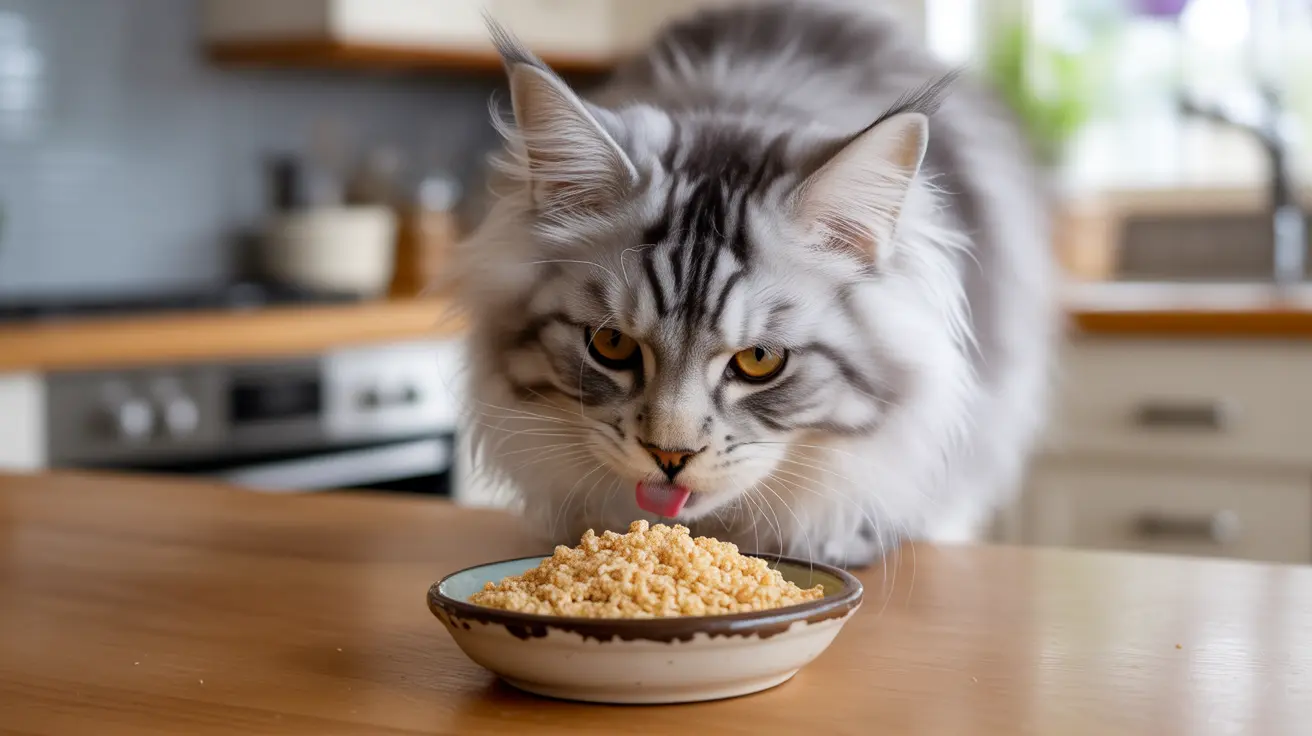
Sprinkle nutritional yeast on your cat's regular food. It adds flavor and nutrients. Ensure it's evenly distributed. This helps your cat enjoy their meal more. Watch if they eat more eagerly.
Monitoring Cat's Response
Observe your cat's behavior after eating. Check for any unusual symptoms. If your cat shows discomfort, stop using it. Always prioritize their health and happiness.
Veterinarian Recommendations
Cats can enjoy nutritional yeast in moderation. Veterinarians recommend it for its rich vitamins and protein content. Always consult your vet before adding new foods to your pet's diet.
When considering whether to add nutritional yeast to your cat's diet, seeking veterinarian recommendations is crucial. While many pet owners rave about the health benefits of nutritional yeast, such as its high B-vitamin content and palatable taste, it's important to consult a professional. Veterinarians can provide tailored advice based on your cat's unique health needs and dietary requirements, ensuring their safety and well-being.
Consulting A Vet
Before introducing any new food to your cat's diet, a vet consultation is a wise step. They can assess whether nutritional yeast is suitable for your cat, taking into account factors like age, weight, and any existing health conditions. A quick visit or phone call can prevent potential health issues, ensuring your furry friend remains healthy and happy. A veterinarian might highlight potential risks, such as allergies or digestive issues, that you may not be aware of. They might also suggest specific brands or dosages that are safe for cats. So, have you set up that vet appointment yet?
Understanding Cat's Dietary Needs
Cats have unique dietary needs that differ significantly from humans. They are obligate carnivores, meaning their diet should primarily consist of meat. This is why understanding your cat's nutritional requirements is vital before adding anything new, like nutritional yeast. While nutritional yeast can be a source of B vitamins and protein, it should not replace the essential nutrients that come from meat. Consider how it fits into the broader context of your cat's diet. Could it be a beneficial supplement or an unnecessary addition? Evaluating your cat's overall health and dietary balance can help determine the role of nutritional yeast. Keep an eye on how your cat reacts to any dietary changes, and adjust as needed based on their health and happiness.
Alternative Supplements
Cats can safely enjoy nutritional yeast in moderation. This supplement offers B vitamins and protein. Ensure it is unflavored and free from harmful additives.
Alternative supplements can be a game-changer for your feline friend’s diet. While nutritional yeast is a popular choice, it's essential to explore other options that can complement or substitute it. Understanding these alternatives will help you provide a balanced and enriched diet for your cat.
Other Sources Of B Vitamins
Cats need B vitamins for energy, metabolism, and overall health. You might be surprised to learn that foods like liver and fish are rich in B vitamins. Including small amounts of these in your cat’s meals can ensure they get the necessary nutrients. Additionally, eggs are an excellent source of B vitamins. They can be easily mixed with your cat's regular food. Just remember to cook them well to avoid any potential health risks.
Natural Coat Enhancers
A shiny coat is often a sign of a healthy cat. If nutritional yeast doesn't fit your cat’s diet, consider natural oils like salmon oil or flaxseed oil. These are packed with omega-3 fatty acids that support skin and coat health. You can also look into supplements containing biotin and zinc. These nutrients can help maintain your cat’s coat, making it soft and shiny. Adding a few drops of these oils or a small portion of these supplements to their food could make a noticeable difference. Have you ever considered why some cats have glossier coats than others? It often boils down to the nutrients they receive. By exploring these alternatives, you can ensure your cat remains healthy and vibrant.
Common Misconceptions
When it comes to feeding your feline friend, nutritional yeast often raises eyebrows and sparks curiosity. Many cat owners wonder if this savory sprinkle is safe for their pets. Misinformation can easily spread, leading to confusion about whether cats can safely consume nutritional yeast. Let's clear up some common misconceptions that often surround this topic.
Yeast And Yeast Infections
One common misconception is that feeding your cat nutritional yeast could cause yeast infections. It's understandable why you might think this; after all, yeast infections are a concern for many pet owners. However, nutritional yeast is entirely different from the type of yeast responsible for infections. It’s a deactivated yeast, which means it doesn’t grow or multiply in your cat's system.
Think about it this way: nutritional yeast is more like a seasoning than a living organism. It’s packed with B vitamins and can be a tasty treat for your furry friend. So, no need to worry about yeast infections when sprinkling a little nutritional yeast on your cat’s food.
Confusion With Brewer’s Yeast
Nutritional yeast often gets confused with brewer’s yeast, and it's easy to see why. Both are derived from the same organism, Saccharomyces cerevisiae, but they serve different purposes. Brewer’s yeast is typically used in beer making and has a slightly bitter taste, whereas nutritional yeast is known for its cheesy, nutty flavor.
Imagine you're at the store trying to pick out a yeast supplement for your cat. Brewer’s yeast might pop up in your search, but it’s not exactly the same as nutritional yeast. While brewer’s yeast can also be beneficial for cats, particularly for their skin and coat, it’s essential to know the difference to make an informed choice. Pay attention to the labels and choose what fits your pet's needs best.
Have you ever mistaken one for the other while shopping? It's more common than you think! Understanding the distinctions can help you provide the best care for your kitty.
Frequently Asked Questions
Why Do Cats Love Nutritional Yeast?
Cats love nutritional yeast because it contains B vitamins, enhancing flavor and boosting health. Its savory taste mimics umami, attracting feline palates. Nutritional yeast's aroma is enticing, making it a favorite treat. It also supports the immune system, contributing to overall well-being in cats.
Can Cats Have Nutritional Yeast On Reddit?
Cats can safely consume small amounts of nutritional yeast. It's rich in B vitamins and can enhance flavor. Always check with your vet before introducing new foods. Avoid excessive amounts to prevent digestive issues. Monitor your cat's reaction for any signs of discomfort or allergies.
Does Nutritional Yeast Keep Fleas Off Cats?
Nutritional yeast might repel fleas due to its B-vitamin content, but it’s not a guaranteed solution. Flea prevention should include vet-approved treatments. Always consult your vet before using alternative flea remedies for cats.
Is It Safe For Cats To Eat Yeast?
Cats should not eat yeast. It can cause digestive issues and bloating. Yeast dough can expand in their stomach, leading to serious health problems. Always keep yeast products out of reach. Consult your veterinarian if your cat consumes yeast.
Conclusion
Cats can enjoy nutritional yeast in moderation. It offers vitamins and minerals. But too much can cause digestive issues. Always consult your vet before adding new foods. Observe your cat's reaction after trying it. Some cats love the taste, others may not.
A small sprinkle can be a treat. Make sure it fits into a balanced diet. Remember, every cat is different. Keep their health and happiness in mind. Regular check-ups are essential. Your furry friend's well-being matters most. Safe choices lead to happy, healthy cats.
