
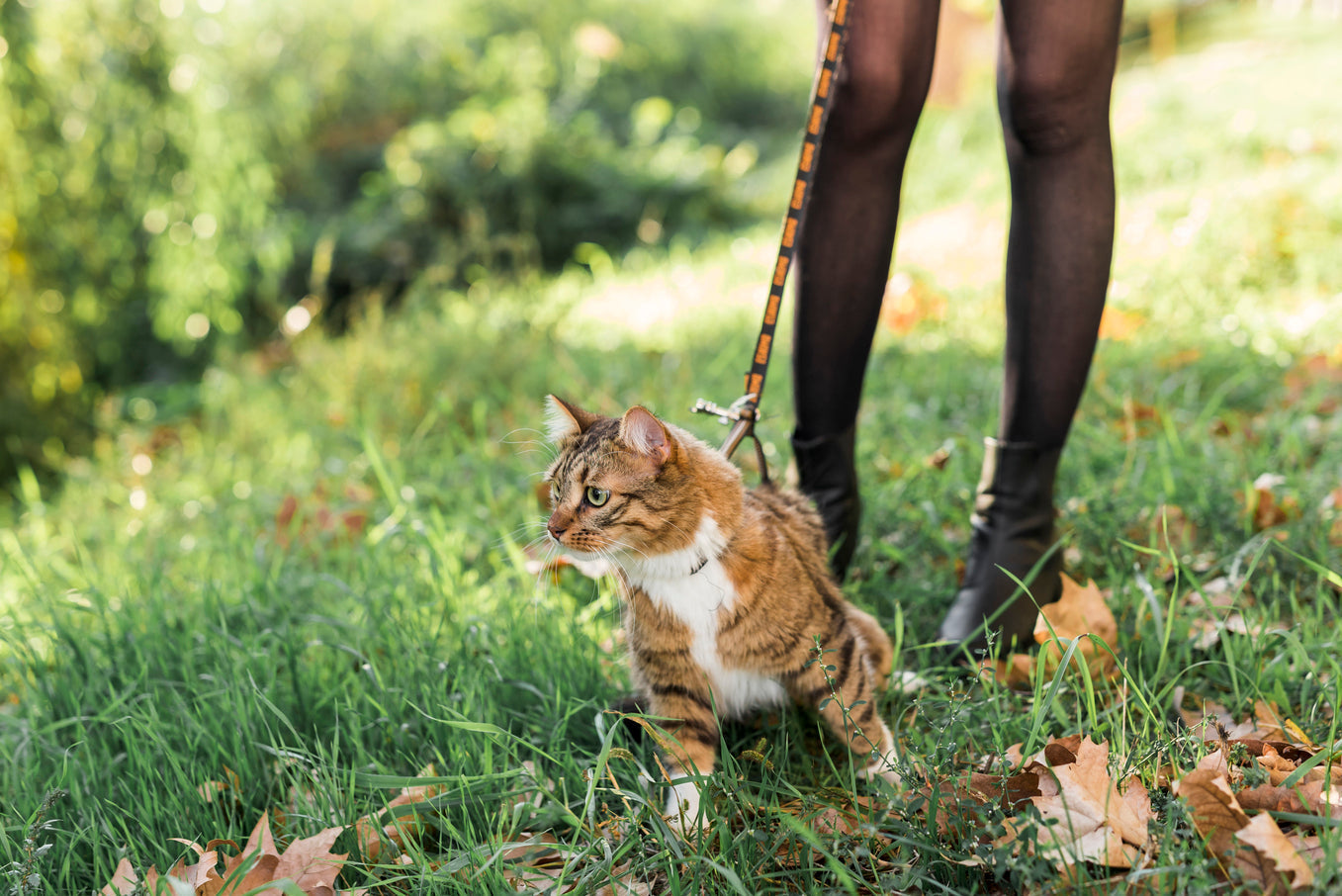
Imagine taking your cat for a walk just like you would with a dog. It sounds intriguing, doesn’t it?
If you're wondering whether your feline friend could enjoy the great outdoors on a leash, you're not alone. Many cat owners like you are curious about this possibility. Walking your cat on a leash can open up new experiences for both of you, providing mental stimulation and exercise for your pet.
But is it really possible? And if so, how do you ensure it’s a positive experience for your furry companion? You'll uncover the surprising truth about cats and leashes, along with tips to make it a successful adventure. Keep reading to discover if your cat has a hidden adventurer waiting to explore the world outside.
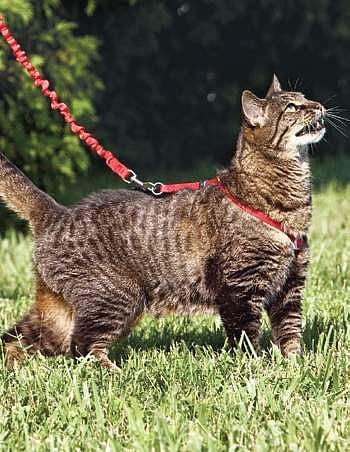
Credit: www.newindianexpress.com
Benefits Of Leash Training For Cats
Can a Cat Walk in a Leash Leash training offers cats a safe way to explore outdoors. It reduces the risk of them getting lost. Walking on a leash also provides mental and physical stimulation, keeping your feline friend healthy and happy.
Leash training your cat might sound unusual, but it brings a myriad of benefits that both you and your feline friend will enjoy. Cats are naturally curious creatures, and leash training provides them a safe way to explore the outdoors. Beyond just exploration, it can significantly improve your cat's safety and strengthen the bond you share.
Improved Safety
Leash training offers a controlled environment for your cat to enjoy the outside world. It minimizes the risk of your cat running into traffic or encountering aggressive animals. During my first attempt at leash training, I noticed how much more at ease I felt knowing my cat was safe and secure.
Enhanced Exploration
Cats love to explore, and a leash gives them the freedom to do so without wandering too far. Imagine the joy your cat will feel when discovering new sights and smells in your backyard or local park. A friend of mine was amazed at her cat's newfound happiness after just a few walks.
Strengthened Bond
Walking together can be a wonderful bonding experience. It allows you to spend quality time with your cat, building trust and understanding. Have you ever noticed how much more engaged your cat becomes when you introduce new experiences? Leash training can be one of those enriching activities that bring you closer.
Choosing The Right Equipment
Training your cat to walk on a leash is possible with the right equipment. It's important to choose the correct harness and leash for your feline friend. This ensures comfort and safety during your outdoor adventures. Let's explore how to select the best harness and leash for your cat.
Selecting The Appropriate Harness
A harness is crucial for leash training your cat. Choose a harness designed specifically for cats. Cat harnesses are typically lightweight and comfortable. Look for adjustable straps to fit your cat snugly. A harness that is too tight can cause discomfort. Too loose, and your cat might escape. Ensure the harness features soft materials to prevent skin irritation.
Consider the style of the harness. There are vest-style and H-style harnesses. Vest-style harnesses offer more coverage and support. H-style harnesses are lighter and easier to put on. Try both styles to see which your cat prefers. Remember, a happy cat makes leash training easier.
Finding A Suitable Leash
Once you have a harness, select a leash. A lightweight leash is best for cats. Heavy leashes can be cumbersome and uncomfortable. Choose a leash that is 4 to 6 feet long. This gives your cat room to explore without straying too far.
Consider using a retractable leash. Retractable leashes allow more freedom of movement. They are also easy to control. Ensure the leash has a sturdy clip to attach to the harness. The clip should be secure but easy to operate. Test the leash indoors to ensure it works well with the harness.
Getting Started With Leash Training
Leash training a cat might sound like a quirky endeavor, yet it's becoming increasingly popular among cat owners. Whether you're dreaming of adventurous walks or simply want to give your feline a taste of the great outdoors, getting started with leash training can be a rewarding experience. But where do you begin? The key lies in patience, understanding, and creating an environment where your cat feels comfortable and secure. Let's delve into the process of preparing your cat for this exciting new activity.
Creating A Calm Environment
Begin by choosing a quiet space in your home, free from distractions. This could be a room where your cat feels safe and relaxed. A calm environment helps your cat focus on the new experience without feeling overwhelmed.
Consider the timing of your training sessions. Pick moments when your cat is naturally calm, like after a meal or during their usual downtime. This increases their receptiveness to new activities.
Why is calmness so important? Cats are naturally curious yet cautious creatures. A serene setting encourages them to explore without anxiety, setting the stage for positive associations with the leash.
Introducing The Harness
Select a harness designed specifically for cats, ensuring it fits snugly but comfortably. Allow your cat to inspect the harness before attempting to put it on. This familiarizes them with its presence and smell.
Place the harness near their favorite resting spot for a few days. This subtle introduction lets them associate the harness with comfort and normalcy.
When it’s time to put the harness on, use gentle encouragement and treats. Praise your cat lavishly to reinforce positive behavior. Remember, patience is key; your cat might take a few tries to adjust.
Have you ever thought about how your cat perceives new experiences? Understanding their viewpoint can radically improve your training approach, making leash training an enjoyable journey for both of you.

Credit: www.amazon.ca
Building Comfort And Confidence
Training cats to walk on a leash builds comfort and confidence. It offers a safe way to explore outdoors. Cats enjoy new sights and smells while staying secure.
Building comfort and confidence in your cat to walk on a leash requires patience and understanding. It's not just about strapping on a harness and heading outdoors. This process involves creating a positive experience for your feline friend, ensuring they feel secure every step of the way. With the right approach, you can transform leash training into a bonding activity that both you and your cat enjoy.
Gradual Acclimation To The Harness
Start with short sessions in the comfort of your home. Introduce the harness as a non-threatening object. Allow your cat to sniff and explore it without pressure. Gently place the harness on your cat, but do not fasten it immediately. Observe how your cat reacts, and remove the harness if they seem uncomfortable. Gradually increase the time your cat wears the harness each day. This helps them get used to the feeling without overwhelming them.
Positive Reinforcement Techniques
Use treats and affection to create a positive association with the harness. Every time your cat shows a calm response to the harness, reward them. Consistency is key. Reinforce good behavior every time they wear the harness, ensuring they know it's a rewarding experience. Consider using a clicker to mark positive behavior. This tool can be effective in communicating with your cat, especially during initial training stages. Have you ever wondered how your cat perceives this new experience? Observing their body language will provide valuable insights into their comfort level.
Outdoor Adventures
Cats can walk on a leash with proper training and patience. This outdoor adventure offers exercise and mental stimulation for your feline friend. Ensure the harness fits well and start in a familiar, safe environment.
Taking your cat for a walk on a leash can open up a world of outdoor adventures. Imagine your feline friend exploring new scents, feeling the grass beneath their paws, and soaking up the sunshine. It’s a chance for both of you to bond and enjoy nature together. But before you embark on these adventures, it’s crucial to ensure your cat’s safety and comfort.
Safe Outdoor Spaces
Finding the right location for your cat’s walk is key. Choose quiet parks or your backyard, avoiding areas with heavy traffic or aggressive dogs. Keep your cat’s personality in mind. Some cats prefer secluded spots, while others might enjoy busier environments with more stimuli. Always keep a close watch on your surroundings. This vigilance helps prevent encounters with wildlife or sudden noises that might startle your cat.
Monitoring Your Cat’s Behavior
Pay attention to how your cat reacts during walks. Are they curious and relaxed, or do they seem anxious and tense? If your cat shows signs of stress, such as excessive meowing or trying to hide, it might be time to head home. Encourage positive behavior with treats and gentle praise. This reinforces the idea that outdoor adventures are fun and rewarding. Outdoor adventures can be a delightful experience for you and your cat. By ensuring safe spaces and monitoring their behavior, you can create lasting memories together. Ready to leash up and explore?
Troubleshooting Common Challenges
Walking a cat on a leash can be a delightful experience, but it's not always smooth sailing. You might encounter some challenges along the way, but with a bit of patience and the right approach, you can overcome these hurdles. Let's dive into how to troubleshoot common challenges when leash training your feline friend.
Dealing With Resistance
It's not uncommon for a cat to resist the idea of a leash. They might act like it's the end of the world, flattening themselves on the floor or stubbornly refusing to move. The key here is to introduce the leash gradually. Start by letting them sniff and play with it.
You can try placing the harness near their favorite spot or even on their bed, so they associate it with comfort. Rewarding them with treats when they come near or touch the leash can help build positive associations.
Have you ever noticed how they respond to new toys? A similar strategy can work here. Aim to make the leash seem like just another fun addition to their day.
Overcoming Anxiety
Some cats may feel anxious about being outside, even if they're used to watching the world from a window. Anxiety can manifest as hiding, trembling, or even vocalizing more than usual. You can help by keeping initial walks short and close to home.
Start in a quiet space like your backyard or a calm park. Make sure to maintain a calm demeanor yourself; cats can sense your tension. Speaking softly and offering reassurance can be invaluable.
Consider this: would you feel comfortable diving headfirst into an unfamiliar environment? Cats need time to adjust too, so allow them to explore at their own pace. Watch for signs of stress and retreat if needed.
Tips For Long-term Success
Walking a cat on a leash can be a rewarding experience, but achieving long-term success requires patience and understanding. Cats are not naturally inclined to walk in a straight line like dogs, but with the right approach, you can enjoy many outdoor adventures together. Here are some tips to ensure your feline friend becomes comfortable with leash walking over time.
Consistency In Training
Consistency is crucial for your cat's progress. Set aside regular times each day for leash training sessions. This helps your cat get used to the routine and builds trust over time.
Start with short indoor sessions before moving outside. Gradually increase the time and complexity of walks as your cat becomes more comfortable. Frequent repetition reinforces their learning and builds confidence.
Reward your cat with treats and praise for positive behavior. This encourages them to associate leash walking with positive experiences.
Adapting To Your Cat’s Needs
Every cat is unique, so it’s important to adapt your training to fit their personality. Pay attention to how your cat reacts during training sessions. Are they hesitant or eager?
If your cat seems stressed, take a step back. Allow them to explore the leash and harness at their own pace. Sometimes, a break or a change of scenery can make all the difference.
Consider your cat's preferences. If they prefer quiet environments, choose less busy areas for walks. Tailoring the experience to their comfort level can make leash training more enjoyable for both of you.
Long-term success in leash training is about understanding and patience. What strategies have worked for you and your cat? Share your experiences and insights in the comments below!

Credit: www.instagram.com
Frequently Asked Questions
Is It Okay To Walk Cats On A Leash?
Yes, walking cats on a leash is okay. Many cats enjoy exploring outdoors safely. Start with a comfortable harness. Gradually introduce the leash to your cat. Ensure the environment is safe and free from dangers. Always supervise your cat during walks to ensure their safety and comfort.
Is It Possible To Teach A Cat To Walk On A Leash?
Yes, you can teach a cat to walk on a leash. Start with a comfortable harness. Gradually introduce the leash indoors. Use treats and positive reinforcement. Be patient and practice regularly. Some cats may not adapt, so respect their comfort level.
Can I Take My Cat For A Walk On A Lead?
Yes, you can walk your cat on a lead. Ensure the harness fits securely and comfortably. Start slow and let your cat adjust to the experience. Walking your cat provides exercise and mental stimulation. Always monitor your cat's behavior for safety and comfort during the walk.
Are Leashes Uncomfortable For Cats?
Leashes can be uncomfortable for some cats if not properly fitted. Choose a comfortable harness to avoid discomfort. Training your cat to walk on a leash gradually can help them adjust. Always monitor their behavior to ensure they are relaxed while wearing a leash.
Conclusion
Training a cat to walk on a leash is possible. It requires patience. Start with gentle introductions indoors. Use treats as motivation. Gradually move outdoors once they're comfortable. Cats may take time to adjust. Not all cats will enjoy it.
Observe your cat’s behavior closely. Ensure their safety at all times. Walking a cat on a leash can be rewarding. It offers exercise and adventure. Always respect your cat’s limits. Every cat is unique. Leash walking is not for all.
Some cats prefer indoor life. Explore options suitable for your pet’s personality.