
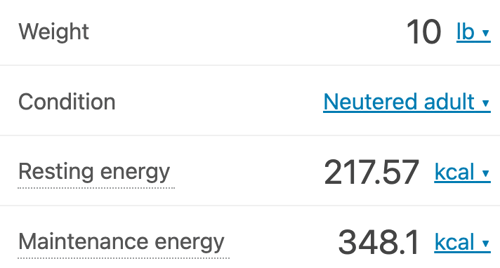
Are you puzzled about the right amount of food for your adult cat? You're not alone.
Many cat owners grapple with finding that perfect balance between too much and too little. Feeding your feline friend correctly is crucial for their health and happiness. It can prevent obesity, ensure they have enough energy to play, and even help them live longer.
Imagine your cat lively, playful, and free from health issues. That's what proper feeding can do. But how much is too much or too little? This article will help you discover the optimal feeding amount, tailored to your cat's unique needs. Get ready to unlock the secret to your cat's well-being. Keep reading to give your furry friend the best care possible.
Understanding Cat Nutrition
Proper nutrition is key for a cat's health. Feed adult cats based on their weight and activity level. Consult your vet for precise portions.
Understanding what to feed your adult cat can be a bit of a puzzle. Nutrition is not just about filling their bellies; it’s about providing the essential nutrients they need to thrive. A balanced diet can make all the difference in their health, energy levels, and overall happiness. Let's dive into the key components of cat nutrition and see how you can optimize your cat's diet.
Nutritional Needs Of Adult Cats
Adult cats have specific nutritional needs that differ from those of kittens or senior cats. They require a diet rich in proteins and fats, but low in carbohydrates. This is because cats are obligate carnivores, meaning their bodies are designed to digest and utilize nutrients from animal sources. A well-rounded diet should include high-quality commercial cat food formulated for adult cats. Always check the label for the nutritional adequacy statement by the Association of American Feed Control Officials (AAFCO). This ensures the food meets the necessary standards for complete and balanced nutrition.
The Role Of Protein And Fat
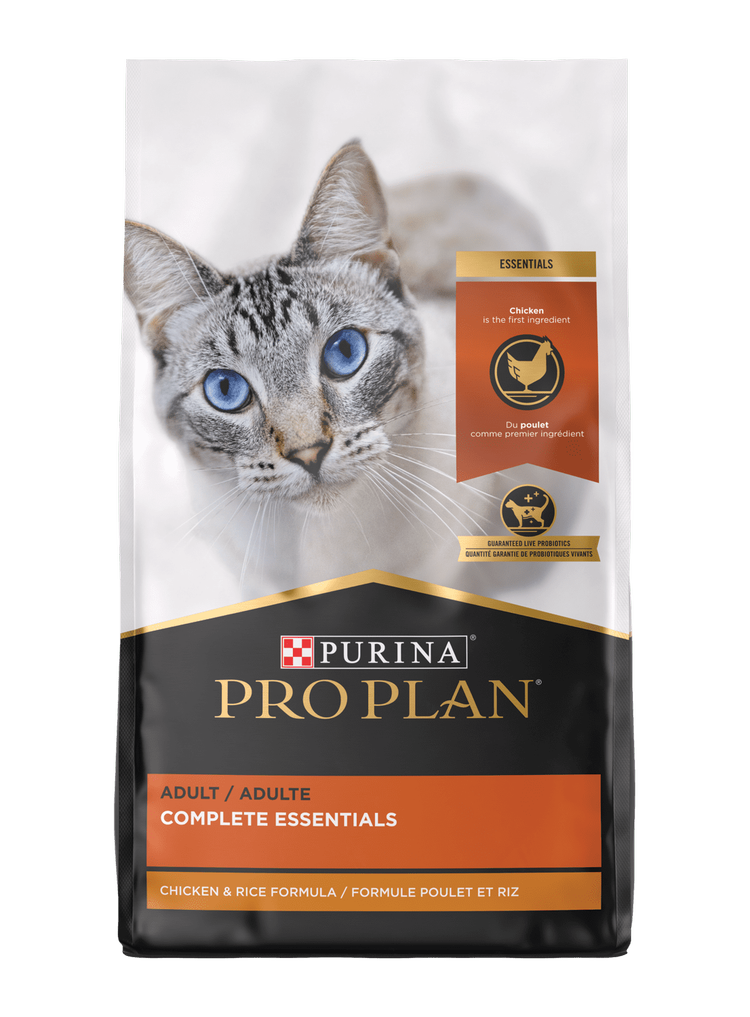
Protein plays a crucial role in maintaining your cat’s muscle mass and energy levels. Look for cat foods where the first ingredient is a named meat source like chicken, beef, or fish. This indicates a higher protein content. Fats are equally important, providing essential fatty acids and aiding in the absorption of fat-soluble vitamins. They also contribute to a shiny coat and healthy skin. However, moderation is key; too much fat can lead to obesity.
Vitamins And Minerals
Vitamins and minerals are the unsung heroes of cat nutrition, supporting everything from immune function to bone health. Taurine, for example, is an essential amino acid that cats cannot produce on their own and must be included in their diet. Calcium and phosphorus are vital for strong bones and teeth, while vitamins like A, D, E, and K support various bodily functions. Ensure your cat food is fortified with these nutrients. It might be tempting to supplement, but it's best to consult your vet before adding any extra vitamins or minerals to your cat’s diet. Understanding these nutritional components can transform the way you feed your feline friend. Are you confident in what you're serving your cat? With the right information, you can ensure they lead a healthy, vibrant life.
Credit: www.purina.com
Types Of Cat Food
Understanding how much to feed an adult cat depends on age, weight, and activity level. Dry, wet, and raw foods offer different nutritional benefits. Consult a vet for precise portions.
Choosing the right type of cat food for your adult feline is essential for their health and wellbeing. With so many options available, understanding the differences can help you make informed decisions. Let’s dive into the various types of cat food and what each means for your furry friend’s diet.
Dry Vs. Wet Food
Dry food is convenient and cost-effective. It's easy to store and doesn't spoil quickly. If your cat grazes throughout the day, dry food can be ideal. Wet food, on the other hand, offers higher moisture content, which is beneficial for hydration. Cats often find it more palatable, making it a great choice for picky eaters. Consider mixing both types to balance convenience and nutrition. How does your cat respond to different textures and flavors?
Raw And Homemade Diets
Raw diets mimic what cats might eat in the wild. They include raw meats and organs, providing essential nutrients. This diet demands careful preparation and storage to prevent bacterial contamination. Homemade diets allow you to tailor meals to your cat's specific needs. However, ensuring a balanced diet can be challenging without professional guidance. Would you feel confident crafting meals from scratch?
Specialty Diets
Specialty diets cater to specific health conditions. They are often prescribed by veterinarians to address allergies, digestive issues, or weight management. These diets can include grain-free options or foods enriched with specific nutrients. Have you discussed specialty diets with your vet if your cat has unique health needs? Making the right choice in cat food is crucial for your pet's health. Understanding the pros and cons of each type empowers you to provide the best nutrition possible. What changes might you consider in your cat’s diet today?
Determining Portion Sizes
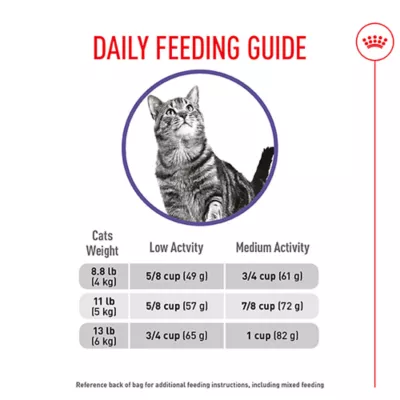
Feeding an adult cat requires understanding their weight, age, and activity level. Consult packaging for recommended portions based on these factors. Adjust quantities if your cat gains or loses weight to maintain a healthy balance.
Determining the right portion sizes for your adult cat is crucial. It impacts their health and overall well-being. Finding the perfect balance can be challenging, but it's essential. Various factors like weight, age, and activity level play a role. Understanding these can help in deciding the right amount to feed.
Factors Affecting Meal Portions
Several factors can influence the size of your cat's meals. Their breed and metabolism can affect how much they need to eat. Cats with faster metabolisms may require more food. Cats with slower metabolisms need less. Seasonal changes can also impact their appetite. During colder months, cats might eat more to stay warm.
Adjusting Portions Based On Weight
Monitoring your cat's weight is important. If your cat is gaining weight, reduce their portion size slightly. If they are losing weight, you might need to increase their food. Consistent weight checks help in adjusting portions accurately. Overfeeding can lead to obesity-related issues. Underfeeding can cause malnutrition.
Age And Activity Level Considerations
Younger cats are usually more active. They may need larger portions to fuel their energy. Older cats might be less active, requiring fewer calories. Consider your cat's daily activity. Active cats burn more calories and need more food. Sedentary cats will need less to maintain a healthy weight. Adjust portions accordingly to match their lifestyle.
Feeding Schedule
Understanding how much to feed an adult cat is crucial for their health. Portion sizes depend on the cat's weight, age, and activity level. It's important to follow feeding guidelines on food packaging or consult a vet for personalized advice.
Feeding Schedule A consistent feeding schedule keeps your cat healthy and happy. Cats thrive on routine, so maintaining regular meal times is essential. It helps prevent overeating and ensures your cat gets the right nutrition. A structured schedule can also reduce stress in your cat’s life.
Establishing Routine Meal Times
Cats like predictability. Set meal times that align with your daily routine. Morning and evening meals work well for most cats. Feed them at the same time every day to create a reliable routine. This helps them know when to expect food, reducing anxiety.
Free Feeding Vs. Scheduled Feeding
Free feeding allows cats to eat anytime. Scheduled feeding offers controlled portions at set times. Free feeding can lead to overeating and weight gain. Scheduled feeding helps regulate food intake and manage weight. Choose the method that suits your cat’s needs best.
Managing Food For Multi-cat Households
Feeding multiple cats needs careful management. Some cats may eat more than their share. Separate bowls can help ensure each cat gets enough food. Monitor their eating habits and adjust portions as needed. Create a feeding plan that caters to all your cats' needs.
Monitoring Health And Weight
Determining the right amount to feed an adult cat depends on its weight and activity level. Regular monitoring helps maintain optimal health and prevent obesity. Adjust portions based on changes in weight or lifestyle.
Monitoring your cat's health and weight is crucial for their well-being. An adult cat's diet should be balanced and meet their nutritional needs. Overfeeding or underfeeding can lead to health issues. Keeping an eye on your cat's weight helps in making necessary dietary adjustments. Regular monitoring ensures your cat stays healthy and active.
Signs Of Overfeeding Or Underfeeding
Cats can show signs when their diet isn't right. Overfeeding often leads to obesity. Look for a sagging stomach or difficulty jumping. Cats might also groom less if they are overweight. Underfeeding can cause a dull coat or lethargy. Cats may become more vocal if they're hungry. Be observant of these signs.
Regular Weight Checks
Regular weight checks are vital for your cat's health. Weigh your cat every month. Use a pet scale for accuracy. Record the weight to track changes. A sudden weight change could indicate health issues. It's essential to maintain a healthy weight range. This ensures your cat is neither too thin nor too heavy.
Consulting A Veterinarian
Consult a veterinarian for expert advice on your cat's diet. They can provide tailored feeding plans. Vets assess your cat's overall health and weight. They can help identify any underlying health problems. A vet visit ensures peace of mind about your cat's diet. Regular check-ups keep your cat healthy and happy.
Common Feeding Mistakes
Feeding your adult cat might seem straightforward, but there are common mistakes that can lead to health issues over time. Understanding these pitfalls can ensure your feline friend stays healthy and happy. Let's dive into some of the most frequent feeding errors cat owners make.
Overindulgence In Treats
It's easy to shower your cat with treats, especially when they give you those irresistible eyes. However, too many treats can lead to obesity, which is a serious health concern for cats. Treats should only make up a small portion of their daily calorie intake.
Consider using treats as rewards for good behavior rather than a regular part of their diet. Are you mindful of how many treats your cat consumes each day?
Ignoring Dietary Changes
Cats’ dietary needs can change due to age, health conditions, or lifestyle. Ignoring these changes can lead to nutritional deficiencies. Regular vet check-ups can help you adjust your cat's diet accordingly.
Have you noticed any changes in your cat's behavior or health that might suggest a dietary adjustment?
Inadequate Hydration
Cats often don't drink enough water, leading to urinary tract issues. A hydration-friendly diet, such as wet food, can help maintain their health. Make sure fresh water is always available and consider multiple water sources to encourage drinking.
Is your cat getting enough water each day, or could you enhance their hydration routine?
Tips For Successful Feeding
Determine the right portion for your adult cat by considering its weight and activity level. Check food labels for recommended servings and adjust based on your cat's needs. Regularly monitor your cat's weight to ensure a healthy diet.
Feeding your adult cat might seem straightforward, but there are nuances that can make a big difference in their health and happiness. By following some simple tips, you can ensure your furry friend gets the nutrition they need without overfeeding or underfeeding. It’s about balance, and knowing what works best for your cat's unique needs. Dive into these practical tips for successful feeding, and enhance your cat's dining experience.
Maintaining Freshness Of Food
Keeping your cat's food fresh is crucial. Stale or expired food can lead to digestive issues. Always check expiration dates and store food in airtight containers. This prevents exposure to moisture and pests. Consider portioning out daily meals ahead of time. This helps maintain food quality and ensures your cat gets the right amount every day.
Encouraging Healthy Eating Habits
Cats can be picky, but you can encourage healthy eating habits. Start by establishing a regular feeding schedule. Consistency can help regulate their metabolism and prevent overeating. Try engaging your cat with interactive feeders or puzzle toys. These can stimulate their natural hunting instincts, making mealtime more engaging.
Choosing Quality Brands
Not all cat food brands are created equal. Opt for brands that prioritize high-quality, natural ingredients. Look for those with real meat as the first ingredient and minimal fillers. Research and read reviews. What have other cat owners experienced with different brands? Your insights can lead you to the perfect choice for your pet's palate and health.
Credit: www.tiktok.com
Credit: www.petsmart.com
Frequently Asked Questions
Is 1 Cup Of Food Too Much For A Cat?
A cat's food portion depends on age, weight, and activity level. Generally, 1 cup may be too much for small cats. Consult a vet for personalized feeding advice. Proper portioning ensures healthy weight and nutrition. Always monitor your cat's weight and adjust food amounts accordingly.
How Much Food Should An Adult Cat Eat A Day?
An adult cat typically needs about 200-250 calories daily. This equals roughly 3-4 ounces of wet food or 1/4 cup of dry food. Always consider your cat's age, weight, and activity level to adjust portions. Regularly consult your vet for personalized dietary advice.
Is 2 Meals A Day Enough For A Cat?
Feeding a cat two meals a day is generally sufficient. Ensure portion sizes meet their age, weight, and activity level. Consult your vet for personalized advice tailored to your cat’s needs, as dietary requirements can vary. Monitor your cat's weight and health regularly to ensure they remain healthy.
How Much Food To Give An Indoor Cat?
Feed an indoor cat 24 to 35 calories per pound daily. Adjust based on activity and weight. Consult a vet for specific needs. Ensure fresh water is available constantly. Monitor weight regularly to maintain a healthy balance. Choose high-quality cat food for optimal nutrition.
Conclusion
Finding the right cat food amount is vital for your cat's health. Observe your cat's weight and energy. Adjust food portions accordingly. Consult your vet for personalized advice. They know what's best for your feline friend. Stick to a feeding schedule.
Consistency helps with digestion and weight control. Avoid overfeeding. It can lead to obesity and health issues. Ensure clean water is always available. Hydration is crucial for a cat's well-being. Remember, every cat is unique. Their needs can vary. Be attentive and make necessary changes.
Your cat's happiness depends on it.
